Head brand hats maintain a resilient position in the 2026 sports headwear market by leveraging their heritage in tennis and skiing to capture the "performance-luxury" segment. While major players like Nike and New Era dominate high-volume lifestyle and team sports, Head excels through technical innovation, sustainable manufacturing, and strategic alignment with the burgeoning pickleball and paddle sports demographics.
The Evolution of Head Brand Headwear in the Global Market
The trajectory of Head NV as a brand has historically been tied to its dominance in hard goods—specifically skis and tennis racquets. However, by 2026, the company has successfully transitioned into a comprehensive lifestyle and performance apparel entity. Head brand hats have evolved from simple promotional accessories into high-margin, technical products that cater to both professional athletes and the "athleisure" consumer.
In the current market, Head brand hats are categorized into three primary tiers: Pro-Performance, Club-Technical, and Heritage-Lifestyle. The Pro-Performance line utilizes laser-cut ventilation and ultra-lightweight moisture-wicking fabrics designed for high-intensity court sports. The Heritage-Lifestyle segment taps into the "vintage sports" trend, featuring structured cotton caps with the iconic 1960s-era logo, which has seen a massive resurgence among Gen Z consumers.
The strategic pivot to treat headwear as a core category rather than a licensed afterthought has allowed Head to maintain price integrity. While generic sports caps often face price wars in big-box retail, Head’s focus on specialty sports channels and premium e-commerce ensures their hats remain a "status" item within the racquet sports community.
Analyzing the Competitive Landscape: Market Leaders in Sports Headwear
To understand Head's investment value, one must evaluate the giants that define the sector. The sports headwear market in 2026 is characterized by intense consolidation among a few legacy leaders, while boutique "technical" brands carve out high-value niches.
The Dominance of New Era and Nike
New Era continues to hold the largest market share in the structured cap segment, primarily through its exclusive licensing deals with major professional sports leagues (MLB, NFL, NBA). Their "59FIFTY" silhouette remains the industry standard. Nike, conversely, dominates the "unstructured" performance market. Nike’s investment in "AeroBill" and "Dri-FIT" technologies sets the benchmark for what consumers expect from a functional sports hat.
Head’s Niche: The "Tenniscore" Advantage
Head differentiates itself by avoiding direct competition with the "Big Four" US sports. Instead, it owns the "Tenniscore" aesthetic. With the global explosion of pickleball and the continued prestige of the ATP and WTA tours, Head has positioned its headwear as the official uniform of the court. This specialization provides a moat against broader brands that lack the specific cultural capital within the tennis and ski communities.
'47 Brand and Under Armour
'47 Brand remains a formidable competitor in the "relaxed fit" and collegiate sectors, while Under Armour has shifted focus toward heavy-duty training gear. Head competes with these brands by emphasizing "European Engineering," a marketing angle that resonates well in the premium Asian and Middle Eastern markets, where tennis is viewed as a high-status pursuit.
Investment Trends and Growth Catalysts in 2026
The investment landscape for sports apparel brands has shifted from high-volume growth toward "sustainable profitability" and "circularity." Investors in 2026 are looking at brands that can prove long-term consumer loyalty and supply chain resilience.
- Sustainability as a Fiscal Requirement: Investors are prioritizing brands that have transitioned to 100% recycled polymers. Head has integrated "Ocean Plastic" initiatives into its 2026 headwear lines, mirroring the ESG (Environmental, Social, and Governance) goals that major investment funds now mandate.
- The Rise of "Gorpcore" and Technical Wear: The trend of wearing high-performance outdoor gear in urban environments (Gorpcore) has benefited Head. Their hats, designed for high UV exposure on ski slopes or tennis courts, fit the consumer demand for "gear that performs" regardless of the setting.
- DTC and Margin Optimization: There is a significant trend toward Direct-to-Consumer (DTC) sales. Brands like Head are reducing their reliance on third-party retailers to capture the full retail margin. Investment in digital infrastructure for localized e-commerce is a key metric for valuation.
- Smart Fabric Integration: We are seeing the first real wave of "smart" headwear. While still niche, hats that incorporate biometric sensors or temperature-regulating phase-change materials (PCMs) are attracting venture capital. Head’s R&D department in Kennelbach is reportedly testing prototypes that integrate with wearable fitness ecosystems.
Manufacturing and Material Innovations
The technical depth of a hat determines its longevity in the market. In 2026, a "standard" hat is no longer just cotton or polyester. The industry has moved toward sophisticated composites that solve specific athlete problems.
Moisture Management and Weight: Head utilizes a proprietary "Micro-Fiber Stretch" blend in its 2026 Pro-Line. This material reduces the weight of the cap by 30% compared to 2022 models. The goal is to eliminate the "heavy hat" feeling caused by sweat absorption during long matches.
UV Protection and Skin Health: As global temperatures rise, UV protection has moved from a feature to a necessity. Most Head hats now carry a UPF 50+ rating. The investment in chemical-free UV blocking—achieved through the weave density of the fabric rather than topical treatments—is a significant selling point for health-conscious consumers.
| Brand | Primary Market Segment | 2026 Investment Outlook | Key Technology/Feature |
|---|---|---|---|
| Head | Racquet Sports & Ski Lifestyle | Bullish (Niche growth) | Cool & Dry Micro-Fiber |
| New Era | Licensed Team Sports | Stable (Dominant) | 59FIFTY Structured Fit |
| Nike | General Performance | Strong (Scale) | AeroBill / Dri-FIT Adv |
| Adidas | Soccer & Streetwear | Neutral (Restructuring) | Primegreen Recycled Tech |
| '47 Brand | Lifestyle / Collegiate | Stable (Loyalty) | Garment Wash / Vintage |
| Lululemon | Yoga & Run Lifestyle | Bullish (Expansion) | OOM (Outsmart Obstacles) |
Consumer Demographics and the Shift in Buying Patterns
The "Head" consumer in 2026 is more diverse than a decade ago. While the core remains the 35–55-year-old affluent tennis player, there has been a significant "down-aging" of the brand.
- The Pickleball Pivot: The fastest-growing demographic for Head hats is the 25–40-year-old pickleball player. This group views Head as a "legacy-cool" brand—one that has been around forever but feels fresh in the context of a new sport.
- The Asian Expansion: Significant investment has been poured into the Chinese and Southeast Asian markets. Head has capitalized on the growing middle class’s interest in "prestige" sports like skiing and tennis. In these regions, a Head-branded hat is often a gateway purchase for the brand's more expensive hard goods.
- The Sustainability-First Shopper: A growing segment of buyers will not purchase a hat unless the "recycled content" is clearly labeled. Head’s 2026 "Zero-Waste" initiative, which involves using factory off-cuts for inner linings, has become a major marketing pillar to attract this demographic.
Future Outlook and Strategic Recommendations for Stakeholders
As we look toward the latter half of the decade, the headwear market is expected to remain a critical "entry point" for sports brands. For investors and retailers, the following actions are recommended:
Focus on Multi-Channel Integration: Success in 2026 requires a seamless transition between physical "Pro Shops" at sports clubs and digital storefronts. Head’s strategy of equipping local tennis clubs with digital kiosks to order headwear styles not held in local inventory is a model for maximizing SKU (Stock Keeping Unit) efficiency.
Monitor the "Performance-Luxury" Convergence: The line between high-fashion and high-performance continues to blur. Head should be monitored for potential collaborations with luxury fashion houses, similar to past successes in the industry. Such partnerships often result in limited-edition headwear that commands 3x the standard retail price.
Prioritize Supply Chain Transparency: With increasing regulation regarding "Greenwashing," brands that can provide blockchain-verified supply chain data for their recycled materials will have a competitive advantage. Stakeholders should prioritize investment in brands that have moved beyond marketing claims into verifiable environmental impact data.
FAQ
Are Head brand hats considered high-end in the 2026 market?
Yes, Head has successfully positioned its headwear in the "performance-luxury" niche. While they are more expensive than generic store brands, they are priced competitively with other premium sports brands like Nike's "Elite" lines and Lululemon. Their value is derived from their association with professional-grade equipment and technical fabrications.
How does the growth of pickleball affect Head’s market share?
Pickleball has been a massive catalyst for Head. As a dominant force in racquet sports, Head was able to pivot its marketing to include pickleball effortlessly. Because headwear is a required "uniform" for the sport to manage sweat and sun, Head has seen a double-digit increase in hat sales directly correlated to the opening of new pickleball facilities globally.
Is the headwear market a safe investment in 2026?
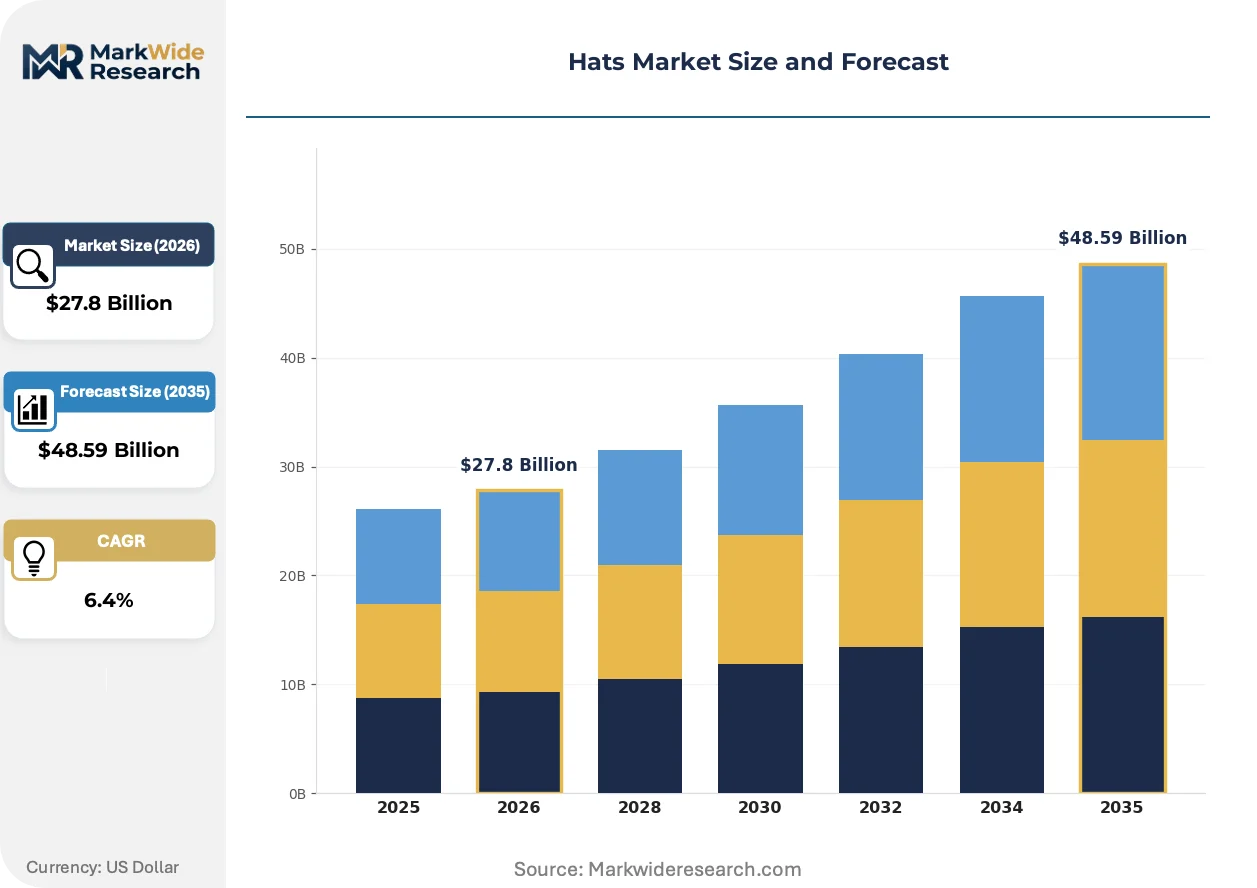
The market is considered "Stable to Bullish." Unlike footwear, which has high R&D and manufacturing costs, headwear has lower overhead and higher margins. The "athleisure" trend shows no signs of receding, and hats remain one of the most resilient accessory categories during economic fluctuations.
What are the most popular styles of Head hats currently?
The "Trucker" style with mesh backing remains popular for its breathability in paddle sports, but the "unstructured dad hat" in technical materials has seen the most growth. This style appeals to the lifestyle consumer who wants the brand's prestige without looking like they are mid-match.
Does Head produce sustainable headwear?
As of 2026, nearly 85% of Head’s headwear catalog utilizes recycled polyester or organic cotton. The brand has committed to a "Circular Headwear" program where customers can return old hats for recycling in exchange for a discount on new purchases, significantly boosting their sustainability rating among ESG investors.
Strategic Action for Retailers and Investors
For those looking to capitalize on the 2026 headwear trends, the primary action is to diversify into technical niches. Rather than betting on general lifestyle brands, focus on entities like Head that own a specific athletic culture. Retailers should ensure their "Performance Headwear" sections are categorized by sport-specific needs (e.g., "Court-Specific" vs. "All-Weather Training") to cater to the increasingly sophisticated consumer who demands more than just a logo on a cap.