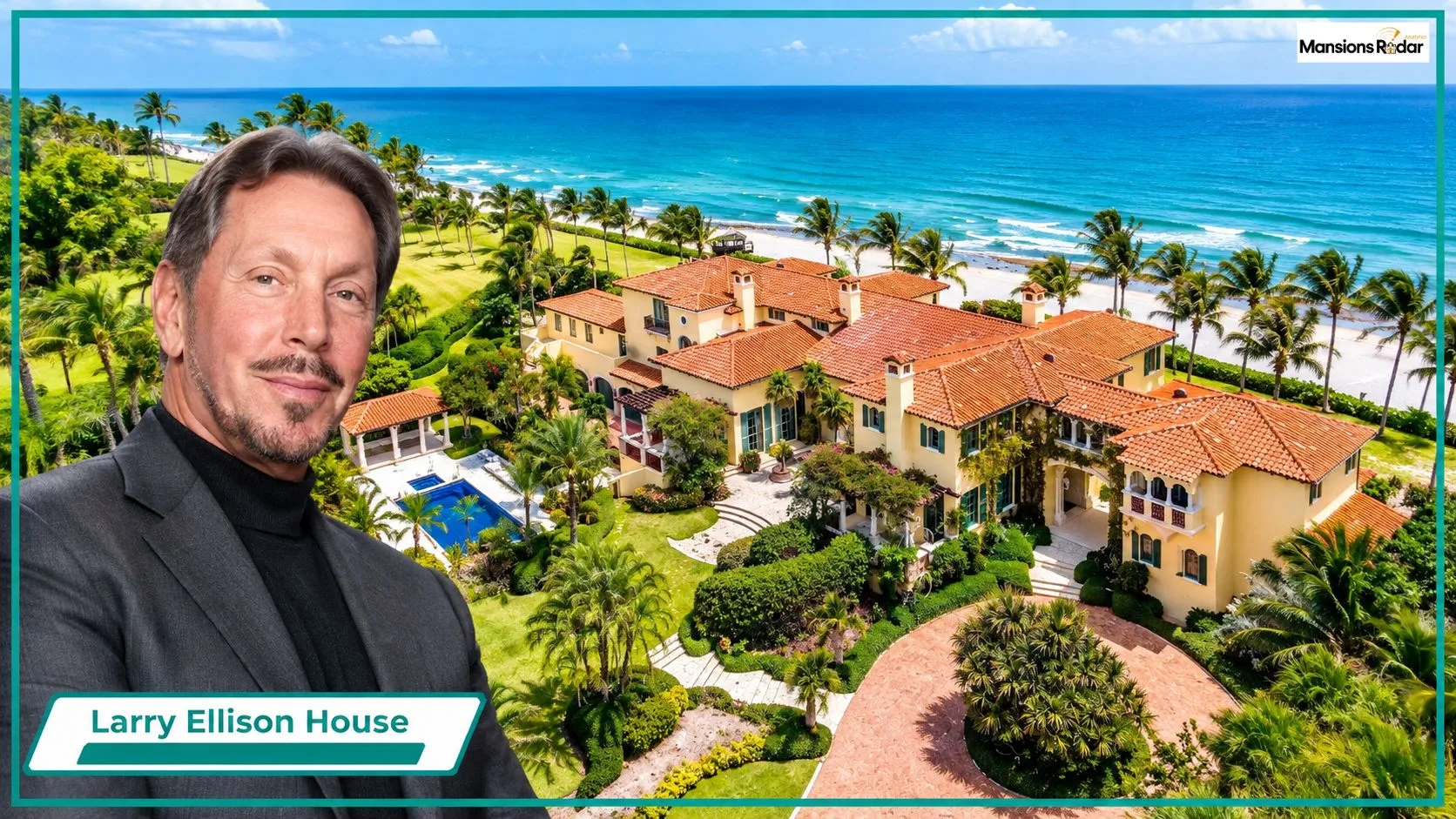
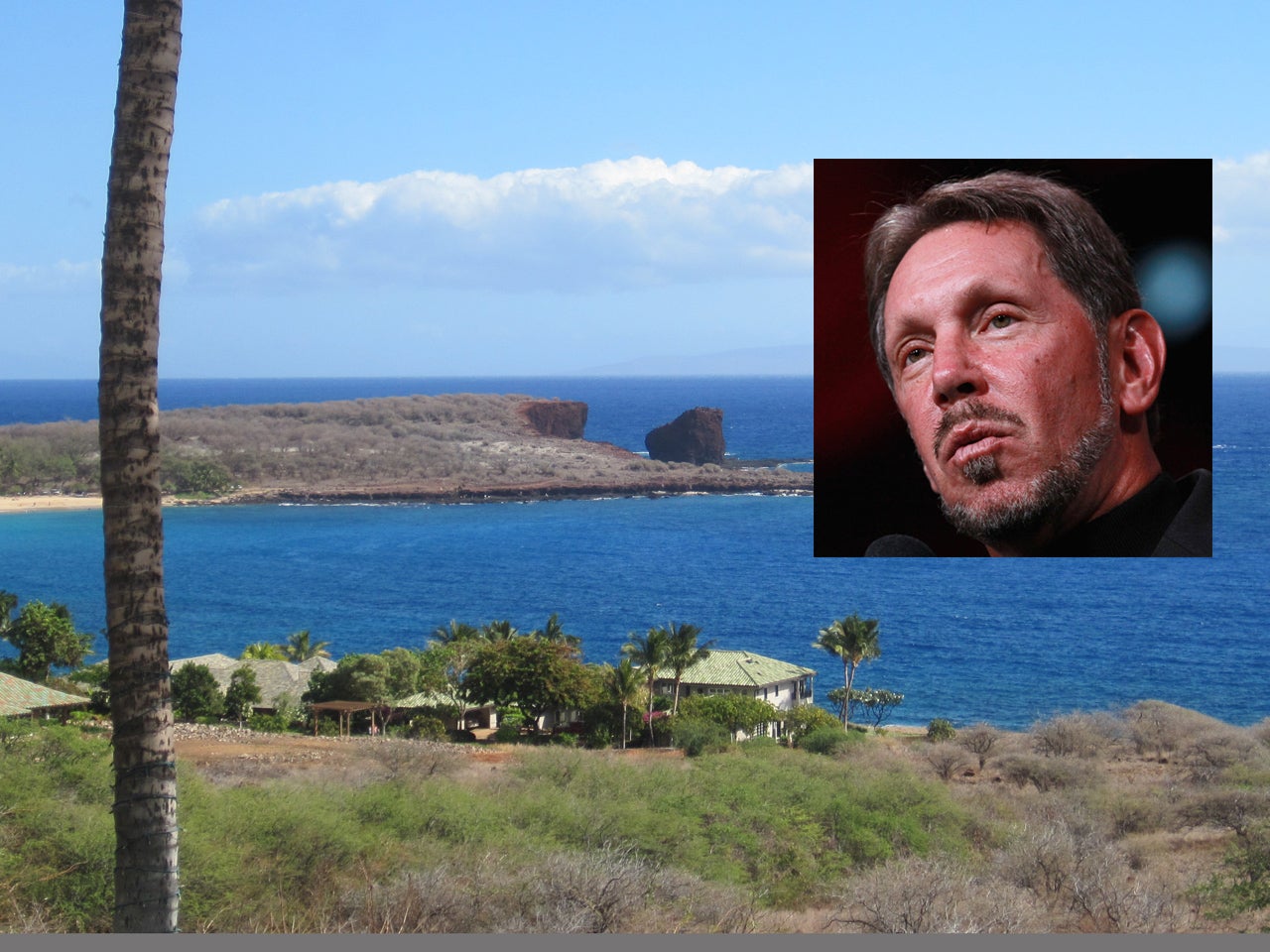
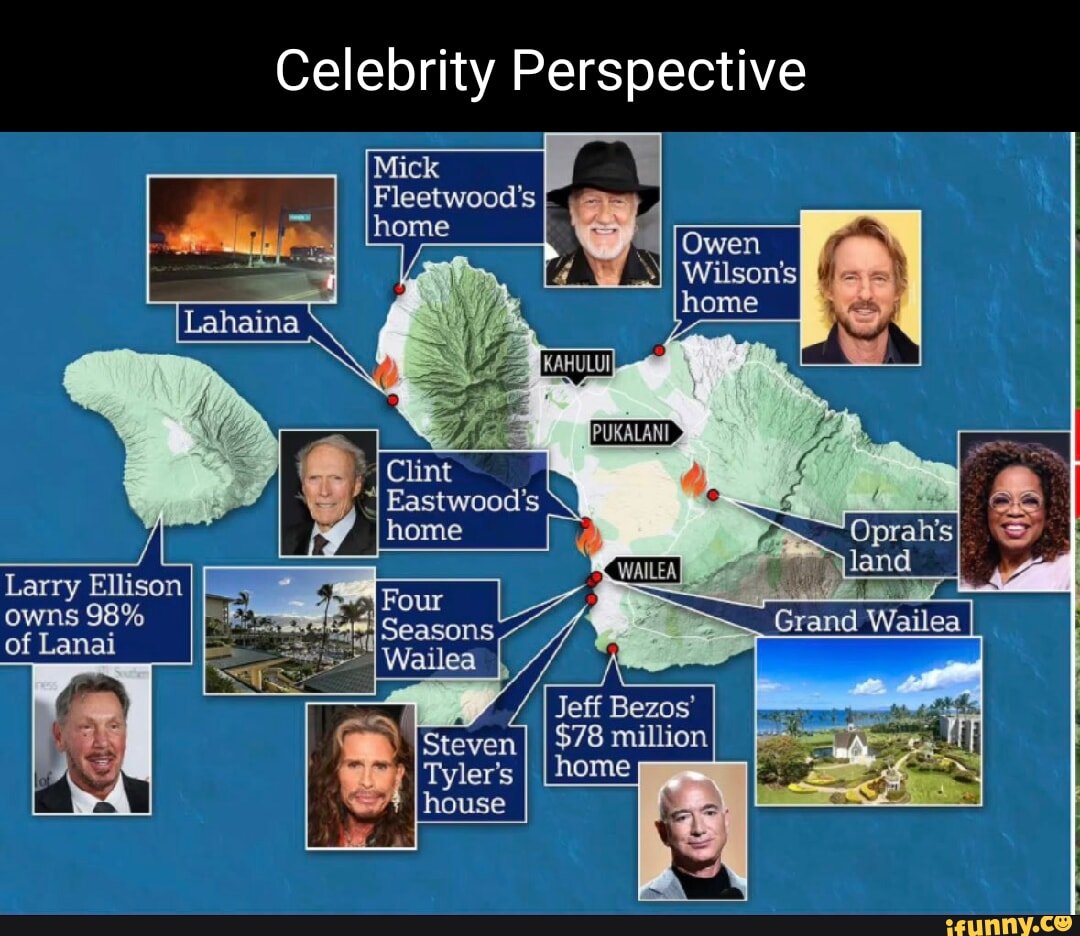
Larry Ellison, the co-founder and former CEO of Oracle Corporation, owns approximately 98% of the Hawaiian island of Lanai. He acquired his stake in 2012 for an estimated $300 million to $500 million. While the state of Hawaii and private homeowners own the remaining 2%, Ellison controls the vast majority of the island's land, infrastructure, and resorts.
The Historic Acquisition of Lanai
The story of Larry Ellison’s ownership of Lanai began in June 2012, marking one of the most significant private real estate transactions in modern history. Ellison purchased the 141-square-mile island from David Murdock, the then-chairman of Castle & Cooke. At the time of the sale, Lanai was a "company island" in every sense; Murdock had owned nearly the entire landmass, including the utilities, the hotels, and even the local grocery stores.
The acquisition was not merely a residential purchase. It was the transfer of an entire ecosystem. Lanai, often referred to as the "Pineapple Island" due to its history as a global center for pineapple production under James Dole, had struggled economically after the decline of the plantation era. By the early 2010s, the island was losing tens of millions of dollars annually. Ellison's entry was viewed by many as a financial lifeline, though it also raised significant questions about the ethics and logistics of one man owning nearly an entire inhabited island.
As of 2026, Ellison’s ownership remains the defining characteristic of Lanai’s economy. His holdings include the two primary Four Seasons resorts, the island’s water utility company, the local newspaper, the cemetery, and approximately 90,000 acres of land. This level of control is unique even among the world’s wealthiest individuals, as it involves the stewardship of a living community of approximately 3,000 residents.
What Does "Owning an Island" Actually Mean?
In the context of Hawaii, "owning" an island is a complex legal reality. Under Hawaiian law, all beaches are public property up to the high-water mark. This means that while Larry Ellison owns the land surrounding the coast, he cannot legally prevent the public from accessing the shorelines. Furthermore, the approximately 2% of the island that Ellison does not own includes Lanai City’s government buildings, state-owned land, and a collection of privately owned homes and businesses that predated the 2012 sale.
Ellison's ownership is managed through Pulama Lanai, his management company. Pulama Lanai acts as the de facto government for much of the island's infrastructure. Because he owns the water utility and many of the commercial buildings, his decisions directly impact the daily lives of the residents. This includes:
- Commercial Real Estate: Most of the storefronts in Lanai City are leased from Ellison’s company.
- Infrastructure: The island’s power grid and water systems are heavily influenced by Ellison’s investments in green energy and desalination.
- Residential Housing: While there are private homes, Ellison owns a significant portion of the rental stock used by resort employees.
This level of ownership creates a paternalistic economic model. Ellison provides the capital for large-scale improvements—such as the multi-million dollar renovation of the community pool and the local cinema—but he also holds the power to dictate the direction of the island's development without the typical hurdles of a fragmented land-ownership landscape.
Larry Ellison’s Vision: Sustainability and Luxury
Since taking ownership, Ellison has articulated a vision for Lanai as a "laboratory" for sustainable living. This vision is grounded in three pillars: renewable energy, sustainable agriculture, and ultra-luxury wellness tourism. By 2026, many of these initiatives have moved from the conceptual stage to fully operational systems.
One of the centerpieces of this vision is Sensei Ag, a data-driven hydroponic farming venture. The goal is to make Lanai self-sufficient regarding food production. Historically, Hawaii imports over 80% of its food, making it vulnerable to supply chain disruptions and high costs. Ellison’s greenhouses use advanced sensors and climate control to grow produce with a fraction of the water required by traditional farming, leveraging Oracle’s cloud technology to optimize yields.
In terms of energy, Ellison has pushed for Lanai to become a 100% renewable island. This involves massive investments in solar arrays and battery storage systems. These projects serve a dual purpose: they reduce the island’s carbon footprint and lower the operational costs of his resorts, which are the island’s primary economic engines.
The Four Seasons Resorts
The luxury component of Ellison's ownership is crystallized in the two Four Seasons properties on the island:
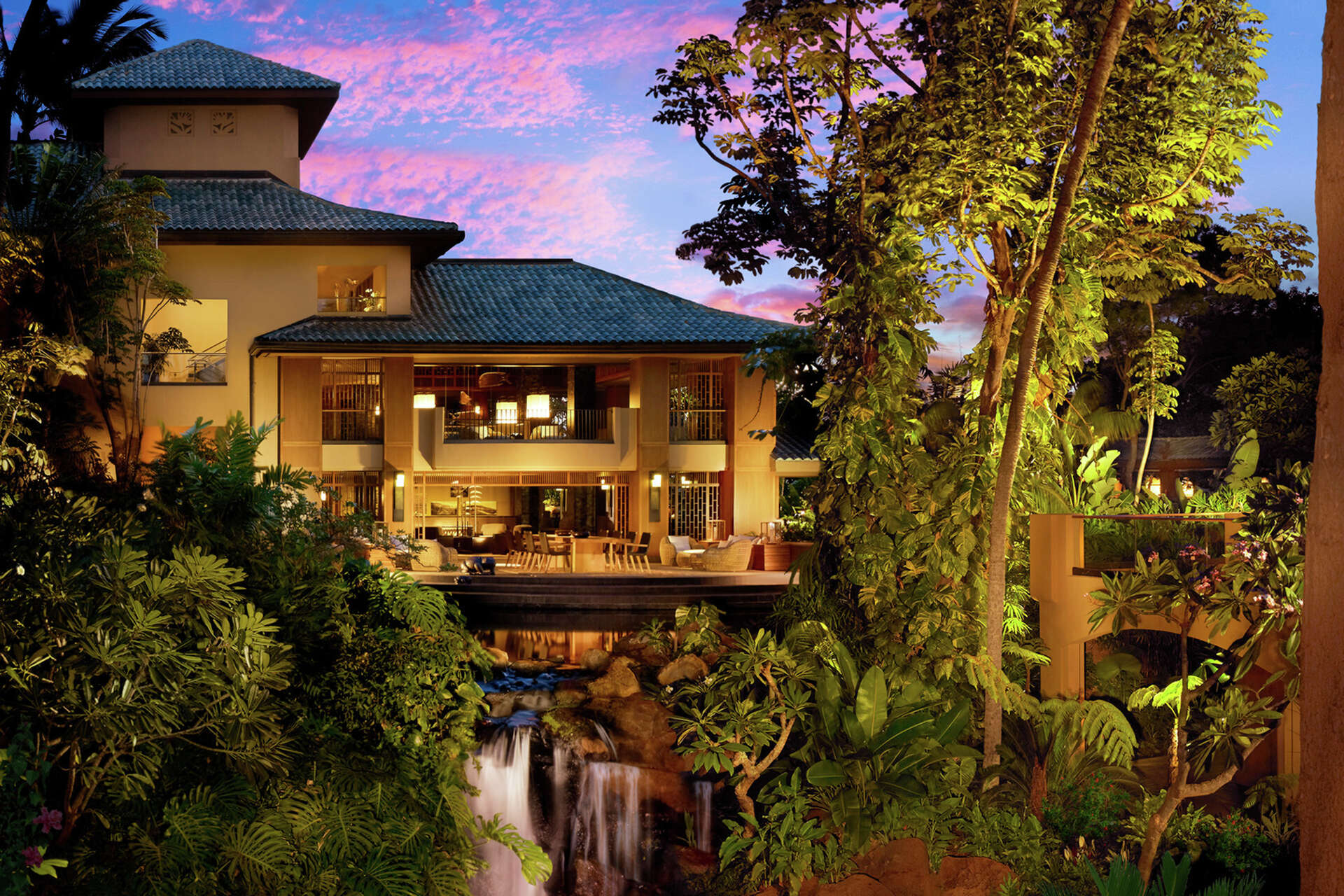
- Four Seasons Resort Lanai: Located at Manele Bay, this resort focuses on a classic beach luxury experience, overlooking a protected marine preserve.
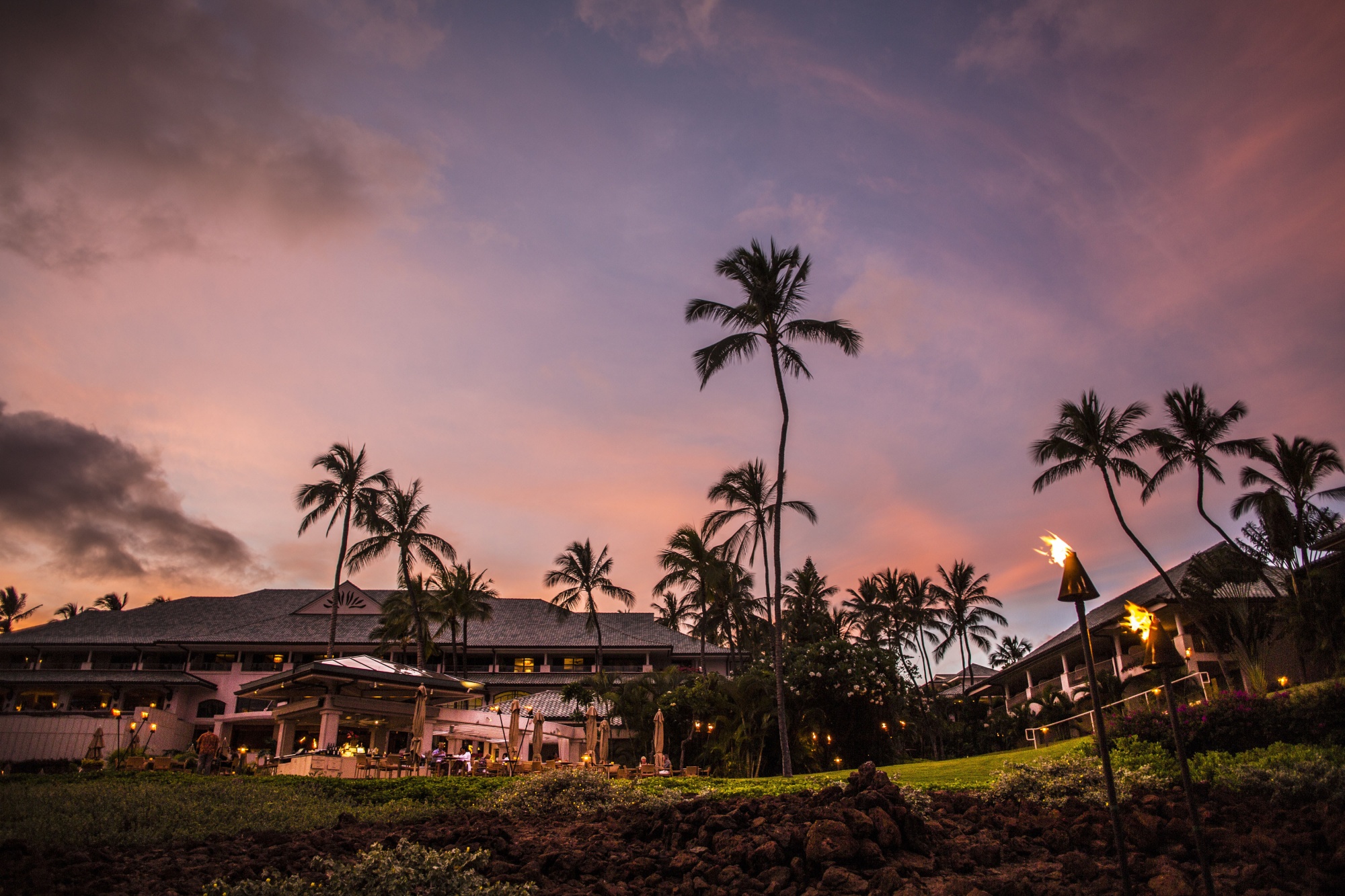
- Sensei Lanai, A Four Seasons Resort: Situated in the cooler highlands of Koele, this property was transformed from a traditional lodge into an ultra-exclusive wellness retreat that integrates the Sensei Ag philosophy into its culinary and spa programs.
Comparing Lanai with Other Privately Owned Islands
To understand the scale of Ellison’s ownership, it is helpful to compare Lanai with other famous privately owned islands. Lanai is distinct because it is an "inhabited" island with a self-sustaining town and public infrastructure, unlike many "private islands" that are essentially single-estate vacation homes.
| Island | Primary Owner | Approximate Size | Primary Use | Access Level |
|---|---|---|---|---|
| Lanai, Hawaii | Larry Ellison (98%) | 90,000 Acres | Luxury Tourism / Sustainable Ag | Open to public via ferry/air |
| Niihau, Hawaii | Robinson Family | 46,000 Acres | Cultural Preservation | Extremely Restricted |
| Necker Island, BVI | Richard Branson | 74 Acres | Private Resort | Guest/Rental only |
| Skorpios, Greece | Rybolovlev Family (Lease) | 200 Acres | Private Estate | Restricted |
| Brecqhou, UK | Barclay Family | 80 Acres | Private Estate | Restricted |
As shown, Lanai is significantly larger and more complex than the typical private island. While Richard Branson’s Necker Island is a boutique getaway, Lanai is a geographic entity that requires the management of schools, police services (via the County of Maui), and public health.
Impact on the Local Community and Economy
The relationship between Larry Ellison and the residents of Lanai is a subject of ongoing sociological and economic study. When Ellison purchased the island, the unemployment rate was high, and the infrastructure was aging. His investment has undeniably modernized the island, providing stable employment for a large segment of the population through the resorts and Pulama Lanai.
However, this "company town" dynamic presents challenges. The cost of living on Lanai remains high, and because Ellison owns so much of the commercial and residential property, residents often feel they have limited autonomy. In recent years, there have been discussions regarding:
- Housing Affordability: As the island pivots toward ultra-luxury tourism, ensuring that long-term residents can afford to stay in their homes is a priority for the local community board.
- Water Rights: In an island ecosystem, water is the most precious resource. Ellison’s investments in desalination have helped, but the allocation of water between luxury golf courses and local agricultural needs remains a point of negotiation.
- Cultural Preservation: Residents are keen to ensure that the "old Hawaii" feel of Lanai City—with its central Dole Park and plantation-style architecture—is not lost to a generic luxury aesthetic.
Ellison has generally been praised for his hands-on approach to philanthropy on the island, including upgrading the local school's athletic facilities and supporting community health programs. Unlike previous owners, he appears to view Lanai as a legacy project rather than a simple real estate investment.
Visiting Lanai: Tourism and Infrastructure
For those wondering "which Hawaiian island does Larry Ellison own" because they wish to visit, it is important to know that Lanai is very much open to the public. Unlike the "Forbidden Isle" of Niihau, Lanai welcomes tourists, though it has moved toward a "high-value, low-volume" tourism model.
How to Get There
Most visitors arrive via the Expeditions Lanai Ferry, which runs several times daily between Lahaina (Maui) and Manele Harbor (Lanai). Alternatively, there are small-plane commercial flights from Honolulu International Airport (HNL) to Lanai Airport (LNY).
What to Do
Even if you are not staying at a $1,000-per-night Four Seasons resort, the island offers unique public experiences:
- Garden of the Gods (Keahiakawelo): A lunar-like landscape of rock towers and spires.
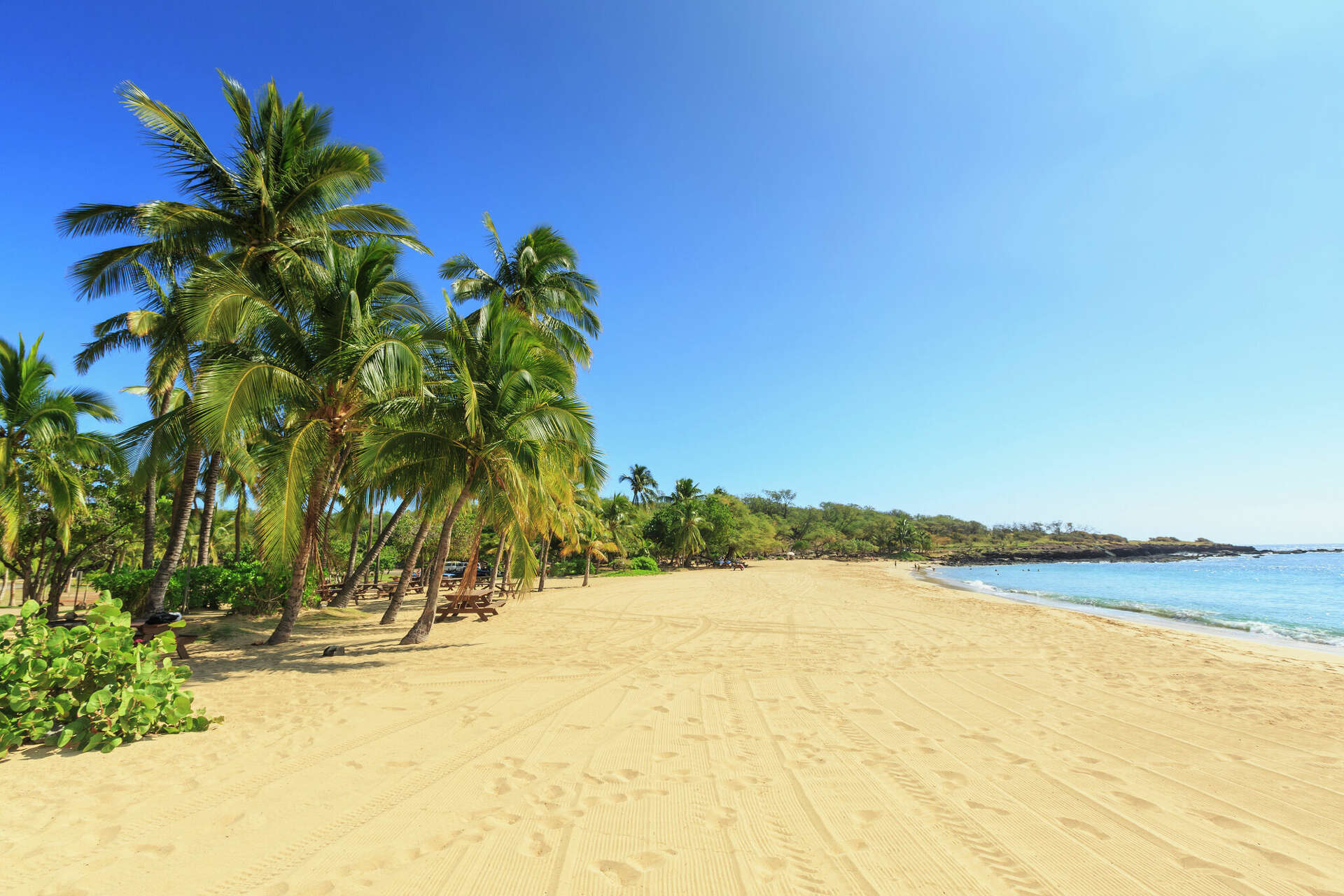
- Hulopoe Bay: A stunning white-sand beach that is a public park, offering some of the best snorkeling in Hawaii.
- Shipwreck Beach (Kaiolohia): A rugged coastline featuring the rusted hull of a WWII-era vessel offshore.
- Lanai City: A charming, walkable town square with local boutiques, galleries, and the Lanai Culture & Heritage Center.
Visitors should be aware that there is only one major town (Lanai City) and very few paved roads outside of the main corridors. Renting a 4WD vehicle is essential for exploring the island’s more remote landmarks.
FAQs About Larry Ellison's Ownership of Lanai
Does Larry Ellison own the whole island of Lanai?
He owns approximately 98% of the land. The remaining 2% is a mix of state-owned land, county land, and small parcels owned by private individuals, many of whom have lived on the island for generations.
Can you live on Lanai if you don't work for Larry Ellison?
Yes, you can live on Lanai as an independent resident, but housing is limited. Some residents own their homes outright, while others work in government, education, or small businesses that lease space from Pulama Lanai.
Why did Larry Ellison buy Lanai?
Ellison has stated that he wanted to create a sustainable "laboratory" to test green initiatives, such as solar power and desalinated water, while also preserving the beauty of the island and operating a profitable luxury tourism business.
Is Lanai closed to the public?
No. Lanai is an open island. You can visit for a day trip or stay in various accommodations, ranging from the high-end Four Seasons to the historic Hotel Lanai and a small number of licensed short-term rentals.
How much did Larry Ellison pay for Lanai?
The exact figure was not disclosed, but multiple reports from 2012 cited the price at approximately $300 million to $500 million. Given the appreciation of Hawaiian real estate and the hundreds of millions in improvements he has made, the value in 2026 is significantly higher.
Next Steps for Travelers and Researchers
If you are planning a visit to Larry Ellison’s island, the first step is to decide on your budget and intent. For a luxury wellness experience, the Sensei Lanai resort is the premier destination. For those looking for a more authentic, rugged Hawaiian experience, booking a room at the Hotel Lanai in the heart of Lanai City allows you to interact more closely with the local community.
For researchers or those interested in the socio-economic impact of private island ownership, monitoring the press releases from Pulama Lanai and the Maui County Council minutes provides the most accurate data on how the island is evolving. Lanai remains a unique case study in how private wealth can be used to engineer an entire community's future—for better or worse.