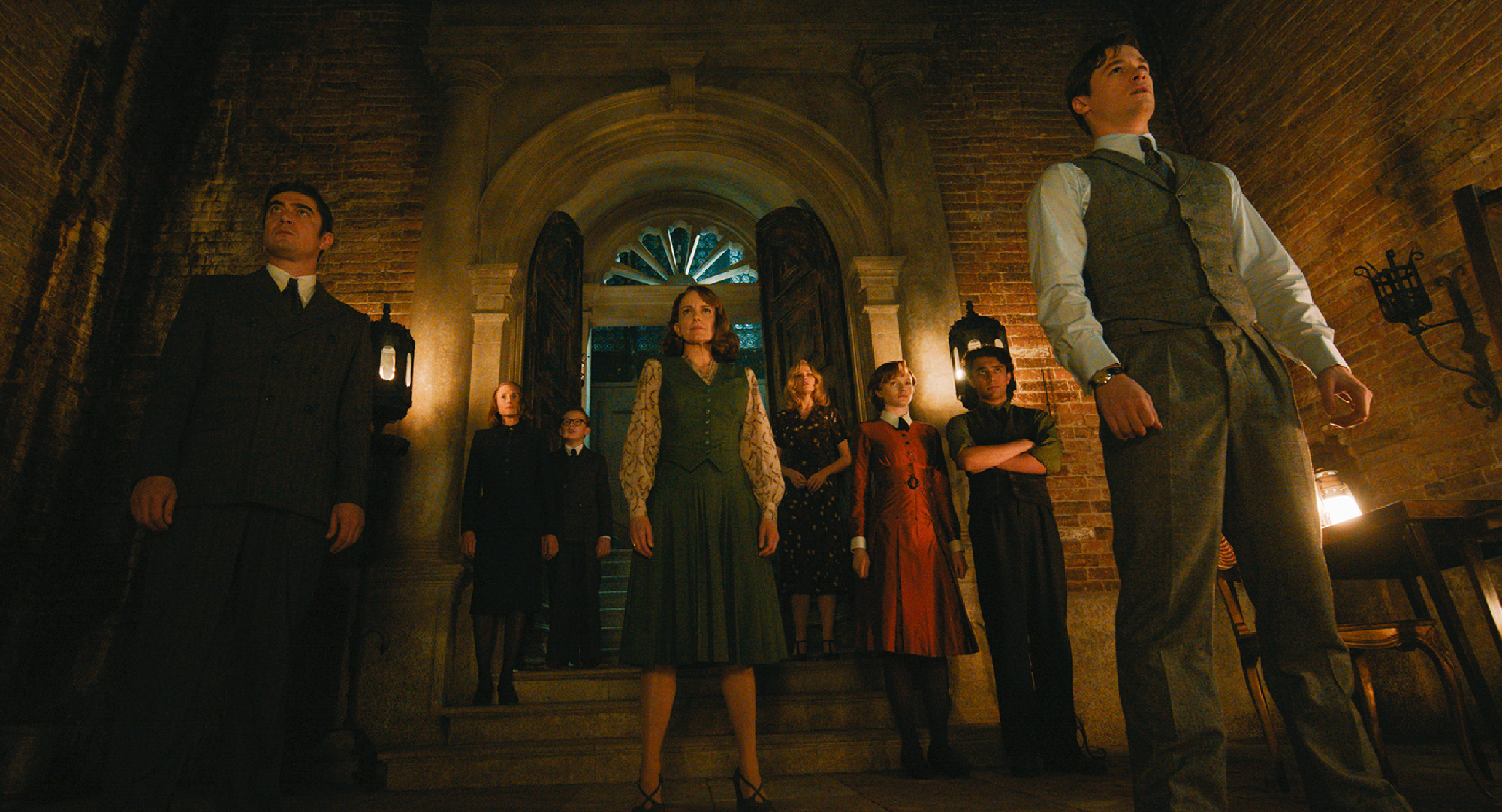
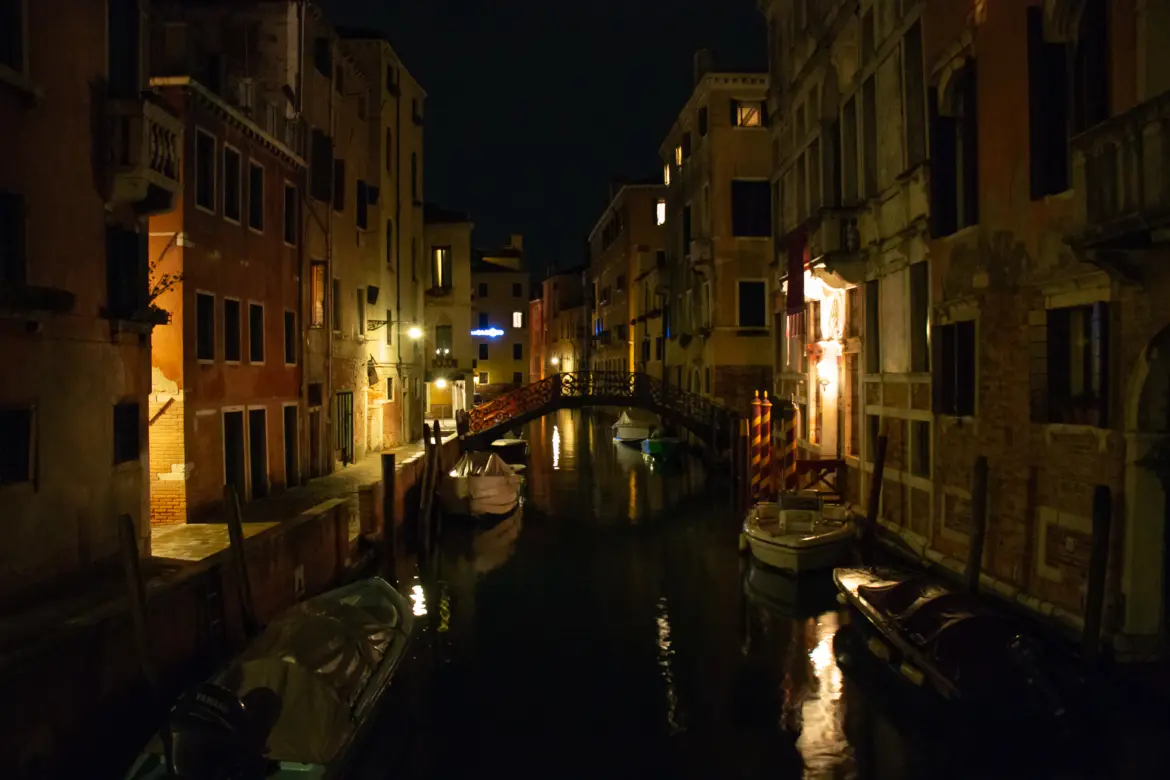
The A Haunting in Venice trailer serves as a masterclass in atmospheric marketing, effectively bridging the gap between Agatha Christie’s classic mystery tropes and the stylistic constraints of supernatural horror. By focusing on the juxtaposition of Venice’s iconic canals and gondolas with the claustrophobic, spectral imagery of a decaying palazzo, the promotional material shifts the focus from a standard detective procedural to a descent into psychological dread. For viewers and fans of the Hercule Poirot franchise, this trailer functions as both a narrative invitation and a tonal shift, signaling a departure from the grand, sunny settings of previous installments toward a more intimate, terrifying investigation.
Understanding the Stylistic Shift in the Franchise
The transition in tone presented by the marketing materials for A Haunting in Venice is deliberate and significant. While previous films in Kenneth Branagh’s Poirot cycle, such as Murder on the Orient Express and Death on the Nile, leaned into sweeping landscapes and high-budget, open-air set pieces, this iteration grounds itself in the decaying opulence of post-World War II Italy. The trailer emphasizes the shadows over the gondolas, utilizing the dark, murky waters of Venice not just as a location, but as an encroaching element of the supernatural mystery.
This stylistic choice is designed to heighten the stakes for Hercule Poirot. By stripping away the expansive travelogue elements, the production places the detective in a confined environment—a haunted séance in a palazzo—where the logic of the modern world is challenged by the persistence of the past. The cinematography, characterized by high-contrast lighting and Dutch angles, creates a visual language of unease. For the audience, the trailer acts as a barometer for this change, promising that the shadows cast by the Venetian architecture are as much a threat to the characters as the human antagonists.
The Role of Atmospheric Imagery in Promotional Trailers
Effective trailer construction relies on the balance between revealing the premise and withholding the resolution. In the case of this film, the "shadows over gondolas" motif serves as the central visual anchor. The imagery of a lone gondolier moving through a fog-laden, nocturnal canal establishes the setting’s vulnerability. By focusing on the architectural decay of the Venetian canals, the trailer taps into a gothic aesthetic that distinguishes this film from its predecessors.
The inclusion of "ghosts" in the promotional narrative—whether literal or manifestations of trauma—is the primary hook. The trailer expertly uses jump scares, discordant musical scores, and close-up reactions to suggest that Poirot is facing an adversary he cannot interrogate or deduce using his usual methods. This creates a specific search intent for viewers: to determine if the film is a departure into the supernatural or a rational mystery hidden beneath a veneer of paranormal activity. The marketing campaign successfully sustains this ambiguity, forcing the audience to wait for the resolution to see if the "shadows" are tangible entities or psychological projections.
Comparative Overview of the Poirot Cinematic Cycle
To understand the significance of this film’s marketing, it is helpful to compare it against the broader context of the 2017–2026 era of Christie adaptations. The shift is not merely aesthetic; it is a fundamental pivot in the genre of the adaptation itself.
| Film Title | Primary Setting | Tonal Focus | Supernatural Elements |
|---|---|---|---|
| Murder on the Orient Express | Luxury Train | Grandeur/Deduction | None |
| Death on the Nile | River Cruise | Tragedy/Romance | None |
| A Haunting in Venice | Decaying Palazzo | Horror/Psychological | Ambiguous/Subjective |
As shown in the table above, the progression moves from the structured, isolated mystery of a train, through the social tension of a Nile cruise, to the claustrophobic, potentially spectral confines of a Venetian estate. The A Haunting in Venice trailer highlights this progression by moving the character of Poirot from a place of supreme confidence to one of profound vulnerability, where his "little grey cells" are tested against environments that defy rational explanation.
Analyzing the Narrative Hook: Why Venice?
The choice of Venice is integral to the mystery’s success. Historically associated with masks, carnivals, and the secrets of the aristocracy, Venice provides a perfect backdrop for a story about hiding truths. The trailer emphasizes this through recurring shots of masks and ornate interiors that look as though they have been frozen in time since the end of the war.
For the viewer, the trailer provides a clear promise: the environment is an active participant in the story. When analyzing the search interest surrounding the "shadows over gondolas," it becomes clear that the audience is reacting to the visual contrast between the romanticized image of Venice and the grim, haunting reality depicted in the trailer. This visual dissonance is the key to the film's marketing, successfully positioning it as a distinct entry in the detective genre that prioritizes mood as heavily as it prioritizes the mystery itself.
The Impact of Sensory Detail in Horror Marketing
The A Haunting in Venice trailer utilizes sensory-heavy editing to pull the viewer into the narrative. The sounds of water lapping against the stone of the canal, the flickering of candles during a séance, and the sharp, sudden cuts between light and darkness are all intentional design choices. By emphasizing the tactile elements of the setting—the damp stone, the velvet curtains, the cold air—the trailer establishes a sense of place that feels dangerously fragile.
This approach is particularly effective for an audience already familiar with the source material, Hallowe'en Party, as it recontextualizes familiar tropes into a setting that feels fresher and more hazardous. The "shadows over gondolas" imagery acts as a recurring visual motif that signals the inevitability of the characters’ descent into chaos. For viewers trying to decide if the film warrants a cinematic viewing, the trailer effectively argues that the scale of the production is meant to be experienced in a format that captures these high-contrast visuals and immersive sound design.
Frequently Asked Questions
Is A Haunting in Venice a true supernatural horror film?
The film is marketed as a blend of a classic Christie mystery and a gothic horror. While the trailers heavily emphasize supernatural imagery, such as ghosts and spirits, the core of the story remains a Hercule Poirot investigation. The tension arises from whether Poirot can maintain his rational worldview when confronted with phenomena that appear to exist outside the bounds of traditional logic.
Does the trailer reveal the identity of the antagonist?
No. Following standard marketing practices for mystery films, the trailer intentionally obfuscates the identity of the perpetrator. It presents a wide array of potential suspects, all of whom have secrets hidden behind the walls of the Venetian palazzo. The "shadows" referenced in the marketing serve as a metaphor for the hidden motives of the ensemble cast rather than a literal monster reveal.
How does the location of Venice affect the mystery?
Venice serves as a confined, isolated stage that prevents characters from escaping the unfolding events. Its historical aesthetic allows the director to lean into atmospheric tension, using the city’s labyrinthine canals and centuries-old architecture to emphasize the feeling of being trapped. The water surrounding the palazzo ensures that the investigation remains localized and high-stakes.
Should I be familiar with Agatha Christie’s Hallowe’en Party to enjoy the film?
While the film is an adaptation of Hallowe'en Party, it functions as a standalone experience. The trailer provides enough context to understand the character of Poirot and the premise of the mystery. Viewers familiar with the novel will note significant changes in setting and tone, while new viewers will find the film accessible through its established premise of a detective facing an impossible crime.
How does this film differ from previous Kenneth Branagh Poirot movies?
This installment is distinct for its focus on atmospheric horror and psychological thriller elements. While previous films focused on the mystery and the grand travel settings, this film narrows the scope significantly, focusing on a single night of intense investigation. The lighting and cinematography are much darker and more intimate, reflecting the change in genre from pure mystery to supernatural-tinged suspense.
Next Steps for Enthusiasts and Potential Viewers
For those interested in exploring the world created in the A Haunting in Venice trailer, the most effective next step is to examine the film’s specific architectural and historical influences. Watching the film in a high-definition format is recommended to fully appreciate the cinematographer’s use of chiaroscuro lighting and the intricate production design of the Venetian interiors. If you are interested in the transition from novel to screen, comparing the source material—Agatha Christie’s Hallowe'en Party—with the film’s adaptation will reveal how the creators translated the traditional English village setting into the atmospheric decay of a Venetian palazzo. For those seeking further information on the film’s production, reviewing official behind-the-scenes interviews or technical documentation regarding the film’s 2026 exhibition standards can provide deeper insight into how the "shadows over gondolas" aesthetic was achieved on set.