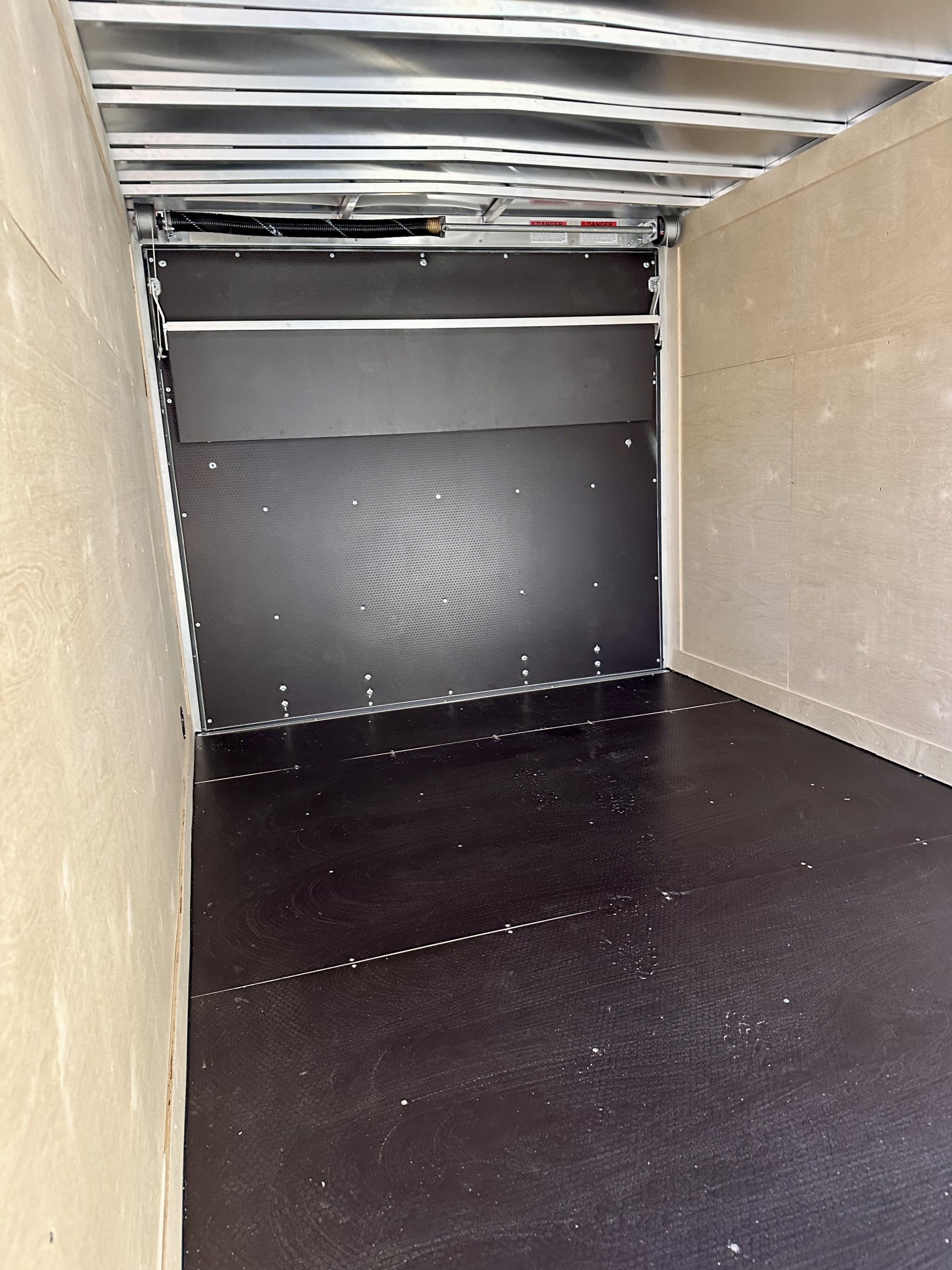
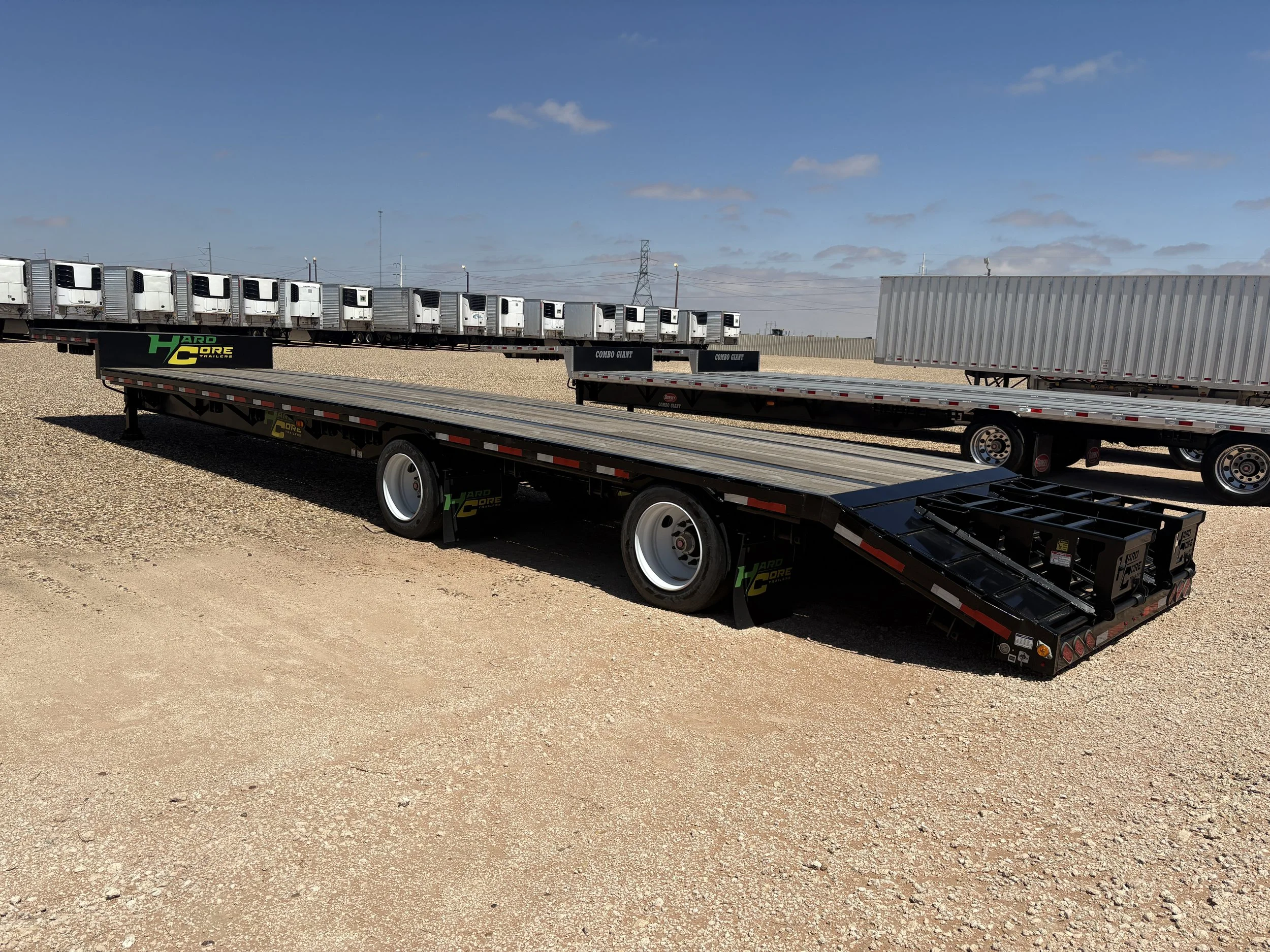
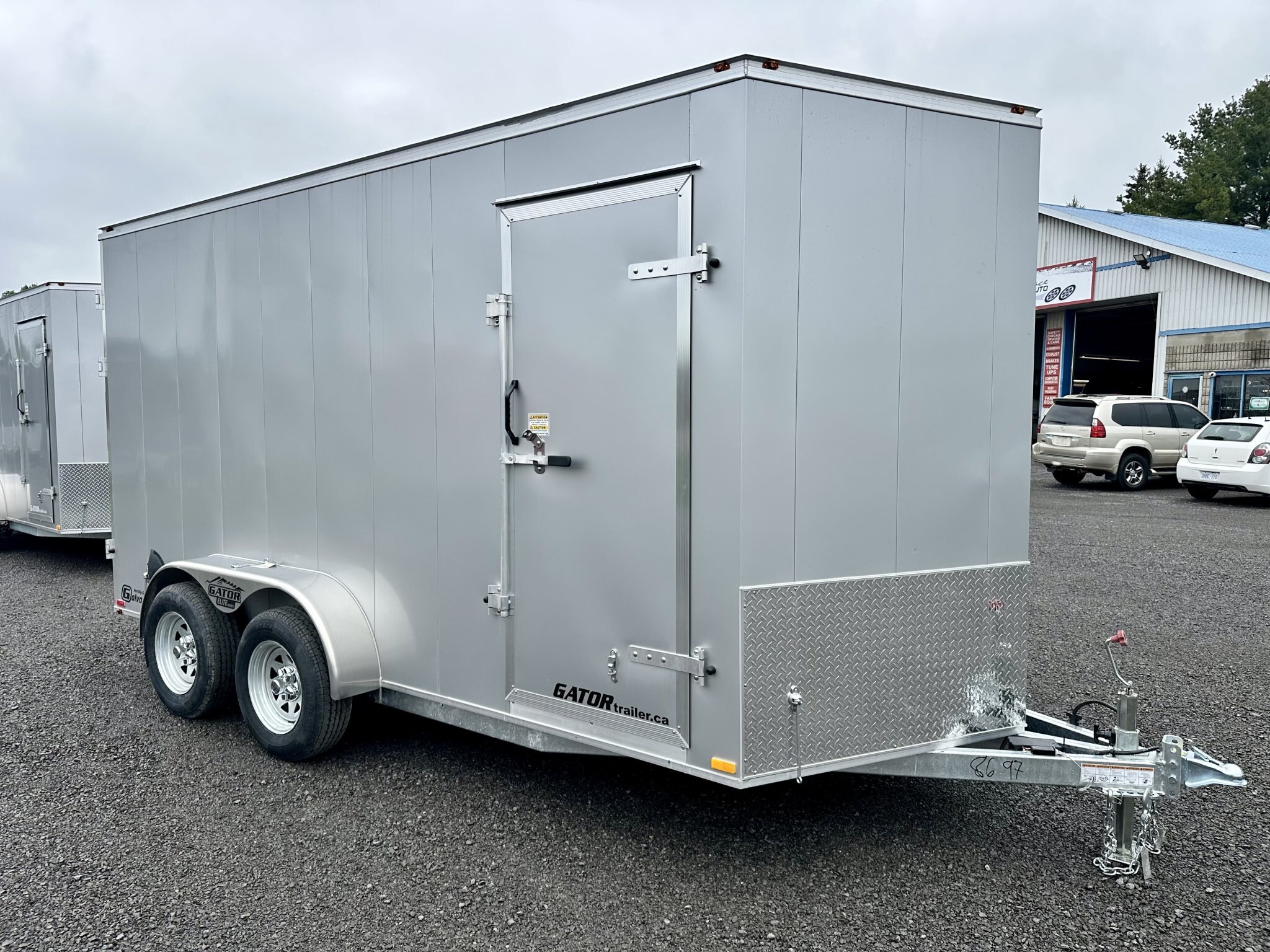
"A Hard Place" typically refers to specialized, heavy-duty utility trailers designed for industrial, agricultural, or extreme-off-road applications, often built to withstand environments where standard equipment fails. Navigating the selection process requires an understanding of structural integrity, load ratings, braking systems, and the specific terrain requirements that define a "hard place" operation.
Defining the Scope of Heavy-Duty Trailer Utility
When professionals discuss trailers in the context of "a hard place," they are usually describing equipment engineered for high-stress environments. Unlike light-duty recreational trailers, these units must endure significant torsional force, uneven ground, and continuous exposure to harsh elements. The distinction lies in the chassis fabrication—often using high-tensile steel—and the suspension systems designed to isolate the load from erratic ground inputs.
For operators in mining, forestry, or rugged construction, the trailer is not merely a transport vehicle; it is an extension of the asset protection strategy. A failure in a remote location—a "hard place" by definition—results in compounding costs involving recovery, downtime, and potential structural damage to the hauled equipment. Understanding these nuances is the first step in ensuring your fleet is properly equipped for non-standard operating environments.
Core Technical Specifications and Build Quality
The structural backbone of a trailer intended for extreme environments is the primary indicator of its reliability. When evaluating these trailers, focus on the following technical pillars:
- Chassis Construction: Look for I-beam or box-tube construction made from high-strength, low-alloy (HSLA) steel. The welding process is equally critical; automated robotic welding offers superior consistency, but hand-welded reinforcement gussets at high-stress points are often indicators of a manufacturer prioritizing longevity over mass production.
- Suspension Geometry: Torsion axles are frequently preferred for off-road use due to their independent action and lack of wearable shackle components. However, for heavy-haul applications, multi-leaf slipper spring suspensions provide higher weight capacity and easier field repairability when specialized parts are unavailable.
- Load Distribution: A well-designed trailer ensures that the Center of Gravity (CoG) remains low. For trailers designed for "hard places," the design must account for dynamic shifting of the load during articulation or when navigating inclines that exceed standard highway gradients.
Assessing Operational Requirements and Eligibility
Before committing to a high-capacity trailer, you must verify that your towing vehicle and site conditions are compatible. The "hard place" is often defined by the interaction between the trailer's footprint and the ground pressure of the operating terrain.
Regulatory and Weight Considerations
Verify the Gross Vehicle Weight Rating (GVWR) against your local jurisdiction’s regulations. Exceeding these limits in a remote area can lead to legal complications if an incident occurs. Ensure that your towing vehicle is equipped with an integrated brake controller capable of handling the trailer’s specific braking system—whether hydraulic surge, electric, or air-over-hydraulic.
Environment-Specific Enhancements
Depending on the specific "hard place" (e.g., deep mud, rock-laden slopes, or arid high-temperature environments), you may need specific add-ons:
- Tire Specification: Standard highway tires are insufficient. Evaluate heavy-ply, deep-tread tires with specialized rubber compounds designed to resist punctures from shale or volcanic rock.
- Lighting and Wiring: In high-vibration environments, standard wiring harnesses often fail at the connection points. Look for sealed, military-grade connectors and LED lighting fixtures that are recessed to prevent impact damage.
Comparative Overview of Trailer Types for Rugged Terrain
Choosing the right configuration depends on the nature of the cargo and the terrain profile. The following table highlights common configurations used in challenging environments.
| Trailer Type | Best Use Case | Suspension Advantage | Maneuverability |
|---|---|---|---|
| Gooseneck | Heavy equipment, forestry | High stability in turns | Moderate; high tail swing |
| Tag-Along (Pintle) | Quick deployment, short hauls | High ground clearance | High; easy to detach |
| Lowboy | Tall machinery, mining | Lowest CoG | Low; limited by trailer length |
| Deckover | Bulk materials, palletized cargo | High load capacity | Moderate; susceptible to tipping |
Maintenance and Troubleshooting in Remote Locations
The most robust equipment is useless without a proactive maintenance schedule. Because these trailers are used in "hard places," they operate far from service centers, necessitating self-sufficiency.
Establishing a Pre-Departure Checklist
- Fastener Audit: High-vibration environments cause bolts to back out. Conduct a "torque audit" of all structural bolts before and after deployment.
- Bearing and Seal Inspection: Water ingress is the primary cause of hub failure. If the trailer has been submerged in water or mud, check for milky grease, which indicates seal compromise.
- Brake Calibration: Ensure the brake bias is set for the current load. In steep, downhill terrain, improper braking causes the trailer to push the tow vehicle, potentially leading to a jackknife.
Field Troubleshooting
If a failure occurs, the primary goal is containment. Carry a "field kit" consisting of heavy-duty ratchet straps, a portable hydraulic jack (rated for the trailer's capacity), and spare tire assemblies rather than just loose tires. If the trailer experiences structural cracking, temporary bracing—such as heavy-gauge steel plating or chain-binding—should be applied only to reach a safe, level area for professional repair. Never attempt to continue heavy-haul operations with compromised structural integrity.
Frequently Asked Questions
What constitutes the difference between a standard trailer and an extreme-duty model?
Extreme-duty models utilize higher grade steel (often 50k or 80k psi yield strength), thicker flooring, and reinforced cross-member spacing. While a standard trailer might use 16-inch center cross-members, an extreme-duty model often uses 12-inch or 8-inch centers to handle concentrated point loads common in industrial equipment.
How do I determine if my towing vehicle can handle a heavy-duty trailer in rough terrain?
Your tow vehicle’s towing capacity is the absolute maximum under ideal conditions. When operating in a "hard place," reduce that capacity by 20–30% to account for the increased drag of uneven terrain and the safety margin required for emergency braking on unstable surfaces.
Are there specific legal requirements for towing off-road industrial trailers?
Yes. Depending on the region, trailers exceeding certain weight thresholds require commercial licensing, specialized braking systems (such as air brakes), and reflective markings. Always consult the local department of transportation or motor vehicle authority before operating oversized or overweight equipment on public access roads leading to your work site.
Can I upgrade a standard trailer to handle "hard place" conditions?
Retrofitting is rarely cost-effective. While you can upgrade tires and lighting, the structural limitations of a standard frame—its beam strength and axle capacity—cannot be reliably increased. It is almost always safer and more economical to select a trailer engineered for the specific load and environment from the point of purchase.
How often should structural welds be inspected on trailers used in rough environments?
For trailers subjected to heavy duty cycles, a visual inspection of all primary load-bearing welds should be conducted every 500 miles or every 30 days of active service. Look for hairline cracks in the paint, which often indicate underlying fatigue in the weld or the surrounding Heat Affected Zone (HAZ).
Professional Recommendations for Deployment
When moving heavy equipment into a challenging environment, prioritize the Load-to-Chassis Ratio. Never purchase a trailer that is "exactly" rated for your maximum anticipated load. A 20-30% buffer in capacity ensures that the trailer is operating within its elastic range, significantly extending the lifespan of the steel and the suspension. If your operational requirements involve high-frequency site moves, invest in a dedicated, professionally maintained unit rather than attempting to adapt a general-purpose trailer to high-stress, off-highway conditions. Always document your maintenance history; it is your best defense in the event of an insurance claim or warranty dispute regarding structural failure.