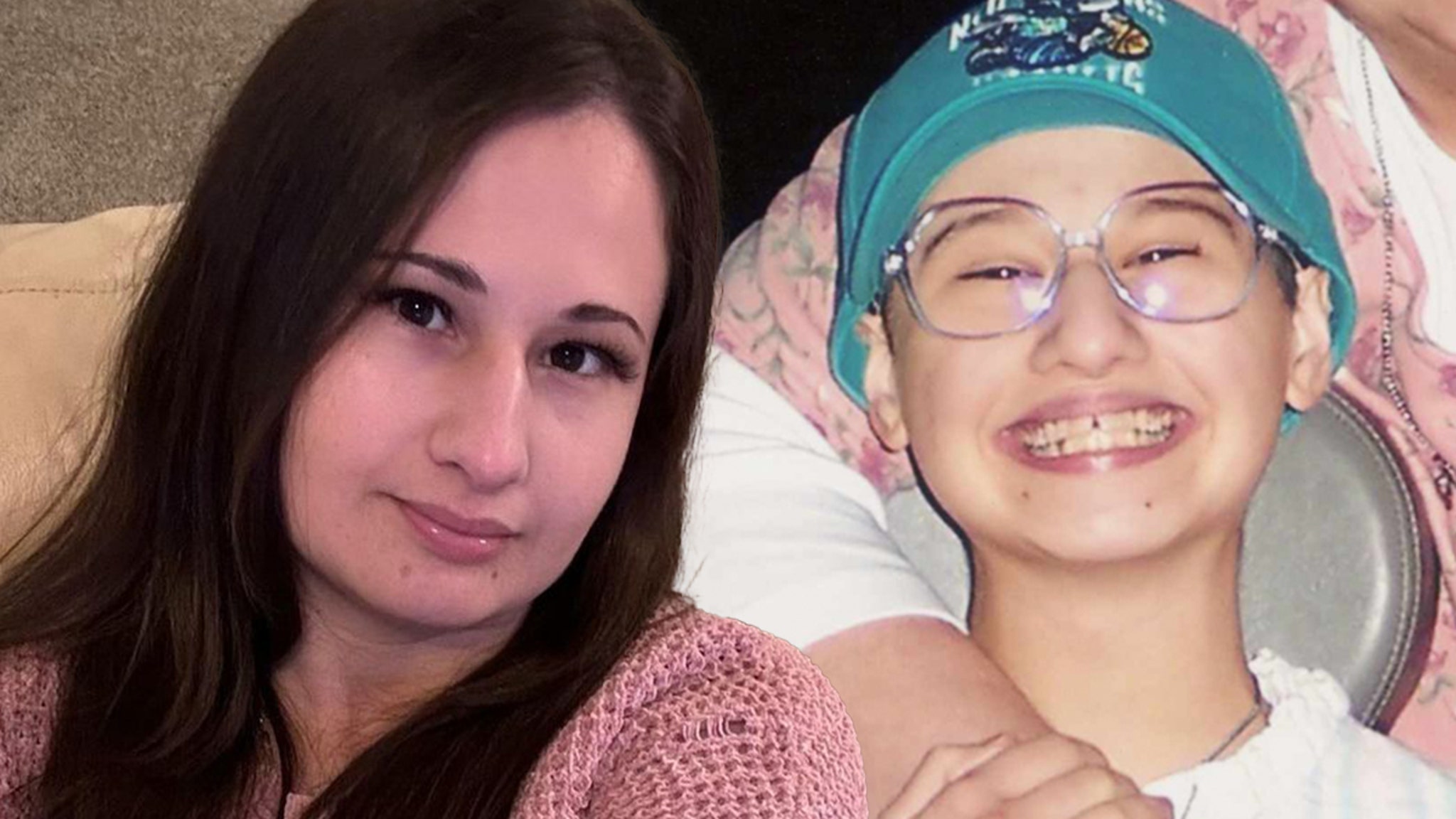
Gypsy Rose Blanchard’s childhood was characterized by severe medical child abuse, known as Factitious Disorder Imposed on Another (FDIA). Her mother, Clauddine "Dee Dee" Blanchard, subjected her to years of unnecessary medical treatments, surgeries, and isolation by fabricating multiple chronic illnesses, a deception that remained largely undetected until Dee Dee’s murder in June 2015.
Birth and the Early Years of Factitious Disorder (1991–2000)
Gypsy Rose Blanchard was born on July 27, 1991, in Golden Meadow, Louisiana, to Clauddine "Dee Dee" Blanchard and Rod Blanchard. While the pregnancy was reportedly normal, the deception regarding Gypsy’s health began almost immediately after her birth. By the time Gypsy was just three months old, Dee Dee began claiming the infant suffered from sleep apnea and other breathing issues. Despite medical tests often returning normal results, Dee Dee’s persistence led to a cycle of specialist visits and minor interventions.
By the time Gypsy was a toddler, the list of alleged ailments grew to include chromosomal defects, muscular dystrophy, and epilepsy. Dee Dee claimed Gypsy required a wheelchair because her legs were paralyzed due to these conditions. To maintain the ruse, Dee Dee often used topical numbing agents on Gypsy’s gums to induce drooling, simulating the appearance of neurological impairment or the side effects of severe seizures.
During these formative years, the family lived in Louisiana, where Dee Dee’s behavior was initially viewed as that of a devoted, albeit overwhelmed, mother. Rod Blanchard, who had separated from Dee Dee shortly before Gypsy’s birth, remained involved financially but was frequently kept at a distance by Dee Dee’s claims that Gypsy’s health was too fragile for extended visits. This period established the foundational pattern of the abuse: the systematic isolation of the victim from any external observer who might provide a reality check.
The Escalation of Medical Interventions and Surgeries
As Gypsy grew, the "medical requirements" imposed by her mother became increasingly invasive. One of the most significant aspects of the abuse was the installation of a feeding tube (G-tube). Dee Dee claimed that Gypsy could not swallow properly and was at risk of malnutrition. Consequently, Gypsy was forced to receive much of her nutrition through a tube for years, despite being physically capable of eating and drinking.
The medical abuse extended to unnecessary surgeries and treatments, including:
- Salivary Gland Removal: Dee Dee convinced doctors to remove Gypsy’s salivary glands because she claimed Gypsy drooled excessively.
- Eye Surgeries: Gypsy underwent multiple surgeries to "correct" vision problems that were largely fabricated.
- Ear Tubes: Frequent placements of ear tubes were performed to address alleged chronic infections.
- Dental Issues: Gypsy’s teeth began to decay and eventually fell out or were extracted. While Dee Dee blamed this on her "conditions," it was later attributed to a combination of malnutrition, the side effects of unnecessary medications (such as anti-seizure drugs), and poor oral hygiene resulting from the salivary gland removals.
Dee Dee was able to navigate the medical system by "doctor shopping"—moving from one physician to another when a doctor became suspicious or requested past medical records. She often claimed that Gypsy’s records were lost in floods or during the chaos of Hurricane Katrina. This lack of a centralized medical history allowed the deception to persist for over two decades.
The Impact of Hurricane Katrina and the Move to Missouri
In 2005, Hurricane Katrina devastated the Gulf Coast, providing Dee Dee with the perfect cover to further her deception. The Blanchards’ home in Slidell, Louisiana, was destroyed, and they eventually relocated to Aurora, Missouri. In 2008, Habitat for Humanity built a specialized house for the "terminally ill" Gypsy and her mother, complete with a wheelchair ramp and a hot tub intended for physical therapy.
The move to Missouri represented a total reset for Dee Dee’s narrative. In this new community, she was hailed as a hero. Local charities, including the Make-A-Wish Foundation, provided the pair with free trips to Walt Disney World and backstage passes to concerts. The Springfield community rallied around them, providing financial support and emotional sympathy.
During this time, Gypsy was homeschooled—or rather, her education was entirely halted. Dee Dee claimed Gypsy had the mental capacity of a much younger child due to brain damage from her "premature birth" (which was also a lie). This lack of education and social interaction served as a powerful tool of control, ensuring Gypsy remained dependent on her mother for information about the world and her own body.
Life Under Dee Dee Blanchard: Isolation and Control
The psychological aspect of Gypsy’s childhood was just as damaging as the physical abuse. Dee Dee maintained a strict "hand-over-hand" policy. Whenever they were in public or speaking with doctors, Dee Dee would hold Gypsy’s hand; if Gypsy said something that contradicted the narrative, Dee Dee would squeeze her hand as a signal to stop.
Physical discipline was also a factor. When Gypsy attempted to assert independence or questioned her diagnoses, Dee Dee allegedly used physical restraints, such as tying Gypsy to her bed, or physical violence to ensure compliance. Gypsy was also forced to wear wigs or hats to cover her head, which Dee Dee kept shaved to make her look like a leukemia patient.
As Gypsy entered her late teens and early twenties, the control became harder to maintain. Gypsy began to realize she could walk without a wheelchair and that she didn't need the feeding tube. She started accessing the internet at night while her mother slept, which eventually led her to meet Nicholas Godejohn on a Christian dating site in 2012. This digital connection was her only window into a world where she wasn't a "sick girl," and it became the catalyst for the events that would end her childhood of captivity.
A Chronological Timeline of the Blanchard Case (1991–2015)
The following timeline outlines the major milestones of Gypsy Rose Blanchard’s life, from her birth to the discovery of the truth.
| Year | Event/Milestone | Description |
|---|---|---|
| 1991 | Birth of Gypsy Rose | Born July 27 in Louisiana; health claims begin within months. |
| 1992-1996 | Early Infancy Claims | Dee Dee claims sleep apnea, chromosomal disorders, and failure to thrive. |
| 1997-2004 | Medical Escalation | Introduction of the wheelchair; first series of unnecessary surgeries in Louisiana. |
| 2005 | Hurricane Katrina | The Blanchards move to Missouri after their Louisiana home is destroyed. |
| 2008 | Habitat for Humanity House | A new home is built for them in Greene County, Missouri, based on Gypsy's "illnesses." |
| 2009 | First Major Suspicion | A local doctor, Dr. Bernardo Flasterstein, suspects MSBP but does not report it to authorities. |
| 2010 | Escape Attempt | Gypsy tries to run away with a man she met at a sci-fi convention; Dee Dee finds and retrieves her. |
| 2012 | Meets Nicholas Godejohn | Gypsy and Godejohn begin an online relationship, largely hidden from Dee Dee. |
| 2015 (June) | The Murder of Dee Dee | Godejohn kills Dee Dee at Gypsy's request; the two flee to Wisconsin. |
| 2015 (June) | Discovery and Arrest | Authorities find Dee Dee's body and track Gypsy to Big Bend, Wisconsin. |
Comparing Claimed Illnesses vs. Medical Reality
To understand the depth of the deception, it is necessary to compare the conditions Dee Dee claimed Gypsy had against the actual medical findings that emerged after the 2015 investigation.
| Condition Claimed by Dee Dee | Medical Reality/Post-2015 Evidence |
|---|---|
| Leukemia | Gypsy never had cancer. Her head was shaved manually by Dee Dee. |
| Muscular Dystrophy | Gypsy had normal muscle tone and was fully capable of walking. |
| Paraplegia | There was no spinal or neurological damage preventing Gypsy from standing. |
| Severe Asthma | No clinical evidence of chronic respiratory distress was found. |
| Epilepsy | Gypsy did not suffer from seizures; "seizures" were often simulated or drug-induced. |
| Mental Impairment | Gypsy was of normal intelligence but lacked formal schooling. |
| Feeding Tube Dependency | Gypsy could eat and digest food normally; the tube was unnecessary. |
Discovery, Justice, and Post-Release Reflection in 2026
The facade finally collapsed on June 14, 2015, when a series of disturbing posts appeared on Dee Dee Blanchard's Facebook page. When police entered the home, they found Dee Dee deceased. Initially, the community feared Gypsy—still believed to be a paralyzed, terminally ill girl—had been kidnapped. However, the discovery of Gypsy in Wisconsin, walking and healthy, shifted the narrative from a kidnapping to a complex case of long-term abuse and homicide.
Gypsy Rose Blanchard pleaded guilty to second-degree murder and was sentenced to 10 years in prison. She served 85% of her sentence and was released in December 2023. Nicholas Godejohn was convicted of first-degree murder and sentenced to life in prison.
As of 2026, Gypsy’s story remains a landmark case in the study of Factitious Disorder Imposed on Another. Her childhood is frequently cited by medical professionals and legal experts as a failure of the "safety net" designed to protect children. The case has prompted discussions on medical record centralization and the training of pediatricians to recognize the subtle signs of medical child abuse. Today, Gypsy has moved into a new phase of life, focusing on advocacy and sharing her journey to help other victims of domestic and medical abuse recognize that they are not alone.
FAQ
What is Factitious Disorder Imposed on Another (FDIA)?
Factitious Disorder Imposed on Another, formerly known as Munchausen syndrome by proxy, is a mental health disorder where a caregiver (usually a mother) creates or fakes symptoms of illness in someone under their care. The goal is typically to gain attention, sympathy, or control rather than for financial gain. In Gypsy's case, Dee Dee received both emotional validation and significant charitable benefits.
Did any doctors ever suspect the abuse before 2015?
Yes, at least one doctor, pediatric neurologist Bernardo Flasterstein, noted in 2009 that Gypsy’s physical exams did not match her mother's descriptions of her symptoms. He suspected Munchausen syndrome by proxy. However, he did not file a formal report with social services, later stating that there wasn't enough definitive proof at the time to overcome Dee Dee's convincing narrative.
How did Gypsy's teeth fall out?
Gypsy's dental decay was a result of several factors related to the abuse. The unnecessary removal of her salivary glands led to a chronically dry mouth, which accelerates tooth decay. Additionally, the medications she was forced to take—including Tegretol (an anti-seizure medication)—are known to have side effects that damage tooth enamel and oral health.
Why didn't Gypsy's father intervene earlier?
Rod Blanchard has stated in interviews that Dee Dee intentionally misled him about the severity of Gypsy's health. Whenever he tried to visit or get closer, Dee Dee would create hurdles, claiming Gypsy was in the hospital or too tired for visitors. He was also led to believe that Gypsy’s "mental age" was much lower than her actual age, which made him less likely to question the dynamic.
Identifying Signs of Medical Child Abuse
For those concerned about potential cases of medical child abuse, it is vital to look for specific "red flags" that often mirror the Blanchard case. These include:
- Discrepant Results: A child’s symptoms only occur when the caregiver is present or are inconsistent with laboratory results.
- Frequent Doctor-Shopping: Caregivers who change providers whenever a doctor questions a diagnosis or requests comprehensive records.
- Extensive Medical Knowledge: A caregiver who uses highly technical medical jargon and seems unusually "at home" in a hospital setting.
- Caregiver Resistance to Health: The caregiver appears disappointed or angry when a child is found to be healthy or when tests return negative.
- Child's Behavior: The child may be unusually passive or, conversely, may show signs of anxiety and distress when discussed in a medical context.
If you suspect a child is a victim of medical abuse, the most effective next action is to contact local Child Protective Services (CPS) or law enforcement and request a multidisciplinary review of the child's complete medical history.