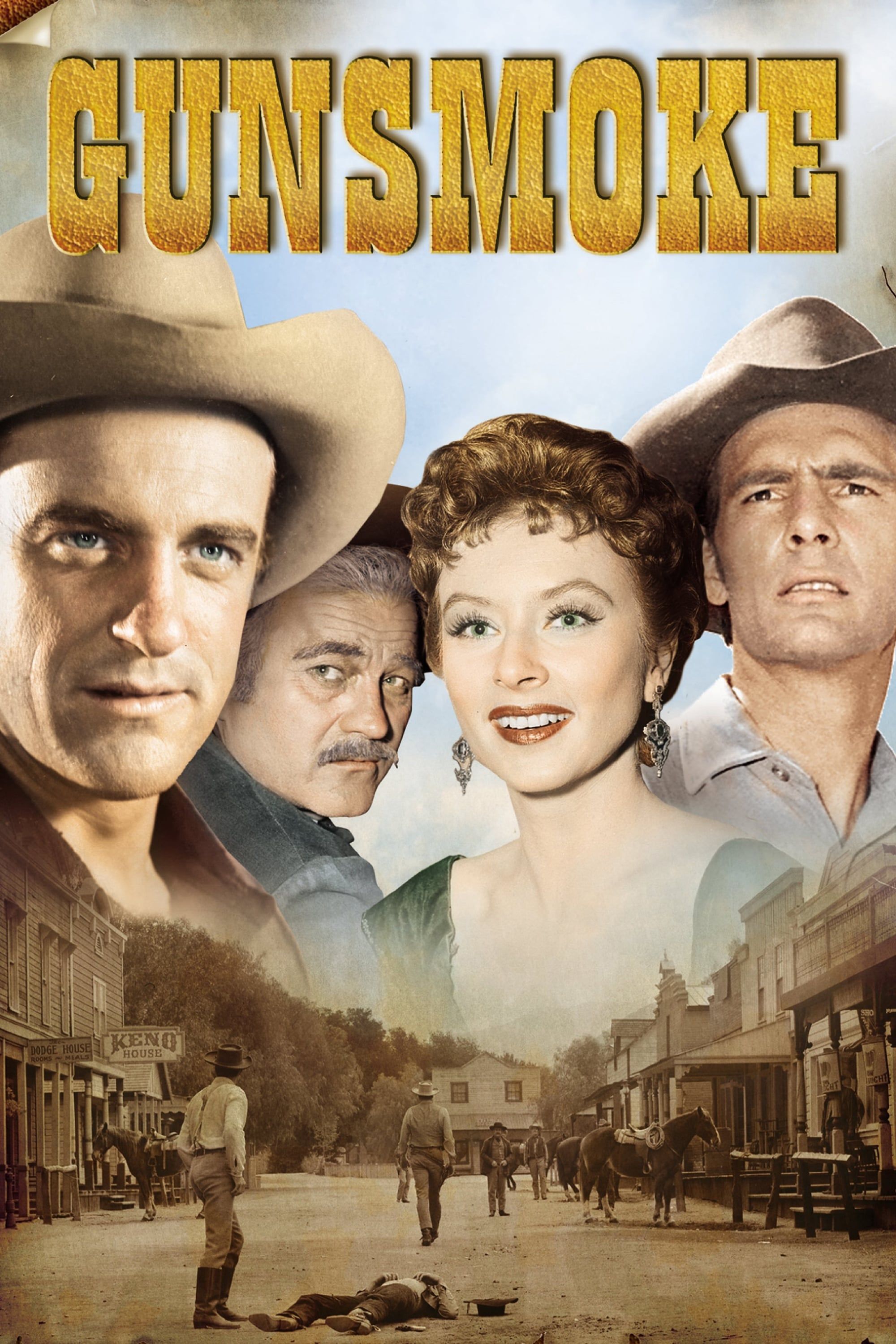
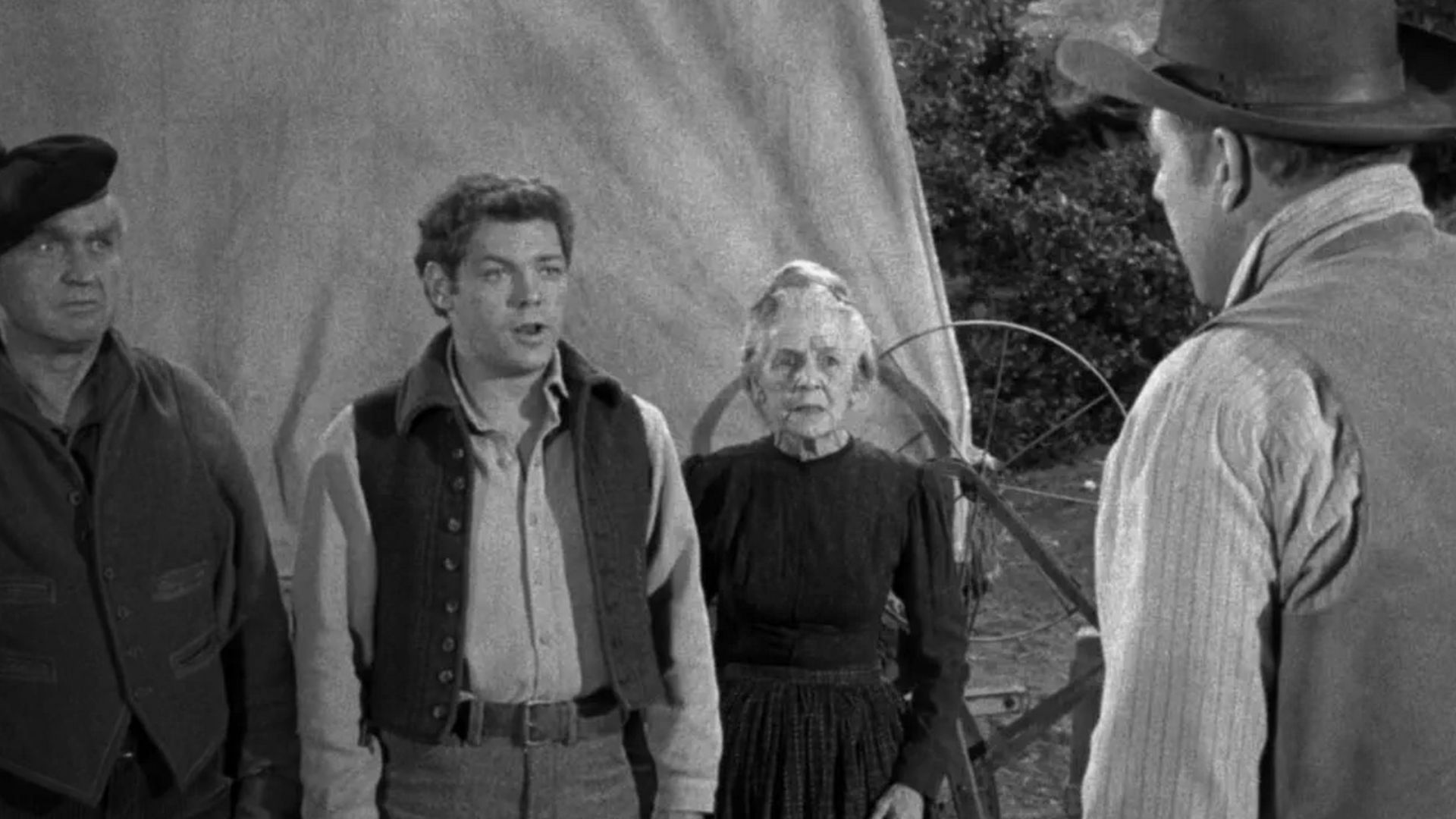
Gunsmoke remains one of the most significant pillars in the history of American television, serving as a masterclass in character-driven storytelling within the Western genre. As we look back from 2026, the legacy of the series—which ran for an unprecedented twenty years from 1955 to 1975—continues to influence modern episodic drama. This analysis provides an exhaustive breakdown of the primary cast members who defined the series, their professional trajectories, and the cultural impact of their portrayals.
The Pillars of Dodge City: Primary Cast Analysis
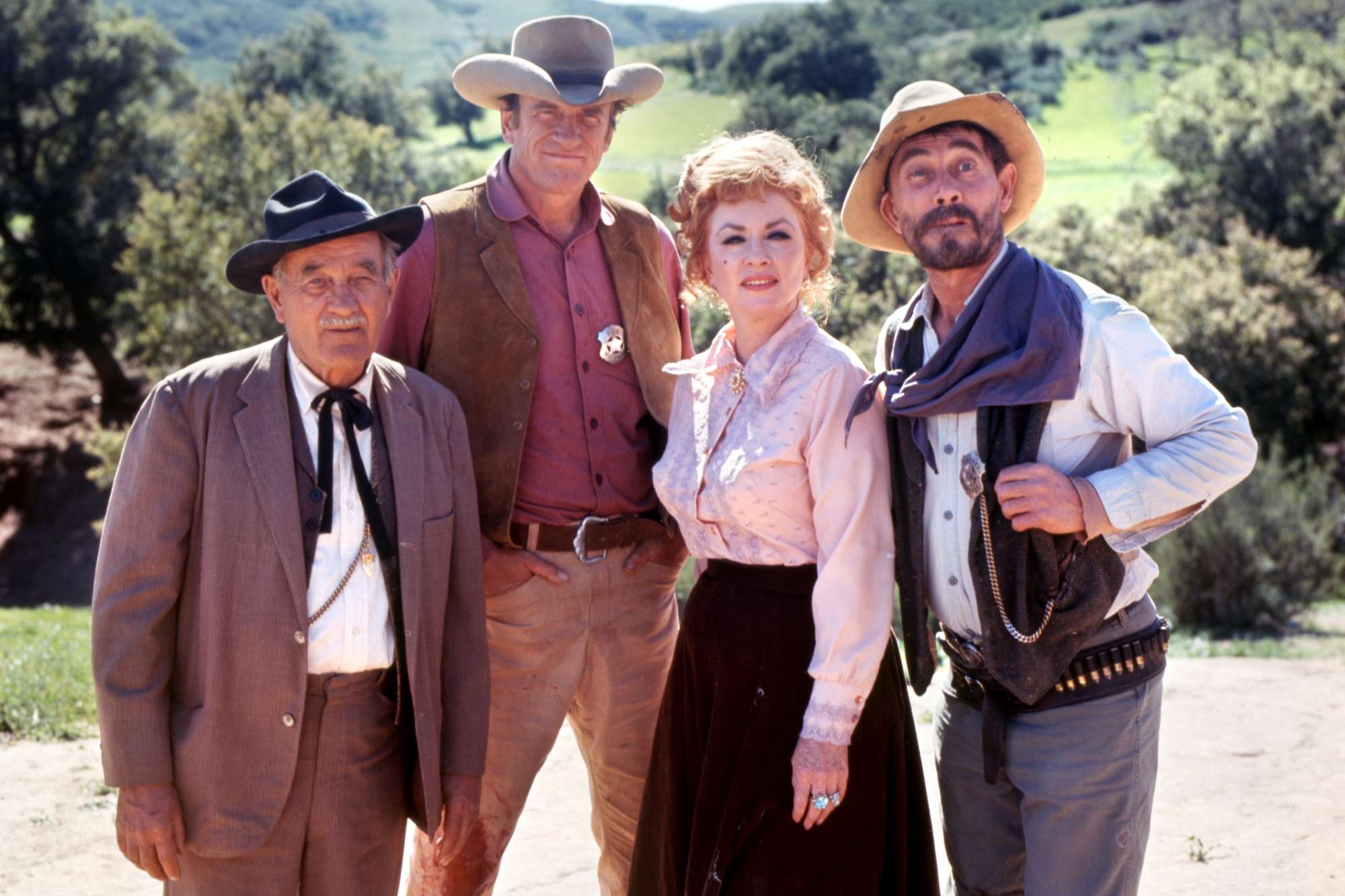
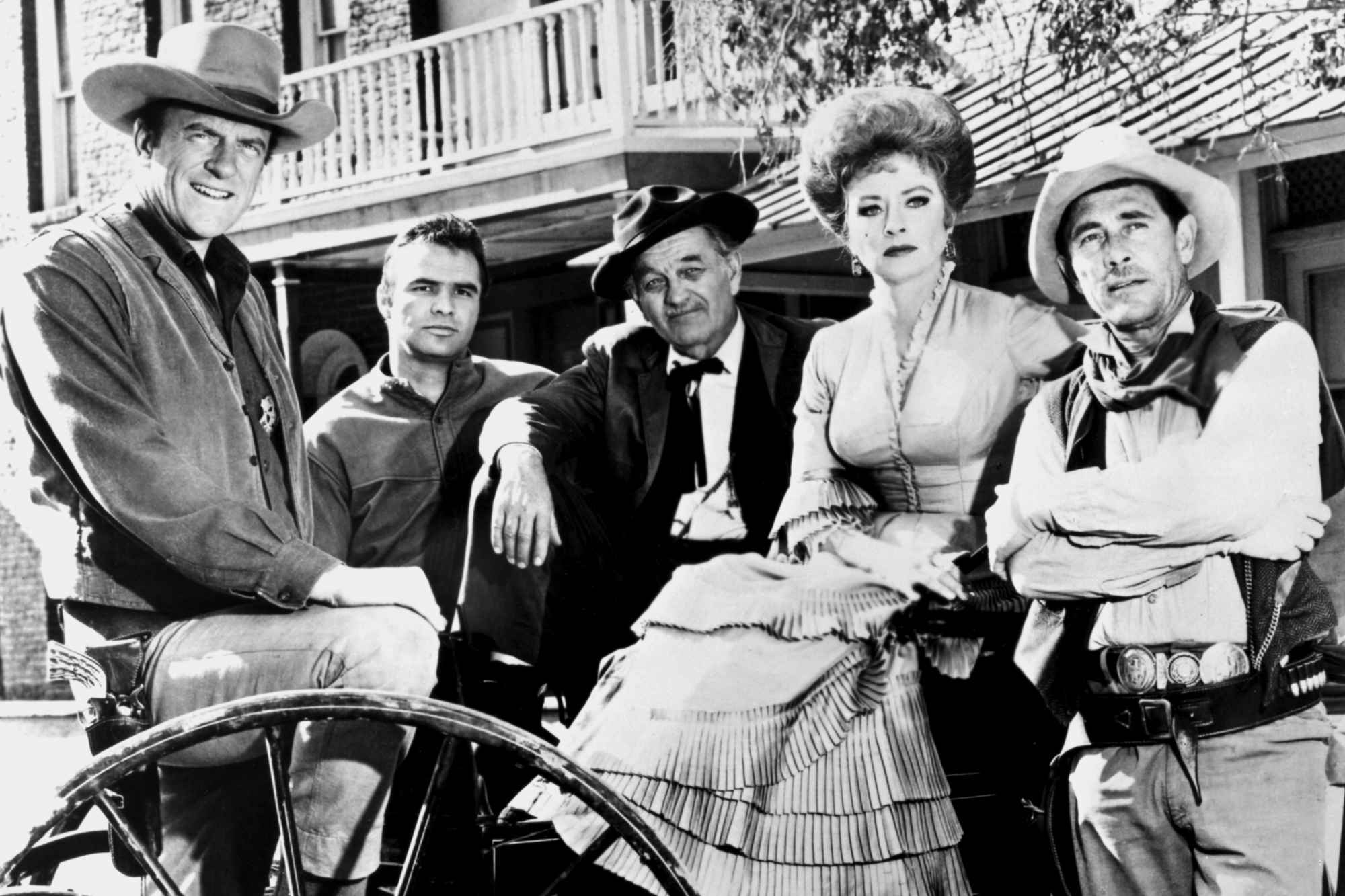
The success of Gunsmoke was inherently tied to the chemistry between the four leads who anchored the show during its prime. Their characters transformed from simple archetypes into complex individuals navigating the harsh realities of the post-Civil War American frontier.
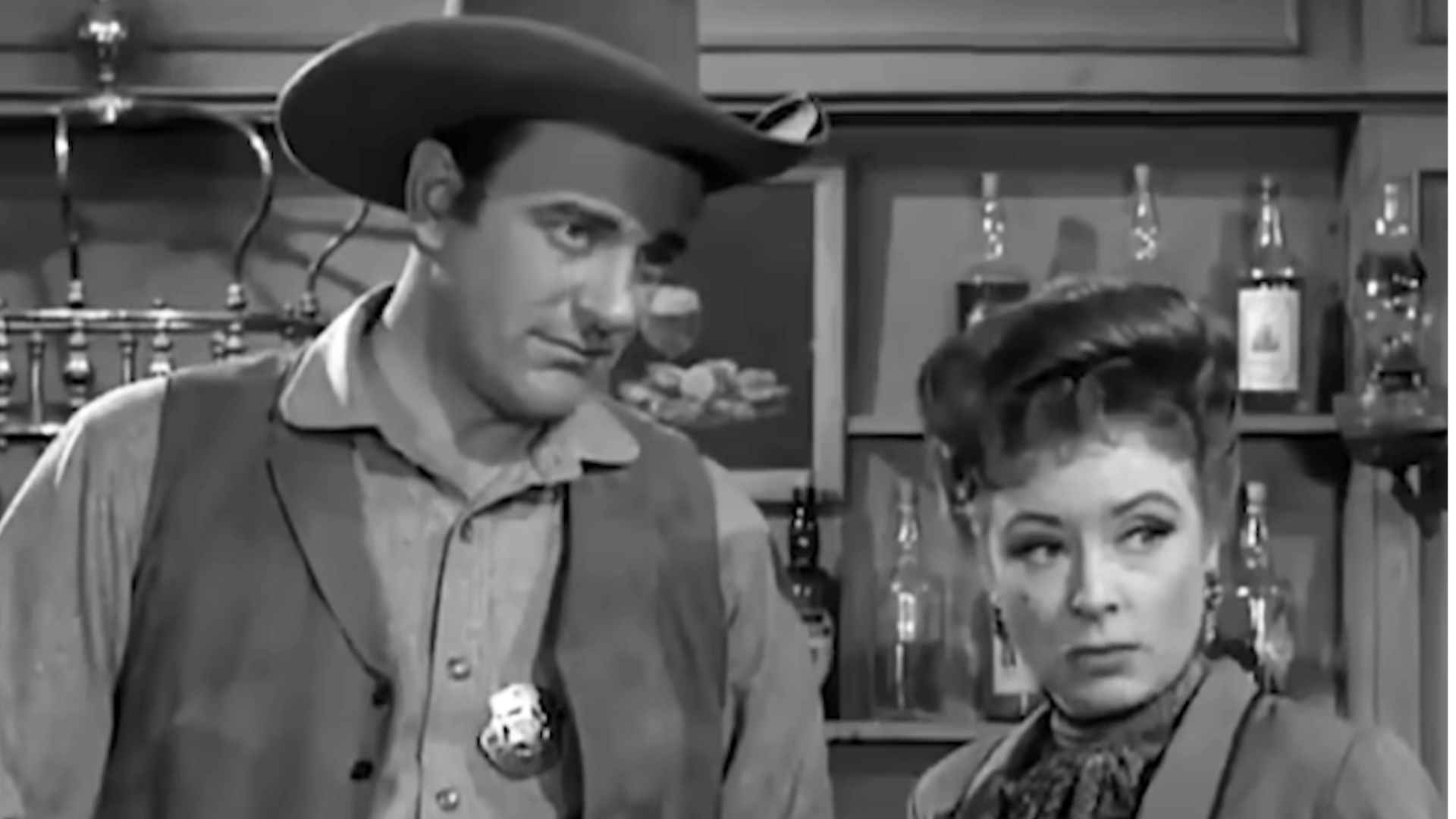
- James Arness as Marshal Matt Dillon: Arness provided the moral center of the show. His portrayal of the weary, dedicated lawman became the gold standard for Western leads. Standing at six-foot-seven, Arness brought a physical presence that underscored the danger inherent in maintaining order in a lawless territory.
- Amanda Blake as Miss Kitty Russell: As the proprietor of the Long Branch Saloon, Kitty was far more than a decorative character. She represented resilience and autonomy, often serving as the emotional anchor for Matt Dillon. Blake’s performance evolved significantly over two decades, transitioning from a dance-hall girl to a respected community leader.
- Milburn Stone as Doc Adams: Dr. Galen Adams provided the necessary cynicism and intellect to balance the action-oriented nature of the show. His banter with Dillon and Festus Haggen served as the comedic and philosophical heartbeat of the series, grounding the show in the daily medical realities of the 19th-century frontier.
- Ken Curtis as Festus Haggen: Joining in 1964, Festus added a layer of rustic authenticity and depth that redefined the sidekick role. His unique dialect and enduring friendship with the Marshal solidified his status as one of the most memorable characters in Western history.
Comparative Overview of Recurring Cast Evolution
The transition of the cast over two decades of production is categorized below to highlight the structural shifts in the series.
| Character Name | Actor | Primary Tenure | Role Significance |
|---|---|---|---|
| Matt Dillon | James Arness | 1955-1975 | Series Anchor / Law Enforcement |
| Kitty Russell | Amanda Blake | 1955-1974 | Social Hub / Moral Compass |
| Doc Adams | Milburn Stone | 1955-1975 | Medical Authority / Voice of Reason |
| Festus Haggen | Ken Curtis | 1964-1975 | Comic Relief / Tactical Ally |
| Chester Goode | Dennis Weaver | 1955-1964 | Original Deputy / Loyalty Focus |
| Newly O'Brien | Buck Taylor | 1967-1975 | Modern Frontier Law / Grit |
Technical and Production Context of the Series
Understanding the endurance of Gunsmoke requires looking at the transition from radio to television. When the show premiered in 1955, it was one of the first adult Westerns, focusing on the psychological toll of violence rather than simple shootouts. By 2026, industry standards for television production have evolved, yet Gunsmoke remains the benchmark for long-form narrative consistency.
The production cycle for each season was rigorous. Unlike modern limited series, Gunsmoke produced a staggering number of episodes per season, often exceeding 30. This workload required the cast to maintain extreme discipline and consistency, which contributed to the grounded, lived-in feel of their performances.
Production Standards and Historical Impact
Narrative Consistency The show maintained a high level of narrative continuity for the era, largely due to the steady presence of executive producer John Mantley. The focus was always on character development rather than merely procedural plots, which allowed the cast to age and evolve alongside the audience.
Technical Achievement Gunsmoke was a pioneer in transitioning from black-and-white cinematography to color. By 1966, the show utilized advanced outdoor location filming techniques that influenced the visual language of the Western genre for decades to follow.
Legacy and Influence in 2026
In 2026, the reruns of Gunsmoke continue to pull significant audiences on streaming platforms and cable networks. The show is frequently studied in film schools for its transition from a 30-minute black-and-white format to a 60-minute color format. The cast members are often cited in contemporary acting workshops as examples of how to sustain a character over thousands of minutes of screen time without losing the audience's investment.
For researchers and fans, the archives of the series represent a time capsule of mid-20th-century American values and the evolution of the television industry. The lack of excessive reliance on special effects—relying instead on tight scripts and character-driven stakes—is a model that many modern showrunners attempt to emulate to achieve long-term success.
Frequently Asked Questions
Who was the longest-serving member of the Gunsmoke cast? James Arness holds the record as the only actor to appear in every single one of the 635 episodes of the series, spanning the entire 20-year run. His commitment to the role of Matt Dillon defined the show's identity from its inception in 1955 through the series finale in 1975.
Why did Dennis Weaver leave the show? Dennis Weaver, who played the iconic character Chester Goode, left the series in 1964 to pursue other acting opportunities and to avoid typecasting. He felt that after nine seasons, he had explored the character of Chester as deeply as the scripts would allow.
Was the show based on a real person? No, the characters were fictional, though they were heavily inspired by the genuine historical figures of the American Old West. The writers drew inspiration from the historical accounts of Dodge City, Kansas, to create the social environment of the Long Branch Saloon and the office of the Marshal.
What happened to the cast members after the show ended? Many of the actors remained active in the industry, though they struggled to shed the personas established on the show. James Arness continued to work in television Westerns, notably How the West Was Won, while Ken Curtis remained a popular character actor in various film and television projects throughout the late 1970s and 1980s.
Is Gunsmoke still considered relevant for modern viewers? Yes, in 2026, the series is viewed as a foundational text for character-based drama. Its focus on ethics, community, and the personal cost of duty remains a universal theme that resonates with current audiences interested in the historical evolution of the Western genre.
Exploring the Archive
If you are interested in diving deeper into the history of the Gunsmoke cast, consider exploring official television archives or the various retrospective documentaries produced over the last decade. The sheer volume of content available in 2026 allows for a granular analysis of how the series transitioned through various cultural eras. Whether you are a long-time fan or a scholar of television history, the cast of Gunsmoke offers a compelling study in performance longevity and the power of iconic characterization.