Exploring the literary landscape of witch-themed narratives requires navigating a complex blend of folklore, historical trauma, and evolving cultural identity. Whether categorized as folklore, fantasy, or historical fiction, stories featuring witches serve as powerful mirrors for societal attitudes toward women, power, and the unknown across different centuries.
The Evolution of the Witch in Literature
The archetype of the "witch" has undergone a radical transformation in literature. In early oral traditions and fairy tales, such as those collected by the Brothers Grimm in the 19th century, the witch frequently functioned as a manifestation of malevolent magic or a test of virtue for the protagonist. These depictions often reflected contemporary anxieties regarding female autonomy and the danger of non-conformity.
As literature progressed into the 20th and 21st centuries, the narrative perspective shifted. Many modern authors moved away from the binary of the "evil crone" to explore the witch as a figure of empowerment, intersectional identity, or marginalized resistance. This transition tracks alongside historical shifts in how societies define authority and domesticity. Understanding these tales requires recognizing that the "witch" is rarely just a character; she is an entity shaped by the moral imperatives of the era in which the book was written.
Key Themes in Witch-Themed Storytelling
Literature centered on witchcraft typically relies on specific thematic pillars that ground the supernatural in human experience. Recognizing these motifs can help readers identify the sub-genre and intent of a particular work.
- The Price of Knowledge: A recurring motif is the pursuit of forbidden wisdom. In many tales, magic is portrayed as a tool that requires a significant sacrifice, reflecting the human desire for control over nature and the inherent risks of unchecked ambition.
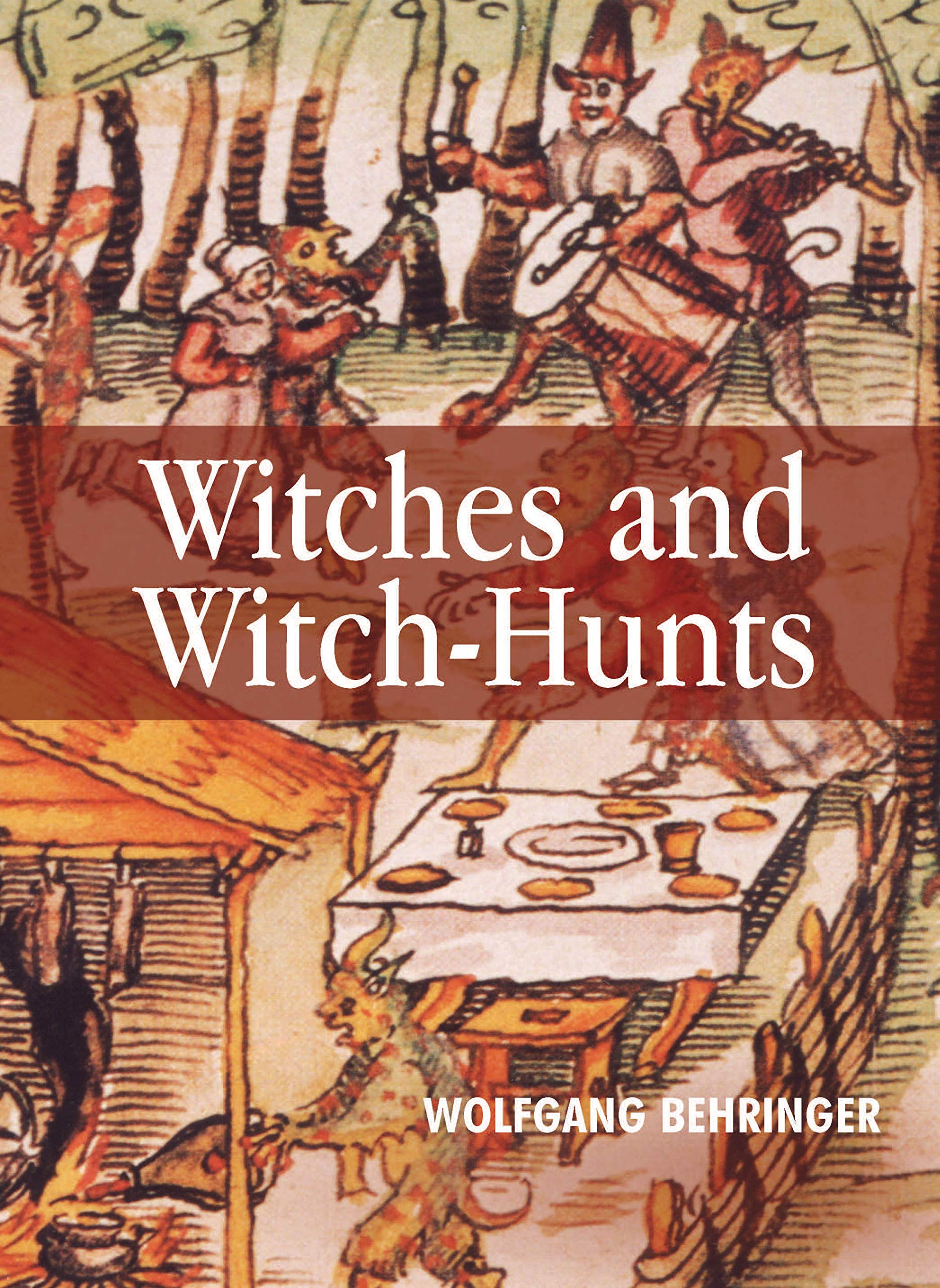
- Persecution and the Scapegoat: Historical fiction often focuses on the reality of the witch trials, such as those in Salem, Massachusetts, or Early Modern Europe. These narratives highlight the fragility of social order and the danger of mass hysteria, framing the accused witch as a victim of institutional fear.
- Domesticity and Autonomy: Many contemporary works subvert the "witch in the kitchen" trope. Instead of the hearth being a place of servitude, it becomes a site of alchemy, healing, and control, signifying a reclamation of domestic spaces.
- Nature as a Conduit: The relationship between the witch and the natural world is almost always fundamental. Unlike traditional "scientific" progress, witchcraft in these stories is often portrayed as an ancient, biological connection to the earth, positioning the witch as a guardian of ecological or primordial balance.
Analyzing Notable Tales and Collections
When evaluating story books on witches, it is helpful to categorize them by their narrative approach. The following table provides a comparison of how different sub-genres frame the witch figure.
| Category | Typical Focus | Primary Character Role |
|---|---|---|
| Traditional Folklore | Moral lessons; cautionary tales | Villain or archetype of chaos |
| Historical Fiction | Social tension; religious conflict | Scapegoat; victim of history |
| Contemporary Fantasy | Self-discovery; systemic power | Protagonist; agency-driven entity |
| Witch Lit (Rom-Com) | Empowerment; mundane-magical fusion | Professional or domestic role |
Historical Context: From Myth to Record
To truly understand the literature of witchcraft, one must distinguish between myth and historical record. Many popular stories draw inspiration from the Malleus Maleficarum (1487), a document that codified the theological justification for witch-hunting in Europe. Writers often use this historical document as a primary source to anchor their fiction in a sense of authentic dread.
Conversely, books grounded in pre-Christian mythology often portray witches as wise women or healers. The tension between these two historical interpretations—the witch as a demonic threat and the witch as a vessel of ancient wisdom—drives much of the modern literary output. Readers looking for historical accuracy should look for works that cite specific trials, such as the North Berwick witch trials or the Pendle witch trials, as these provide a grounded foundation for the narrative tension.
Prerequisites for Engaging with Witch Literature
Before diving into comprehensive collections, consider your desired depth of engagement. If you are interested in the evolution of folklore, you should start with primary source collections. If you prefer modern character studies, you may find that contemporary novels better suit your needs.
- Identify the Era: Determine if you want a period piece that mirrors the 17th century or a modern urban fantasy that uses witchcraft as a metaphor for contemporary struggles.
- Verify the Source: For folklore studies, check for translations that preserve the original, culturally specific nuances of the oral traditions.
- Assess Narrative Intent: Look for reviews or synopses that reveal if the book treats magic as a scientific system (hard magic) or an intangible, psychological force (soft magic).
- Consider Cultural Perspective: Witchcraft is a universal concept but takes vastly different forms in African, Slavic, and Celtic traditions. Expanding your reading list to include global perspectives provides a much richer understanding of the archetype.
Common Misconceptions
One major challenge for readers is the conflation of historical witchcraft—which often involved genuine belief in the power to do harm or heal—with the modern neopagan practice of Wicca. While they share terminology, these are distinct subjects. A book about the historical witch hunts is rarely a book about modern religious practice. Recognizing this distinction prevents the common mistake of expecting a historical, academic text to function as a guide for modern spiritual practice, or vice versa.
Selecting Your Next Read
When choosing a book, prioritize the author’s background and the cultural source of the folklore. If the goal is academic interest, search for university press publications that analyze the sociology of the witch trials. If the goal is entertainment, look for authors who specialize in re-imagining fairy tales, as they are often the most adept at blending traditional tropes with modern, nuanced character development.