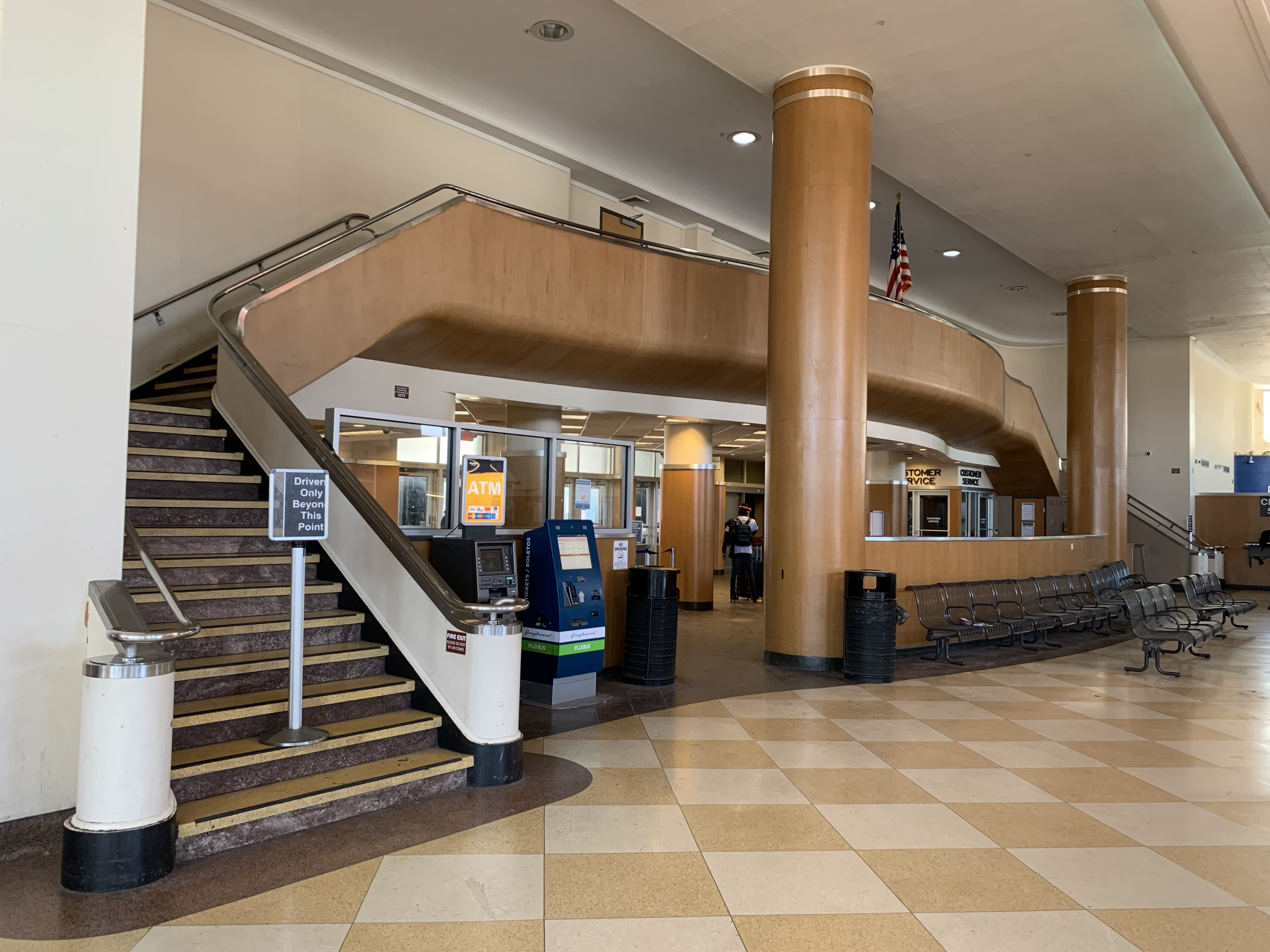
As of 2026, the landscape of intercity bus travel in Houston has undergone a significant transformation, moving away from the singular, legacy terminal model toward a decentralized, multi-hub system. Whether you are a daily commuter or a cross-country traveler, navigating the Greyhound station Houston TX network requires an understanding of the current operational hubs, integrated FlixBus connectivity, and the digital-first boarding protocols now standard across the Greater Houston area.
Disambiguation Note: This guide focuses exclusively on Greyhound Lines, Inc. intercity bus operations and facilities within Houston, Texas. It does not cover local METRO bus depots unless they serve as official Greyhound transfer points or shared intermodal facilities.
The 2026 Houston Greyhound Hub System: Primary Locations
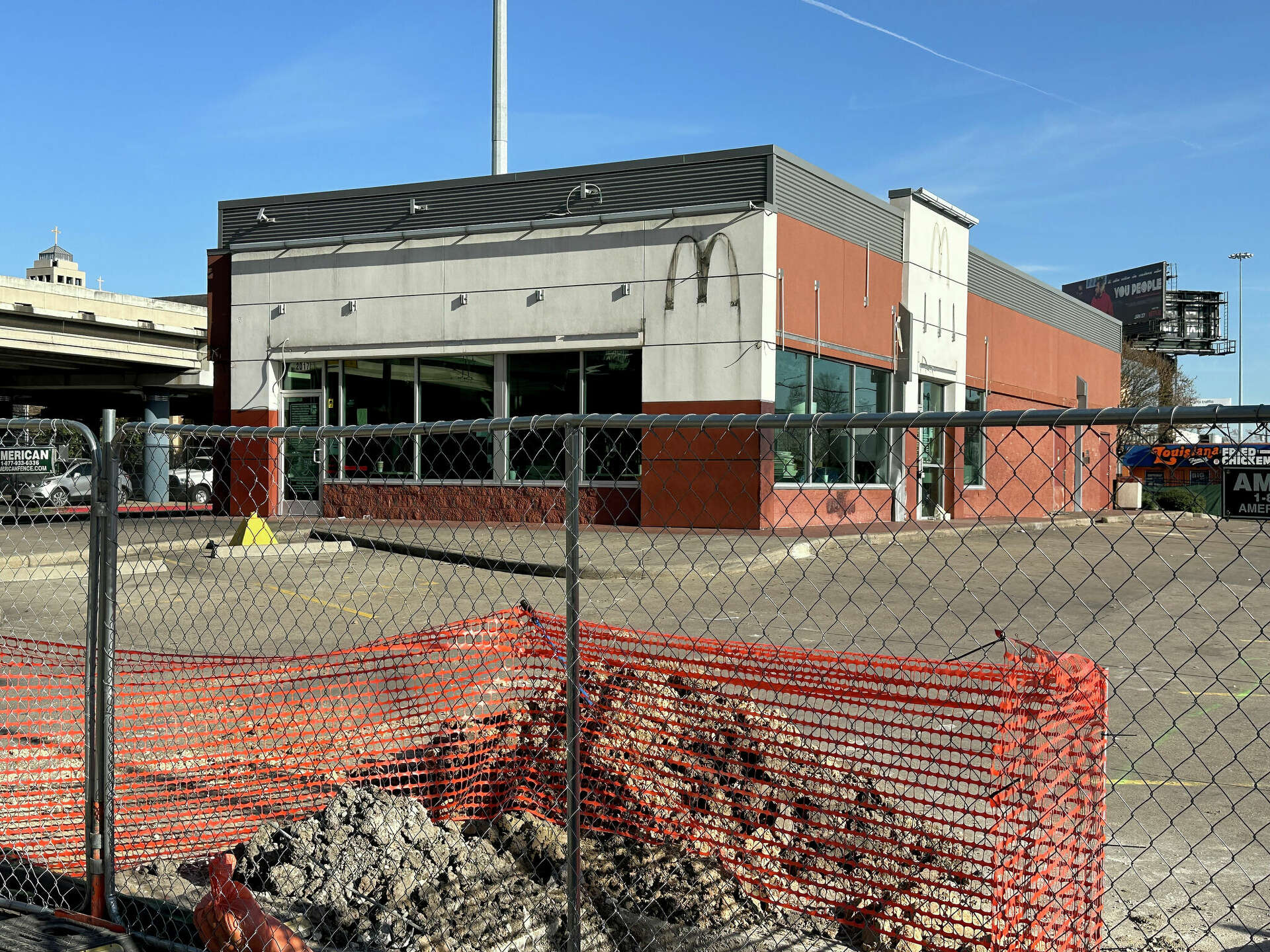
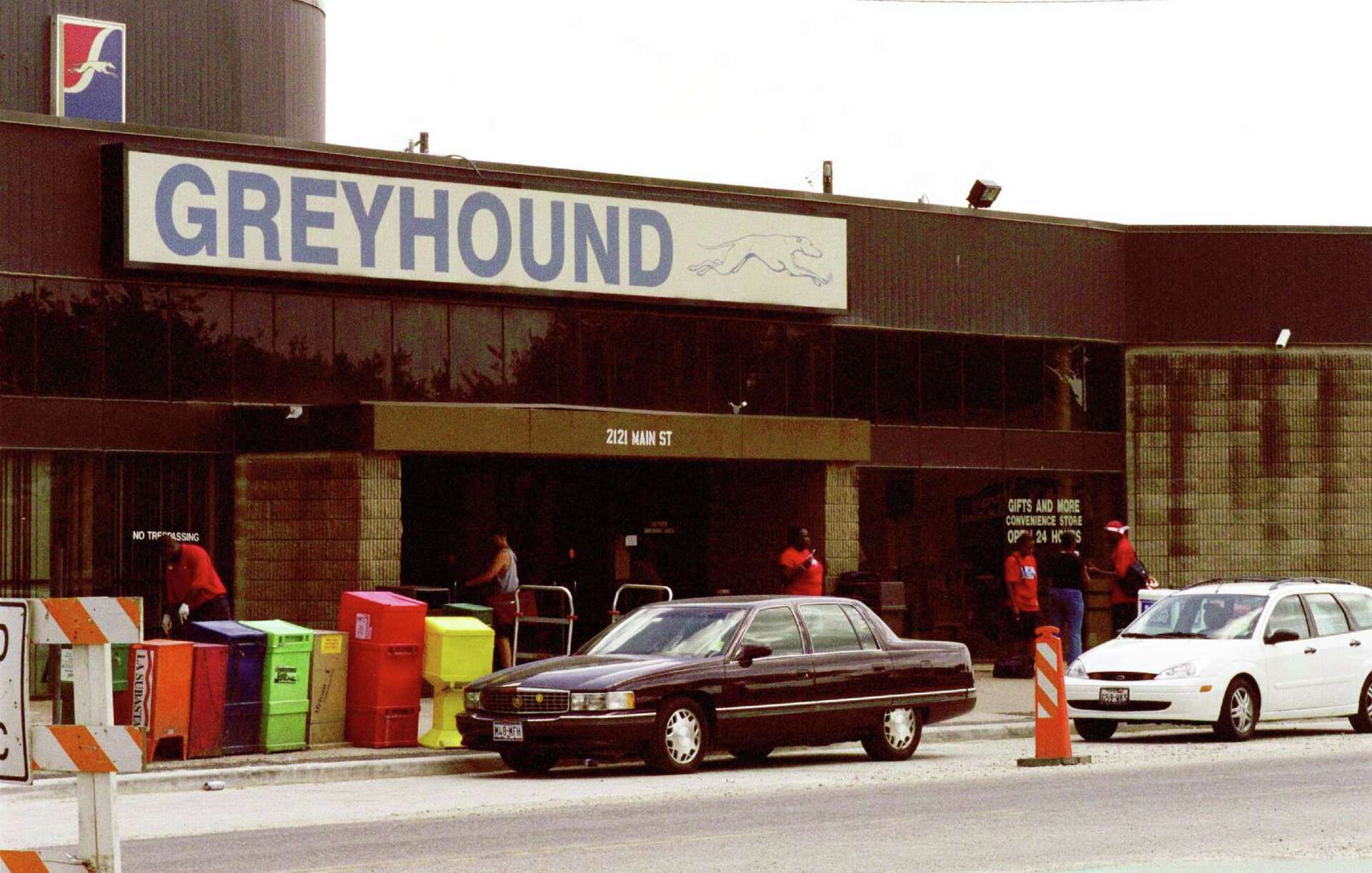
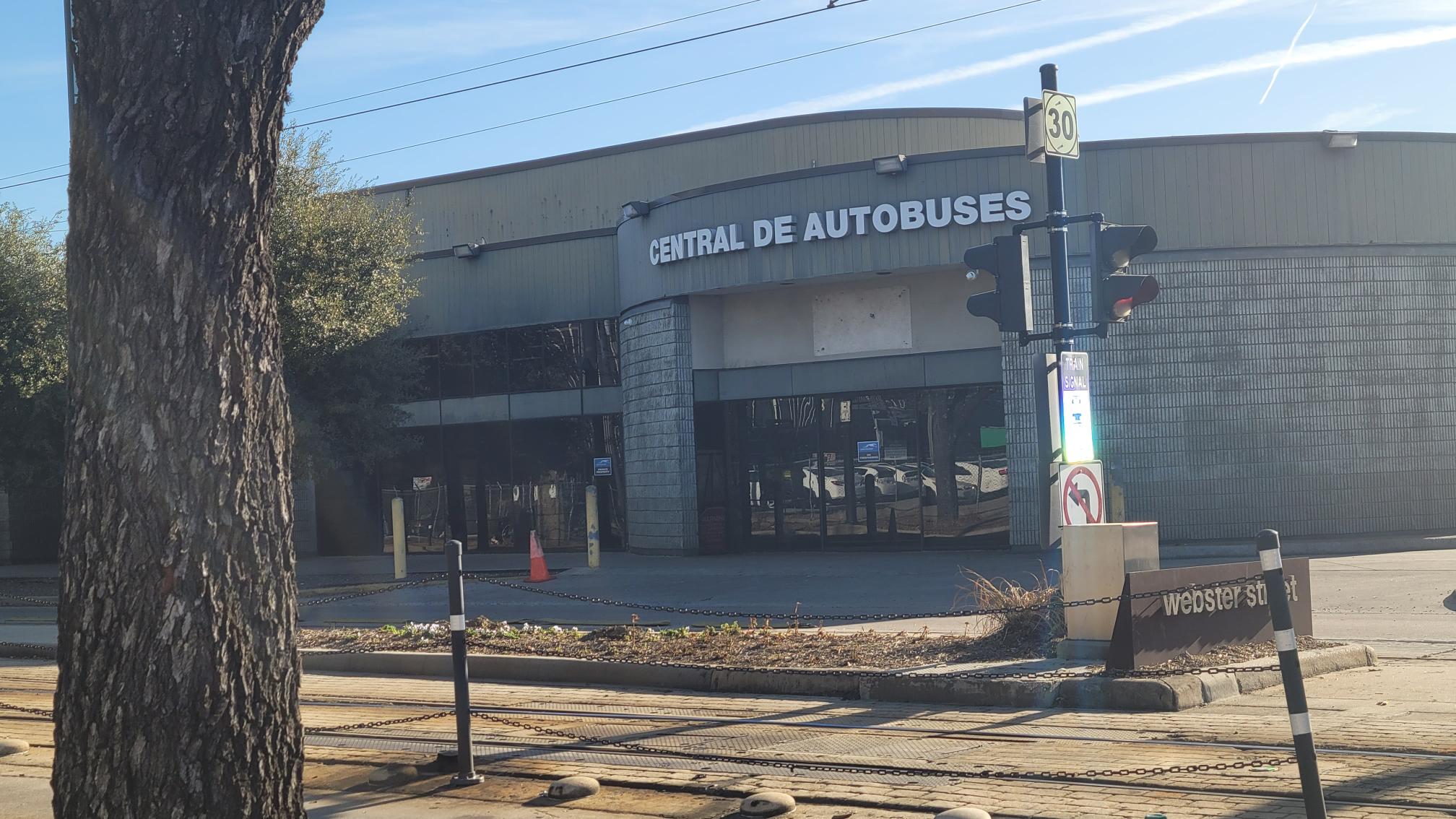
The traditional "mega-terminal" at 2121 Main Street is a relic of the past. In 2026, Greyhound operations are strategically distributed across three primary terminals and several curbside pickup points to reduce urban congestion and improve proximity to residential centers.
1. Houston Bus Station (Downtown Intermodal Hub)
The primary artery for Greyhound travel remains the Downtown Houston Bus Station, located within the integrated transit corridor. This facility serves as the central transfer point for passengers heading toward San Antonio, Dallas, or the Gulf Coast.
- Address: 700 Smith St, Houston, TX 77002
- Operating Hours: 24/7 (Ticket counter hours may vary)
- Key Features: Indoor waiting area, digital kiosks, and direct connection to the METRORail Purple and Green lines.
2. Houston Northwest (Hwy 290)
Serving the rapidly growing suburban corridors, the Northwest station is the preferred boarding point for travelers heading toward Austin or the Texas Panhandle. This location features enhanced parking facilities compared to the Downtown hub.
- Address: 1500 West Loop N, Houston, TX 77008
- Operating Hours: 6:00 AM – 10:00 PM
- Key Features: Secure commuter parking, climate-controlled waiting room, and proximity to the 290/I-610 interchange.
3. Houston Southwest (Westpark)
This terminal serves the international and commuter-heavy demographic of Southwest Houston and Sugar Land. It is a critical stop for routes heading toward Laredo and the Mexican border.
- Address: 5000 Westpark Dr, Houston, TX 77081
- Operating Hours: 7:00 AM – 9:00 PM
- Key Features: High-frequency departures for the Rio Grande Valley and streamlined customs-check preparation areas.
Technical Specifications: Houston Terminal Facilities Comparison (2026)
The following table outlines the specific amenities and technical capabilities of each major Houston Greyhound location to help you select the most convenient departure point for your 2026 itinerary.
| Feature | Downtown (Smith St) | Northwest (Westpark) | Southeast (Harrisburg) |
|---|---|---|---|
| Baggage Storage | Available (24hr Max) | Not Available | Digital Lockers Only |
| Charging Stations | USB-C / Wireless Qi | Standard AC Only | USB-A / USB-C |
| Security Presence | 24/7 Armed Guard | Periodic Patrol | 24/7 On-site Security |
| Food Services | Vending & Nearby Cafe | Vending Only | Vending & Food Truck Zone |
| Ticket Printing | Full Service Counter | Self-Service Kiosk | Digital Boarding Only |
| Public Transit Link | METRORail / Bus | METRO Bus 85/298 | METRORail Green Line |
| Parking Status | Paid Garage (Limited) | Dedicated Surface Lot | Street Parking Only |
Strategic Boarding Protocols and Security in 2026
Safety and operational efficiency are the cornerstones of the 2026 Greyhound experience. Greyhound has implemented the "SecurePath" protocol across all Houston stations to ensure passenger safety in high-traffic urban environments.
Enhanced Security Measures
Every Greyhound station in Houston now utilizes AI-assisted baggage screening and facial recognition for ticket verification. This has significantly reduced boarding times while increasing safety. Travelers should arrive at least 45 minutes before departure to clear the security perimeter.
The Digital-First Mandate
By 2026, Greyhound has moved toward a nearly paperless system. While the Downtown station maintains a manual service desk for emergency re-ticketing, the following rules apply:
- E-Tickets: Must be presented via the Greyhound or FlixBus app. A screenshot is acceptable, but live QR codes are preferred for real-time gate updates.
- ID Requirements: Valid government-issued photo ID is mandatory. For routes crossing into or near border zones (e.g., Houston to Brownsville), additional citizenship documentation is highly recommended due to increased regional checkpoints.
- Weight Limits: Checked bags are strictly limited to 50 lbs (22.5 kg). Houston stations are equipped with precision digital scales at the entrance; overweight bags require an immediate "Oversize" fee payment via contactless terminal.
Connectivity: Integrating with Houston METRO
Navigating to your Greyhound station using Houston's public transit system is the most cost-effective method for 2026 travelers. The City of Houston has optimized METRO routes to feed directly into the major bus hubs.
Pro-Traveler Tip: Use the METRO Q Ticketing App to purchase a "Day Pass" for $3.00. This allows unlimited transfers between METRORail and local buses, making it easy to reach the Smith Street terminal from anywhere in the city without paying for expensive downtown parking or rideshare surge pricing.
- To Downtown Station: Take the Red Line to Preston Station and walk three blocks west, or use the Green/Purple lines to Theater District Station.
- To Northwest Station: Utilize the 298 Northwest TC Park & Ride for direct access during peak hours.
- To Southwest Station: The 82 Westheimer bus provides the highest frequency service to the general vicinity, though a short rideshare or secondary bus transfer may be required for the final mile.
Pros and Cons of Using Greyhound in Houston (2026)
Advantages
- Cost-Efficiency: Despite inflation, Greyhound remains 40-60% cheaper than regional airfare or private car ownership for intercity travel.
- Network Density: With three major hubs and multiple curbside stops (such as Katy and Baytown), travelers no longer have to fight downtown traffic to catch a bus.
- Modern Fleet: The 2026 fleet features ergonomic seating, 5G Wi-Fi, and improved HEPA air filtration systems.
Disadvantages
- Traffic Variability: Houston’s I-10 and I-45 corridors remain prone to unpredictable delays, impacting "On-Time Performance" metrics during peak Houston rush hours (7-9 AM and 4-7 PM).
- Neighborhood Safety: While station interiors are highly secure, the immediate exterior of the Downtown and Harrisburg locations requires travelers to remain vigilant, especially during late-night arrivals.
Step-By-Step Guide to a Seamless Departure
- Verify Your Hub: Check your 2026 booking confirmation carefully. Many travelers mistakenly go to the old Main Street location. Ensure your ticket specifies Smith St, West Loop, or Westpark.
- Monitor the App: Use the "Track My Bus" feature in real-time. Houston traffic can cause 15–30 minute fluctuations in arrival times.
- Prepare Your Baggage: Tag your luggage with your name, phone number, and Houston destination. Ensure your "Under-the-Bus" bag is unlocked if requested by security for inspection.
- Clear Security: Enter the terminal through the designated SecurePath lane. Have your QR code ready for scanning.
- Boarding: Boarding begins exactly 20 minutes before departure. Seating is generally first-come, first-served unless you have purchased a "Reserved Seat" upgrade, which is a new standard feature for 2026.
Frequently Asked Questions (FAQ)
What is the main Greyhound station in Houston for 2026?
The primary hub is the Houston Bus Station located at 700 Smith St in Downtown Houston. This facility serves as the main intermodal point for most long-distance and interstate routes.
Is there free parking at the Houston Greyhound stations?
No, there is no free long-term parking at the Downtown station. The Northwest (West Loop) station offers limited paid commuter parking, but for long-term trips, using a rideshare or METRO is recommended.
How early should I arrive at the Houston station?
You should arrive at least 45 to 60 minutes before your scheduled departure. This allows time for the mandatory 2026 security screening, baggage weighing, and digital check-in processes.
Can I buy a ticket at the station with cash?
Cash transactions are only supported at the Downtown (Smith St) terminal through a specialized "Cash-to-Digital" kiosk. Most other Houston locations require a credit card, debit card, or mobile payment (Apple/Google Pay).
Is the Houston Greyhound station safe at night?
The interior of all official Houston terminals is patrolled by 24/7 security and monitored by high-definition CCTV. However, travelers are advised to stay within the facility or use designated rideshare pickup zones when arriving or departing after dark.
Are there luggage storage lockers available?
The Downtown Smith Street station offers short-term digital lockers for up to 24 hours. The satellite stations (Northwest and Southwest) do not currently offer baggage storage due to updated 2026 safety regulations.
Future-Proofing Your Travel
As Houston continues to expand its transit infrastructure, Greyhound remains a vital link for regional connectivity. By utilizing the decentralized station model and adhering to the 2026 digital and security protocols, travelers can ensure a professional, efficient, and safe journey through the heart of Texas. Always verify your specific departure terminal 24 hours in advance via the official app to account for any seasonal route adjustments or local transit detours.