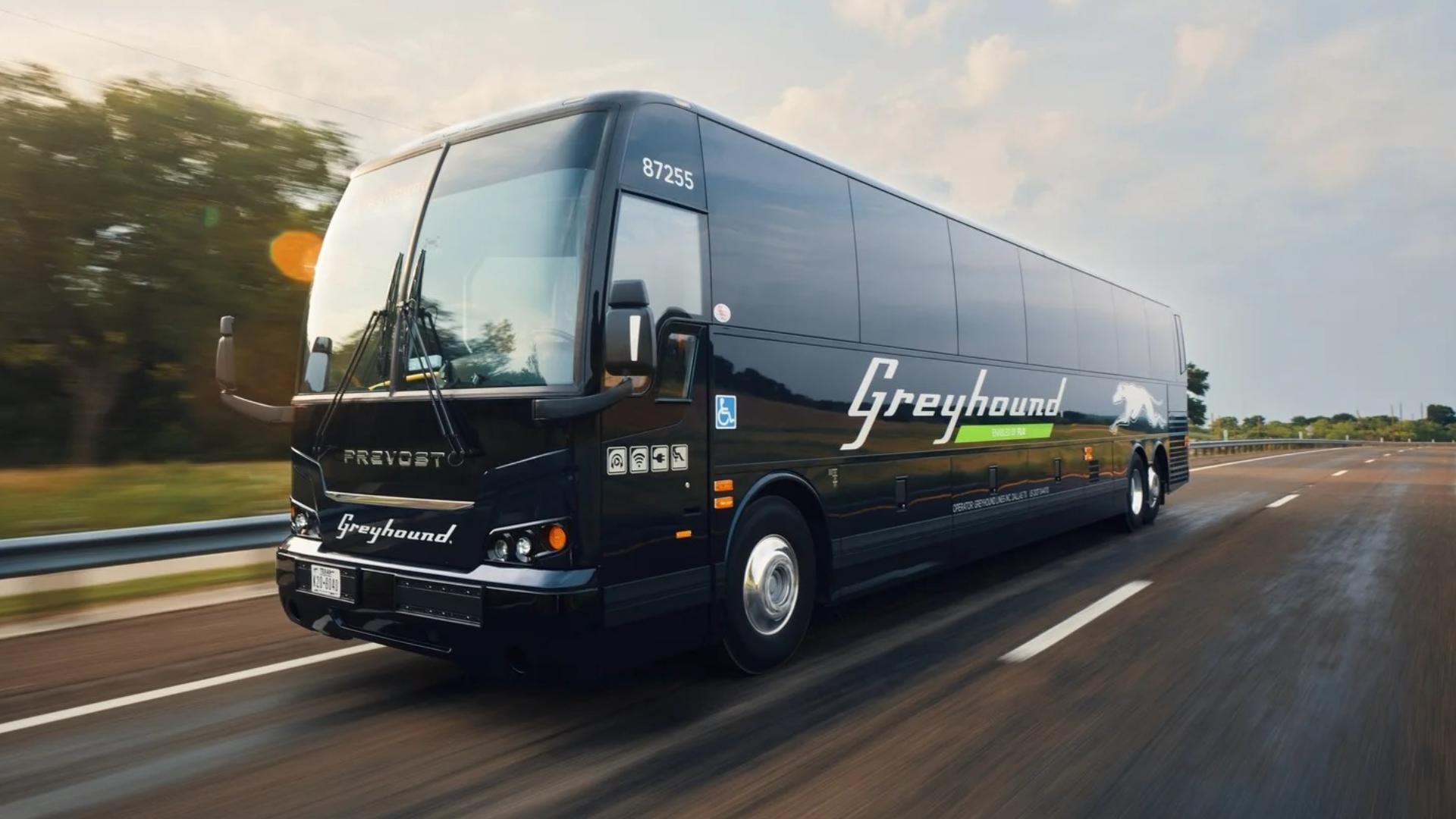
Note: This article focuses exclusively on Greyhound Lines, Inc. intercity bus travel pricing and fare structures. It does not pertain to the racing breed of dog.
Navigating the cost of bus travel in 2026 requires an understanding of dynamic pricing models, carrier consolidation, and digital procurement strategies. As Greyhound Lines continues its integration into the FlixBus North America network, the approach to fare determination has shifted toward a high-frequency, algorithmic model similar to airline yield management. Passengers seeking the most economical transit options must move beyond static price expectations and account for load-factor-based fluctuations that define the current transit market.
The Mechanics of Dynamic Pricing in 2026
Greyhound utilizes a sophisticated automated revenue management system that adjusts fares in real-time based on demand, lead time, and route capacity. Unlike legacy transit models where tickets were sold at fixed station-to-station rates, the 2026 pricing architecture treats seats as perishable inventory.
When a route shows high search volume or historical booking density, the algorithm increases the fare for remaining seats to maximize load factors. Conversely, low-demand Tuesday or Wednesday departures often feature significantly lower base fares. This system is designed to incentivize early booking, as prices typically follow a steep upward trajectory as the departure date approaches.
Strategies for Securing Optimal Greyhound Fares
Securing the lowest possible fare necessitates a blend of technological savvy and flexibility. The following tactics are recommended for travelers looking to minimize expenditure during the 2026 calendar year:
- Advance Booking Windows: The most effective method for securing low fares is purchasing tickets 14 to 21 days before the intended departure date. Prices rarely drop as a trip nears; the baseline increases as the seat inventory decreases.
- Mid-Week Travel Preference: Demand-based pricing penalizes weekend and holiday travel. Scheduling departures on Tuesday or Wednesday can often yield fares 30 to 40 percent lower than those found on Friday or Sunday.
- Digital-Only Booking Platforms: Greyhound has shifted toward a digital-first environment. Purchasing tickets via the mobile app or the official website eliminates the potential for "walk-up" service fees that may be applied at physical ticket counters or self-service kiosks.
- Membership and Loyalty Integration: The integration with the FlixBus loyalty program allows frequent travelers to accumulate points that can be converted into vouchers, effectively lowering the out-of-pocket cost for future bookings.
Comparative Analysis of Transit Fare Structures
The following table outlines the factors that influence fare variance between different booking methods and travel profiles in the current 2026 market environment.
| Fare Determinant | Impact on Final Cost | Strategic Observation |
|---|---|---|
| Booking Lead Time | High | Prices escalate significantly within 72 hours of departure. |
| Time of Day | Moderate | Late-night and early-morning "red-eye" routes are consistently cheaper. |
| Cancellation Flexibility | Moderate | Non-refundable "Economy" fares are the baseline; "Flexible" fares carry a premium. |
| Point-of-Sale | Low | Online/App bookings avoid potential in-person facility surcharges. |
| Seasonal Demand | Very High | Holiday weekends utilize peak surge pricing across all regions. |
Understanding Fare Classes and Ancillary Costs
Greyhound has standardized its fare classes to mirror contemporary European transit models. Understanding these categories is essential for accurate budget planning:
Economy Fare Definitions This category provides the lowest entry-level price point. It is non-refundable and carries strict restrictions regarding changes to the travel itinerary. If you select this tier, ensure your plans are finalized, as any modifications will incur significant administrative fees that often exceed the original ticket savings.
Economy Extra and Flexible Tiers These tiers offer higher price points in exchange for travel protection. They allow for a one-time change of travel date or time without the standard change fees. For business travelers or those with fluctuating schedules, the nominal price increase compared to the base Economy fare provides essential financial risk mitigation.
Beyond the base fare, travelers must account for ancillary costs that modify the final transaction total. These include charges for excess luggage, priority boarding, and seat selection. In 2026, baggage policies are strictly enforced; exceeding the standard one-carry-on and one-checked-bag allowance will result in per-bag fees that are significantly higher when processed at the station compared to pre-payment during the online checkout process.
Regional Variations and Route-Specific Pricing
Greyhound operates a vast network, but fare structures are not uniform across all corridors. High-density corridors such as the Northeast Corridor (NYC to Boston/DC) or the I-5 corridor in California operate under different competitive pressures than rural, long-haul routes.
In high-density zones, Greyhound competes directly with commuter rail and regional airlines. This competition often results in "predatory" lower pricing on select routes to maintain market share. In contrast, routes with limited competition may see more stable, albeit higher, pricing. Travelers in rural areas should anticipate that fares are determined more by the cost of fuel and operational overhead per mile than by market-competitive demand.
Frequently Asked Questions Regarding Greyhound Fares
Why does the price of my ticket change when I refresh the page? The pricing algorithm responds to global demand for that specific seat inventory in real-time. If multiple users are viewing the same route simultaneously, the system may adjust the fare upward as the available capacity drops.
Are there discounts for students or seniors in 2026? Greyhound occasionally offers promotional discounts for specific demographics via partner programs, but standard daily fares are now largely based on yield management. It is recommended to check the "Offers" section of the website to see if any current, valid promotion codes apply to your profile.
Can I save money by purchasing my ticket at the bus station? Generally, no. Purchasing at a station is often more expensive due to potential service fees and the loss of promotional pricing only available through digital channels. Always book online to ensure you are accessing the lowest tiered fare.
How do I handle ticket changes if I have an Economy fare? Economy fares are largely restricted from changes. If your plans change, you may be required to forfeit the original ticket and purchase a new one. Always verify the terms and conditions during the checkout process before confirming payment.
What is the best way to monitor fare drops? While Greyhound does not offer a public "price alert" notification system, the most reliable way to monitor fares is to observe the price trends on your desired route 30 days prior to departure. If the price remains high, wait for mid-week fluctuations.
Final Recommendations for Cost-Effective Travel
To master the cost of transit in 2026, treat every booking as an exercise in financial planning. The days of walking up to a ticket counter and receiving a standard, static price are effectively over. By utilizing the official digital portals, booking at least two weeks in advance, and selecting mid-week travel windows, passengers can consistently achieve the lowest possible price point. Always confirm your luggage requirements at the time of purchase to avoid expensive last-minute surcharges at the boarding gate.