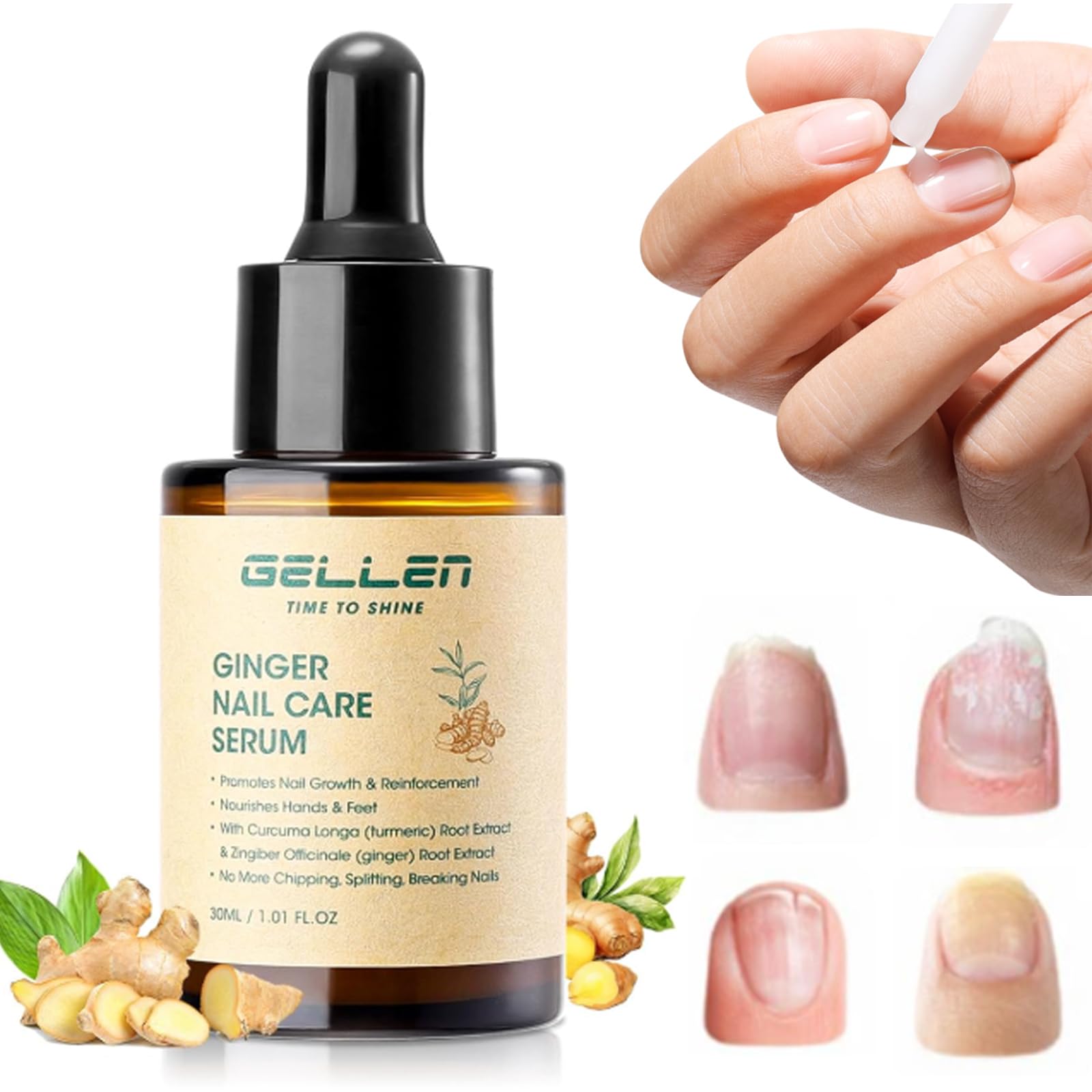
Choosing a good nail strengthener requires matching the formula to your specific type of nail damage—whether brittle, soft, or peeling—and distinguishing between penetrating hydration serums and surface-hardening polishes. Avoiding aggressive chemical cross-linkers like formaldehyde prevents long-term breakage, while consistent application alongside cuticle hydration restores natural keratin structure over several weeks.
Understanding Your Nail Damage Type
Before purchasing a nail strengthener, you must identify why your nails are failing. Weak nails generally fall into three distinct structural categories, each requiring a completely different treatment mechanism. Treating soft, flexible nails with a product designed for brittle nails can worsen damage, making accurate diagnosis the single most important step in your buying decision.
- Soft / Bendy: Hardening Coating
- Dry / Brittle: Hydrating Serum
- Peeling / Damaged: Protein & AHA
Soft, Thin, and Bendy Nails
Nails that bend easily without snapping, fold backwards under light stress, or feel paper-thin lack structural stiffness. This condition often stems from frequent water immersion, over-buffing during manicures, or genetic factors. Soft nails require strengthening hardeners that reinforce the dorsal (outermost) layer of the nail plate with protective polymers, resins, or keratin-building minerals like calcium and silica.
Dry, Rigid, and Brittle Nails
Nails that snap clean off, develop vertical ridges, or chip easily under minimal impact suffer from severe dehydration rather than a lack of hardness. Using a traditional surface hardener on brittle nails makes them even more rigid, accelerating snapping. Brittle nails require hydrating oils and lipid-replenishing serums containing low-molecular-weight oils, squalane, and humectants like glycerin to restore natural elasticity.
Peeling, Layered, or Damaged Nails
Nails with clear delamination—where the top layers separate and peel off in sheets—are often damaged by chemical exposure, harsh nail polish removers, or aggressive gel/acrylic removal. These nails require protein-rebuilding and exfoliation treatments. Formulations featuring hydrolyzed keratin, amino acids, and gentle alpha-hydroxy acids (AHAs) help dissolve dead surface cells while bonding the compromised layers back together.
The Science of Nail Hardeners vs. Hydrating Strengtheners
The cosmetic market uses terms like "nail hardener," "nail strengthener," and "nail repair serum" interchangeably, but their underlying chemistry differs substantially. Understanding the physiology of the nail plate helps clarify how these products interact with your keratin matrix.
The human nail plate consists of roughly 100 to 150 layers of flattened, dead keratinized cells held together by intercellular lipids and desmosomes. Healthy nails contain approximately 18% water and 5% lipids. The balance between protein (strength) and moisture (flexibility) dictates nail health.
The Nail Plate Matrix:
- Dorsal Layer: Dense, hard keratin matrix
- Intermediate Layer: Flexible keratin fibers
- Ventral Layer: Thin layer adhering to the nail bed
Chemical Cross-Linking Hardeners
Traditional hardeners work by introducing reactive agents into the keratin structure. These agents react with the protein chains in the nail, forming chemical cross-links between keratin fibers. While this produces immediate stiffness, over-cross-linking strips the nail of natural flexibility. When an over-hardened nail hits a firm surface, it cannot absorb the impact by bending slightly; instead, it shatters or snaps high up on the nail bed.
Moisture-Retaining Lipid Treatments
Modern hydrating strengtheners focus on lipid restoration. Rather than forcing the nail plate to harden through surface coatings, these formulas penetrate the intermediate and ventral layers of the nail. Ingredients like jojoba oil match the natural sebum structure of skin and nails, carrying bound moisture deep into the nail matrix to restore impact resistance without creating brittle rigidity.
Key Ingredients: What Works and What to Avoid
Reading the ingredients list (INCI) is essential when evaluating a nail strengthener. Marketing claims on packaging rarely reflect whether a formula will repair or damage your nails over time.
Beneficial Ingredients to Look For
- Hydrolyzed Keratin and Silk Proteins: Hydrolyzed proteins are broken down into small amino acid chains capable of bonding to damaged areas of the natural keratin plate, filling micro-cracks without altering flexibility.
- Jojoba Seed Oil (Simmondsia Chinensis): One of the few natural oils with a molecular structure small enough to penetrate the dense keratin layers of the nail plate rather than merely sitting on top.
- Alpha-Hydroxy Acids (AHAs): Ingredients such as glycolic acid or lactic acid gently exfoliate damaged surface keratin cells, allowing hydrating ingredients to penetrate effectively while smoothing rough surface ridges.
- Biotin and Vitamin B5 (Panthenol): Panthenol acts as a potent humectant, binding water within the nail plate, while biotin derivatives help improve surface texture and thickness over prolonged use.
- Calcium, Zinc, and Silica: Essential minerals that support structural integrity when incorporated into film-forming base coats.
Potentially Harmful Ingredients to Avoid
- Formaldehyde and Formalin: Historically used to cross-link keratin instantly, formaldehyde is a strong sensitizer, potential carcinogen, and frequent cause of allergic contact dermatitis. Prolonged use causes nail brittleness, severe discoloration, and onycholysis (separation of the nail plate from the nail bed).
- Formaldehyde Resins (Tosylamide/Formaldehyde Resin): Polymer film-formers derived from formaldehyde. While less reactive than free formaldehyde, they remain a common contact allergen for sensitive individuals.
- Toluene and Dibutyl Phthalate (DBP): Solvents and plasticizers traditionally used to give nail hardeners a smooth finish. Both chemicals pose toxicological concerns and can dry out the nail plate significantly upon evaporation.
- Excessive Free Solvents: High concentrations of acetone or ethyl acetate in brush-on treatments can strip natural lipids during application, negating the benefit of active ingredients.
Comparing Nail Strengthener Formulations
Choosing the right format depends on your lifestyle, manicure preferences, and the severity of your nail damage.
| Formula Type | Best For | Key Active Ingredients | Application Frequency | Potential Drawbacks |
|---|---|---|---|---|
| Clear Hardeners & Polishes | Soft, bendy, or paper-thin nails needing immediate physical protection. | Nitrocellulose, ethyl acetate, silk fibers, calcium. | Apply every 2–3 days; remove weekly. | Can cause brittleness over time if used continuously without oil. |
| Penetrating Oil Serums | Dry, brittle, snapping nails; damaged cuticles. | Jojoba oil, squalane, vitamin E, panthenol. | 1–3 times daily. | Cannot be worn under regular nail polish; requires clean, bare nails. |
| Ridge-Filling Base Coats | Nails with deep vertical grooves or minor surface unevenness. | Silica, zinc oxide, hydrolyzed proteins, micro-fibers. | Apply as a base coat before polish. | Provides structural camouflage rather than deep physiological repair. |
| Exfoliating AHA Treatments | Rough, peeling nails after gel or acrylic removal. | Glycolic acid, lactic acid, glycerin. | 1–2 times per week. | Over-exfoliation can thin the nail plate if applied too frequently. |
Step-by-Step Application and Regimen Best Practices
Even the highest-grade nail strengthener will fail if applied incorrectly. Following a disciplined application protocol ensures maximum absorption and structural repair.
Application Protocol:
- Step 1: Prep & Remove Residue
- Step 2: Apply Treatment Coat
- Step 3: Hydrate Cuticles
- Step 4: Schedule Rest Periods
Step 1: Prepare the Surface Without Stripping
Remove all existing polish using an non-acetone remover enriched with glycerin or oils. Avoid aggressive buffing of the top layer of the nail, as this thins the dorsal keratin layer. Clean the surface with a lint-free wipe soaked in isopropyl alcohol to remove surface oil residues without soaking the nail in harsh solvents.
Step 2: Apply Thin, Deliberate Layers
If using a clear film-forming treatment, apply thin coats rather than one thick layer. Thick coats trap air bubbles, dry unevenly, and chip quickly, taking layers of natural keratin with them when they peel. Seal the free edge (the tip of the nail) by running the brush horizontally along the edge to protect against water penetration.
Step 3: Layer Cuticle Hydration
If using a film-forming treatment, wait for it to dry completely before applying a lipid-rich cuticle oil over the entire surrounding skin and cuticle area. If using a penetrating serum, massaged it into bare nails and surrounding skin for at least two minutes until absorbed.
Step 4: Schedule Rest Periods
Never use surface-hardening polishes indefinitely. Establish a 4-week treatment cycle followed by a 1-week resting period where nails remain completely bare and are treated exclusively with penetrating oils and hydrating ointments.
Common Mistakes That Cause Treatments to Fail
- Over-Hardening Soft Nails: Continuing to use heavy hardening polishes after nails have regained stiffness causes them to become overly rigid. Once nails lose flexibility, snapping occurs near the quick. Switch to a hydrating maintenance serum once basic stiffness returns.
- Neglecting Cuticle Health: The visible nail plate is composed of dead cells; real structural health originates in the nail matrix beneath the cuticle. Failing to nourish the cuticle area limits the structural quality of new nail growth.
- Soaking Nails in Hot Water: Water causes keratin to swell by up to 25%, forcing the nail plate layers apart. When the water evaporates, the layers contract rapidly, causing delamination. Wear protective gloves during dishwashing or cleaning while undergoing a nail strengthening treatment.
- Using Acetone Removers Frequently: Removing and reapplying hardeners every few days with pure acetone strips lipid bonds faster than strengtheners can repair them. Use non-acetone removers or limit reapplication cycles to once per week.
Safety and Regulatory Considerations
Cosmetic safety standards vary globally. Organizations like the U.S. Food and Drug Administration (FDA) and the European Commission regulate cosmetic safety, restricting chemical concentrations in nail hardeners.
Formaldehyde is strictly limited or banned in cosmetic formulations in the European Union under Regulation (EC) No 1223/2009 due to sensitization risks and carcinogenicity concerns. In regions where restricted levels are permitted, products containing formaldehyde must be labeled clearly with warning instructions.
If you experience redness around the nail folds, itching, pain in the nail bed, or lifting of the nail plate (onycholysis), discontinue use immediately. These symptoms indicate allergic contact dermatitis or severe chemical irritation. For persistent nail dystrophy, discoloration, or painful splitting, consult a board-certified dermatologist, as these symptoms can signal underlying fungal infections (onychomycosis), psoriasis, or nutritional deficiencies rather than simple mechanical damage.
Frequently Asked Questions
How long does it take for a nail strengthener to show results?
Initial surface improvements from film-forming strengtheners appear immediately, but complete structural recovery takes 3 to 6 months. This timeline matches the time required for a fingernail to grow completely from the matrix to the free edge.
Can nail strengtheners damage your nails if overused?
Yes, overusing hardeners containing cross-linking agents like formaldehyde or heavy resins makes nails brittle, leading to sudden snapping and surface peeling. Rotate between hardeners and hydrating lipid oils to preserve flexibility.
Is formaldehyde in nail strengtheners safe to use?
Formaldehyde can cause severe contact allergies, nail bed irritation, and long-term brittleness. Dermatologists recommend avoiding formaldehyde, formalin, and methylene glycol in favor of peptide, keratin, or lipid-based strengthening treatments.
Should you apply cuticle oil while using a nail strengthener treatment?
Yes, cuticle oil complements nail strengtheners. If you are using a brush-on polish strengthener, apply the polish first, let it dry, and then apply cuticle oil daily to nourish the skin matrix and keep the polish layer flexible.
Can you use a nail strengthener as a base coat under regular polish?
Many clear polish-style nail strengtheners function effectively as base coats. Check the manufacturer's directions to confirm compatibility, as some oil-based or active acid treatments will prevent regular polish from adhering properly.
Choosing Your Ideal Treatment Strategy
To rebuild weak or damaged nails, select a single primary treatment path aligned with your specific nail condition and stick with it for a full growth cycle:
- For post-gel recovery or severe peeling: Choose an AHA-infused exfoliation regimen paired with a hydrolyzed keratin treatment. Apply the treatment twice weekly and massaged jojoba oil into the cuticles daily.
- For thin, bendy nails that fold: Select a 10-free, formaldehyde-free strengthening polish containing silica, calcium, or protein fibers. Reapply every 3 to 4 days, stripping with non-acetone remover once weekly.
- For dry, snapping, rigid nails: Avoid all polish hardeners entirely for 30 days. Apply a penetrating oil serum containing jojoba, squalane, and panthenol three times daily directly onto bare nails.
Maintaining this balance between structural hardness and natural elasticity ensures your nails grow back strong, resilient, and resistant to daily wear.