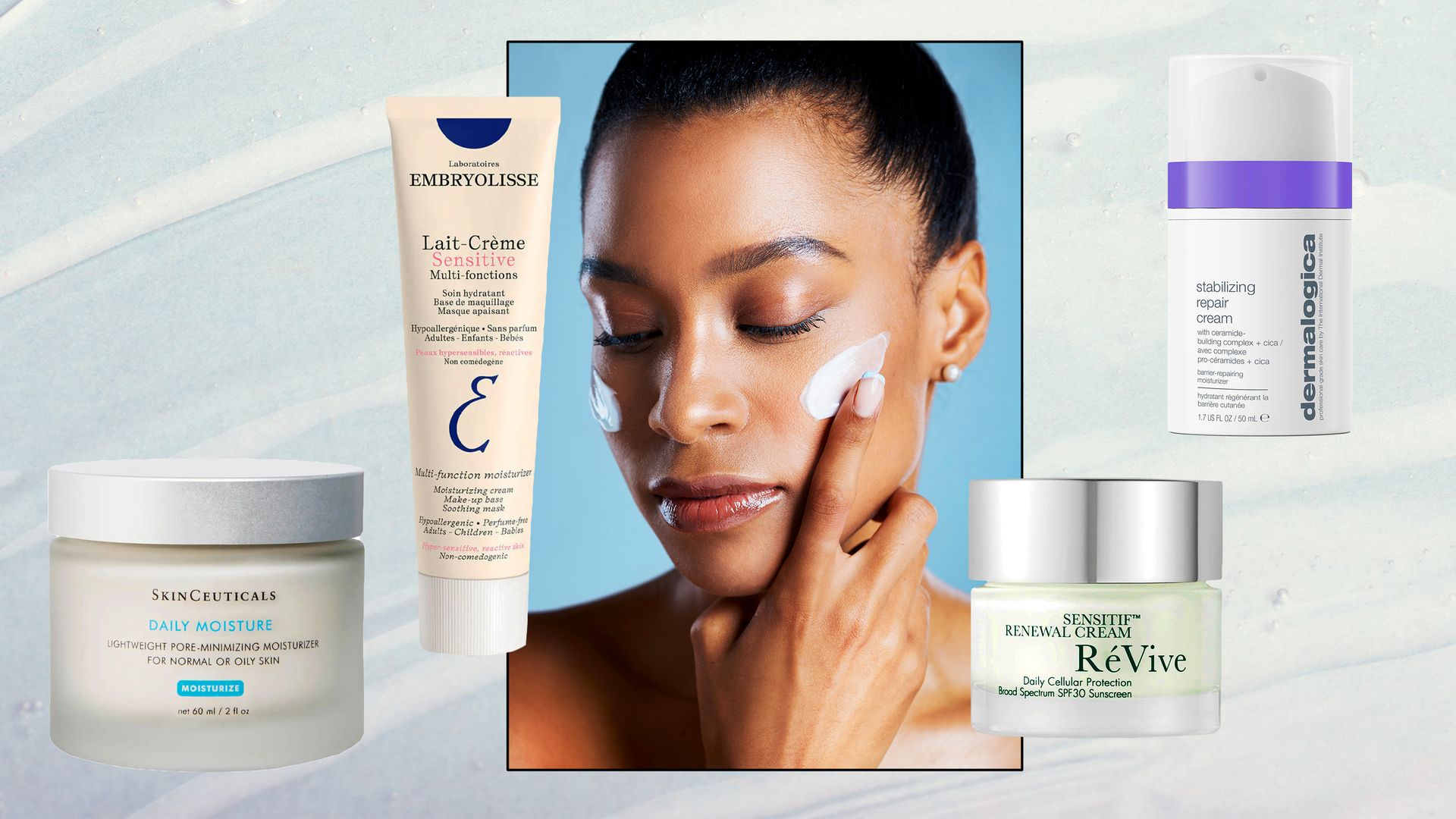
Choosing a good facial moisturizer requires matching your skin type with the correct combination of humectants, emollients, and occlusives. A quality moisturizer strengthens the skin barrier, reduces transepidermal water loss, and maintains hydration without causing irritation or clogged pores. Selecting the right formula involves evaluating active ingredients, texture, and your specific dermatological needs.
Understanding the Three Pillar Ingredients: Humectants, Emollients, and Occlusives
Every effective facial moisturizer relies on a balanced formulation of three main categories of hydrating agents: humectants, emollients, and occlusives. Understanding how these chemical components work together is essential for evaluating product labels and predicting how a product will perform on your skin.
1. Humectants
Humectants are hydrophilic (water-attracting) molecules that draw moisture into the outermost layer of the skin, known as the stratum corneum. They pull water both from the deeper layers of the dermis and from ambient humidity in the environment. Common humectants include:
- Hyaluronic Acid and Sodium Hyaluronate: Capable of holding up to 1,000 times their weight in water, providing immediate surface plumping.
- Glycerin: A classic, highly effective polyol that reinforces skin hydration and improves barrier function.
- Panthenol (Pro-Vitamin B5): Acts as a humectant while simultaneously soothing redness and surface irritation.
- Urea and Alpha Hydroxy Acids (AHAs like Lactic Acid): Function as natural moisturizing factors (NMFs) at low concentrations while providing mild exfoliation at higher levels.
2. Emollients
Emollients fill the microscopic gaps between shedding skin cells (corneocytes), smoothing the texture of rough or flaky skin. They help restore lipid structure and improve skin flexibility. Key emollients include:
- Ceramides: Lipid molecules naturally present in the skin barrier that replenish lost intercellular lipids.
- Squalane: A stable, lightweight lipid derived from plant sources that mimics human sebum without feeling greasy.
- Fatty Acids and Plant Oils: Ingredients such as jojoba oil, rosehip oil, and linoleic acid that soften the skin and support elasticity.
3. Occlusives
Occlusives create a physical barrier over the surface of the skin to prevent Transepidermal Water Loss (TEWL). They are particularly critical for dry, compromised, or aging skin. Common occlusive agents include:
- Petrolatum: The most effective occlusive ingredient available, reducing TEWL by up to 98%.
- Dimethicone and Cyclomethicone: Breathable silicone polymers that seal in moisture while granting products a silky, non-greasy finish.
- Shea Butter and Mineral Oil: Rich substances that form protective surface layers over dry or exposed skin.
How to Determine Your Skin Type and Moisture Needs
Selecting an optimal facial moisturizer depends primarily on your underlying skin type. Using a formula incompatible with your skin's natural oil production can lead to breakouts, excessive shine, or persistent dry patches.
| Skin Indicator | Skin Type |
|---|---|
| Tight, flaky, dull surface | Dry Skin |
| Excess shine, enlarged pores | Oily Skin |
| Oily T-zone, normal/dry cheeks | Combination Skin |
| Redness, burning, reactive patches | Sensitive Skin |
Dry Skin
Dry skin produces lower levels of natural sebum, leading to a compromised lipid barrier, tightness, flaking, and fine dehydration lines.
- Texture to Look For: Rich creams, ointments, or balm-textured formulations.
- Formulation Goals: High concentration of occlusives (like petrolatum or shea butter) paired with lipid-replenishing emollients (ceramides, cholesterol) to physically prevent moisture escape.
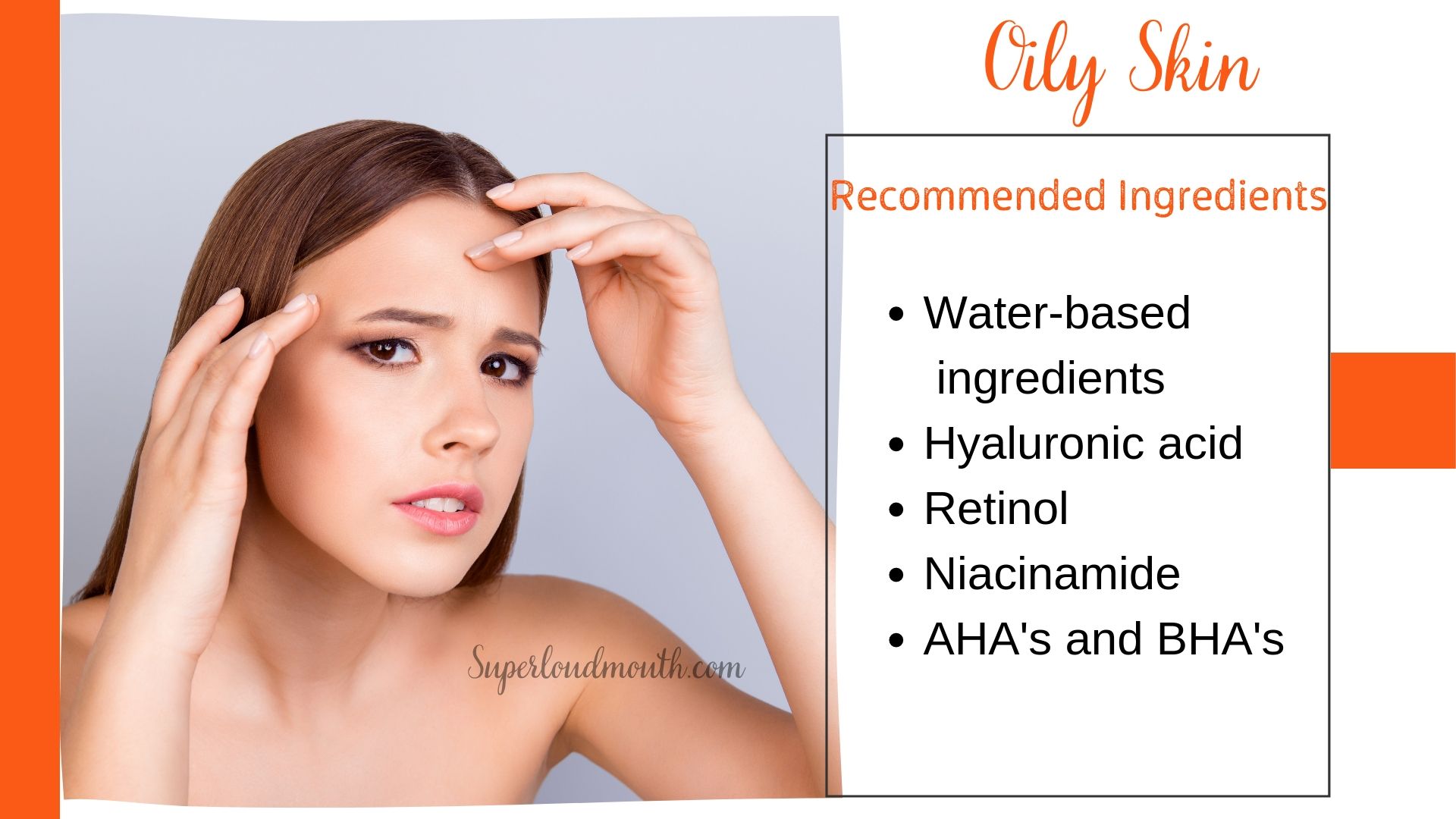
Oily and Acne-Prone Skin
Oily skin produces excess sebum but can still suffer from dehydration (lack of water content). Using overly heavy creams can clog pores and exacerbate acne.
- Texture to Look For: Water-based gels, gel-creams, or lightweight fluid lotions labeled oil-free and non-comedogenic.
- Formulation Goals: High ratio of humectants (hyaluronic acid, glycerin) combined with light, non-pore-clogging occlusives like dimethicone.
Combination Skin
Combination skin typically exhibits an oily T-zone (forehead, nose, and chin) alongside normal-to-dry cheeks.
- Texture to Look For: Medium-weight lotions or dual-zone care (a light gel on the T-zone and a richer cream on dry areas).
- Formulation Goals: Balanced formulas containing squalane, niacinamide, and lightweight humectants that hydrate without triggering excess oil production.
Sensitive and Reactive Skin
Sensitive skin has a vulnerable outer barrier easily triggered by environmental stressors, synthetic additives, or potent actives, resulting in redness, burning, or contact dermatitis.
- Texture to Look For: Minimalist, soothing cream or lotion formulas labeled fragrance-free and hypoallergenic.
- Formulation Goals: Barrier-repairing ingredients such as colloidal oatmeal, ceramides, and panthenol, free from common chemical irritants.
Key Active Ingredients to Look For Based on Your Skin Goals
Modern moisturizers frequently double as targeted treatment products. Look for key functional active ingredients tailored to specific dermatological goals:
- For Barrier Repair: Look for products containing a 3:1:1 lipid ratio of ceramides, cholesterol, and free fatty acids. This ratio mimics the natural lipid matrix of healthy skin, accelerating recovery from over-exfoliation or harsh climates.
- For Redness and Pore Refinement: Niacinamide (Vitamin B3) at concentrations between 2% and 5% helps reduce inflammation, regulate sebum production, and improve barrier integrity.
- For Calming Irritation: Colloidal Oatmeal, Allantoin, and Centella Asiatica (Cica) offer clinically proven soothing benefits for inflammatory conditions like eczema or rosacea.
- For Firming and Anti-Aging: Peptides (such as signal peptides and copper peptides) help stimulate collagen synthesis, while antioxidant complexes (Vitamin E, Ferulic Acid) protect the skin matrix from environmental oxidants.
Comprehensive Comparison: Facial Moisturizer Types by Skin Profile
| Moisturizer Type | Primary Texture | Key Ingredient Focus | Ideal Skin Type | Primary Benefit |
|---|---|---|---|---|
| Gel / Water Gel | Lightweight, clear liquid-gel | Hyaluronic acid, glycerin, aloe vera | Oily, acne-prone | Fast absorption; hydrates without shine |
| Gel-Cream | Semi-translucent, milky hybrid | Dimethicone, squalane, niacinamide | Combination, normal | Balanced hydration without heavy weight |
| Lotion | Fluid, emulsion-based cream | Lightweight oils, panthenol, ceramides | Normal, mild combination | Easy spreadability for daily maintenance |
| Rich Cream | Thick, opaque cream | Ceramides, shea butter, fatty acids | Dry, mature | Deep lipid replenishment; strengthens barrier |
| Ointment / Balm | Dense, occlusive paste | Petrolatum, mineral oil, microcrystalline wax | Extremely dry, compromised | Maximum protection against water loss |
Common Additives and Ingredients to Avoid for Sensitive or Reactive Skin
When evaluating a facial moisturizer, reviewing what is excluded from the formula is just as critical as analyzing its active benefits. Certain ingredients commonly added to enhance texture, shelf life, or sensory appeal can cause adverse reactions in compromised skin.
Synthetic Fragrance and Essential Oils
Fragrance is one of the leading causes of allergic contact dermatitis in skincare. Listed on labels as Parfum, Fragrance, Limonene, Linalool, or Citronellol, these compounds offer aesthetic sensory value but zero dermatological benefit. Sensitized, eczema-prone, or rosacea-affected skin should consistently stick to fragrance-free options (note that "unscented" products may still contain masking fragrances).
High Concentrations of Denatured Alcohol
Simple alcohols listed as Alcohol Denat., SD Alcohol, or Isopropyl Alcohol are often added to heavy formulas to help them dry quickly and feel weightless on the skin. However, in high amounts, they strip the skin's natural lipids, dissolve the protective surface layer, and lead to rebound oiliness or chronic dry patches. (Note: Fatty alcohols such as Cetyl, Cetearyl, and Stearyl Alcohol are non-drying, beneficial emollients that stabilize formulations).
Potentially Comedogenic Fillers
For acne-prone skin, high concentrations of heavy waxes and specific oils can obstruct hair follicles, leading to comedones (blackheads and whiteheads). Ingredients such as Coconut Oil, Isopropyl Myristate, and Myristyl Myristate rank high on the comedogenicity scale and are best avoided by individuals prone to congestion.
How to Test and Incorporate a New Facial Moisturizer into Your Routine
Adding a new moisturizer to your daily regimen should be done systematically to prevent widespread reactions or unexpected breakouts.
Step 1: Perform a Patch Test
Before applying any product to your face, perform a 48-hour patch test:
- Apply a small, dime-sized amount of the moisturizer to clean skin on your inner forearm or the side of your neck along the jawline.
- Leave the area dry and unwashed for 24 hours.
- Check for signs of redness, itching, burning, or small papules. If no reaction occurs, apply a second small amount for another 24 hours before full-face application.
Step 2: Apply to Damp Skin for Maximum Absorption
To maximize the efficacy of humectants like hyaluronic acid and glycerin, apply your moisturizer immediately after cleansing or applying water-based serums while the skin is still slightly damp. Humectants trap surface moisture and bind it to the skin tissue, significantly increasing overall hydration levels.
Step 3: Differentiate Between Day and Night Application
- Morning Routine: Prioritize lightweight lotion or gel-cream textures that sit smoothly under sunscreen and makeup. Alternatively, select a dedicated broad-spectrum SPF 30+ daytime moisturizer.
- Evening Routine: Use a richer, more occlusive formula containing lipid-replenishing ceramides or petrolatum to support the body's natural nocturnal repair cycle and offset nightly water loss.
Frequently Asked Questions
Should you use a different facial moisturizer for day and night?
Using separate moisturizers for day and night is often beneficial but not strictly mandatory. Daytime moisturizers should be lightweight, non-greasy, and either contain broad-spectrum SPF 30+ protection or layer comfortably underneath a dedicated sunscreen. Nighttime moisturizers should focus on repair, featuring higher concentrations of occlusives, ceramides, and targeted active ingredients without sunscreen filters.
What does "non-comedogenic" mean when choosing a moisturizer?
The term "non-comedogenic" indicates that a product has been formulated with ingredients that are unlikely to block pores or induce acne lesions. While it is not a universally regulated legal standard, choosing non-comedogenic moisturizers offers a safer starting point for individuals with oily, combination, or breakout-prone skin.
Can a moisturizer cause breakouts or acne?
Yes. A moisturizer can trigger breakouts if it contains heavy occlusives or comedogenic lipids that trap sebum, dead skin cells, and bacteria inside pores. Breakouts can also occur if a product disrupts the skin's natural pH or causes irritation, leading to inflammatory acne.
How do you know if a moisturizer is restoring your skin barrier?
Signs of a recovering skin barrier include a reduction in sting or burn sensations when applying basic products, decreased redness, smoothed surface flaking, improved skin elasticity, and sustained hydration throughout the day without frequent reapplication.
Selecting Your Ideal Moisturizer Strategy
To choose the right facial moisturizer, begin by diagnosing your primary skin condition rather than relying on marketing claims or product packaging. If your skin feels tight, dry, and flaky, prioritize dense cream formulations rich in ceramides, plant butter, and petrolatum. If your skin is prone to shine and enlarged pores, select oil-free gel hydrators driven by hyaluronic acid and dimethicone.
Always review full ingredient lists for potential irritants like added fragrance or drying denatured alcohols, especially if you have sensitive or reactive skin. Introduce new products slowly using a 48-hour patch test, apply formulas directly to damp skin, and adjust your product weight between morning and evening routines to achieve a stable, well-hydrated skin barrier.