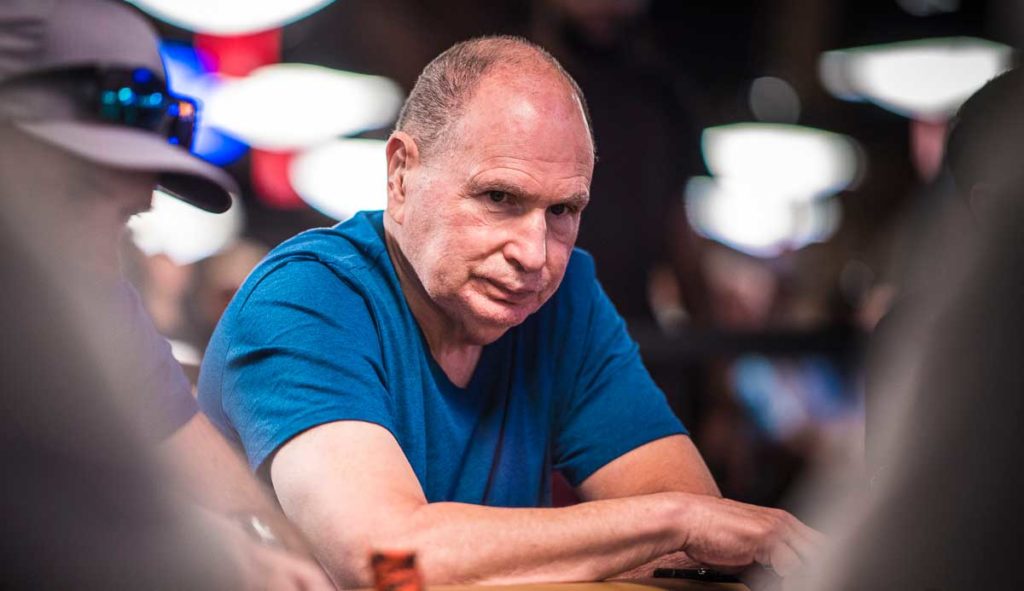
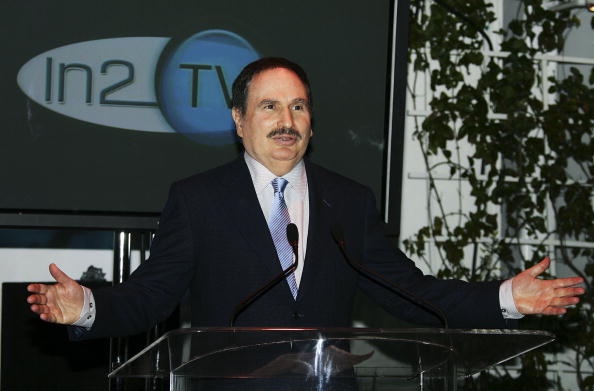
Gabe Kaplan is an acclaimed American actor, comedian, and professional poker player best known for his starring role in the 1970s sitcom Welcome Back, Kotter. Beyond his acting background, he transitioned into a world-class poker competitor and legendary commentator for High Stakes Poker, amassing a significant net worth through entertainment and gambling.
Early Life and the Comedy Roots of Gabriel Kaplan
Born Gabriel Kaplan on March 31, 1945, in Brooklyn, New York, Kaplan’s early aspirations were far removed from the bright lights of Hollywood or the high-stakes tables of Las Vegas. Growing up in a Jewish household, his primary passion was baseball. He harbored serious ambitions of playing in the Major Leagues, even attending spring training with the San Francisco Giants. However, when it became clear that a professional athletic career was not in the cards, Kaplan pivoted toward his natural talent for storytelling and humor.
Kaplan began his journey into the entertainment industry as a bellman at an estate in New Jersey. It was here that he began honing his stand-up comedy routine, observing the eccentricities of the guests and staff. By the early 1970s, he had become a regular on the nightclub circuit and made multiple appearances on The Tonight Show Starring Johnny Carson. His comedy was deeply rooted in his upbringing, specifically his experiences in the remedial "Special Academic" classes at New Utrecht High School. These stories eventually formed the blueprint for the character of Gabe Kotter and the ensemble of students known as the "Sweathogs."
His transition from stand-up to television was fueled by a unique brand of observational humor that resonated with a post-Vietnam War audience looking for relatable, urban storytelling. Kaplan’s ability to weave nostalgia with sharp, witty dialogue set the stage for one of the most iconic sitcoms of the 1970s.
The "Welcome Back, Kotter" Era: A Cultural Phenomenon
In 1975, ABC premiered Welcome Back, Kotter, a series co-created by Kaplan that saw him playing a teacher returning to his old high school to lead a group of unruly but lovable students. The show was an immediate hit, catapulting Kaplan to national stardom. It is also famously credited with launching the career of John Travolta, who played the charismatic Vinnie Barbarino.
The show's success was built on the chemistry between Kaplan’s character and the Sweathogs. While Kaplan provided the grounding presence of a mentor who understood the struggles of Brooklyn youth, the show allowed him to showcase his improvisational skills and comedic timing. During its four-season run (1975–1979), Welcome Back, Kotter became a staple of American pop culture, influencing fashion, slang, and the television landscape of the era.
Despite the show's massive success, internal tensions and creative differences eventually led to Kaplan’s departure as a full-time cast member in the final season. However, his portrayal of Gabe Kotter remains his most enduring acting legacy. Following the show, Kaplan appeared in several films, including the basketball comedy Fast Break (1979) and Nobody’s Perfekt (1981). While these projects did not reach the heights of his sitcom fame, they solidified his status as a leading man in the late 70s and early 80s comedy scene.
Transitioning from the Screen to the Poker Table
As his acting career slowed down in the early 1980s, Kaplan didn’t fade into obscurity; instead, he reinvented himself in a field that required nerves of steel and a sharp mind: professional poker. Kaplan had been a student of the game for years, but he shocked the world of gambling by proving he could compete with the most elite professionals in the industry.
Kaplan’s entry into the professional circuit was not a mere celebrity cameo. He was a "shark" in the truest sense. In 1978, he entered the World Series of Poker (WSOP), and by 1980, he achieved a milestone that silenced his critics. He won the Amarillo Slim’s Super Bowl of Poker, which at the time was considered the second-most prestigious tournament in the world after the WSOP Main Event. Facing a field of grizzled veterans and legendary pros, Kaplan walked away with the title and a significant cash prize, cementing his reputation as a legitimate force in the game.
His poker career is characterized by longevity. Unlike many celebrities who play for charity or publicity, Kaplan participated in high-stakes cash games and major tournaments for decades. His deep understanding of game theory, combined with his ability to read opponents—a skill likely sharpened during his years as a performer—made him a feared presence at the table.
Professional Poker Achievements and Tournament Success
Kaplan's resume at the poker table is impressive by any standard, not just by "celebrity" standards. Throughout the 1980s, 1990s, and 2000s, he remained active in the tournament circuit. He made multiple final tables at the World Series of Poker, showcasing his versatility in various formats, including No-Limit Texas Hold'em and Seven-Card Stud.
One of his most notable late-career performances occurred in 2004, when he finished third in a $5,000 No-Limit Hold'em event at the World Poker Tour (WPT) Mirage Poker Showdown, earning over $250,000. In 2005, he finished second in the $5,000 Limit Hold'em event at the WSOP, narrowly missing out on a coveted gold bracelet.
By the time he stepped back from full-time professional play, Kaplan had recorded over $2 million in live tournament earnings according to the Hendon Mob Poker Database. This figure does not include his earnings from private high-stakes cash games, where he was a regular fixture at the "Big Game" in Las Vegas, playing for stakes that could see hundreds of thousands of dollars change hands in a single session.
The Voice of Poker: Commentary and "High Stakes Poker"
While Kaplan's playing ability was undeniable, he perhaps made his greatest impact on the poker world through his commentary. In 2006, GSN launched High Stakes Poker, a show that revolutionized how the game was televised by focusing on massive cash games rather than tournament formats. Kaplan was paired with AJ Benza to provide commentary.
Kaplan’s role as a commentator was transformative. He brought a perfect blend of technical expertise and comedic wit. He could explain a complex "check-raise" or a "bluff-to-value" ratio while simultaneously making a dry joke about a player's fashion choices or demeanor. For many fans, Kaplan was the reason they watched. He provided a bridge between the hardcore professional world and the casual viewer.
He remained the voice of High Stakes Poker for several seasons before stepping away, only to return in later years as the show was revived on streaming platforms like PokerGO. In early 2023, Kaplan officially announced his retirement from the High Stakes Poker commentary booth, marking the end of an era for poker broadcasting. As of 2026, his commentary is still regarded as the gold standard in the industry.
Gabe Kaplan’s Net Worth and Financial Legacy in 2026
Assessing Gabe Kaplan’s net worth in 2026 requires looking at a diverse portfolio of earnings spanning five decades. While official figures are often kept private, financial analysts and industry insiders estimate Kaplan’s net worth to be between $30 million and $50 million.
This wealth is derived from several primary streams:
- Television Residuals: Welcome Back, Kotter has been in syndication for decades. As a co-creator and lead actor, Kaplan has benefited from long-term royalties that provide a steady passive income.
- Poker Winnings: With over $2 million in tracked tournament earnings and decades of success in high-stakes cash games, Kaplan’s "on-the-felt" income is substantial.
- Commentary and Media Fees: His long tenure as the premier commentator for GSN and PokerGO involved lucrative contracts, reflecting his value as the face of poker television.
- Strategic Investments: Known for his sharp mind, Kaplan has reportedly been a savvy investor in real estate and financial markets, leveraging his early television earnings to build long-term wealth.
Unlike many stars of the 70s who faced financial difficulties later in life, Kaplan managed his transition into the poker world with fiscal discipline, treating gambling as a profession rather than a vice.
Career Statistics and Key Milestones
The following table summarizes the pivotal moments in Gabe Kaplan’s career across entertainment and poker.
| Category | Milestone/Achievement | Year(s) | Significance |
|---|---|---|---|
| Acting | Welcome Back, Kotter | 1975–1979 | Launched his career and John Travolta's; cultural icon. |
| Acting | Fast Break | 1979 | Successful transition to lead film roles. |
| Poker | Super Bowl of Poker Winner | 1980 | Established him as a world-class professional player. |
| Poker | WSOP Final Table (Limit Hold'em) | 2005 | Proved longevity by competing with the "New School." |
| Media | High Stakes Poker Host | 2006–2023 | Revolutionized poker commentary and broadcasting. |
| Financial | Estimated Net Worth | 2026 | $30M - $50M (Entertainment & Professional Gambling). |
Frequently Asked Questions
Did Gabe Kaplan actually win a World Series of Poker bracelet?
No, Gabe Kaplan never won a WSOP gold bracelet, although he came very close on multiple occasions. His most notable runner-up finish was in 2005 in the $5,000 Limit Hold'em event. Despite the lack of a bracelet, his victory in the 1980 Super Bowl of Poker is considered by historians to be equivalent in prestige for that era.
Why did Gabe Kaplan leave "Welcome Back, Kotter"?
Kaplan’s departure was primarily due to creative and contractual disputes with the show's executive producer, James Komack. As the show progressed, Kaplan wanted more control over the writing and direction, which led to friction. By the fourth season, he appeared only sporadically before the show was ultimately canceled.
Is Gabe Kaplan still playing poker in 2026?
While Kaplan officially retired from his primary commentary duties in 2023, he remains an occasional participant in private high-stakes games. In 2026, he is viewed more as an elder statesman of the game, appearing at special events and ceremonies rather than grinding the daily tournament circuit.
How did Gabe Kaplan learn to play poker so well?
Kaplan was a student of the game during a time when poker was still largely an underground activity. He learned by playing with legendary Texas road gamblers and early Vegas professionals. His background in comedy and acting gave him a unique advantage in psychology, allowing him to read "tells" and manipulate table dynamics more effectively than many of his peers.
What is Gabe Kaplan's relationship with John Travolta?
Kaplan and Travolta shared a positive professional relationship during the filming of Welcome Back, Kotter. While their career paths diverged significantly afterward—Travolta becoming a global film superstar and Kaplan moving toward poker—Kaplan has always spoken fondly of Travolta’s talent and the chemistry they had on set.
Tracking the Legacy of a Cultural Icon
For those interested in the history of 1970s television or the evolution of professional poker, Gabe Kaplan remains a mandatory subject of study. His career serves as a blueprint for professional reinvention. Whether you are a fan of his "Sweathog" days or a poker enthusiast who grew up listening to his analysis on GSN, Kaplan’s influence is undeniable.
To further explore his poker statistics and historical tournament runs, fans should consult the official WSOP Player Profile database or the Hendon Mob. For those looking to revisit his acting roots, Welcome Back, Kotter remains available on various streaming platforms and in digital archives, preserving the Brooklyn wit that started it all. Gabe Kaplan’s journey from a Brooklyn classroom to the high-stakes tables of Las Vegas is a testament to the power of diversifying one's talents and remaining relevant across generations.