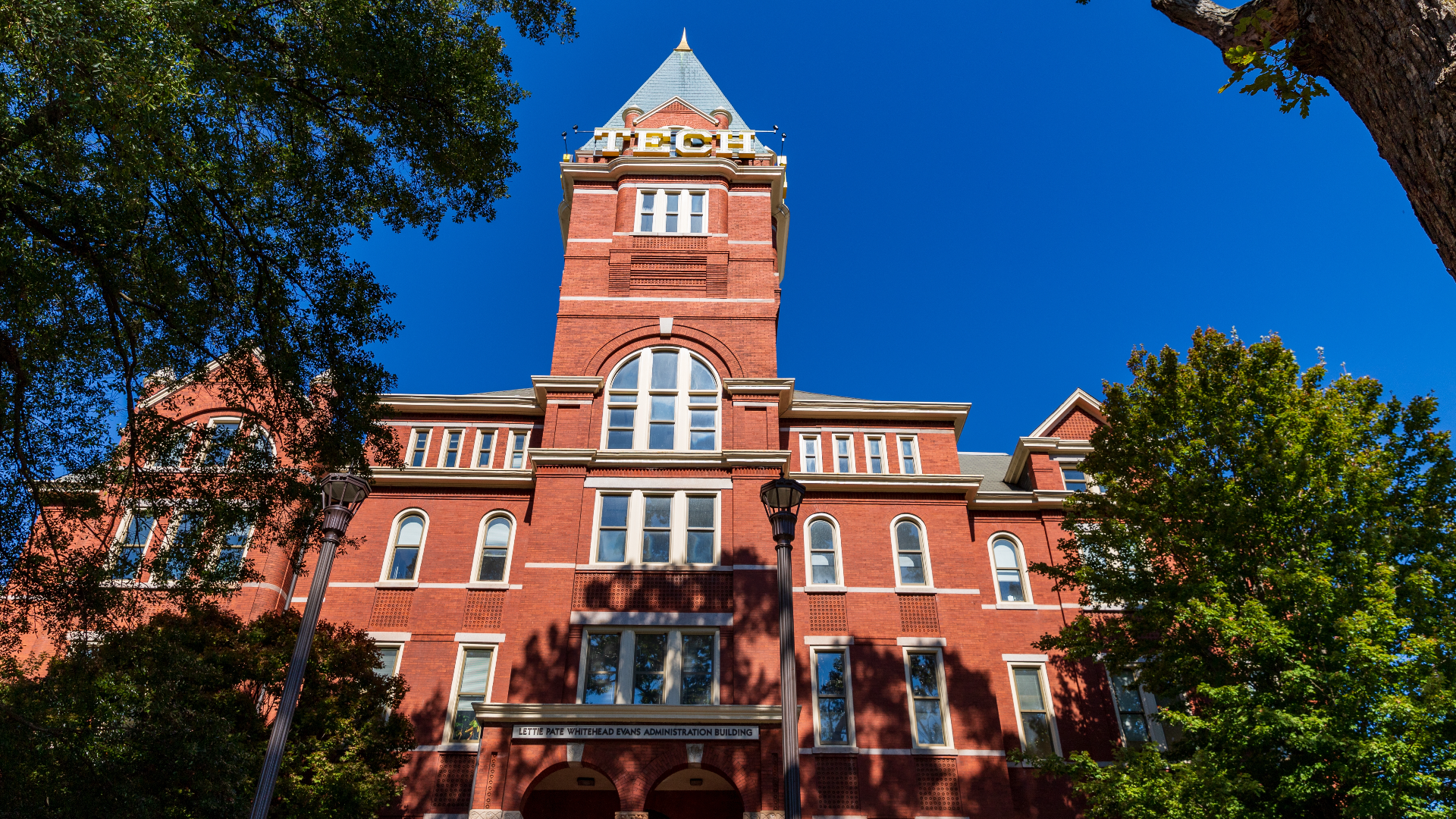
The Georgia Institute of Technology, commonly referred to as Georgia Tech, maintains a unique social and fraternal environment defined by its rigorous academic culture. When discussing sorority rankings at Georgia Tech in 2026, it is essential to recognize that there is no official, administrative ranking system provided by the Office of Fraternity and Sorority Life (FSL). Rankings are subjective, often driven by external perception, historical prominence, and chapter-specific philanthropy, rather than any institutional metric.
The Reality of Sorority Life at Georgia Tech in 2026
Unlike traditional liberal arts universities where social hierarchies may dominate campus discourse, the Greek life system at Georgia Tech is deeply integrated into the university’s STEM-focused identity. The sorority experience here is governed primarily by the College Panhellenic Council (CPC). As of the 2026 academic year, the community consists of several chapters, each affiliated with the National Panhellenic Conference (NPC).
The value of a sorority at Georgia Tech is not defined by a numerical ranking but by the fit of the organization within an individual's personal and professional development goals. Students are encouraged to evaluate chapters based on their specific values, academic support systems, and active membership engagement levels.
Core Pillars of Georgia Tech Sorority Life
- Scholarship and Academic Excellence: Georgia Tech maintains high GPA requirements for membership, often exceeding national minimums to ensure members remain in good standing with their engineering or science curricula.
- Philanthropic Engagement: Chapters are evaluated by their ability to organize community service events, participate in campus-wide initiatives, and support national charitable foundations.
- Leadership Development: Sororities offer structured pathways for members to serve on the CPC executive board, lead chapter committees, and coordinate complex event logistics.
- Professional Networking: Given the university's placement metrics, sororities function as a secondary professional network, connecting members with alumni across Fortune 500 companies and research institutions.
Understanding the 2026 Recruitment Process
The recruitment process at Georgia Tech for the 2026 cycle remains a highly structured, mutual selection process. It is important for prospective members to understand that recruitment is not a beauty contest or a popularity vote but a match-making procedure designed to align values between the potential new member (PNM) and the active chapter.
Structural Phases of Fall Recruitment 2026
- Open House: Initial rounds focused on meeting all active chapters to establish a baseline familiarity.
- Philanthropy Round: Focused sessions where PNMs learn about the specific causes supported by each chapter.
- Sisterhood Round: Deeper conversations regarding the internal culture and bonds of the sororities.
- Preference Round: The final stage where members and PNMs finalize their mutual preferences, leading to the selection process on Bid Day.
Comparison of Chapter Characteristics
While rankings are inherently unofficial, chapters at Georgia Tech are often characterized by their specific focus areas. The table below outlines common areas of focus for chapters operating under the Georgia Tech Panhellenic umbrella in 2026.
| Focus Area | Typical Chapter Emphasis | Institutional Standard |
|---|---|---|
| Academic Rigor | Peer study groups and academic tutoring | High GPA mandate |
| Philanthropy | Community outreach and fundraising | Required service hours |
| Social Integration | Campus event participation | CPC event guidelines |
| Career Readiness | Networking events and workshops | Alumni mentorship |
Addressing Misconceptions Regarding Sorority Rankings
External websites often attempt to publish "sorority rankings" based on social media presence or campus visibility. These metrics are fundamentally flawed because they do not reflect the institutional stability, financial health, or internal culture of the chapters.
An "elite" status in 2026 is better measured by:
- Retention Rates: The percentage of members who remain active and engaged through their senior year.
- Financial Transparency: The efficiency with which a chapter manages its dues and social funds.
- Risk Management Compliance: A chapter’s ability to adhere strictly to the Georgia Tech Student Code of Conduct and the FSL policies regarding event hosting.
Financial and Operational Realities for Members
Joining a sorority at Georgia Tech involves a significant financial commitment. In 2026, dues cover national fees, chapter operating costs, facility maintenance, and social programming. Before participating in recruitment, potential members should review the "Financial Disclosure" documents provided by the Office of Fraternity and Sorority Life.
Essential Checklist for Prospective Members
- Audit Financial Obligations: Ensure you understand the distinction between one-time new member fees and recurring semester dues.
- Review Academic Standing: Verify that your current course load permits the time commitment required for mandatory chapter meetings.
- Assess Cultural Fit: During the recruitment process, prioritize chapters where you feel comfortable expressing your authentic self rather than attempting to align with a perceived "top tier" ranking.
- Verify Housing Requirements: Understand the house residency requirements, as some chapters require officers or members to live in the chapter facility for a specified term.
Frequently Asked Questions
Are there official sorority rankings published by Georgia Tech? No, Georgia Tech does not publish or endorse any official ranking of sororities. All such lists found on external websites are unofficial and do not represent the institution’s stance or the quality of the chapters.
How is the "top" sorority determined at Georgia Tech? There is no "top" sorority. The best chapter is the one that aligns with your personal values, professional goals, and comfort level during the recruitment process.
What is the minimum GPA required to join a sorority at Georgia Tech? While national organizations set a baseline, Georgia Tech’s chapters often enforce a higher internal minimum GPA to ensure members can maintain the rigorous academic standards of their respective majors.
Does participation in Greek life impact academic performance? For many students, the structure and study groups provided by sorority life actually bolster academic performance, provided the student maintains effective time management between academic and social obligations.
Can I participate in recruitment as a transfer student? Yes, transfer students are eligible for recruitment provided they meet the university’s enrollment requirements and the specific eligibility criteria established by the College Panhellenic Council for the 2026 academic year.
Strategic Conclusion for Prospective Members
Navigating the social landscape at Georgia Tech requires a focus on long-term value rather than fleeting social perception. As you approach the 2026 recruitment season, prioritize the organizational mission of each chapter, the strength of their alumni network, and the support systems they provide for students in challenging majors. By focusing on your own objectives rather than arbitrary rankings, you will be better positioned to find a community that enhances your tenure at the Georgia Institute of Technology. Engage with the FSL office to confirm all event dates and eligibility requirements to ensure you are fully prepared for a successful recruitment cycle.