When navigating the loss of a loved one, finding a trusted, compassionate, and experienced mortuary service is essential. Located in Chattanooga, Tennessee, Franklin-Strickland Funeral Home has long served Hamilton County and the surrounding region with dignified traditional services, cremation options, and personalized memorial celebrations. As families face the intricate logistics of end-of-life planning in 2026, understanding facility offerings, regulatory frameworks, pricing structures, and pre-planning protocols helps alleviate the burden during times of grief.
Core Legacy and Historical Context of Franklin-Strickland Funeral Home
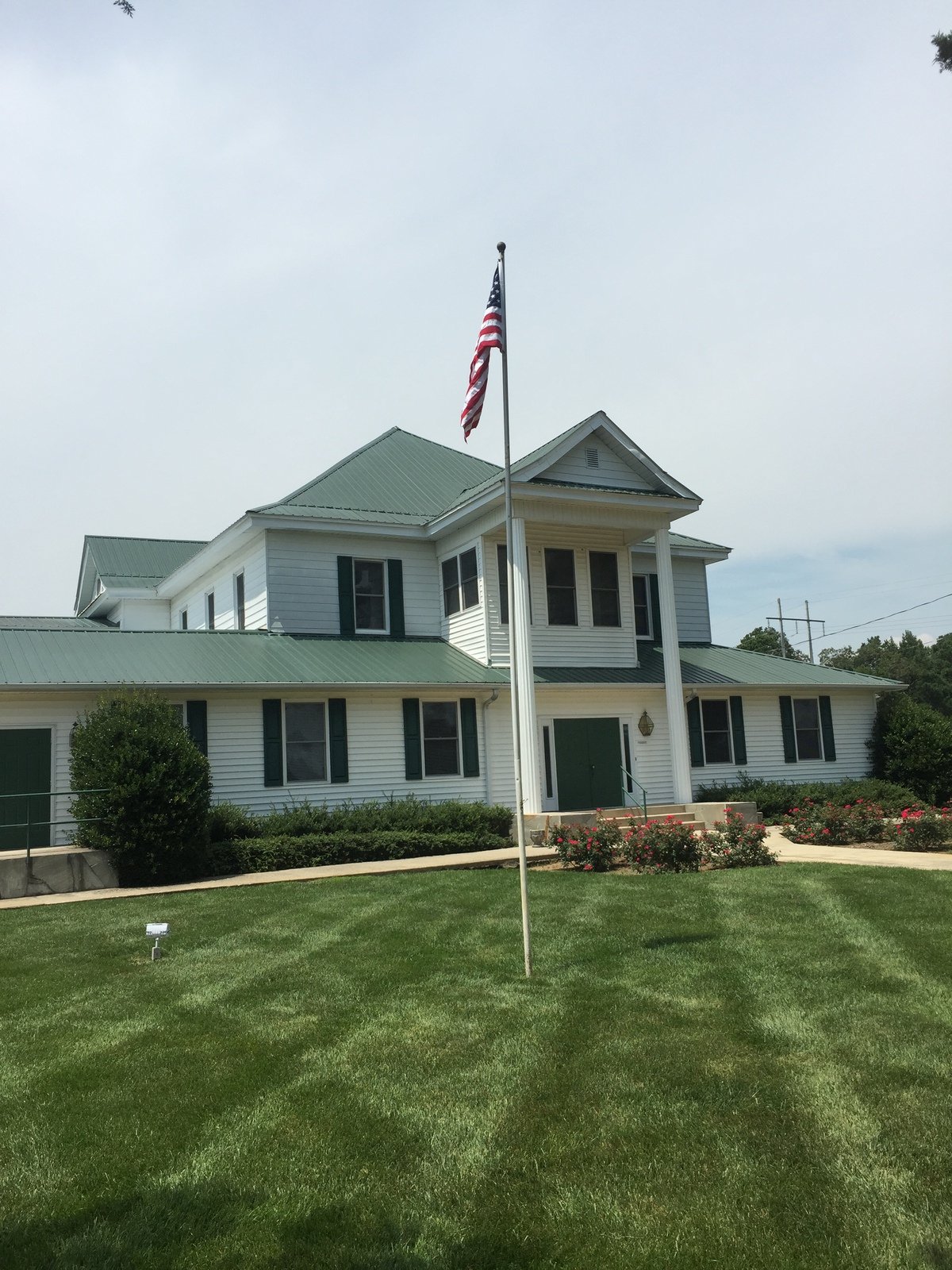
Established on MLK Boulevard (formerly 8th Street) in downtown Chattanooga, the facility operates within the historic urban core of the region. Rooted in a deep tradition of community service, the establishment has adapted to modern memorial trends while maintaining classic standards of professional care. Serving families across diverse cultural and religious backgrounds, the directors specialize in tailoring arrangements to honor specific wishes, whether through military honors, religious rites, or secular celebrations of life.
Serving the greater Chattanooga metropolitan area, the funeral home coordinates closely with local cemeteries, including National Cemeteries, historical church grounds, and municipal burial parks. Navigating local ordinances and regional cemetery rules requires precise coordination, which experienced mortuary staff manage seamlessly on behalf of grieving families.
Comprehensive Overview of Available Services in 2026
Modern death care encompasses a wide spectrum of customizable arrangements designed to reflect individual preferences and financial realities. Franklin-Strickland Funeral Home provides a full suite of services structured to support families through immediate need arrangements or long-term pre-planning strategies.
- Traditional Burial Services: Includes professional staff services, embalming, casketing, cosmetic preparation, viewing or visitation hours, a formal funeral ceremony in a chapel or local church, and graveside committal services.
- Direct Cremation: A streamlined process where cremation occurs without a formal public viewing or service beforehand. Families frequently choose this option to hold a memorial service at a later date or in a separate location.
- Cremation with Memorial Service: Combines cremation with a formal gathering where the urn is present, allowing for eulogies, musical tributes, and structured remembrance.
- Celebration of Life Events: Highly personalized gatherings focused on the unique hobbies, passions, and achievements of the deceased, moving away from somber tones toward uplifting commemorations.
- Veterans Honors and Military Tributes: Specialized coordination with the Department of Veterans Affairs to secure presidential memorial certificates, flag presentations, and military buglers for honorably discharged veterans.
Comparison of Service Types and Operational Realities
Selecting the appropriate service type involves balancing emotional needs with logistical and budgetary factors. The following matrix outlines the primary arrangements available, along with their operational characteristics and average timelines.
| Service Category | Typical Timeline | Direct Involvement Required | Associated Costs & Requirements |
|---|---|---|---|
| Traditional Burial | 3 to 7 days post-passing | High (casket selection, viewing scheduling, cemetery coordination) | Highest cost tier; requires casket, vault, and cemetery plot purchase. |
| Direct Cremation | 3 to 5 days for processing | Low (authorization paperwork, urn selection) | Most cost-effective; eliminates embalming and cemetery vault fees. |
| Cremation with Memorial | 5 to 14 days | Moderate (urn selection, memorial event planning) | Moderate cost; provides flexibility for scheduling family travel. |
| Pre-Arranged Planning | Decades in advance | Completed proactively | Fixed-rate options available via trusted insurance or trust vehicles. |
Step-by-Step Guide: What to Do Immediately Following a Passing
When a death occurs, knowing the exact sequence of events minimizes confusion and ensures legal compliance. Families working with Franklin-Strickland Funeral Home typically follow a structured operational workflow.
- Immediate Medical Notification: If the passing occurs at home under non-hospice care, call 911 immediately. If the individual is under hospice care, contact the hospice nurse, who will pronounce the death and guide initial steps.
- Engaging Mortuary Professionals: Contact the funeral home directly. Professional staff are available 24/7 to dispatch a transfer team to bring the deceased into their care.
- Initial Arrangement Conference: Schedule an in-person or virtual consultation with a licensed funeral director. Bring vital statistics, social security numbers, insurance policies, clothing, and a recent photograph.
- Securing Permits and Death Certificates: The funeral director initiates the medical certification process with attending physicians or the county medical examiner to secure official death certificates and burial transit permits.
- Finalizing Service Details: Confirm dates, times, officiants, music, floral arrangements, and obituary publication details for local newspapers and online portals.
Professional Advisory on Document Preparation: Securing multiple certified copies of the death certificate is essential. Financial institutions, insurance companies, government agencies, and probate courts generally require original certified copies—rather than photocopies—to transfer titles, close accounts, and release benefits.
Financial Transparency, Pre-Planning, and Consumer Rights
Navigating funeral expenses requires a clear understanding of federal regulations, specifically the Federal Trade Commission (FTC) Funeral Rule. This regulation mandates that funeral homes provide transparent pricing via a General Price List (GPL), preventing hidden fees and allowing consumers to itemize goods and services.
Understanding Pre-Needs vs. At-Needs Planning
- At-Needs Arrangements: Made immediately following a death. While handled with professional empathy, emotions can sometimes drive purchasing decisions under tight time constraints.
- Pre-Needs Arrangements: Contracted well in advance of need. These agreements lock in today's prices, shielding families from future inflation while easing the emotional and financial burden on surviving relatives. Funds are typically placed into state-regulated trust accounts or specialized funeral insurance policies.
Pros and Cons of Working with Independent vs. Corporate Funeral Providers
Families often weigh local, independent establishments against massive corporate conglomerates. Evaluating these differences highlights why local roots matter in end-of-life care.
- Pros of Independent Establishments (e.g., Franklin-Strickland):
- Deep familiarity with local regional customs, cemeteries, and clergy.
- Direct accountability to the local community rather than distant corporate shareholders.
- Highly personalized, flexible service structures tailored to unique family requests.
- Cons of Independent Establishments:
- May have smaller physical footprints or fewer nationwide network transfer options compared to multi-national conglomerates.
- Inventory displays for caskets and urns may rely more heavily on digital catalogs rather than massive physical showrooms.
Frequently Asked Questions
What documents are required when meeting with the funeral director?
You should bring the social security number of the deceased, military discharge papers (DD-214) if applicable, insurance policy details, clothing for dressing, and a recent photograph for cosmetology and obituary purposes. Bringing these items accelerates the legal filing process.
Can services be personalized for non-religious families?
Yes, modern memorial services frequently center on secular themes, celebrating a person's life, career, and hobbies rather than traditional religious liturgy. Celebrants or family members can lead these gatherings.
How are cremated remains handled legally in Tennessee?
Cremated remains can be buried in a cemetery plot, placed in a columbarium niche, kept at home in a secure urn, or scattered in accordance with local environmental laws and private property permissions.
What is the purpose of embalming, and is it legally required?
Embalming sanitizes and temporarily preserves the body, which is helpful if there is an extended timeline before services or an open-casket visitation. It is rarely mandated by law unless specific transport or delayed burial conditions apply.
How do pre-paid funeral plans work?
Pre-paid plans allow you to select and pay for services in advance. Funds are placed into a state-regulated trust or insurance policy, ensuring that the price is locked in and protected against future inflation.
Are military honors available for all veterans?
Honorably discharged veterans are entitled to military funeral honors, which include the folding and presentation of the United States flag and the playing of Taps, coordinated at no cost by the Department of Veterans Affairs.
Conclusion and Next Steps
Arranging a meaningful farewell requires careful coordination, compassionate guidance, and transparent communication. For families in the Chattanooga area navigating these critical moments in 2026, reaching out directly to experienced professionals ensures that every detail is handled with precision and grace. To discuss immediate arrangements, explore pre-planning options, or review current general price lists, contact Franklin-Strickland Funeral Home directly or schedule a consultation with a licensed funeral director.