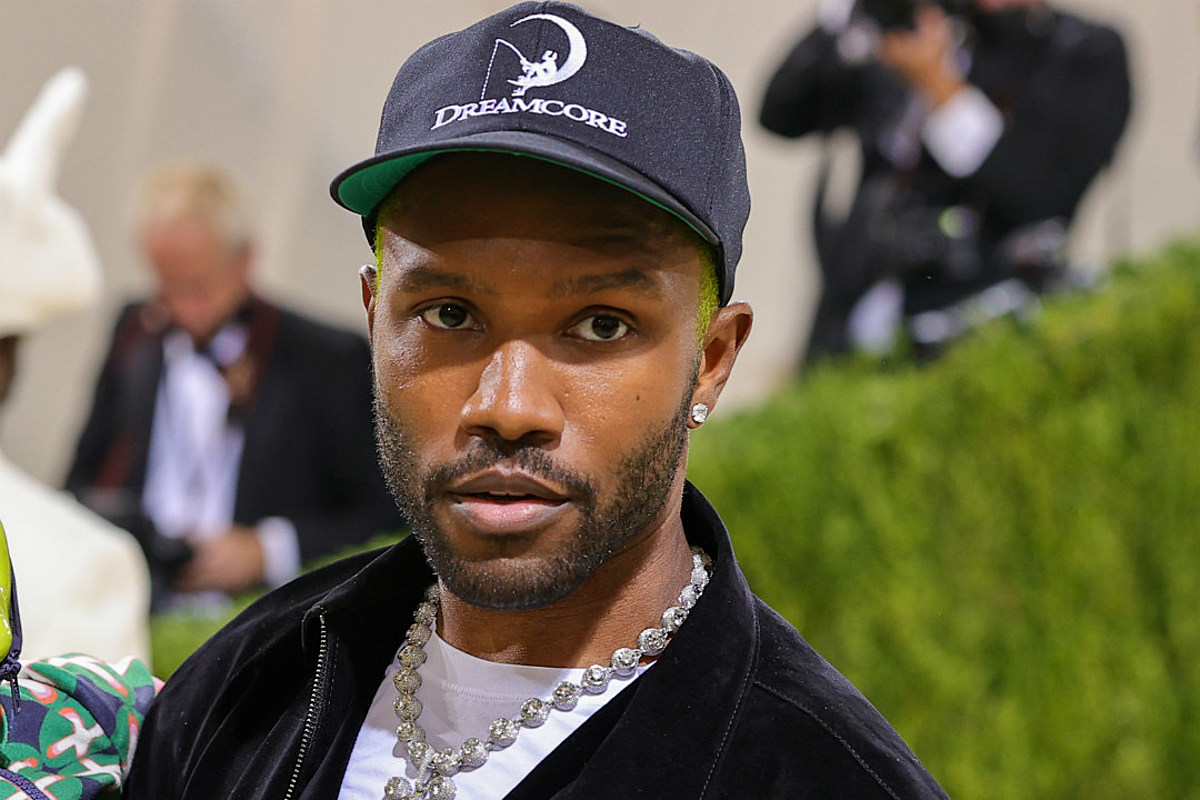
As of 2026, Frank Ocean’s net worth is estimated to be between $90 million and $110 million. This substantial valuation is not merely the result of music sales but is driven by his strategic independence, the full ownership of his master recordings for Blonde, the growth of his luxury brand Homer, and his high-premium live performance fees. Unlike many of his peers, Ocean’s financial profile is defined by scarcity, high-margin luxury ventures, and one of the most successful "exit strategies" in the history of the music industry.
The Foundation of Wealth: Early Songwriting and the "Lonny Breaux" Era
Before Frank Ocean became a household name and a critical darling, his financial foundation was built in the background of the music industry. Moving to Los Angeles after Hurricane Katrina, Ocean (then known as Christopher Breaux) worked as a songwriter for hire under the name Lonny Breaux. During this period, he penned tracks for established stars like Justin Bieber, John Legend, and Beyoncé.
This era was critical for his long-term financial health for two reasons. First, it provided him with a steady stream of publishing royalties and upfront fees that funded his early creative independence. Second, it allowed him to observe the pitfalls of the traditional label system from the inside. Songwriters often receive a smaller portion of the "pie" compared to performers, but the intellectual property (IP) rights Ocean retained from these early sessions created a baseline of passive income. By the time he joined the Odd Future collective, he already possessed a professional understanding of how music publishing worked, which he would later use to outmaneuver major corporate entities.
The Def Jam Mastery: A Financial Case Study in Independence
Frank Ocean’s most significant financial milestone remains his departure from Def Jam Recordings in 2016. This move is frequently cited by industry analysts as a masterclass in artist autonomy. After a period of creative friction with the label, Ocean released the visual album Endless on August 19, 2016. This release fulfilled his remaining contractual obligations to Def Jam and its parent company, Universal Music Group (UMG).
Immediately following the fulfillment of that contract, Ocean released his second studio album, Blonde, independently under his own label, Boys Don’t Cry. By doing so, Ocean shifted from a traditional royalty structure—where an artist might receive 15% to 20% of revenue after recouping costs—to an independent model where he retained roughly 70% of all streaming and sales revenue.
In the years leading up to 2026, the long-tail revenue from Blonde has been astronomical. Because Ocean owns the master recordings, he captures the lion’s share of the profit from every stream. With Blonde remaining a consistent top-performer on platforms like Spotify and Apple Music nearly a decade after its release, the album continues to generate millions of dollars annually in passive income with virtually no overhead.
Homer: Diversification into High-End Luxury
While music provided the initial capital, Ocean’s expansion into the luxury goods market with his brand, Homer, has significantly elevated his net worth. Launched in 2021, Homer focuses on high-end jewelry, silk scarves, and accessories. The brand’s financial strategy mirrors Ocean’s music strategy: scarcity, premium pricing, and total creative control.
Homer operates out of a flagship store in New York City and maintains an "appointment-only" or highly exclusive digital presence. By utilizing lab-grown diamonds and high-grade Italian craftsmanship, the brand maintains high profit margins while positioning itself alongside legacy houses like Cartier or Tiffany & Co. In the financial landscape of 2026, luxury brands owned by celebrities are often valued at high multiples of their annual revenue. Industry insiders suggest that Homer’s valuation accounts for a significant portion of Ocean's total wealth, as it represents a tangible asset outside of the volatile music market.
Live Performance and the "Scarcity Premium"
Frank Ocean is famously reclusive, rarely performing live or touring. While this might seem counterintuitive for wealth building—since touring is typically the primary income source for modern musicians—it has created a "scarcity premium" for his appearances.
When Ocean does agree to headline a festival, such as his highly publicized (and debated) Coachella 2023 appearance, his performance fees are reportedly among the highest in the industry, often exceeding $4 million to $5 million per weekend. By 2026, this model has proven sustainable. Because he does not saturate the market, he can command top-tier pricing for one-off events, private bookings, and limited-run engagements. This allows him to maintain a high net worth without the physical and financial exhaustion of 100-date world tours.
Comparative Financial Structure: Signed vs. Independent
The following table illustrates the estimated revenue distribution for a high-performing album under a traditional major label contract versus Frank Ocean’s independent model for Blonde.
| Revenue Component | Traditional Major Label Model | Frank Ocean (Independent) |
|---|---|---|
| Gross Streaming Revenue | 100% | 100% |
| Label Share | 80% - 85% | 0% |
| Artist Royalty Share | 15% - 20% (Pre-tax) | 70% - 80% (After Distribution) |
| Master Recording Ownership | Label Owned | Artist Owned |
| Creative Control | Shared/Limited | Absolute |
| Marketing Overhead | Label Funded (Recoupable) | Artist Funded |
Note: Figures are based on standard industry averages and reported details regarding Ocean's independent distribution through companies like STEM or Orchard.
Real Estate and Physical Asset Portfolio
A significant portion of Frank Ocean's financial profile is tied up in high-value real estate. He has historically maintained properties in Los Angeles, New York City, and London. In 2019, he was linked to a $6.3 million property in Malibu, and his real estate holdings have likely appreciated significantly in the intervening years.
In addition to residential property, Ocean is an avid collector of cars and art. His collection includes rare BMW E30 M3s and other vintage European models, which have seen a massive surge in valuation among collectors. Unlike depreciating luxury assets, Ocean’s taste for "modern classics" has turned his garage into a legitimate investment portfolio. His involvement in the art world also suggests a collection of contemporary pieces that serve as a hedge against inflation and market volatility.
Future Financial Outlook and Intellectual Property
Looking toward the latter half of the 2020s, the valuation of music catalogs has become a central theme in celebrity finance. While many artists have sold their catalogs for massive lump sums (e.g., Bruce Springsteen or Bob Dylan), Ocean has held onto his.
Should he choose to sell the rights to Channel Orange (which has complex ownership involving Def Jam) or his fully-owned Blonde and Endless masters, he could potentially see a windfall of $150 million to $200 million in a single transaction. However, his current strategy suggests he prefers the long-term cash flow and the leverage that ownership provides. His financial profile in 2026 is that of a "creative mogul"—someone who uses art as the lead-in for a broader ecosystem of luxury products and intellectual property.
Frequently Asked Questions
How did Frank Ocean get out of his Def Jam contract?
Frank Ocean released a "visual album" titled Endless to satisfy the technical requirements of his contract. This was a surprise move that left the label with a non-traditional product while Ocean held his "true" second album, Blonde, for an independent release just 24 hours later. This maneuver allowed him to keep the majority of the profits from Blonde.
Does Frank Ocean own his masters?
He owns the master recordings for Blonde and most of his independent releases. The masters for his debut album, Channel Orange, and the mixtape Nostalgia, Ultra are largely controlled by Universal Music Group, though he retains his songwriter's share of the publishing royalties for those works.
What is the main source of Frank Ocean’s wealth in 2026?
While streaming royalties from Blonde provide a massive baseline of passive income, his luxury brand Homer and his high-value real estate and car collections constitute a larger portion of his overall net worth. His ability to command multi-million dollar fees for rare live appearances also adds significant periodic injections of capital.
How much does Frank Ocean make per year?
Estimating an exact annual salary is difficult due to his irregular release schedule. However, between streaming royalties, Homer sales, and investment appreciation, his annual gross income is estimated to fluctuate between $10 million and $20 million, even in years when he does not release new music or perform.
Why is Frank Ocean's net worth higher than other artists with more hits?
Net worth is a measure of assets, not just fame. Because Ocean owns his IP and has a successful luxury business, his "take-home" percentage is much higher than pop stars who may have more radio hits but have to split their earnings with labels, managers, and large touring crews.
Strategic Financial Recommendations
For those looking to understand the "Frank Ocean Model" of wealth building, the primary takeaway is the prioritization of ownership over upfront cash. By refusing a large advance in favor of owning his masters, Ocean ensured a lifetime of high-margin income.
Investors and creators should note his "scarcity as a brand" strategy. In a 2026 market saturated with constant content, Ocean's financial profile proves that maintaining a high level of quality and limiting supply can drive up the value of an individual brand. The next logical step for his financial profile would be the expansion of Homer into physical retail hubs in Paris or Tokyo, further solidifying his status as a global luxury entrepreneur rather than just a musician.