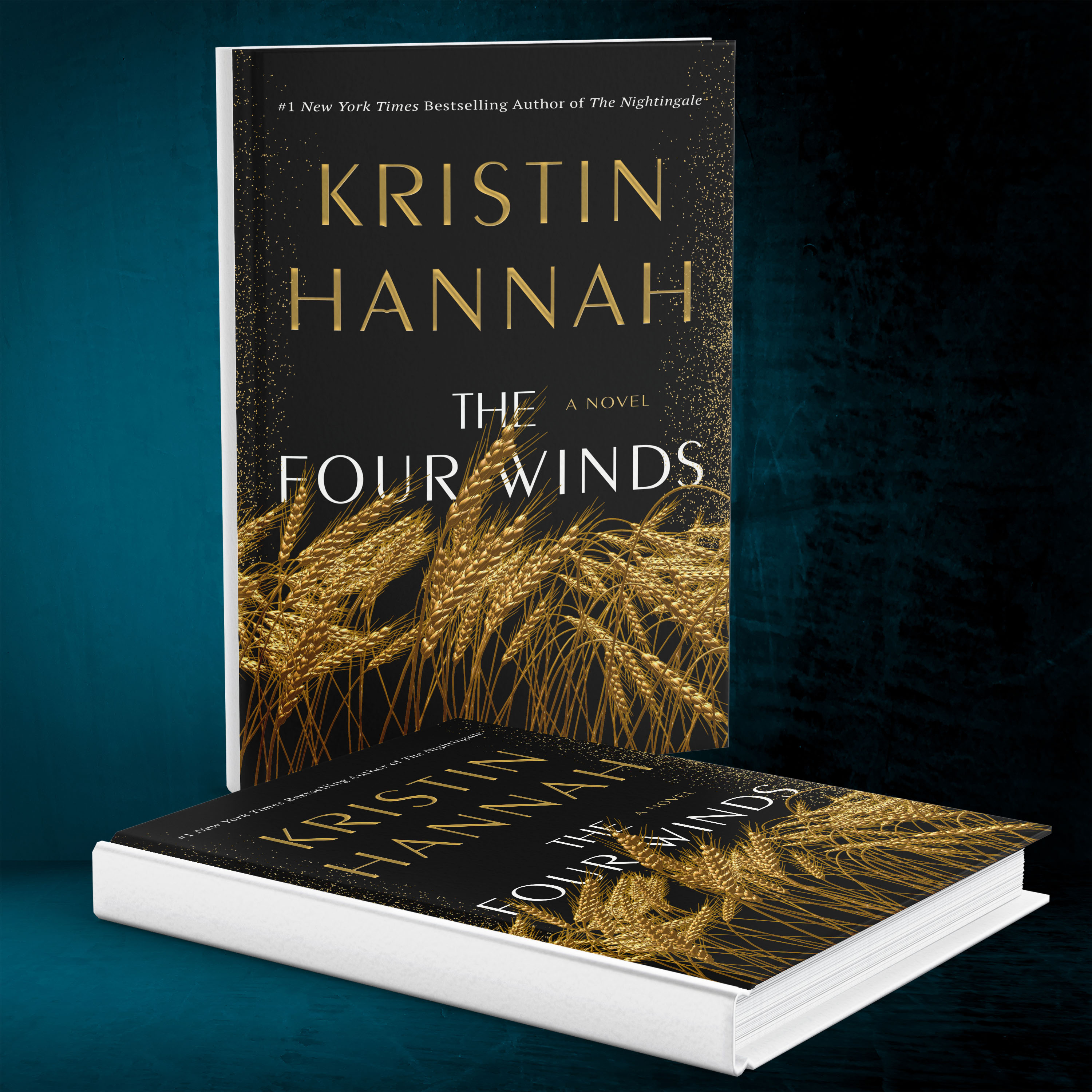
Following the massive commercial success of Kristin Hannah's 2021 historical novel The Four Winds, screen rights were optioned for visual adaptation. While fans eagerly anticipate an official production timeline, studio announcements remain in the development phase without a locked release date or finalized cast. The novel tells the epic story of Elsa Martinelli navigating the 1930s Dust Bowl and Great Depression.
Current Status of 'The Four Winds' Screen Adaptation
Kristin Hannah’s literary catalog has become one of Hollywood's most sought-after properties for film and television producers. Following the high-profile adaptation of Firefly Lane into a successful multi-season Netflix series and the long-gestating feature film development of The Nightingale at TriStar Pictures, The Four Winds immediately attracted major studio attention upon its release in February 2021.
Screen rights for The Four Winds were optioned shortly after the book spent months atop The New York Times bestseller list. However, optioning screen rights represents an early milestone in Hollywood's development pipeline rather than a guarantee of immediate production. As of 2026, the project remains in active development. Screenwriters and creative teams periodically refine scripts to translate Hannah's expansive 450-page historical epic into a manageable feature film runtime or a multi-episode limited series format.
No official director, principal cast, or platform release date has been formally announced by major production houses. While fan casts frequently circulate online—suggesting actors such as Jessica Chastain or Emily Blunt for the lead role of Elsa—these remain speculative until executive producers greenlight pre-production and announce official casting notices through industry trades like Variety or The Hollywood Reporter.
Core Story Overview: Plot and Narrative Arc
The Four Winds is a sweeping, emotionally resonant story set against the backdrop of the American Dust Bowl during the Great Depression. The story follows Elsa Wolcott, an unloved young woman considered frail and unmarriageable by her rigid, affluent family in Texas. In 1921, seeking freedom and affection, Elsa meets Rafe Martinelli. After an unexpected pregnancy, her family disowns her, forcing her to marry Rafe and move to his parents' hardscrabble wheat farm in Dalhart, Texas.
- 1920s: Texas Panhandle
- Elsa & Rafe
- 1930s: Drought & Dust Bowl
- Farm Devastation
- Exodus to California
- Migrant Camps
- San Joaquin Valley Strike
- Labor Union Fight
Fast-forward to 1934: the Great Plains face catastrophic drought, unrelenting dust storms ("black blizzards"), and economic collapse. Elsa has transformed into a resilient farm woman, devoted to her two children, Loreda and Anthony (Ant). However, her marriage crumbles under the strain of environmental hardship. Broken by constant failure and hopelessness, Rafe abandons the family in the middle of the night.
When severe dust pneumonia threatens young Ant's life, Elsa makes the excruciating decision to abandon the dying farm in 1935. Packed into a battered Ford truck with her children, she joins hundreds of thousands of displaced Americans heading west along Route 66 toward California—the promised land of milk and honey.
Upon arrival in California's San Joaquin Valley, the Martinellis encounter brutal reality instead of opportunity. Local landowners exploit desperate migrant workers, forcing them into squalid "Okie" ditch camps, paying starvation wages, and enforcing debt cycles through company stores. Elsa fights tirelessly to keep her children fed and schooled despite intense anti-migrant discrimination.
The story reaches its climax when Elsa meets Jack Rose, a charismatic union organizer advocating for the Cannery and Agricultural Workers Industrial Union. Initially hesitant to risk her family's safety, Elsa finds her inner voice and becomes an outspoken advocate for farmworkers' rights. During a pivotal cotton pickers' strike, corporate guards open fire on peaceful demonstrators. Elsa heroically shields others and suffers fatal gunshot wounds. Her ultimate sacrifice transforms her daughter Loreda into an empowered young woman ready to carry on the fight for dignity and social justice.
Key Characters and Casting Translation Potential
Adapting The Four Winds for the screen requires actors capable of capturing complex character growth across a traumatic decade. The primary characters offer extraordinary dramatic potential for a cinematic ensemble.
Elsa Wolcott Martinelli
Elsa is the absolute emotional spine of the story. Her character arc requires an actor who can convincingly portray low self-esteem and physical vulnerability in her youth, transitioning into weathered physical endurance and fierce maternal bravery. The role calls for subtle emotional nuance rather than cinematic melodrama, as Elsa's strength builds quietly through daily survival choices.
Loreda Martinelli
Loreda begins the story as a rebellious, frustrated teenager who blames her mother for their impoverished circumstances and idolizes her absent father. Over the course of their grueling migration and struggle in California, Loreda comes to realize her mother's extraordinary heroism. A film adaptation requires a strong young actor capable of handling this intense coming-of-age transformation.
Rose and Tony Martinelli
Elsa's parents-in-law represent the deep connection to American land and traditional immigrant grit. Rose Martinelli serves as Elsa's true maternal figure, teaching her farm work, domestic resilience, and unconditional love. Depicting Rose's refusal to leave Texas while sending Elsa and the children west creates a heartbreaking emotional divide in the narrative.
Jack Rose
Jack provides both a spark of romantic hope for Elsa and the thematic doorway into the labor movements of 1930s California. A charismatic, idealistic union organizer, Jack helps Elsa see that her individual maternal struggle connects to a broader collective fight for human rights.
Historical Setting: The Dust Bowl and Labor Movement
Any visual adaptation of The Four Winds must grapple with two major historical realities of 1930s America: the ecological disaster of the Dust Bowl and the systemic exploitation of agricultural labor in the West.
Historical Context Matrix:
| Historical Era | Geographical Focus | Key Socio-Economic Dynamics |
|---|---|---|
| Texas Dust Bowl (1931–1935) | Dalhart, Texas (Panhandle)Hardscrabble Wheat Farms | Topsoil erosion, black blizzardsDust pneumonia, farm foreclosures |
| California Migration (1935–1936) | Route 66 to San Joaquin ValleyBakersfield & Fresno Ditch Camps | Anti-migrant ("Okie") biasStarvation wages, company stores |
| Agricultural Strikes (Late 1930s) | Cotton Fields & Processing PlantsRural California Counties | Unionization, strike-breakingCivil rights & police violence |
The Ecological Catastrophe
The Great Plains drought was exacerbated by decades of over-plowing deep-rooted native grasses. When severe dry spells hit in 1931, topsoil blew away in massive clouds that blotted out the sun, suffocated livestock, and infiltrated sealed homes. A screen adaptation must rely on immersive visual direction and sound design to make the oppressive, choking nature of these storms felt by the audience.
The Migrant Crisis and Labor Struggle
California's agricultural economy depended on low-cost seasonal labor. When hundreds of thousands of Midwestern farm families arrived fleeing environmental disaster, corporate farm conglomerates exploited the labor surplus. Migrants lived in makeshift tents without clean water or sanitation, creating public health crises. The Four Winds highlights how corporate growers used armed security, local law enforcement, and political influence to suppress labor strikes—a historical reality that gives the novel's final act its gritty, unvarnished tone.
Adaptation Matrix: Comparing Kristin Hannah’s Screen Properties
Understanding how The Four Winds fits into Kristin Hannah’s film and television portfolio helps contextualize production expectations.
| Novel Title | Original Publication | Adaptation Format | Studio / Platform | Production Status (as of 2026) | Primary Narrative Focus |
|---|---|---|---|---|---|
| Firefly Lane | 2008 | TV Series (2 Seasons) | Netflix | Released (2021–2023) | Female friendship over three decades |
| The Nightingale | 2015 | Feature Film | TriStar Pictures / Sony | In active development | WWII French resistance & sisterhood |
| The Great Alone | 2018 | Feature Film | Sony Pictures | Optioned / In development | Survival and domestic trauma in Alaska |
| The Four Winds | 2021 | Feature Film / Limited Series | Optioned | Script development phase | Great Depression survival & labor rights |
| The Women | 2024 | Feature Film | Warner Bros. | Optioned / In development | Female combat nurses during Vietnam War |
Major Book-to-Screen Narrative Challenges
Translating a dense, period-accurate historical novel into a screen presentation involves structural adjustments. Filmmakers adapting The Four Winds face several creative hurdles:
Visualizing Environmental Oppression Without FatigueDust storms are central to the novel's first half, but repeated visual sequences of dust choking characters can risk becoming monotonous on screen. Directors must balance stark historical realism with compelling visual variation.
Managing the Two-Act Narrative StructureThe Four Winds effectively splits into two distinct environments: the dying wheat fields of Texas and the hostile agricultural valleys of California. A film must seamlessly bridge this transition without feeling like two separate movies jammed together. A 6-to-8-episode limited series format might accommodate this geographic and tone shift better than a standard two-hour movie.
Externalizing Elsa’s Internal ResilienceIn the novel, much of Elsa's courage is internal—her quiet endurance, internal monologues, and silent sacrifices. Screenwriters must convert these quiet internal moments into visible, external actions so viewers understand her growth without relying on heavy voiceover narration.
Depicting Historical Labor Violence AccuratelyThe novel's climax depicts raw, violent confrontations between corporate strike-breakers and peaceful cotton pickers. Balancing historical fidelity regarding police brutality and corporate corruption with mainstream audience accessibility requires careful directorial oversight.
Frequently Asked Questions
Is there an official trailer for 'The Four Winds' movie?
No official trailer exists because principal photography has not commenced. Videos on platforms like YouTube claiming to be "official trailers" are fan-made concept edits using clips from other period films such as The Grapes of Wrath, Places in the Heart, or Water for Elephants.
Will 'The Four Winds' be a feature film or a TV series?
While screen rights were originally optioned with feature film potential, streaming models have shifted industry preferences toward limited series for lengthy historical novels. Studio executives have evaluated both formats to determine whether a feature film or a multi-part series best captures the novel's two distinct geographical acts.
Does 'The Four Winds' have a happy ending?
The Four Winds features a bittersweet, realistic conclusion grounded in historical tragedy. While Elsa Martinelli dies from gunshot wounds sustained while protecting striking workers, her sacrifice secures a better future for her children and inspires her daughter Loreda to speak out for human dignity, ensuring Elsa's spirit and courage live on.
Is 'The Four Winds' based on a true story?
The novel is fictional, but it is meticulously grounded in historical facts. Characters like Elsa and the Martinelli family are composite figures reflecting the actual experiences of thousands of Dust Bowl refugees who migrated to California during the Great Depression, as documented by historical records, photographs by Dorothea Lange, and news archives.
Where was Kristin Hannah inspired to write 'The Four Winds'?
Kristin Hannah was inspired to write the book after researching the 1930s Dust Bowl and discovering striking parallels between historical economic hardships, climate disasters, and modern human resilience. She drew heavily on archival records of the San Joaquin Valley migrant camps and agricultural strikes.
How to Track Adaptation News and Key Reading Guidance
For readers and film enthusiasts following The Four Winds screen adaptation journey, official developments are announced through dedicated industry channels rather than social media speculation.
- Follow Official Industry Trades: Monitor production updates directly on reputable entertainment news platforms like Variety and The Hollywood Reporter.
- Check Author Announcements: Kristin Hannah regularly shares verified news regarding option sales, screenwriters, and production greenlights via her official website and verified newsletter.
- Read Historical Background Material: To appreciate the visual and thematic depth of the upcoming adaptation, explore archival resources at the Library of Congress documenting the Dust Bowl migration, including the historic Farm Security Administration photographs.