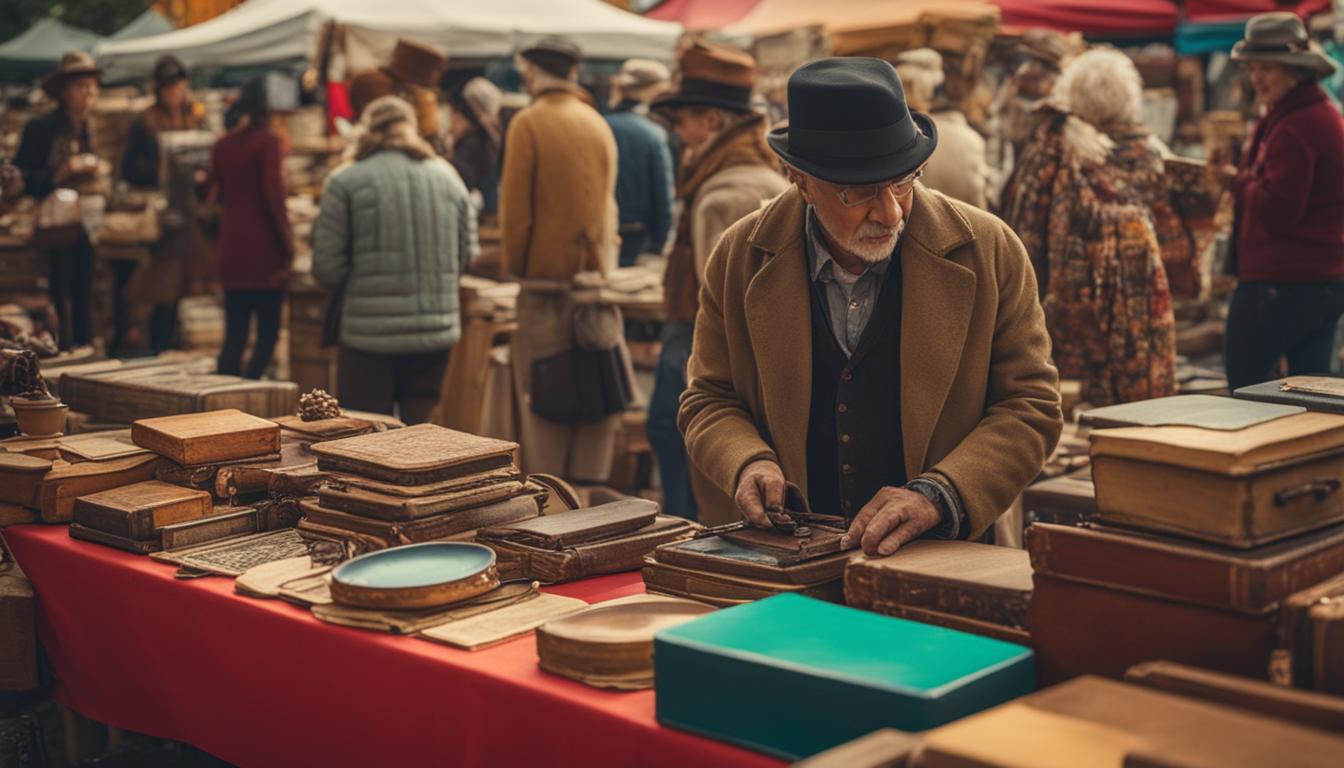
Flea Market Flip is primarily filmed at large-scale antique and flea markets throughout the Northeastern United States, specifically in New York, Connecticut, and Massachusetts. Key buying locations include the Elephant’s Trunk Flea Market in Connecticut and the Stormville Airport Antique Show in New York. The transformation segments are filmed in a professional workshop in Stamford, Connecticut.
Since its debut in 2012, Flea Market Flip has become a cornerstone of renovation television, blending the thrill of the hunt with the creative satisfaction of upcycling. Hosted by Lara Spencer, the show follows a consistent three-stage production cycle: the "Buy," the "Flip," and the "Sell." For fans looking to visit these iconic locations or understand the mechanics of the show’s production as of 2026, specific regional circuits define the show's aesthetic and logistical framework.
The Primary Buying Locations: New York and Connecticut
The "Buy" day is the foundation of every episode. The production team typically selects markets that offer a high volume of inventory and a diverse range of vendors to ensure contestants can find items that fit their assigned "flip list" categories. Two locations serve as the backbone of the series.
Elephant’s Trunk Flea Market (New Milford, CT)
Located in the scenic Litchfield Hills, the Elephant’s Trunk Flea Market is perhaps the most recognizable location from the series. Established in 1976, this market attracts hundreds of vendors and thousands of buyers every Sunday from April through December.
The show frequently utilizes the "Early Bird" hours, which begin at 5:30 AM, to capture the frantic energy of professional pickers. For contestants, the Elephant's Trunk offers a mix of high-end antiques and "junk" items, making it an ideal environment for finding the diamond in the rough. The vast, open-field layout allows the camera crews to follow teams easily without the obstruction of permanent indoor stalls.
Stormville Airport Antique Show & Flea Market (Stormville, NY)
Another staple of the show is the Stormville Airport Antique Show, held at a former private airport in Dutchess County, New York. Because it was an actual airfield, the flat, expansive tarmac and surrounding grass fields provide a unique backdrop for filming.
Stormville is known for its massive scale, often hosting over 600 vendors. The show typically films here during the major holiday weekend shows (such as Mother’s Day or Labor Day). The "industrial" feel of the airport aligns well with the show’s emphasis on heavy-duty restoration and repurposed metalwork.
The Massachusetts Megasite: Brimfield Antique Show
While the New York and Connecticut markets are regular stops, the Brimfield Antique Show in Brimfield, Massachusetts, represents the "Super Bowl" of filming locations for Flea Market Flip. Brimfield is not a single market but a collection of over 20 independent shows that run simultaneously three times a year (May, July, and September).
Filming at Brimfield presents unique challenges and opportunities:
- Scale: With over 5,000 dealers stretched across a mile of highway, the production team must carefully scout "fields" (specific vendor areas) ahead of time.
- Quality: Brimfield is renowned for higher-end architectural salvage and mid-century modern pieces, which often lead to the show’s most sophisticated flips.
- Logistics: Due to the crowds, filming here requires significant coordination to manage pedestrian traffic while maintaining the "reality" of the contestants' shopping experience.
Contestants at Brimfield often face stiffer competition from professional decorators and gallery owners, which adds a layer of tension to the negotiations—a key element of the show’s entertainment value.
The Workshop: Where the Transformation Happens
After the "Buy" day, the production moves away from the public eye to a controlled environment. Many viewers assume the workshop is located at the flea markets themselves, but the actual "Flip" day occurs in a dedicated production space.
The Flea Market Flip Workshop is located in Stamford, Connecticut. This facility is a professional-grade shop equipped with everything from welding stations and industrial spray booths to basic woodworking tools. The show employs a team of "Master Craftspeople"—skilled professionals like Caanan Maggs and Mark Brunetz—who assist the contestants.
While the contestants are responsible for the creative direction and the bulk of the manual labor, the technical depth of the workshop segments is supported by these experts to ensure that the finished products are structurally sound and safe for resale. The filming in the workshop usually takes place over a single intensive day, often lasting 10 to 12 hours, to capture the complete evolution of three items per team.
The Selling Markets: Turning Projects into Profit
The final stage of the show, the "Sell," usually takes place at a different location from the "Buy." This is a strategic production choice; by moving the items to a high-traffic urban market, the show increases the likelihood of teams turning a significant profit.
Long Island City Flea & Food (Queens, NY)
The LIC Flea & Food in Long Island City is a frequent selling destination. The backdrop of the Manhattan skyline provides high production value, and the demographic of shoppers in Queens—often young professionals looking for unique "statement pieces" for apartments—aligns perfectly with the upcycled aesthetic of the show.
Grand Bazaar NYC (Manhattan, NY)
Located on the Upper West Side, Grand Bazaar NYC is another common selling ground. As one of the oldest and largest curated weekly markets in New York City, it offers a sophisticated buyer pool willing to pay premium prices for the refurbished items. The competitive nature of the "Sell" day is heightened here, as contestants must use aggressive sales tactics to move their inventory before the market closes.
Comparison of Major Filming Locations
| Market Name | Location | Primary Use in Show | Typical Seasonality |
|---|---|---|---|
| Elephant’s Trunk | New Milford, CT | Buying | April – December |
| Stormville Airport | Stormville, NY | Buying | Select Weekends (May–Oct) |
| Brimfield Show | Brimfield, MA | Buying (Special Episodes) | May, July, September |
| Stamford Workshop | Stamford, CT | Transformation/Flipping | Year-round (Indoor) |
| Grand Bazaar NYC | Manhattan, NY | Selling | Year-round (Sundays) |
| Liberty Flea | Philadelphia, PA | Buying/Selling | Seasonal Pop-ups |
Contestant Rules and Production Logistics
To understand the filming of Flea Market Flip, one must look at the rigid logistical structure that governs each episode. Although it appears as a seamless three-day process to viewers, the reality of television production involves several "What You Need to Know" details regarding the rules:
- The Budget: Every team is given exactly $500. This must cover all three items on their "flip list."
- The Flip List: Teams are given specific themes (e.g., "Modular Design," "Period Piece," "Drab to Fab"). This ensures variety in the workshop segments.
- The Timeline: While the "Buy" and "Sell" days are usually filmed in real-time within market hours, the "Flip" day is a strictly timed event where teams have a set number of hours to complete their projects.
- The Profit: One of the most common questions is whether contestants keep the money. The winning team—the one that makes the most profit—receives a $5,000 grand prize. The actual profit made from the sales is generally retained by the production or used to offset costs, though the primary incentive remains the $5,000 prize.
How to Experience the Flea Market Flip Circuit in 2026
For enthusiasts of the show, visiting these locations in 2026 remains a popular weekend activity. While the show's original production run concluded its main seasons a few years ago, the markets themselves are thriving.
If you plan to visit, the most "authentic" experience is found at the Elephant’s Trunk. To get the most out of a visit:
- Arrive Early: The "Early Bird" tickets (usually around $20–$40 depending on the year) are essential if you want to see the high-quality items before they are picked.
- Bring Cash: While many vendors now use mobile payment apps, the best negotiations still happen with cash in hand.
- Check the Calendar: Markets like Stormville only happen a few times a year. Always verify dates on their official website before traveling.
For those interested in the selling side, a trip to Grand Bazaar NYC offers a look at the types of curated, high-end upcycled goods that the show made famous. It is an excellent place to see current trends in home decor that have evolved from the original "shabby chic" and "industrial" styles featured in earlier seasons.
FAQ
Can you visit the workshop where they film?
No, the workshop in Stamford, Connecticut, is a private production facility and is not open to the public. It is located within a larger studio complex used for various television projects. Fans wishing to see the "action" are better off visiting the public flea markets during their scheduled dates.
Is Lara Spencer still involved with the show?
Lara Spencer is the creator, executive producer, and host of Flea Market Flip. As of 2026, while new episodes may be in syndication or special formats, her brand remains synonymous with the show. She is frequently spotted at the Brimfield Antique Show and the Elephant’s Trunk during the peak picking seasons.
How do I apply to be a contestant on Flea Market Flip?
Casting for the show historically required a video submission demonstrating DIY skills and a dynamic partnership (the show prefers teams of two). While active casting calls depend on the current production cycle of Great American Country or HGTV, interested parties usually check the HGTV Casting Page for updates.
Are the items really sold to random customers?
Yes. The selling segments are filmed during actual market hours at locations like LIC Flea or Grand Bazaar NYC. The customers you see on camera are real shoppers. However, production staff are present to handle release forms for anyone who appears on camera, and the "booth" is clearly marked as being part of a television production.
Essential Gear for Visiting These Locations
If you are inspired by the show to start your own flipping journey, experienced pickers at these locations recommend a "Flea Market Kit." This includes a collapsible wagon for hauling heavy finds, a tape measure to ensure items fit your vehicle, and basic furniture moving blankets. Wearing comfortable, closed-toe shoes is mandatory, as these markets often involve walking several miles over uneven terrain.