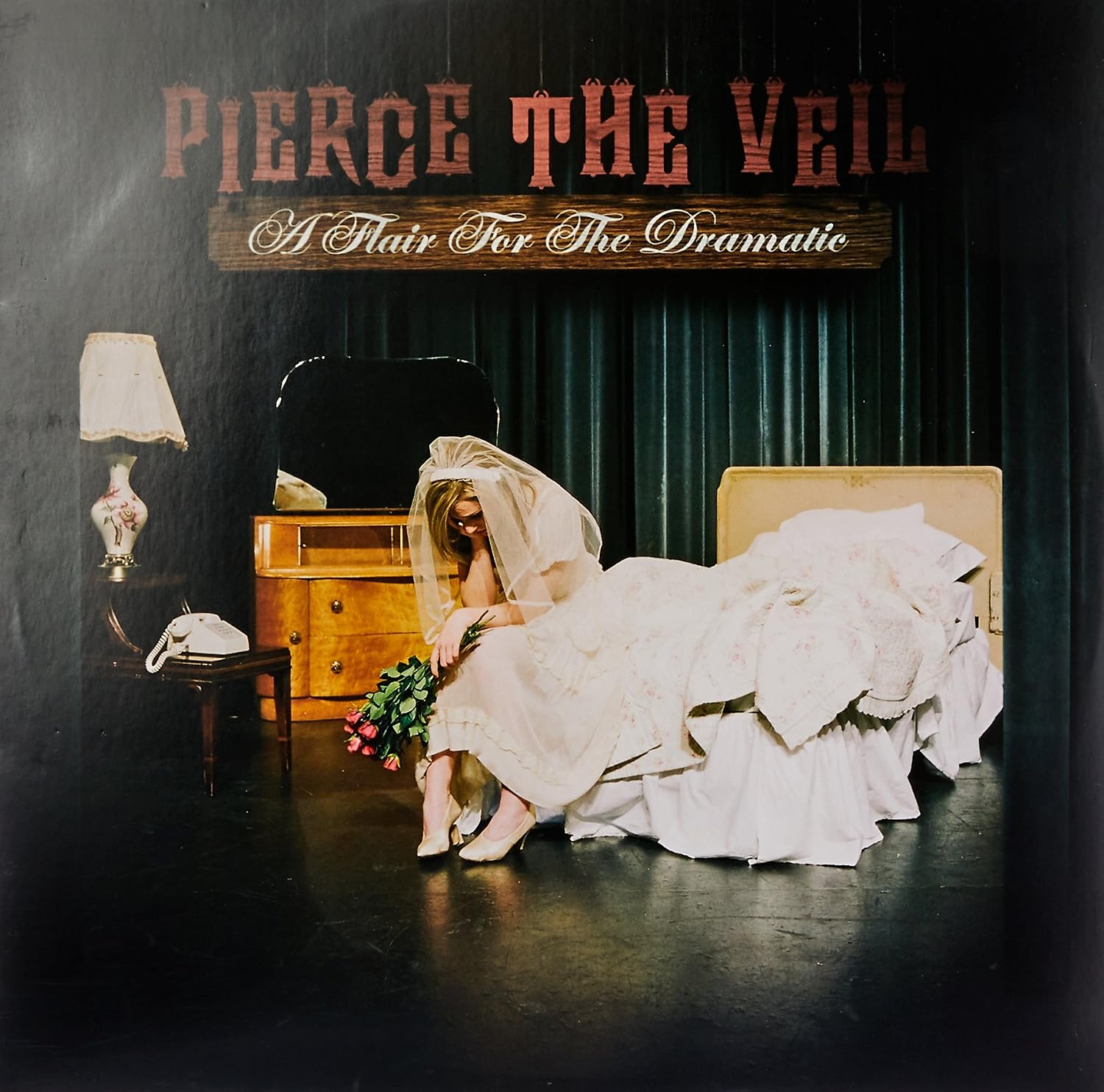
A bride with a flair for the dramatic seeks high-impact visual storytelling, grand theatrical elements, and unforgettable emotional experiences. Understanding this personality type involves recognizing her desire for sophisticated elegance, bold architectural styling, immersive guest environments, and carefully choreographed production values that elevate a traditional wedding into an extraordinary cinematic occasion.
The Psychology of the Dramatic Bride: Core Personality Traits
Designing a celebration for a bride with a flair for the dramatic requires understanding the psychological motivations behind her choices. Unlike brides who lean toward minimalist simplicity or relaxed bohemian aesthetics, the dramatic bride views her wedding as a canvas for self-expression, storytelling, and immersive art. She values mood, ambiance, and intentional visual impact over conventional expectations.
A dramatic personality in bridal styling does not mean a desire for chaotic noise or superficial ostentation. Rather, it reflects an eye for high fashion, an appreciation for theatrical lighting, and a commitment to creating memorable moments. This bride is often confident, artistic, and decisive. She is drawn to rich textures, structural silhouettes, contrast, and strong thematic cohesion. When planning her wedding, she views each component—from the ceremony entrance to the late-night departure—as a curated scene in a multi-act narrative.
The Dramatic Bride Spectrum
| AVANT-GARDE | MODERN NOIR | OLD HOLLYWOOD |
|---|---|---|
| High fashion, architectural forms, unexpected art. | Dark romance, moody palettes, candlelight & velvet. | Cinematic elegance, satin drapery, spotlight & vintage. |
Understanding this bride means recognizing that her choices stem from a desire to evoke genuine awe. She cares deeply about how her guests feel when entering a space. Standard event layouts rarely satisfy her vision; she craves elevated sightlines, deep color contrasts, moody illumination, and unexpected spatial reveals. Vendors working with this personality must appreciate her elevated creative standards and communicate using design-forward language, mood boards, and spatial renderings.
Architectural Fashion and Styling: Statement Bridal Looks
For the dramatic bride, fashion is the primary expression of her creative vision. Standard A-line dresses or traditional lace gowns often yield to structural corsetry, sculptured bodices, unexpected textiles, and dramatic proportions. She approaches bridal couture as wearable art.
High-Impact Silhouettes and Textiles
Dramatic bridal fashion is defined by silhouette and movement. Key design choices often include:
- Cathedral and Monarch Trains: Sweeping trains that extend six to ten feet behind the gown, creating a powerful visual footprint during the aisle procession.
- Architectural Sleeves and Capes: Oversized puff sleeves, structured shoulder pads, or detachable floor-length cape veils that replace traditional tulle veils.
- Voluminous Ballgowns and Sculpted Mermaids: Extreme contrast between a tightly boned corset bodice and an exaggerated drop-waist skirt crafted from mikado silk, crisp taffeta, or layered organza.
- Color Statements: While ivory and stark white remain popular, dramatic brides often explore moody champagne, antique gold, rich emerald, deep ruby, or black bridal gowns.
Dramatic Fashion Elements:
- Sculptural Bodices & Boning
- Dramatic Cape Veils & Monarch Trains
- Contrast Color Accents (Black, Gold, Jewel Tones)
- High-Gloss Fabrics (Mikado, Taffeta, Heavy Satin)
Beauty, Makeup, and Accessories
The dramatic aesthetic extends to hair, makeup, and adornments. Makeup looks often feature high-contrast elements such as sharp winged eyeliner, deep berry or classic crimson lip colors, and defined contouring that holds up under theatrical lighting. Hairstyles lean toward slicked-back high chignons, sculpted Hollywood waves, or elaborate headpieces, such as jewel-encrusted crowns, padded velvet halos, or veiled fascinators.
The groom and bridal party must be styled to complement, rather than compete with, this aesthetic. Tuxedos with double-breasted velvet jackets, exaggerated lapels, or monochrome black-tie ensembles ensure the visual narrative across the entire wedding party remains cohesive.
Setting the Stage: Venue Selection and Atmospheric Lighting Design
The venue acts as the stage upon which a dramatic wedding unfolds. A standard hotel ballroom with beige carpeting and drop ceilings rarely provides the necessary canvas. Dramatic brides gravitate toward spaces with inherent character, soaring scale, or historic mystery.
Venue Types That Elevate Drama
- Historic Theaters and Opera Houses: Featuring grand proscenium arches, velvet seating, balcony views, and built-in stage lighting rigs.
- Modern Industrial Warehouses: Raw brick, exposed steel beams, high ceilings, and expansive footprints that allow custom-built installations and lighting setups.
- Gothic Castles and Estates: Stone architecture, vaulted arches, stone fireplaces, and lush, overgrown gardens that provide a moody, romantic backdrop.
- Art Museums and Rotundas: Soaring marble columns, dramatic staircases, and clean, geometric proportions that create an atmosphere of curated grandeur.
Ideal Venue Qualities:
- High Vertical Ceiling Clearance (For suspended installations)
- Minimal Patterned Carpeting (Prefers hardwood, polished concrete, or stone)
- Full Lighting Control (Dimmable zones, spotlight capabilities)
- Distinct Transition Spaces (For reveal moments between ceremony & reception)
Lighting as a Design Medium
Lighting is arguably the most critical technical component of a dramatic wedding style. Flat, ambient venue lighting neutralizes drama. To create depth and contrast, professional event lighting technicians employ specific theatrical techniques:
- Pin-Spotting: Direct, narrow beams of warm light focused precisely onto centerpieces, wedding cakes, and bar stations, allowing them to pop out against a dark room.
- Uplighting and Architectural Highlighting: Placing fixtures at the bases of columns, draping, or stone walls to accent height and texture with deep tones like warm amber, magenta, or deep violet.
- Gobo Projections: Patterned light templates projected onto dance floors, ceilings, or blank walls to mimic damask patterns, forest shadows, or custom monograms.
- Candlelight Cascades: Hundreds of pillar candles, taper candles in tall brass sconces, and floating votives placed at varying heights to produce motion, warmth, and organic flicker.
Comparing Wedding Styles: Dramatic vs. Conventional Design
To clearly visualize how a dramatic wedding style diverges from traditional approaches, consider the functional and aesthetic differences across key design elements:
| Design Category | Conventional Classic Style | Dramatic Aesthetic Style |
|---|---|---|
| Color Palette | Soft blush, ivory, green, soft sage, metallic silver | High-contrast black, emerald, deep burgundy, metallic gold, monochromatic darks |
| Floral Design | Low rounded centerpieces, pastel roses, eucalyptus | Overhead floral chandeliers, cascading dark botanicals, sculpted dried branches |
| Lighting Plan | Ambient room dimming, standard perimeter uplighting | Pin-spotting, high-contrast shadows, dense candlelight, dynamic color-washes |
| Tablescapes | White linen, clear glassware, standard silver flatware | Black velvet linens, smokey crystal stemware, gold cutlery, tall taper sconces |
| Ceremony Backdrop | Arch with green foliage and white spray roses | Floor-to-ceiling velvet drapery, asymmetrical branch structures, candlelit walls |
| Entertainment Flow | Background string quartet, standard DJ set | Orchestral arrangements, dramatic curtain drops, performance art reveals |
Immersive Decor and Floral Architecture: Sculptural Artistry
In a dramatic wedding, floral arrangements and decor elements cease to be decorative fillers; they become architectural installations. Instead of sweet, low-profile centerpieces, design teams build structures that draw the eye upward and alter the perception of space.
- Suspended Floral & Canopy Grid
- Moody Overhead Installation
- Tall Taper Candles
- Pin-Spotted Centerpiece
- Velvet Table Runner
- Moody Overhead Installation
Overhead Installations and Spatial Dynamics
Dramatic floral design frequently utilizes suspended elements. Ceiling grids hung with hanging amaranthus, dark red roses, trailing ivy, and dripping crystal lamps transform high ceilings into intimate, magical canopies. These suspended installations leave the table surface open for detailed, low-level styling while maximizing visual impact across the room.
High-Contrast Color Schemes and Botanicals
Color choices define the mood. While all-white weddings can certainly be dramatic when executed with extreme scale and lighting, dramatic brides often gravitate toward deep, romantic, or monochromatic color palettes:
- Monochromatic Noir: Black calla lilies, dark dahlia varieties, black baccara roses, paired with dark glass and obsidian candles.
- Jewel-Tone Luxe: Royal purple orchids, crimson ranunculus, deep emerald foliage, and polished brass accents.
- High-Contrast Minimal: Pure white orchids set against black matte backgrounds, creating a striking gallery-style aesthetic.
Tablescaping incorporates rich tactile materials. Velvet or heavy damask runners, matte black chargers, cut-crystal goblets, and dark polished wood chairs ground the floral design, establishing a luxurious, tactile experience for seated guests.
Event Flow and Choreographed Guest Experiences
A flair for the dramatic demands deliberate timing and pacing. The dramatic bride views the wedding schedule as a theatrical performance where anticipation builds, peaks, and transitions seamlessly from act to act.
Event Narrative Flow:
- ACT I: The Reveal (Candlelit Processional & Ceremony)
- ACT II: The Interlude (Atmospheric Cocktail Hour with Signature Mixology)
- ACT III: The Main Scene (Grand Reveal of Reception & First Dance under Spotlights)
- ACT IV: The Finale (Late-Night Lounge Reveal & Dramatic Send-Off)
Choreographing Key Moments
- The Ceremony Processional: The entry is timed precisely to musical swells. Utilizing dynamic lighting shifts—such as dimming house lights while bringing up warm spotlights on the aisle—ensures total audience focus.
- The Reception Space Reveal: Guests are kept in a separate, moody cocktail area while the main reception room remains hidden behind velvet drapes. At the appointed moment, the doors or drapes part to reveal the fully lit reception space accompanied by a musical fanfare.
- The First Dance: Enhanced by low-lying dry-ice haze (the "dancing on clouds" effect), dramatic spotlights, or sudden indoor cold-spark fountain activations during a musical climax.
Interactive Culinary and Beverage Presentation
Food and beverage service double as entertainment. Smoked cocktail stations, tableside flambé desserts, multi-tiered champagne towers, and dark velvet late-night lounges keep guests continuously engaged with the sensory narrative of the evening.
Vendor Selection and Budget Allocation Strategies
Executing a high-drama wedding without descending into visual clutter or operational friction requires clear budgeting priorities and specialized vendor expertise.
Budget Allocation Priorities for Dramatic Impact:
- Lighting & Production Services (20-25%)
- Floral Architecture & Custom Installations (25-30%)
- Venue & Architectural Rentals (20%)
- High-Fashion Styling & Beauty (15%)
- Immersive Catering & Entertainment (15%)
Assembling the Creative Team
Not every vendor thrives under the demands of a dramatic design brief. Planners, florists, and photographers must understand production mechanics:
- The Event Designer/Planner: Look for professionals with backgrounds in stage design, luxury fashion, or theatrical production who understand rigging, power draw, and spatial flow.
- The Photographer: Must specialize in low-light, high-contrast, and editorial photography. Request full galleries of evening, candlelit receptions rather than relying solely on daylight portfolio shots.
- The Lighting Designer: Hire a dedicated production company rather than relying on basic DJ uplighting. True drama requires DMX-controlled lighting boards, professional technicians, and tailored fixture placement.
Managing Costs Effectively
To achieve maximum visual return on investment, focus financial resources on high-impact focal points rather than spreading the budget thin across hundreds of minor items:
- Prioritize the Focal Areas: Invest heavily in the ceremony backdrop, the main head table/sweetheart table, and the central dance floor area. Guest tables can feature simpler candle-heavy designs if the surrounding environment is strongly lit.
- Use Drapes and Lighting Over Structural Builds: Floor-to-ceiling velvet fabric combined with strategic uplighting covers vast wall spaces cost-effectively while building immense mood.
- Rent Statement Furnishings: Substitute standard rental chairs with velvet dining chairs or vintage lounge furniture to immediately elevate the room's texture.
Frequently Asked Questions
What defines a bride with a flair for the dramatic?
A dramatic bride is characterized by her preference for high visual impact, bold storytelling, structural fashion, and immersive ambiance. She prioritizes lighting, contrast, and theatrical elements over subtle, traditional wedding decor.
How can a dramatic wedding style stay elegant without becoming tacky?
Refinement comes through restraint and cohesion. By selecting a tight, sophisticated color palette, focusing on quality textiles (like velvet, silk, and heavy linen), and hiring professional lighting designers, high-drama elements remain sophisticated rather than chaotic.
What are the best colors for a dramatic wedding palette?
Rich, deep jewel tones such as emerald green, burgundy, plum, and navy blue work exceptionally well. Monochromatic palettes featuring high contrast—such as stark black and white, or deep obsidian paired with warm gold and candle flame—are also classic dramatic choices.
How do you handle lighting for low-lit dramatic weddings?
Work with an experienced low-light editorial photographer and a professional lighting crew. Pin-spotting ensures key elements like face tones, centerpieces, and food remain visible, while low ambient uplighting preserves the atmospheric darkness without ruining photography quality.
Which venues work best for a dramatic wedding theme?
Venues with strong architectural identity, high ceilings, and minimal existing surface patterns excel. Ideal choices include historic theaters, art museums, stone castles, industrial brick warehouses, and grand marble rotundas.
Actionable Steps for Executing Your Dramatic Wedding Vision
To turn a high-concept, dramatic wedding vision into a seamlessly executed event, follow this strategic implementation sequence:
- Define the Dramatic Sub-Genre: Clarify whether your vision leans toward Gothic Noir, Old Hollywood Regency, Avant-Garde Architectural, or Maximalist Luxe. Establishing this early prevents mismatched decor purchases.
- Audit Venue Lighting and Technical Capabilities: Before signing a venue contract, confirm technical specifications: ceiling height clearances for floral suspension, rigging points, total electrical circuit power capacity, and full dimming control over existing light fixtures.
- Hire Low-Light & Editorial Specialists: Select your planner, photographer, and lighting designer based on demonstrated experience in handling high-contrast, evening, and dynamic lighting environments.
- Create a Floor Plan Centered on Visual Reveals: Map out the physical flow of the event to build anticipation. Design curtain drops, room transitions, and focal points that draw eyes exactly where you want them throughout the night.
- Conduct a Nighttime Lighting Walkthrough: Schedule a final site visit during the same time of day as your scheduled reception to test candle coverage, pin-spot angles, and lighting brightness levels in real time.