Finding immediate daycare openings in 2026 requires a sophisticated blend of digital literacy, local networking, and proactive administrative management. This guide focuses exclusively on early childhood education and childcare services for infants, toddlers, and preschool-aged children. It does not cover adult day services or senior care facilities.
The childcare landscape in 2026 is characterized by high demand in metropolitan hubs and a shift toward centralized, state-mandated digital registries. Navigating this environment demands more than a simple search engine query; it requires understanding the regulatory frameworks and the real-time data feeds that dictate availability.
Leveraging the 2026 Digital Childcare Infrastructure
The most efficient way to identify vacancies is through the integrated digital ecosystems now mandated in most jurisdictions. By 2026, the Department of Health and Human Services (HHS) and state-level agencies have streamlined the "Child Care Search" experience, integrating licensing data with real-time vacancy reporting.
State Licensing Portals and Vacancy Tracking
Every state now maintains a centralized database that links a facility’s license status directly to its current capacity. When searching for "daycare openings," your first stop must be the State’s Department of Early Childhood Education portal. These portals are no longer just static lists; they provide live data on:
- Current vacancies by age group (Infant, Toddler, Pre-K).
- Recent inspection reports and compliance history from 2025 and 2026.
- Quality Rating and Improvement System (QRIS) scores, which indicate the educational depth of the program.
AI-Enhanced Search Aggregators
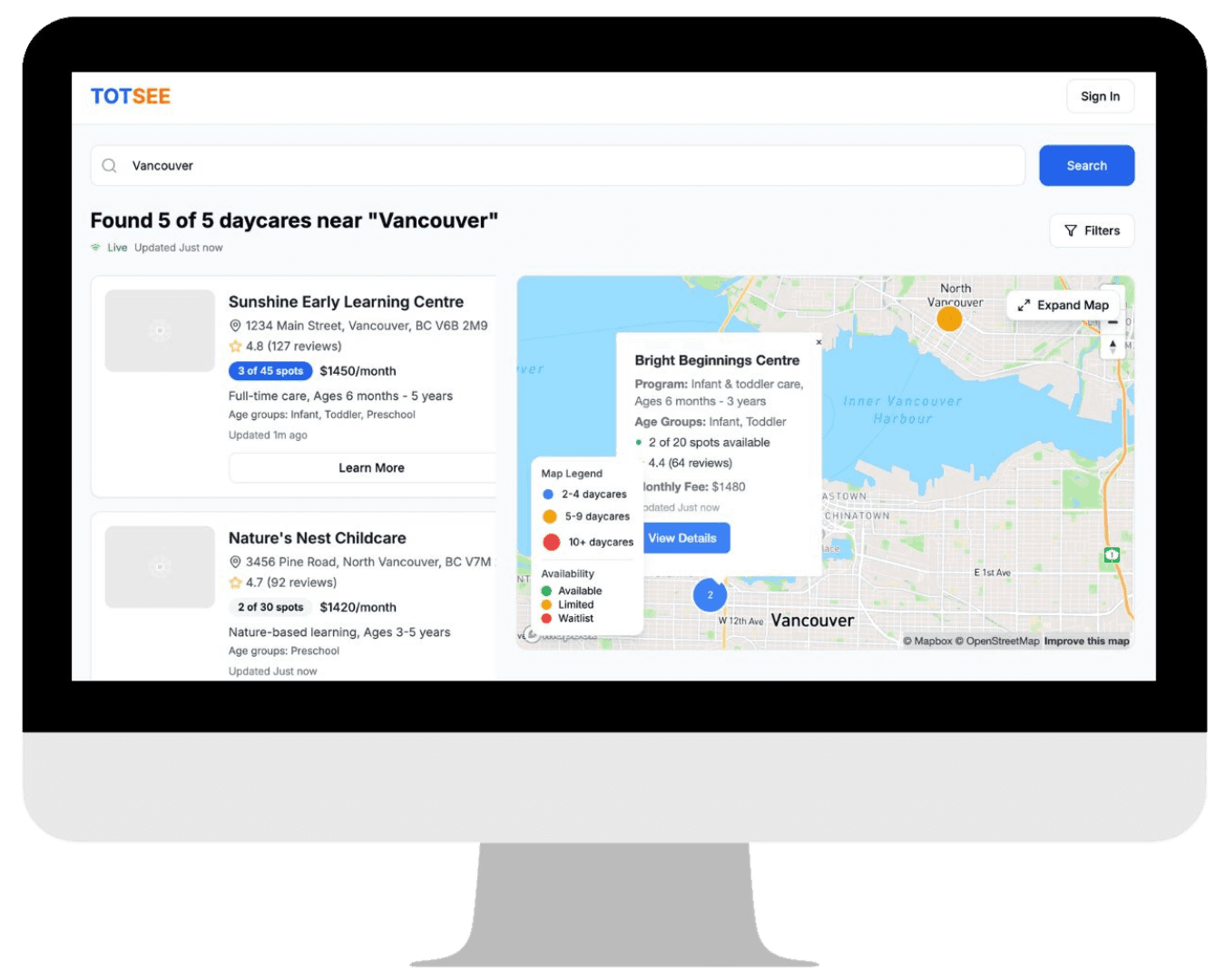
In 2026, third-party platforms have moved beyond basic listings to AI-driven matching. These tools analyze your commuting patterns, budget constraints, and specific pedagogical preferences (e.g., Montessori, Reggio Emilia, or STEM-focused) to alert you the moment a spot opens. Top-tier platforms now integrate directly with childcare management software like Brightwheel or Procare, allowing parents to see "instant-book" openings that haven't even hit the general market yet.
Comparing Childcare Models: 2026 Market Analysis
Choosing the right type of facility is the first step in narrowing your search. Availability often fluctuates based on the business model of the provider. Large-scale centers often have more predictable turnover, while home-based programs may offer more flexibility for immediate, short-term needs.
| Provider Type | Oversight Level | 2026 Avg. Wait Time | Typical Age Range | Technology Integration |
|---|---|---|---|---|
| Commercial Centers | High (State + National) | 6–18 Months | 6 Weeks – 5 Years | Full (Apps, Live Video) |
| Licensed Family Homes | Moderate (Local/State) | 1–4 Months | 6 Weeks – 12 Years | Variable (Usually Basic) |
| Employer-Sponsored | High (Corporate + State) | Priority-Based | 6 Weeks – 5 Years | Integrated HR Portals |
| Co-op / Nanny Shares | Minimal (Private) | Immediate | Flexible | Peer-to-Peer Apps |
| Preschool/Pre-K | High (Educational Dept) | Seasonal (August Start) | 3 Years – 5 Years | Educational Dashboards |
Strategic Insight for 2026 Enrollment
Parents should prioritize providers that maintain a "Gold Level" QRIS rating or NAEYC (National Association for the Education of Young Children) accreditation. In the current economic climate, these facilities are more likely to retain high-quality staff, reducing the risk of "sudden closure" due to staffing shortages—a common failure point in the 2024-2025 period. Always verify that a home-based provider is currently "Licensed and In Good Standing" rather than just "Registered," as licensing requires more rigorous safety inspections and higher teacher-to-child ratios.
The "Waitlist Warfare" Strategy: Securing Your Spot
In high-density areas, simply being on a list is insufficient. You must manage your applications with the same rigor as a professional project manager. In 2026, the average family applies to seven different facilities to secure one confirmed opening.
Proactive Communication Protocols
Once you have identified a facility with a potential opening or a short waitlist, initiate a multi-channel follow-up.
- The Digital Application: Submit your formal application via the center's portal immediately. Ensure all 2026 immunization records are digitized and ready for upload.
- The In-Person Tour: Never accept a spot without a tour. During the tour, observe the teacher-child interaction specifically in the age group your child will enter.
- The Monthly Check-in: Set a recurring calendar alert to email the enrollment director on the first Tuesday of every month. This keeps your name at the "top of mind" when a family gives their 30-day notice.
Managing Deposits and Administrative Fees
Be prepared for the financial realities of 2026. Most reputable centers now require a non-refundable "Waitlist Fee" ranging from $50 to $200. Some high-demand urban centers may even require a "Commitment Deposit" equivalent to one month's tuition to hold an upcoming vacancy.
Assessing Quality and Safety Metrics
An opening is only a "win" if the environment is safe and enriching. Use these technical benchmarks to evaluate a facility during your search:
- Teacher-to-Child Ratios: In 2026, the gold standard remains 1:3 or 1:4 for infants, and 1:6 to 1:10 for toddlers. If a center is pushing the legal maximums, it may indicate high stress and potential turnover.
- Staff Longevity: Ask specifically about the "Lead Teacher" turnover rate for the last 24 months. Stable environments are critical for child development.
- Security Infrastructure: Look for modern access control systems (biometric or encrypted mobile keys) and 2026-standard surveillance policies that allow for administrative oversight without compromising child privacy.
- Curriculum Standards: Ensure the program follows the 2026 Revised Early Learning Standards (RELS) which emphasize social-emotional learning alongside foundational literacy.
Financial Realities: Subsidies and Tax Credits in 2026
Finding an opening is often a matter of finding a center that fits your financial profile. The 2026 fiscal year has introduced several changes to how childcare is funded.
State and Federal Subsidies
Many centers now reserve a specific percentage of their "slots" for families using state childcare vouchers or the 2026 Child Care Development Fund (CCDF) subsidies. When calling centers, ask specifically: "Do you have any current openings for families utilizing the state subsidy program?" Centers that accept these funds are subject to additional state audits, which can often be a sign of rigorous administrative compliance.
Employer-Provided Childcare Benefits
Check your 2026 benefits package. Many corporations have shifted toward "Back-up Care" partnerships with providers like Bright Horizons or KinderCare. These partnerships often grant employees "priority access" to waitlists, effectively jumping you ahead of the general public.
Red Flags and Failure Remedies: What to Do If You Can't Find an Opening
If your search for "how to find daycare openings" yields zero immediate results, you must pivot to alternative "stop-gap" measures.
- The Mid-Year Transition: Most openings occur in late August when older children graduate to Kindergarten. If you are searching in March or April, look for "transitional" centers that specialize in short-term care.
- Nanny Shares: Use localized 2026 neighborhood apps to find a family in your immediate vicinity willing to split the cost of a private nanny. This bypasses the facility shortage entirely.
- Part-Time to Full-Time Escalation: Many parents find success by accepting a 2-day or 3-day per week opening. Once "inside" the system, you are almost always given first priority when a full-time 5-day spot becomes available.
Frequently Asked Questions
How far in advance should I start looking for daycare openings in 2026?
Ideally, you should begin your search as soon as you know you will need care, often during the first trimester of pregnancy. In major metropolitan areas like New York, San Francisco, or Austin, waitlists for infant care can exceed 12 months, making early "proactive" placement on multiple lists a necessity for a 2026 return-to-work plan.
Starting early allows you to vet facilities without the pressure of an immediate deadline. It also gives you time to observe the center across different seasons, ensuring that their outdoor play and safety protocols are consistent year-round.
What are the most common reasons a daycare opening suddenly becomes available?
Openings typically occur due to family relocations, transitions to state-funded Pre-K programs, or parents changing their work schedules. In 2026, we also see "seasonal churning" where spots open in mid-summer as families pull children out for extended vacations or transition to summer camp programs, providing a strategic entry point for new families.
By maintaining a good relationship with the center director, you can position yourself to be the first call when these "unpredictable" vacancies arise. Always ensure your paperwork is pre-filled so you can sign a contract within 24 hours of notification.
Are "drop-in" daycare openings a viable solution for full-time needs?
Drop-in care is rarely a sustainable long-term solution because it does not guarantee a spot from one day to the next, which can disrupt a child’s routine and a parent’s work consistency. However, in 2026, some specialized "Flex-Care" centers offer 20-hour or 40-hour monthly blocks that can bridge the gap while you remain on a waitlist for a permanent full-time opening.
These facilities are excellent for parents with hybrid work schedules. Just ensure the flex-care provider maintains the same licensing standards as a traditional full-time center to ensure quality of care.
How do I verify if a daycare's license is current and valid in 2026?
You must use the Official State Child Care Search Tool, which is updated daily by state regulators. Simply seeing a license hanging on the wall is insufficient; you need to verify the license number against the state’s 2026 disciplinary database to ensure there are no "Active Suspensions" or "Provisional Status" markers due to recent safety violations.
Verification should include checking for a valid "Clearance to Operate" certificate for the 2026 calendar year. This ensures the facility has passed its most recent fire, health, and safety inspections.
Can I get a daycare opening faster if I pay a higher deposit?
While most licensed centers follow a strict "first-come, first-served" or "priority-need" waitlist policy to maintain ethical standards, some private, high-end "boutique" academies may offer an "Expedited Enrollment" tier. However, you should be cautious; reputable centers prioritize siblings of current students or children of staff members before any financial incentives.
It is more effective to demonstrate that you are a "low-friction" family—meaning you have all your health records, emergency contacts, and tuition payment methods ready to go—than to try and outbid other families.
What should I do if a daycare claims to have an opening but refuses an in-person tour?
Treat a refusal to provide a tour as a major red flag. While some 2026 health protocols may limit tours during active classroom hours to protect student privacy and health, every reputable facility should offer "After-Hours Tours" or "Weekend Open Houses." If they insist on only "Virtual Tours," it may be a sign that the physical environment does not meet the standards advertised.
Physical inspections allow you to check for cleanliness, the condition of play equipment, and the general "vibe" of the staff—things that can be easily obscured in a curated video call or pre-recorded virtual tour.
To secure the best possible care for your child in 2026, remain persistent, leverage every digital tool at your disposal, and always maintain a "Plan B" (such as a temporary nanny or family support) to navigate the complexities of the current childcare market.