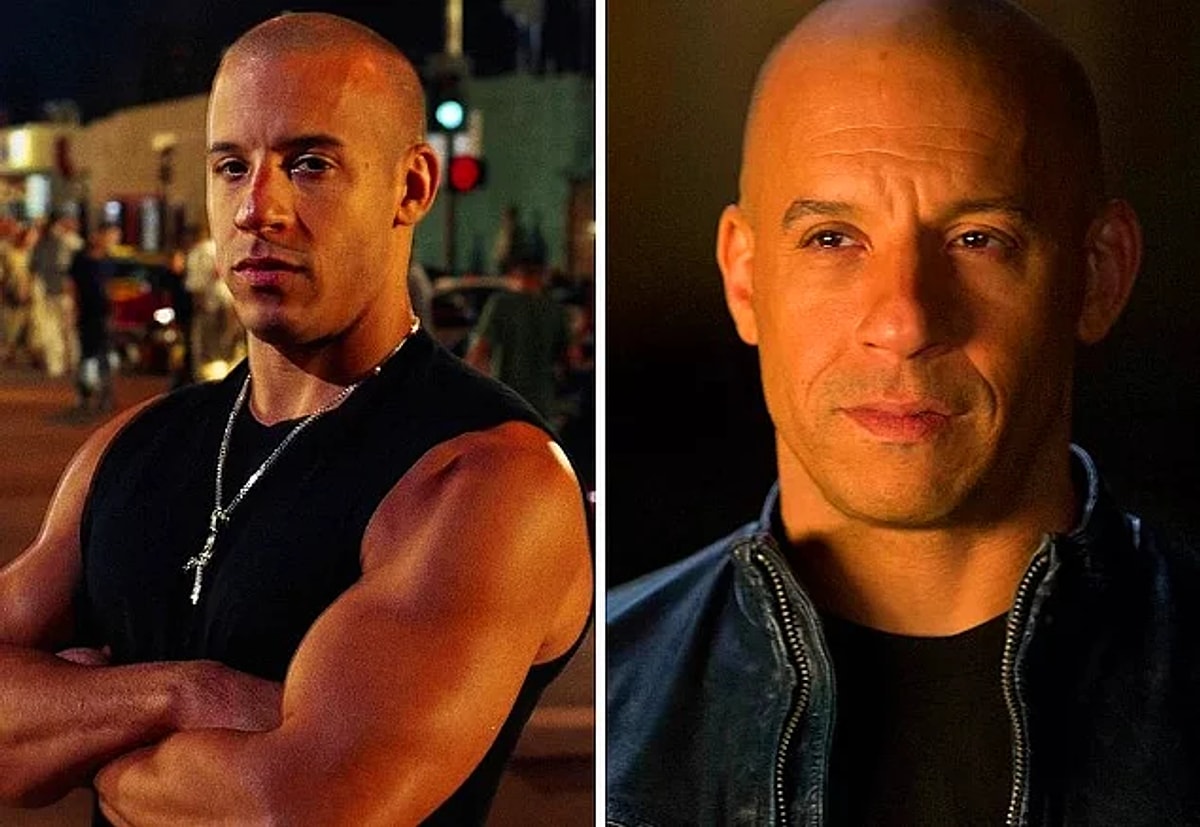
As of 2026, the most prominent actor from the Fast & Furious franchise to have passed away is Paul Walker, who portrayed Brian O’Conner. Other significant losses within the franchise’s creative circle include director John Singleton and stunt performer Cezar Pizzarro. Official public records, including coroner reports and civil litigation filings, provide the verified facts surrounding these events.
The Death of Paul Walker: Core Facts and Investigation
The most significant tragedy in the history of the Fast & Furious franchise occurred on November 30, 2013, when Paul Walker died in a single-vehicle accident in Santa Clarita, California. At the time of his death, Walker was in the middle of filming Furious 7. The incident also claimed the life of his friend and financial advisor, Roger Rodas, who was driving the vehicle.
According to the official investigation conducted by the Los Angeles County Sheriff’s Department and the California Highway Patrol, the vehicle involved was a 2005 Porsche Carrera GT. The investigation concluded that the primary cause of the crash was unsafe speed for the road conditions. Specifically, public records indicate the vehicle was traveling between 80 mph and 93 mph in a 45 mph zone.
The crash occurred after the vehicle departed a charity event hosted by Walker’s organization, Reach Out Worldwide (ROWW). The car struck a light pole and several trees before bursting into flames. Investigators ruled out mechanical failure and road debris as contributing factors, focusing instead on the age of the tires and the speed of the vehicle.
Official Public Records and Coroner Findings
The Los Angeles County Department of Medical Examiner-Coroner released the final autopsy report for Paul Walker under Case Number 2013-08211. This document remains the definitive public record regarding the biological facts of his passing. The report is essential for separating verified medical evidence from tabloid speculation.
The coroner’s report identified the official cause of death as the "combined effects of traumatic and thermal injuries." This phrasing indicates that Walker did not die instantly from the impact alone but also suffered from the subsequent fire. The toxicology report, a standard component of public medical records in accidental deaths, confirmed that there were no drugs or alcohol in Walker's system at the time of the accident.
Key technical details from the public record include:
- Time of Death: Officially pronounced at 3:30 PM PST on November 30, 2013.
- Identification: Due to the nature of the thermal injuries, identification was confirmed via dental records.
- Body Position: The report noted Walker was found in a "pugilistic stance," a common physiological response to extreme heat.
Legal and Civil Litigation Records: Meadow Walker vs. Porsche
Following the crash, several high-profile legal battles ensued, creating a vast trail of public court records that shed light on the technical aspects of the accident. The most notable was the wrongful death lawsuit filed by Walker’s daughter, Meadow Walker, against Porsche Cars North America in 2015.
The litigation centered on the design and safety features of the 2005 Porsche Carrera GT. The plaintiffs argued that the vehicle lacked a proper stability control system and had a defective fuel line that contributed to the fire. Porsche, in its legal response, maintained that the car had been altered and improperly maintained, noting that the tires on the vehicle were over nine years old, which significantly compromised traction.
Public records from the Superior Court of California, County of Los Angeles, show that the lawsuit was settled in 2017. While the specific terms of the settlement remained confidential, the case brought into the public record critical engineering data regarding high-performance vehicle safety and the legal responsibilities of manufacturers versus owners. Additionally, Roger Rodas's widow, Kristine Rodas, filed a similar suit, though a federal judge ruled in favor of Porsche in that specific instance, citing a lack of evidence that the car's suspension or safety cage failed.
John Singleton: The Legacy of the 2 Fast 2 Furious Director
While not an actor, John Singleton was a pivotal figure in the Fast & Furious universe, directing 2 Fast 2 Furious (2003). His death on April 28, 2019, at the age of 51, marked another significant loss for the franchise family. Singleton is credited with expanding the "street racing" aesthetic of the first film into a broader, multi-cultural action landscape.
Public health records and family statements confirmed that Singleton suffered a major stroke on April 17, 2019, shortly after returning from a trip to Costa Rica. He was placed on life support at Cedars-Sinai Medical Center. The legal records surrounding his estate became a matter of public interest when his mother, Sheila Ward, filed for temporary conservatorship while he was in a coma, and later, for the administration of his estate.
Singleton's death certificate lists the cause of death as acute ischemic stroke, caused by intracerebral hemorrhage and hypertension. His passing prompted a widespread reflection on his contributions to cinema, specifically his ability to bring authentic urban narratives to massive blockbuster franchises like Fast & Furious.
Behind the Scenes: Stunt Performers and Crew Losses
The Fast & Furious films are among the most dangerous to produce due to their reliance on practical stunts and high-speed choreography. While the lead cast has largely remained intact outside of Walker, the stunt community has faced its own tragedies.
Cezar Pizzarro, a stunt performer who worked on Fast & Furious (the fourth installment), passed away in 2017. While his death was not on-set, his contributions are noted in industry records and memorialized by the stunt community. Furthermore, the franchise made headlines in 2019 when stuntman Joe Watts suffered a devastating head injury on the set of F9 at Leavesden Studios. While Watts survived, the subsequent investigation by the Health and Safety Executive (HSE) in the UK became a matter of public record, resulting in a significant fine for the production company (FF9 Productions) for safety failures.
These records highlight the inherent risks involved in the "Fast" brand. The HSE report specifically noted that the safety wire used during a "stunt fall" failed because it had not been inspected or replaced according to the manufacturer's guidelines, providing a sobering look at the technical requirements of action filmmaking.
Data Comparison of Significant Franchise Losses
The following table summarizes the documented losses of key individuals associated with the Fast & Furious franchise based on official records available as of 2026.
| Name | Role in Franchise | Year of Death | Official Documented Cause | Public Record Source |
|---|---|---|---|---|
| Paul Walker | Lead Actor (Brian O'Conner) | 2013 | Traumatic and thermal injuries | LA County Medical Examiner |
| John Singleton | Director (2 Fast 2 Furious) | 2019 | Acute Ischemic Stroke | California Dept. of Public Health |
| Cezar Pizzarro | Stunt Performer (Fast & Furious) | 2017 | Undisclosed (Non-set related) | SAG-AFTRA Memorials |
| Hal Douglas | Trailer Narrator (Multiple films) | 2014 | Complications from pancreatic cancer | New York Times Archive |
How to Access Official Public Records for Celebrity Deaths
For researchers or members of the public seeking to verify facts regarding celebrity deaths, several official avenues exist. In the United States, these records are generally managed at the county level.
- County Medical Examiner-Coroner: Most records for actors who died in the Los Angeles area (where many Fast actors reside) are held by the Los Angeles County Department of Medical Examiner. You can request a "Full Autopsy Report" or a "Death Certificate" through their official portal. Note that some sensitive photos or certain HIPAA-protected details may be redacted.
- Superior Court Records: For information regarding lawsuits (like the Meadow Walker vs. Porsche case), the Superior Court of California provides online access to case summaries. Full documents often require a fee or a physical visit to the court archives.
- NHTSA Investigation Reports: For deaths involving vehicle accidents, the National Highway Traffic Safety Administration often conducts or reviews investigations. These technical reports provide data on vehicle speed, mechanical integrity, and crash dynamics.
- Vital Records Offices: Official death certificates are maintained by the state’s Department of Public Health. These documents provide the legal time, place, and primary cause of death.
Impact on the Franchise and Digital Reconstruction
The death of Paul Walker necessitated a revolutionary approach to filmmaking to complete Furious 7. This process itself created a new category of "digital records" within the industry. To finish the film, the production utilized Weta Digital, a visual effects company that used existing footage of Walker, along with his brothers Caleb and Cody Walker as body doubles.
The technical process involved:
- CGI Face-Mapping: Creating a 3D digital model of Walker’s face using outtakes from previous films.
- Performance Capture: Mapping the physical movements of his brothers to the digital model.
- Voice Synthesis: Using archival audio to reconstruct dialogue that had not yet been recorded.
These efforts allowed the franchise to "retire" the character of Brian O'Conner rather than killing him off, a decision that has allowed the character to remain "alive" in the fictional universe as of 2026. This distinction is important for fans to remember: while the actor has passed, the character remains a part of the narrative world through digital legacy and off-screen references.
FAQ
Was Paul Walker the only actor to die during filming?
Yes, Paul Walker is the only primary lead actor in the Fast & Furious franchise history to pass away while a film was actively in production. His death occurred during a Thanksgiving hiatus for Furious 7, leading to a four-month production delay while the script was rewritten and digital solutions were found.
Are there public records proving the Porsche was defective?
The public records from the various lawsuits are inconclusive regarding a "defect." While the Meadow Walker lawsuit was settled (implying an agreement was reached), a federal judge in a separate case (Kristine Rodas v. Porsche) ruled that there was no evidence of a mechanical or design failure. The records emphasize that high speed and aged tires were the most significant verified factors.
How can I view Paul Walker's official autopsy report?
The report is a public document available through the Los Angeles County Department of Medical Examiner. However, due to the high volume of requests and the sensitive nature of the case, it is usually provided as a redacted PDF for a nominal administrative fee.
Has anyone else from the "Fast" family died recently?
As of 2026, the core "family" (Vin Diesel, Michelle Rodriguez, Tyrese Gibson, Ludacris, Jordana Brewster) are all alive. Most reports of other deaths are usually hoaxes or refer to very minor guest stars or crew members. Always verify such news through official outlets like the Associated Press or the Hollywood Reporter.
Verifying Information Through Official Portals
When searching for "key facts and public records" concerning celebrities, it is vital to avoid third-party gossip sites which often misinterpret medical or legal terminology. For the most accurate information, prioritize the Los Angeles County Department of Medical Examiner-Coroner for health facts and the California Superior Court for legal facts. These institutions provide the primary source documentation that overrides any speculative reporting. If you are conducting academic or journalistic research, ensure you cite the specific Case Number (e.g., 2013-08211) to maintain factual integrity.