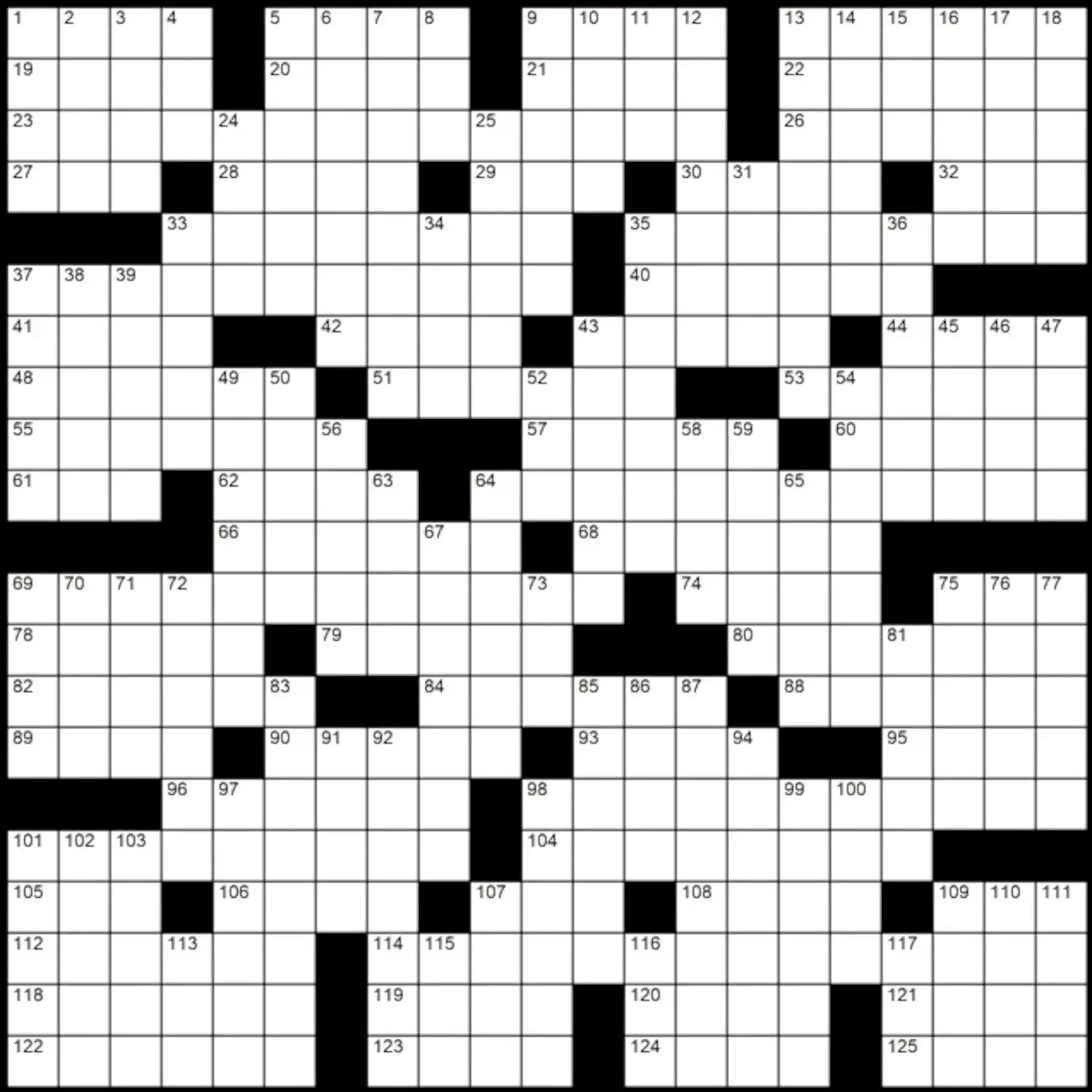
Evan Birnholz is the lead crossword constructor for The Washington Post, renowned for his innovative, humorous, and structurally complex 21x21 Sunday puzzles. This guide focuses exclusively on the Washington Post Sunday Crossword under his tenure as of 2026.
Since taking the helm of the Washington Post’s Sunday magazine puzzle in late 2015, Evan Birnholz has redefined the expectations of the 21x21 grid. Entering 2026, his work remains a benchmark for the industry, blending traditional crossword mechanics with modern pop culture, meta-puzzles, and groundbreaking visual themes. For the dedicated solver, a Birnholz Sunday is not just a vocabulary test; it is an exercise in lateral thinking and structural analysis. This technical deep-dive explores the architectural nuances of his puzzles, the 2026 solver’s landscape, and strategies to conquer the most challenging meta-puzzles in the field.
The Evolution of the Washington Post Sunday Crossword in 2026
By 2026, the Washington Post Sunday crossword has transitioned into a fully hybrid experience, catering to both traditional print enthusiasts and a massive digital audience using high-refresh-rate tablets and specialized solving apps. Birnholz has spent over a decade refining a "solver-first" philosophy. Unlike puzzles that rely on obscure "crosswordese" (archaic words like ETUI or adit), his 2026 output emphasizes fresh, conversational language and fair crossings.
The technical standard for a Sunday Birnholz puzzle involves a 21x21 grid, which provides significantly more real estate than the standard 15x15 weekday puzzles found in other publications. This extra space allows for elaborate "megathemes" that often span the entire grid or involve hidden "meta" challenges where the solver must derive a final answer—often a person, place, or phrase—from clues hidden within the completed grid.
Key Architectural Elements of a Birnholz Puzzle
Theme Integration and Innovation
Birnholz is widely recognized for themes that break the "fourth wall" of the crossword grid. In 2026, solvers frequently encounter puzzles where the black squares themselves form shapes relevant to the theme or where the answers literally "turn corners" or "jump" across the grid. His themes are rarely just a list of puns; they are cohesive puzzles-within-puzzles that require the solver to understand a specific gimmick to unlock the long theme entries.
Cluing Style and Accessibility
One of the hallmarks of the Evan Birnholz style is the "fair but firm" approach. The cluing is characterized by witty wordplay and "misdirection" (using words that could be different parts of speech). However, Birnholz adheres to a strict editorial standard where every obscure proper noun must be crossed by recognizable, gettable words, ensuring that "Naticks" (points where two unguessable clues intersect) are virtually non-existent in his 2026 portfolio.
Technical Specifications: 2026 Sunday Crossword Standards
To understand the complexity of the Evan Birnholz Sunday Crossword, one must look at the technical metrics that define high-level crossword construction in 2026.
| Feature | Specification / Metric | Industry Standard Comparison |
|---|---|---|
| Grid Dimensions | 21x21 Squares | Standard for Major Sunday Puzzles |
| Average Word Count | 136 to 144 | Lower counts indicate higher difficulty |
| Theme Density | 5-9 Theme Entries + Meta | Highly Dense / Complex |
| Difficulty Scaling | Dynamic (Early-week to Late-week feel) | Consistent Moderate-Difficult |
| Submission Platform | WaPo Digital / Print / .puz / PDF | Multi-platform Optimized |
| Meta-Puzzle Frequency | Monthly or Bi-Monthly | Higher than NYT/LAT |
| Update Schedule | Every Sunday 12:00 AM ET | Standardized |
Advanced Solving Strategies for the 2026 Landscape
Solving a 21x21 grid requires more than just a large vocabulary; it requires a systematic approach to the grid's architecture. As the themes become more sophisticated in 2026, solvers should adopt the following technical workflows.
1. The Title-Theme Correlation Analysis
The title of an Evan Birnholz puzzle is never an afterthought. In 2026, the title serves as the primary "cryptic" hint for the gimmick. Before entering a single letter, analyze the title for potential double meanings. For example, a title like "Split Ends" might suggest that the first and last letters of theme entries are separated or altered.
2. Identifying "Pivot" Entries
Birnholz often utilizes long vertical entries (Downs) that interact with horizontal theme entries (Acrosses). If an Across entry seems nonsensical or too short for its space, look for a "rebus" (multiple letters in one square) or a "wraparound" effect where the word continues on the opposite side of the grid.
3. Mastering the 2026 Meta-Puzzle
Meta-puzzles (or "contest puzzles") are a Birnholz specialty. After filling the grid, you may be prompted to find a "famous musician" or a "seven-letter word."
- Step A: Scan the long theme entries for unusual patterns (e.g., every theme entry contains a hidden bird name).
- Step B: Look for "clue-echoing," where a clue for a small 3-letter word seems strangely similar to a theme entry.
- Step C: Check for grid symmetry. Sometimes the meta-answer is spelled out by the first letters of the theme entries or by specific squares indicated by the theme's logic.
Comparative Analysis: Birnholz vs. Other 2026 Sunday Puzzles
Solvers often choose their primary Sunday puzzle based on construction quality and the "aha!" moment factor. The Washington Post, under Birnholz, occupies a unique niche compared to the New York Times (NYT) and the Los Angeles Times (LAT).
- Creativity and Risk-Taking: Birnholz is generally considered more experimental than the LAT and often rivals or exceeds the NYT in thematic complexity. While the NYT Sunday puzzle remains the "Gold Standard" for prestige, Birnholz is frequently cited by the enthusiast community (via sites like Crossword Fiend) for having more consistent "freshness" and fewer "stale" entries.
- Difficulty Curve: The Birnholz puzzle is designed to be a "slow burn." It typically starts with easier clues in the Northwest corner and scales in difficulty. Unlike some puzzles that rely on 1950s cinema references, Birnholz focuses on 21st-century culture, 2026 current events, and timeless wordplay.
- Digital Integration: By 2026, the Washington Post's interface has surpassed many competitors by allowing seamless "pencil" modes and integrated meta-submission forms that provide instant feedback to the solver.
The Constructor's Perspective: Why Birnholz Matters in 2026
For aspiring constructors, Evan Birnholz represents the "Professional's Professional." His work illustrates how to maintain a high "Snell Test" score (a metric used by some enthusiasts to determine the ratio of interesting words to "fill").
Structural Integrity
A technical review of Birnholz's 2026 grids reveals a mastery of "open corners." While many Sunday puzzles use "cheater squares" (extra black squares that don't affect symmetry) to make construction easier, Birnholz often avoids them to maintain a clean, aesthetically pleasing grid. This requires a much higher level of software-assisted refinement and manual tweaking.
Modern Cluing Standards
Birnholz is an industry leader in inclusive cluing. In 2026, this means ensuring that clues reflect a global perspective and avoid Western-centric or gender-biased tropes. This attention to detail has helped the Washington Post Sunday puzzle capture a younger, more diverse demographic of solvers than traditional Sunday puzzles.
Frequently Asked Questions
What is the best way to start an Evan Birnholz Sunday puzzle?
Start with the "low-hanging fruit," which are usually the fill-in-the-blank clues or straightforward definitions in the 3-to-5 letter range. These provide the "crosses" needed to verify the more difficult theme entries. Always read the title first, as it usually explains the "trick" of the puzzle.
How often does Birnholz include a meta-puzzle?
While not every Sunday is a meta-puzzle, they occur frequently—usually once every 4 to 6 weeks. These are often highlighted in the puzzle's instructions. In 2026, these metas have become a community event, with solvers discussing the "meta-logic" on social platforms and puzzle forums immediately after the solve.
Are the Washington Post Sunday crosswords harder than the NYT?
Difficulty is subjective, but Birnholz’s puzzles are generally equivalent to a Thursday or Friday NYT puzzle in terms of wordplay, but on a much larger 21x21 scale. The sheer size makes them a longer commitment, often taking experienced solvers 20–45 minutes and casual solvers over an hour.
Can I solve Birnholz puzzles on a smartphone?
Yes, the Washington Post has optimized its web-based solver and mobile app for 2026 standards. The interface supports "dark mode," "focus mode" (which zooms in on the current clue's area), and full compatibility with external Bluetooth keyboards for those who prefer a tactile experience.
What should I do if I get stuck on a Birnholz puzzle?
If you are stuck, the issue is usually a "rebus" square or a theme gimmick you haven't grasped yet. Look at the long entries; if a word seems to be missing letters to fit the clue, try putting multiple letters in one square. Additionally, checking the "reveal" or "check" functions in the digital version can help identify where your logic went wrong without spoiling the entire experience.
Conclusion: The Gold Standard of Sunday Puzzles
As we navigate the crossword landscape of 2026, Evan Birnholz remains a pivotal figure in the evolution of the medium. His Sunday puzzles for the Washington Post offer a masterclass in construction, blending technical precision with an unerring sense of fun. Whether you are a casual hobbyist or a competitive speed-solver, engaging with a Birnholz grid is a weekly requirement for anyone seeking the pinnacle of American crosswords.