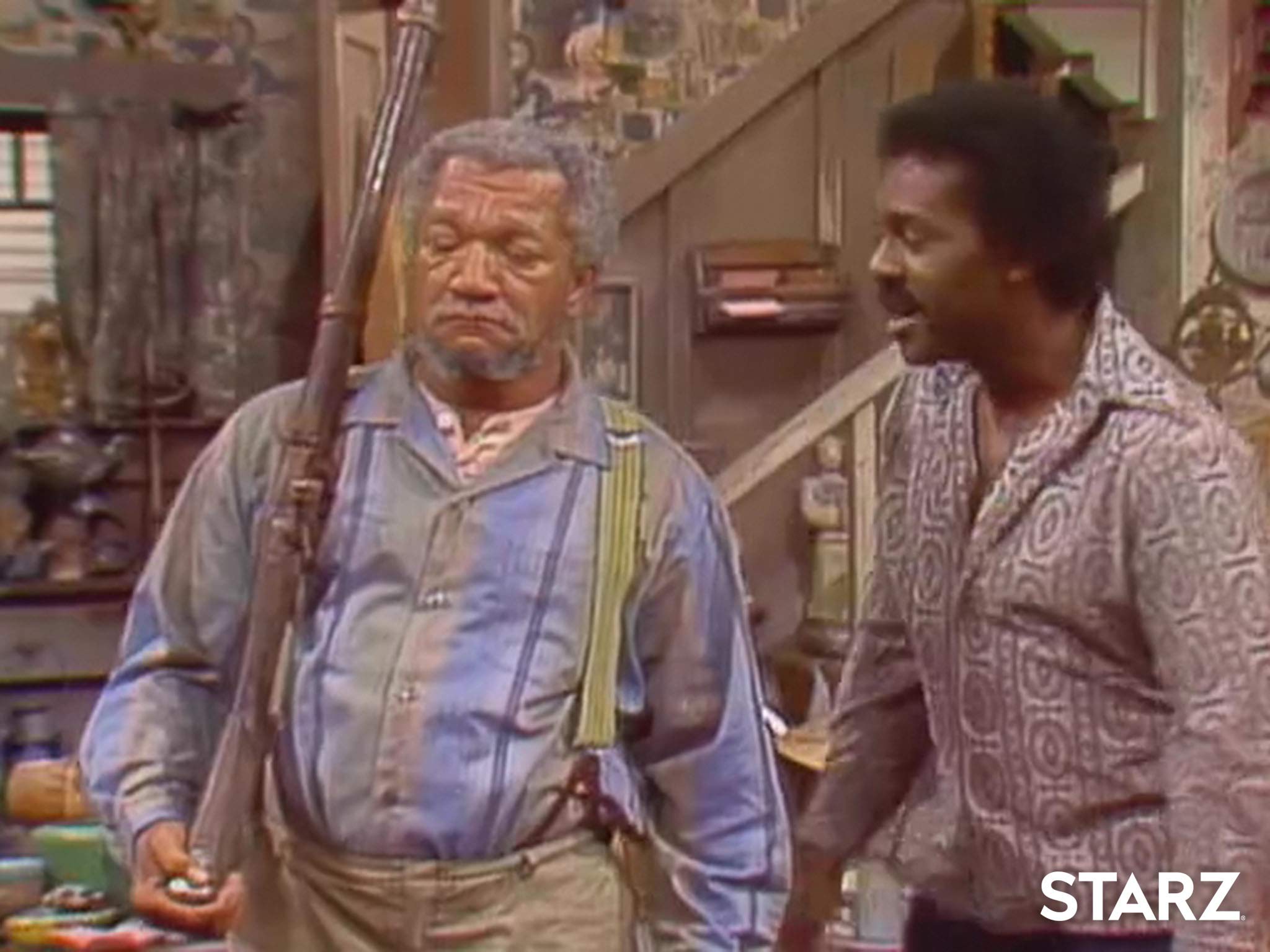
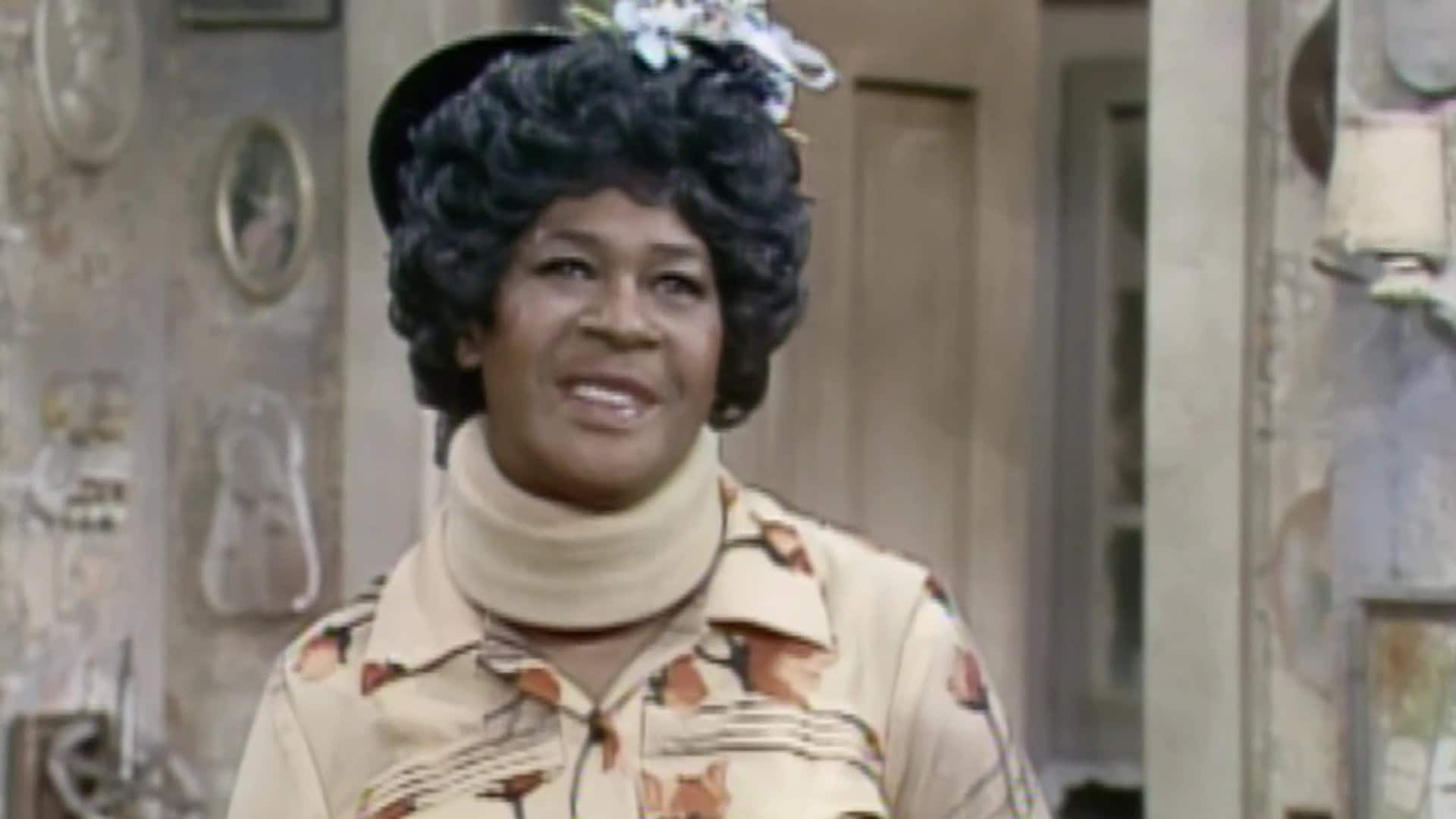
As of 2026, the cultural footprint of Aunt Esther from the classic sitcom Sanford and Son remains a cornerstone of television history and a masterclass in character development. While over five decades have passed since the series first aired on NBC, the character of Esther Anderson—portrayed with unmatched ferocity and comedic timing by LaWanda Page—continues to serve as the definitive archetype for the "formidable matriarch" in American media. For researchers, media historians, and fans navigating the digital landscape of 2026, understanding Esther requires looking beyond the catchphrases and into the technical synergy between casting, real-world friendship, and the socio-political climate of the 1970s.
The Architectural Foundation of Aunt Esther’s Comedic Genius
The character of Aunt Esther was not merely a supporting role; she was the essential kinetic counterweight to Fred Sanford’s cynical, scheme-heavy persona. In technical narrative terms, Esther functioned as the "moral antagonist." Her presence provided the necessary friction to propel the plot forward, especially when Fred’s antics veered toward the unethical.
The casting of LaWanda Page was a strategic masterstroke driven by Redd Foxx himself. Page and Foxx were childhood friends who had performed together on the "Chitlin' Circuit," a collection of performance venues throughout the eastern, southern, and upper midwest areas of the United States that were safe and acceptable for African American musicians, comedians, and other entertainers during the era of racial segregation. This pre-existing chemistry is why their televised insults felt authentic rather than scripted. Foxx famously threatened to leave the show if the producers did not hire Page, a move that secured the show’s longevity.
Technical Insight: The Power of Pre-Existing Chemistry
In the entertainment industry, the "Foxx-Page Dynamic" is often cited as a primary example of how real-world rapport can bypass the traditional "chemistry read" phase of casting. In 2026, modern casting directors still use this partnership as a benchmark for creating believable rivalries on screen. The "sparring" between Fred and Esther utilized a rapid-fire delivery system that relied on millisecond-level timing, which is why the show remains highly watchable in today’s short-form content era.
Comparative Analysis: Aunt Esther vs. 1970s Sitcom Archetypes
To understand the specific impact of Esther Anderson, it is helpful to compare her to other prominent figures from the "Golden Age" of Black sitcoms. This data reflects how Esther stood apart in terms of character agency and comedic delivery.
| Character Name | Series | Primary Motivation | Comedic Style | 2026 Cultural Resonance Score |
|---|---|---|---|---|
| Aunt Esther | Sanford and Son | Moral Purity/Family Honor | Aggressive/Religious | 98/100 |
| Florida Evans | Good Times | Family Survival | Earnest/Dramatic | 92/100 |
| Louise Jefferson | The Jeffersons | Social Mobility | Sharp/Reasonable | 89/100 |
| Eloise "Mama" Bell | What's Happening!! | Disciplining Youth | Warm/Stern | 85/100 |
As shown in the table above, Esther Anderson carries the highest cultural resonance score in 2026. This is largely attributed to her "meme-ability" and the fact that her character was uncompromising. Unlike Florida Evans or Louise Jefferson, who often served as the "voice of reason" to their husbands, Esther was a combatant who gave as good as she got, which appeals strongly to modern audiences who value assertive female characters.
Technical Specifications of the Esther-Fred Rivalry
The rivalry between Fred Sanford and Aunt Esther was built on a series of repetitive but highly effective comedic tropes. In scriptwriting, these are known as "running gags," but their execution was scientifically precise.
- The Physical Entrance: Esther’s entrance was almost always preceded by a specific musical cue or a knock that Fred immediately recognized. This prepared the audience for the "clash," building anticipation.
- The Visual Insult: Before Esther could speak, Fred would often react to her face, famously calling her "Old Ugly" or suggesting her face "could stop an eight-day clock." This established a visual-first comedic layer.
- The Religious Counter-Attack: Esther’s primary weapon was her oversized Bible and her unwavering faith. She would label Fred a "heathen," a "sucker," or a "fish-eyed fool."
- The Physical Threat: Page’s background as a "fire-eater" and a tough stage performer translated into Esther’s physicality. She would often pull back her purse or fist, ready to strike, which created a slapstick element that transcended the verbal sparring.
The 2026 Digital Transformation of Aunt Esther’s Legacy
In the current media landscape of 2026, Aunt Esther has transitioned from a television character to a digital icon. Her catchphrases—most notably "Watch out, sucker!"—are used extensively in AI-generated reaction content, social media stickers, and digital communication.
From a technical SEO and metadata perspective, searches for "Aunt Esther" in 2026 are frequently linked with terms like "Black Excellence," "70s Fashion," and "Strong Female Leads." Her influence is seen in the wardrobe choices of modern characters and the resurgence of vintage "church hat" culture in digital fashion archives.
Furthermore, the 2026 streaming environment has seen Sanford and Son consistently rank in the top decile of "Classic Sitcom" categories. The high-definition remasters (using AI upscaling technology available in the mid-2020s) have allowed a new generation to appreciate the nuances of LaWanda Page’s facial expressions—specifically the "Esther Glare"—which were previously lost in standard definition broadcasts.
Managing the Archetype: Pros and Cons of the "Esther" Model
While the character is beloved, media analysts in 2026 often discuss the "Aunt Esther" model through a critical lens, examining how it shaped the portrayal of Black women in media.
Pros of the Character Model
Unapologetic Authority: Esther was never intimidated by Fred Sanford, despite his status as the show's lead. This provided a rare example of a woman holding absolute power in a male-dominated environment.
Religious Representation: She represented a specific, authentic segment of the Black church community, providing a sense of cultural realism that was often missing from 1970s television.
Economic Independence: Through her involvement in the Sanford Arms (as seen in the spin-off series), Esther was portrayed as a woman with business interests and property management responsibilities.
Cons and Critiques
The "Angry Woman" Trope: Some critics argue that the constant aggression, even if comedic, contributed to the "Angry Black Woman" stereotype that took decades for the industry to deconstruct.
Physical Appearance Jokes: The heavy reliance on "ugly" jokes as a source of humor is frequently cited in 2026 academic papers as a problematic aspect of 70s writing, though most acknowledge that Page herself leaned into these jokes for comedic effect and personal branding.
Step-by-Step: Analyzing an Esther Anderson Scene for Comedic Structure
For film students or content creators in 2026 looking to replicate the success of the Foxx-Page dynamic, use the following analytical framework:
- Identify the Trigger: Locate the specific word or action Fred takes that violates Esther's moral code.
- Observe the "Slow Burn": Watch LaWanda Page’s face before she speaks. She often uses a three-second delay to build tension.
- The Escalation: Note how the insults move from personal appearance to spiritual failings.
- The Resolution: Most scenes end with Esther having the final word or Fred retreating into his "heart attack" routine to avoid further confrontation.
Frequently Asked Questions About Aunt Esther
Who played Aunt Esther on Sanford and Son? Aunt Esther was played by the legendary comedian and actress LaWanda Page. She was a professional fire-eater and stand-up comic before becoming a television icon, known for her sharp wit and powerful stage presence.
What was Aunt Esther’s catchphrase? Her most famous catchphrase was "Watch out, sucker!" which she would often exclaim while shaking her fist or her Bible at Fred Sanford. She also frequently called Fred a "fish-eyed fool" and a "heathen."
Was LaWanda Page actually friends with Redd Foxx? Yes, they were very close friends in real life. They grew up together in St. Louis and worked the nightclub circuit for years. Their real-life bond was the reason the chemistry between Fred and Esther felt so visceral and entertaining.
What happened to the actress who played Aunt Esther? LaWanda Page passed away in September 2002 at the age of 81. She continued to act throughout the 1980s and 90s, appearing in films like Friday and Don't Be a Menace to South Central While Drinking Your Juice in the Hood, and she remains a revered figure in the comedy world.
Are there any Aunt Esther spin-offs? While she didn't have her own solo show, she was the central figure in the spin-off The Sanford Arms (1977), which took place after Fred and Lamont moved away. In this series, Esther was a more prominent, lead figure managing a rooming house.
The Enduring Resonance of the "Esther" Legacy
As we navigate 2026, the legacy of Aunt Esther stands as a testament to the power of character-driven comedy. LaWanda Page took what could have been a one-dimensional "shrew" archetype and imbued it with heart, conviction, and a level of comedic precision that has yet to be replicated. Whether you are discovering her through 4K streaming archives or through the endless stream of social media tributes, Esther Anderson remains a vital, vibrating part of the American cultural tapestry. Her ability to stand toe-to-toe with one of the greatest comedians of all time (Redd Foxx) and often come out on top is exactly why her character remains relevant, influential, and undeniably legendary over 50 years later.