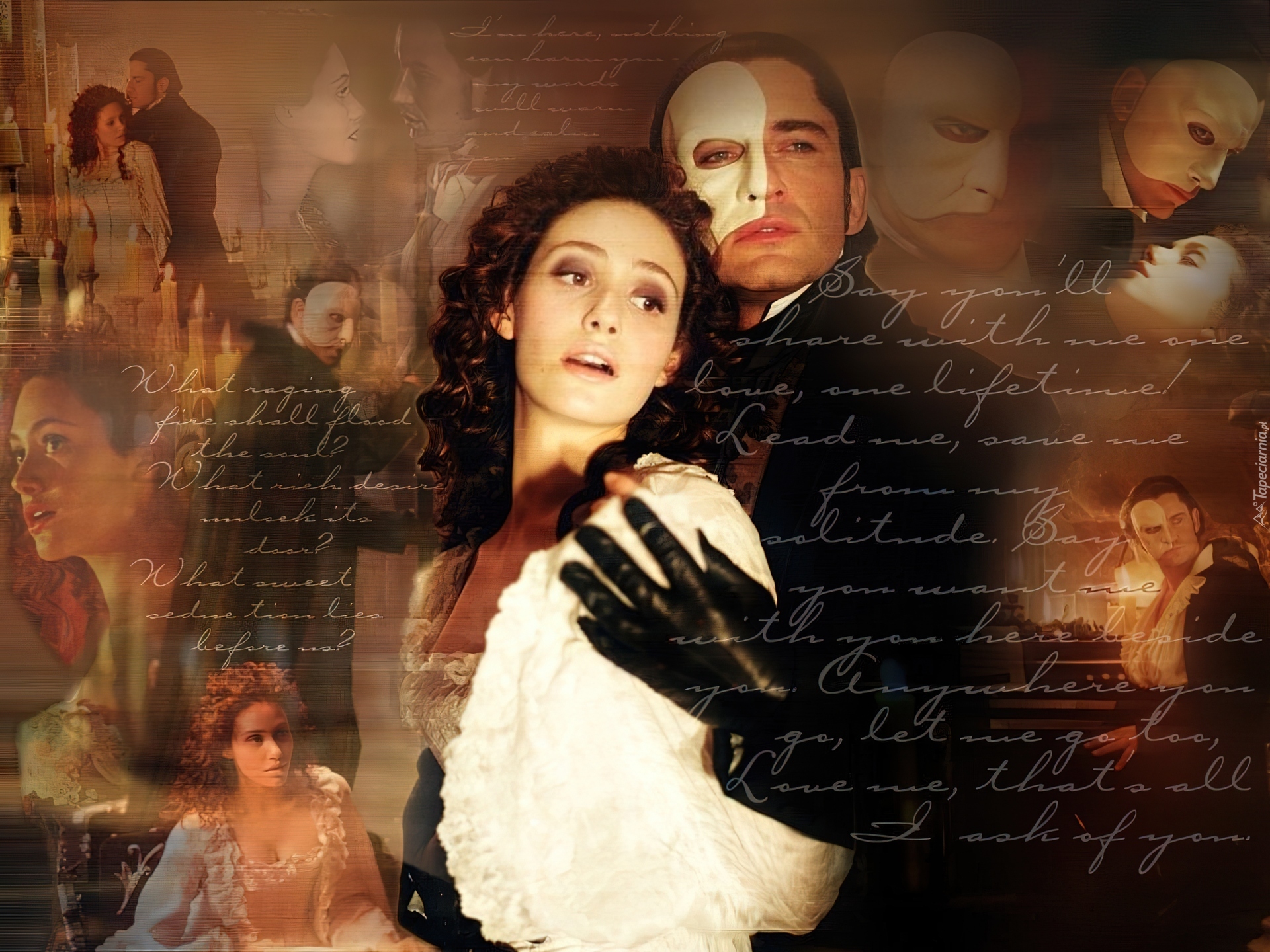
Emmy Rossum’s portrayal of Christine Daaé in the 2004 film adaptation of The Phantom of the Opera served as the foundational financial pillar of her career. While her initial salary was estimated in the mid-six-figure range, the film's global recognition and her Golden Globe nomination exponentially increased her market value. This breakout role transitioned her from a child actress to a leading lady, eventually enabling her to command $350,000 per episode for Shameless and secure a multi-year first-look production deal with NBCUniversal.
The Financial Genesis: Casting and Initial Contract Terms
In 2003, when director Joel Schumacher was casting for the film adaptation of Andrew Lloyd Webber’s legendary musical, Emmy Rossum was a 16-year-old with limited mainstream exposure. Her background was primarily in the Metropolitan Opera and smaller film roles like Songcatcher and Mystic River. From a financial perspective, casting a relative unknown was a strategic move for the studio, Warner Bros., which was managing a substantial $70 million production budget.
Rossum’s initial contract for The Phantom of the Opera was characteristic of a "breakout" role for a minor. While exact figures from private talent contracts are rarely disclosed in full, industry benchmarks for the early 2000s suggest her upfront salary likely sat between $250,000 and $500,000. For a teenager in 2004, this was a significant windfall, but the true financial impact lay in the performance escalators and the international visibility the role provided.
The role required a "triple threat" skill set—acting, singing, and dancing—which inherently raised her "quote" (the standard fee an actor can demand for future projects). By successfully carrying a $70 million tentpole film, Rossum proved her commercial viability, which is the primary driver of long-term earnings in Hollywood.
Box Office Performance and Residual Revenue Streams
The Phantom of the Opera grossed approximately $154.6 million worldwide. While not an immediate domestic blockbuster by superhero standards, it developed a massive cult following and performed exceptionally well in international markets and home video sales. For the lead actors, this translates into "residuals"—ongoing payments made when the film is broadcast on television, streamed, or sold on physical media.
Beyond the film itself, the soundtrack was a major financial engine. The 2004 Phantom soundtrack was certified Gold and Platinum in several territories. As the primary vocalist for the lead role, Rossum would be entitled to performer royalties on the album sales. In the music industry, these royalties are distinct from film residuals and provide a passive income stream that can last decades.
Comparative Financial Overview: Career Milestones
The following table illustrates the financial trajectory of Emmy Rossum’s career from her Phantom breakout through her peak earning years and into 2026.
| Project / Era | Primary Role | Estimated Earnings / Salary | Financial Significance |
|---|---|---|---|
| The Phantom of the Opera (2004) | Christine Daaé | $250k - $500k (Upfront) | Established international market value. |
| Poseidon (2006) | Jennifer Ramsey | $1M+ | Direct result of Phantom "quote" increase. |
| Shameless Early Seasons | Fiona Gallagher | $75k - $125k per episode | Transition to steady TV income. |
| Shameless Late Seasons (2016-19) | Fiona Gallagher | $350k per episode | Result of high-profile equal pay negotiation. |
| NBCUniversal Deal (2020-2026) | Producer/Creator | Multi-million dollar "First-Look" | Shift from talent to ownership/production. |
The "Phantom" Effect on Future Negotiation Leverage
The most significant financial impact of The Phantom of the Opera was the leverage it provided for future negotiations. In Hollywood, an actor’s previous success serves as a "floor" for future contracts. After Phantom, Rossum was no longer a "working actress" but a "star." This allowed her to command seven-figure salaries for films like Poseidon (2006) and Dragonball Evolution (2009).
However, the most famous financial moment of her career occurred in 2016 during her contract negotiations for Season 8 of Shameless. Rossum made headlines by demanding—and successfully receiving—pay parity with her co-star William H. Macy. She even requested back-pay for the years she was paid less.
This negotiation was only possible because of the "prestige capital" she had accumulated since Phantom. Her status as an award-nominated actress with a recognizable international brand gave her the necessary leverage to stall production until her terms were met. Financially, this move boosted her per-episode earnings to roughly $350,000, placing her among the highest-paid women on television at the time.
Transition to Production and the NBCUniversal Era
By 2026, Emmy Rossum’s financial profile has shifted significantly from a salaried actress to a producer with equity in her projects. This transition is a common path for actors who achieve early success; they leverage their "talent fees" to fund their own production companies. Rossum’s company, Composition 8, signed a massive first-look deal with Universal Content Productions (UCP), a division of NBCUniversal.
These types of deals often include:
- Development Fees: Fixed payments for bringing new ideas to the studio.
- Overhead Allowances: Funds to pay for office space and staff.
- Executive Producer Fees: High per-episode fees for any show that makes it to air (e.g., Angelyne).
- Back-end Participation: A percentage of the profits from syndication or international licensing.
Without the initial global launchpad of The Phantom of the Opera, it is unlikely Rossum would have had the industry clout to secure a deal of this magnitude. The film essentially served as a 140-minute "proof of concept" for her as a brand.
Net Worth Context in 2026
As of 2026, Emmy Rossum’s net worth is estimated to be in the $25 million to $30 million range. While this figure is a cumulative result of her two decades in the industry, The Phantom of the Opera remains the single most important event in her financial history.
It provided the "prestige" needed for award-season campaigns, the "commerciality" needed for blockbuster casting, and the "royalty base" needed for long-term passive income. Furthermore, her career choices post-2004 show a distinct pattern of prioritizing roles that offer both critical acclaim and high-level compensation, a luxury afforded only to those who have a successful "tentpole" film on their resume.
Risk Management and Diversification
Rossum has also demonstrated financial savvy through diversification. Unlike many young stars who overspend after their first major paycheck, Rossum’s financial impact from Phantom was channeled into:
- Real Estate: Strategic purchases and sales in the New York and Los Angeles markets.
- Brand Endorsements: High-end partnerships with brands like Burt’s Bees and various fashion houses, which prefer actors with "prestige" backgrounds like hers.
- Production Equity: Moving away from "work-for-hire" to owning the intellectual property she develops.
Summary of Musical Royalties and Digital Impact
In the digital age of 2026, the Phantom soundtrack continues to contribute to her earnings through streaming platforms like Spotify and Apple Music. Because The Phantom of the Opera is a perennial favorite for musical theater fans, the "long-tail" revenue of the 2004 cast recording is substantial. Every time a track like "The Point of No Return" or "Think of Me" is streamed, a fraction of a cent goes to the performers. Given that these tracks have tens of millions of plays, the aggregate annual income remains a non-negligible part of her financial portfolio.
FAQs
How much did Emmy Rossum get paid for the Phantom of the Opera movie?
While her exact salary is confidential, industry standards for a breakout lead in a 2004 musical suggest she earned between $250,000 and $500,000 upfront. Her total earnings from the project are significantly higher when including twenty years of residuals and soundtrack royalties.
Did Emmy Rossum receive royalties for the Phantom soundtrack?
Yes. As a lead vocalist on a major motion picture soundtrack, Rossum is entitled to performer royalties. These are paid out based on album sales, digital downloads, and streaming numbers, providing a consistent stream of passive income.
How did the Phantom of the Opera affect her Shameless salary?
The film established Rossum as a high-value, award-nominated actress. This "star power" was the primary leverage she used in 2016 to negotiate pay parity with William H. Macy, eventually reaching a salary of approximately $350,000 per episode.
Is Emmy Rossum still making money from the 2004 movie?
Yes, through residuals. Under Screen Actors Guild (SAG-AFTRA) rules, actors receive payments when their work is rebroadcast on TV, licensed to streaming services like Netflix or HBO Max, or sold on physical media.
What is Emmy Rossum's net worth in 2026?
By 2026, Emmy Rossum’s net worth is estimated at $25 million to $30 million. This is a combination of her acting salaries, production deals with NBCUniversal, real estate investments, and ongoing royalties from her music and film work.
Why was her casting in Phantom considered a financial risk?
At the time, Rossum was only 16 and not a "bankable" household name. Choosing her over an established pop star or A-list actress was a risk for the studio, but it ultimately paid off as her performance became the film's most praised element, driving long-term home video and soundtrack sales.
Professional Financial Recommendation for Career Tracking
For those analyzing the financial impact of a "breakout role" like Emmy Rossum’s in The Phantom of the Opera, it is essential to look beyond the upfront salary. The true value of such a role lies in the Quote Inflation—the ability to double or triple one’s fee for the next five projects. If you are tracking the financial health of an entertainment portfolio, prioritize actors who transition from "lead talent" to "executive producer," as Rossum did with her Composition 8 deal. This shift represents the move from earned income (salary) to business income (equity), which is the most effective way to preserve and grow wealth in the entertainment industry through 2026 and beyond.