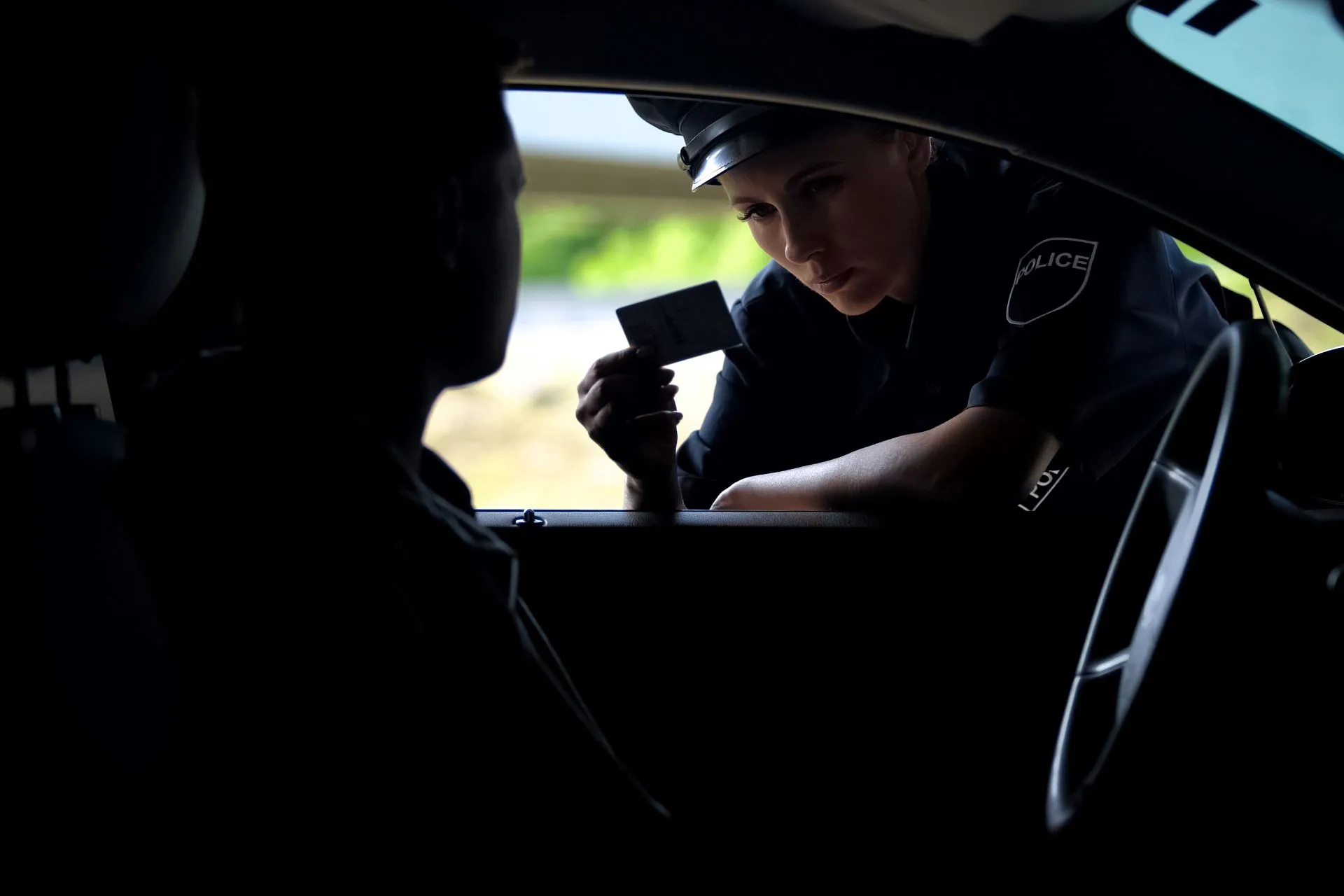
DWI stands for Driving While Intoxicated, a legal charge issued when a person operates a motor vehicle with a Blood Alcohol Concentration (BAC) at or above the legal limit (typically 0.08%) or while impaired by drugs. Charges range from misdemeanors to serious felonies, carrying consequences like jail time, heavy fines, and permanent criminal records.
Operating a vehicle under the influence remains one of the most strictly prosecuted offenses in the United States. As of 2026, law enforcement agencies have integrated advanced roadside testing and digital evidence gathering, making it more critical than ever to understand the specific legal definitions, the hierarchy of charges, and the life-altering consequences that follow a conviction.
What Does DWI Actually Mean?
At its core, a DWI charge signifies that an individual’s mental or physical faculties were significantly impaired while they were in control of a vehicle. While most people associate DWI with alcohol, the "intoxication" element of the charge is broad. It encompasses impairment caused by illegal narcotics, marijuana (even in states where it is legal for recreational use), and even legally prescribed medications if they hinder a driver's ability to operate a vehicle safely.
The legal standard for "intoxication" is generally established through two primary methods:
- BAC (Blood Alcohol Concentration) Levels: In almost every state, a BAC of 0.08% or higher is considered "per se" intoxicated. This means the prosecutor does not have to prove you were driving poorly; the chemical measurement of alcohol in your system is sufficient evidence for a charge.
- Impairment Evidence: Even if a driver is below the 0.08% limit, they can be charged with a DWI if law enforcement can prove their faculties were impaired. This is often supported by Field Sobriety Tests (FSTs), dashcam footage of erratic driving, or the officer’s observations of slurred speech and bloodshot eyes.
In 2026, many jurisdictions have also implemented "Zero Tolerance" laws for minors (often a BAC limit of 0.02% or simply any detectable amount) and stricter "Enhanced" or "Aggravated" DWI limits for individuals with a BAC of 0.15% or higher.
The Distinction Between DWI and DUI
The terms DWI (Driving While Intoxicated) and DUI (Driving Under the Influence) are often used interchangeably, but their specific meanings depend heavily on the state in which the offense occurs. Understanding this distinction is vital for anyone navigating the legal system.
In some states, DUI is considered a lesser charge or a specific classification for drivers under the age of 21. In other states, such as Texas or New York, DWI is the standard term for adult intoxication. Some jurisdictions use DUI to refer specifically to drug impairment, while DWI is reserved for alcohol. However, in many modern legal frameworks, the two have been merged into a single "OUI" (Operating Under the Influence) or "OWI" (Operating While Intoxicated) designation to cover all forms of substance-related impairment.
Regardless of the acronym, the underlying legal theory remains the same: the state seeks to protect public safety by penalizing those who operate heavy machinery while their judgment and reaction times are compromised.
Classifications of DWI Charges
DWI charges are not uniform; they are categorized based on the severity of the incident and the driver’s prior history. Prosecutors and judges look at "aggravating factors" to determine whether a charge should be a misdemeanor or a felony.
Misdemeanor DWI
Most first and second offenses are classified as misdemeanors. While less severe than felonies, they still carry significant penalties.
- Class B Misdemeanor: Typically the standard for a first-time DWI with a BAC below 0.15%.
- Class A Misdemeanor: Often applied to second-time offenders or first-time offenders with a BAC above 0.15% (Aggravated DWI).
Felony DWI
A DWI can escalate to a felony under several specific circumstances, which drastically changes the legal stakes:
- Third Offense: In many states, a third DWI conviction is an automatic felony, regardless of how much time has passed since the previous offenses.
- DWI with a Child Passenger: Operating a vehicle while intoxicated with a minor (usually under 15) in the car is a state jail felony in many jurisdictions.
- Intoxication Assault: If the intoxicated driver causes an accident that results in "serious bodily injury" to another person, the charge becomes a third-degree felony.
- Intoxication Manslaughter: If the accident results in a death, the driver faces a second-degree felony, which can carry a prison sentence of up to 20 years.
Immediate and Long-Term Legal Penalties
The penalties for a DWI are split into two categories: criminal penalties (decided in court) and administrative penalties (handled by the Department of Motor Vehicles or equivalent agency).
Criminal Penalties
Upon conviction, a judge will sentence the individual based on state statutes. In 2026, sentencing guidelines have shifted toward a combination of punitive measures and rehabilitative requirements.
- Incarceration: Even first-time offenders may face "shock jail time" (3 to 6 days), while repeat offenders face years in state prison.
- Fines and Court Costs: Fines can range from $2,000 for a first offense to over $10,000 for felonies. This does not include mandatory "civil assessments" or court fees.
- Probation: Community supervision often lasts 12 to 24 months, requiring regular check-ins, drug testing, and community service.
Administrative Penalties
These often happen before you even step foot in a criminal courtroom.
- License Suspension: Under "Administrative License Revocation" (ALR) laws, your license can be suspended automatically if you fail a breath test or refuse to take one.
- Ignition Interlock Device (IID): Many states now require the installation of a breathalyzer in your vehicle as a condition of bond or to regain driving privileges. The driver must pay for the installation and monthly calibration of this device.
| Offense Level | Potential Jail Time | Typical Fines | License Suspension |
|---|---|---|---|
| 1st DWI | 3 - 180 Days | $2,000 - $4,000 | 90 Days - 1 Year |
| 2nd DWI | 30 Days - 1 Year | Up to $6,000 | 180 Days - 2 Years |
| 3rd+ (Felony) | 2 - 10 Years | Up to $10,000 | 1 - 2 Years |
| DWI w/ Child | 180 Days - 2 Years | Up to $10,000 | 180 Days - 1 Year |
Collateral Consequences Beyond the Courtroom
The "lasting consequences" of a DWI often extend far beyond the legal penalties. These "collateral consequences" can affect an individual's livelihood and personal life for decades.
Impact on Employment
Many employers have strict policies regarding criminal records. A DWI conviction can lead to the immediate termination of employment, especially for those in transportation, healthcare, or education. For those with a Commercial Driver’s License (CDL), a single DWI conviction usually results in a one-year disqualification, and a second conviction often leads to a lifetime ban. Furthermore, any job requiring a security clearance may be jeopardized by a DWI arrest.
Insurance and Financial Burden
Once a DWI is on your record, you are classified as a "high-risk" driver. Insurance premiums often double or triple. Most states require an SR-22 insurance certificate, which is a document filed with the state to prove you carry the minimum required liability insurance. The cost of a DWI, when factoring in legal fees, fines, IID costs, and insurance hikes, is estimated by the National Highway Traffic Safety Administration (NHTSA) to exceed $10,000 to $15,000 even for a first-time offense.
Professional Licensing and Education
Professional boards (for lawyers, doctors, nurses, and accountants) often require the disclosure of any criminal convictions. A DWI can lead to the suspension or revocation of a professional license. Similarly, students may find themselves ineligible for certain financial aid packages or barred from specific university programs.
Travel Restrictions
A DWI conviction can even limit your ability to travel internationally. For example, Canada generally considers a DWI a "serious criminality" offense and may deny entry to anyone with a conviction on their record, regardless of how long ago it occurred.
Defending Against a DWI Charge
Because the consequences are so severe, many individuals seek specialized legal counsel to challenge the charges. Common defense strategies in 2026 include:
- Challenging the Initial Stop: If the police officer did not have "reasonable suspicion" to pull the vehicle over, any evidence gathered afterward may be suppressed.
- Inaccuracy of Testing Equipment: Breathalyzers must be calibrated correctly and used by certified operators. Defense attorneys often scrutinize the maintenance logs of these devices.
- Medical Conditions: Certain medical conditions, such as GERD (Acid Reflux) or diabetes (ketosis), can cause false positives on breath tests.
- Rising BAC Defense: Alcohol takes time to absorb. A driver might have been under the limit while driving but over the limit by the time they reached the police station for testing.
It is important to note that a DWI charge is not an automatic conviction. However, navigating the legal complexities requires a deep understanding of state-specific statutes and forensic evidence.
FAQs About DWI Meaning and Charges
Can I be charged with a DWI for prescription drugs?
Yes. If a legally prescribed medication impairs your physical or mental faculties to the point where you cannot safely operate a motor vehicle, you can be charged with a DWI. Law enforcement often uses Drug Recognition Experts (DREs) to evaluate impairment in cases where alcohol is not present.
How long does a DWI stay on my record?
In most states, a DWI remains on your criminal record permanently. While some jurisdictions allow for "expungement" or "non-disclosure" (sealing the record) after a certain period of time (usually 5–10 years) for first-time offenders, many states, like Texas, have very strict rules that make it difficult to ever fully remove a DWI from your history.
What happens if I refuse the breathalyzer test?
Most states operate under "Implied Consent" laws. This means that by holding a driver's license, you have already consented to chemical testing if suspected of a DWI. If you refuse, your license is typically suspended immediately for a longer period (often 180 days to a year) than if you had failed the test. In 2026, many officers can also obtain electronic search warrants within minutes to perform a mandatory blood draw if you refuse the breath test.
Is a DWI a felony?
A DWI is usually a misdemeanor for the first or second offense. However, it becomes a felony if it is your third offense, if there was a child in the car, or if the incident resulted in serious injury or death.
Will I lose my job if I get a DWI?
This depends on your employment contract and the nature of your work. If your job involves driving, a DWI will likely lead to termination. Professionals like teachers or nurses may face disciplinary action from their respective licensing boards.
Next Actions for Those Facing Charges
If you or someone you know has been charged with a DWI, immediate action is required to mitigate the lasting consequences. First, identify the deadline for requesting an administrative hearing; in many states, you only have 15 days from the date of arrest to contest your license suspension.
Second, secure legal representation specializing in DWI defense. Do not rely on general practitioners, as DWI law involves complex forensic science regarding breath and blood testing. Finally, avoid discussing the details of the case on social media or with anyone other than your attorney, as statements made outside of a privileged environment can be used against you in court. Understanding the gravity of the situation is the first step toward managing the legal and personal fallout of a DWI charge.
Disclaimer: This article is for informational purposes only and does not constitute legal advice. Laws regarding DWI vary significantly by jurisdiction. Consult with a qualified attorney in your specific state for advice regarding your case.