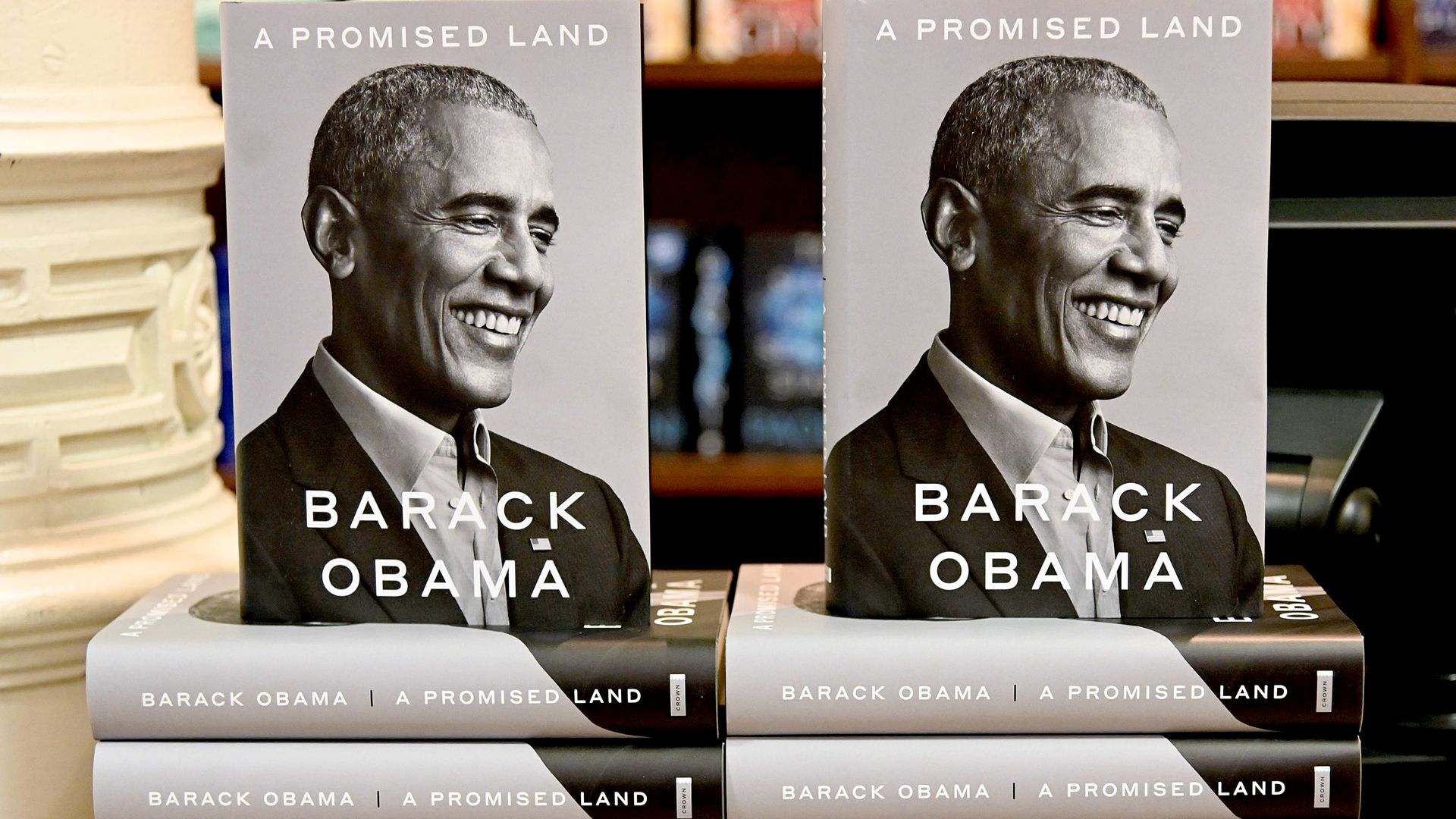
Barack Obama’s memoirs—most notably Dreams from My Father, The Audacity of Hope, and A Promised Land—offer a comprehensive record of his personal identity, political philosophy, and presidential governance. Together, these works explore the tension between high-minded democratic idealism and the pragmatic, often painful compromises required within modern American statecraft.
The Literary Arc: From Identity Search to Presidential Chronicle
Understanding Barack Obama’s literary output requires viewing his books not as isolated publications, but as a three-stage intellectual arc. Unlike standard political autobiographies written primarily as public relations exercises, Obama’s trilogy traces an evolving relationship between individual identity, constitutional theory, and executive power.
Dreams from My Father (1995)
Written before his national political career began, Dreams from My Father: A Story of Race and Inheritance remains one of the most celebrated personal memoirs written by a modern American politician. The narrative focuses on Obama’s early years, tracing his upbringing in Hawaii and Indonesia, his education at Columbia University, his work as a community organizer in Chicago, and a formative journey to Kenya. The book examines fundamental questions of racial identity, belonging, and legacy. Its literary tone is reflective and narrative-driven, heavily influenced by mid-century American literature and autobiographical traditions of the Civil Rights movement.
The Audacity of Hope (2006)
Published shortly after his rise to national prominence following the 2004 Democratic National Convention keynote address, The Audacity of Hope: Thoughts on Reclaiming the American Dream functions as a political manifesto and policy blueprint. Written while serving in the U.S. Senate, Obama outlines his constitutional philosophy, economic vision, and views on religious faith, foreign affairs, and political polarization. It provides the intellectual framework for his subsequent 2008 presidential campaign, advocating for consensus-based politics within a fractured democratic system.
A Promised Land (2020)
As the first volume of his presidential memoirs, A Promised Land shifts from personal search and political philosophy to the granular realities of executive governance. Spanning 768 pages, the book covers his early life briefly before detailing his 2008 presidential campaign and his first term in office, concluding in May 2011 with the raid that killed Osama bin Laden. Here, the tone transitions from early introspection to institutional reflection, documenting how high-level political theories collide with systemic resistance, economic crisis, and international conflict.
Core Themes in A Promised Land
As the core document of his presidential record, A Promised Land establishes several recurring thematic elements that define Obama's view of American democracy.
- Personal Origins & Identity Search (Dreams from My Father, 1995)
- Legislative Vision & Policy Blueprint (The Audacity of Hope, 2006)
- Executive Governance & Statecraft (A Promised Land, 2020)
Institutional Friction and the Limits of Idealism
A primary theme throughout A Promised Land is the operational friction built into democratic systems. Obama repeatedly details how campaign rhetoric and legislative ideals are constrained by congressional procedure, partisan alignment, public opinion, and institutional precedent. He describes executive power not as an absolute instrument, but as a deliberate effort to shift momentum by increments within a slow-moving system.
The Dynamics of Economic Crisis Management
Entering office during the acute phase of the 2008 global financial crisis, Obama details the internal debates surrounding the American Recovery and Reinvestment Act of 2009, the auto industry bailout, and the Troubled Asset Relief Program (TARP). The text provides insight into the tension between moral hazard—punishing predatory financial practices—and systemic stability, illustrating how technical economic policy decisions carry profound social implications.
Foreign Policy Realism vs. Human Rights
Obama addresses the moral dilemmas inherent to modern military and diplomatic leadership. In examining decisions regarding the Afghanistan troop surge, intervention in Libya, drone operations, and the raid on the Osama bin Laden compound in Abbottabad, Pakistan, the narrative reflects a constant effort to balance post-Cold War internationalist ideals with national security imperatives and legal limits.
Race, Symbolism, and Political Polarization
Obama documents the complex dynamics of serving as the first African American president. He reflects on how his historic presidency served as both a symbol of national progress and a catalyst for heightened political polarization. The memoir examines how public perceptions of race influenced political resistance to his legislative agenda and reshaped the American political landscape.
Structural Comparison of Obama's Major Books
The table below contrasts the scope, core focus, narrative structure, and primary historical context across Barack Obama’s three major autobiographical works:
| Feature / Metric | Dreams from My Father | The Audacity of Hope | A Promised Land |
|---|---|---|---|
| Publication Year | 1995 (re-issued 2004) | 2006 | 2020 |
| Primary Horizon | Childhood to early adulthood (1960s–1988) | U.S. Senate tenure (2004–2006) | Early life through Presidency (up to May 2011) |
| Core Subject Matter | Personal identity, race, family, organizing | Political philosophy, policy reform, democracy | Executive decision-making, governance, crisis management |
| Dominant Tone | Introspective, literary, deeply personal | Analytical, policy-focused, persuasive | Institutional, detailed, self-critical |
| Key Historical Focus | Chicago grassroots activism, Kenyan heritage | Mid-2000s legislative debates, political polarization | Great Recession, Healthcare Reform (ACA), Foreign Operations |
| Primary Audience | General literary & autobiographical readers | Voters, political analysts, policy advocates | Historians, political scholars, international observers |
Executive Decision-Making and Political Pragmatism
A central element of A Promised Land is its step-by-step account of major legislative and geopolitical events. Obama uses specific policy battles to demonstrate his decision-making process, which he describes as inherently probabilistic.
Passing the Affordable Care Act (ACA)
Obama details the protracted political process behind the passage of the Affordable Care Act in 2010. The account focuses on the trade-offs between universal ideal policies and legislative realities. Readers see the strategic necessity of negotiating with pharmaceutical stakeholders, moderating key provisions to preserve a 60-vote Senate supermajority, and pushing the legislation through the House following major special election losses.
- Policy Target: Universal Health Coverage
- Negotiations with Key Industry Groups
- Senate Filibuster Threshold Management
- House Reconciliation & Final Legislative Passage
Foreign Policy Operations and the Abbottabad Raid
The culmination of A Promised Land covers the planning and execution of Operation Neptune Spear in May 2011. Obama highlights the uncertainty of high-stakes intelligence analysis, where decision-makers must act on partial information. He presents the operational planning, risk management, legal considerations, and potential diplomatic costs of entering Pakistani airspace, illustrating the weight of executive responsibility during military operations.
Place in the Tradition of U.S. Presidential Literature
Presidential memoirs vary widely in quality and historical value. Historically, works such as the Personal Memoirs of U Ulysses S. Grant set a high benchmark for clarity, directness, and military analysis, while memoirs from late 20th-century executives often favored defensive scoring of political victories.
Obama’s contributions stand out within this literary history due to their self-conscious style and structural depth.
- Grant (1885): Direct Military & Campaign Narrative
- Eisenhower (1963–65): Institutional & Cold War Statecraft
- Obama (2020): Self-Reflective Governance & Systemic Constraints
- Literary Ambition: Obama relies less on ghostwriting assistance than many contemporary leaders, maintaining a distinct prose style characterized by balanced sentence structures, extended introspective passages, and detailed scene-setting.
- Analytical Candor: While defending his administration's major decisions, Obama regularly includes internal doubts, dissenting opinions from advisors (such as Joe Biden or Robert Gates), and explanations of why preferred options were rendered unfeasible by political or logistical constraints.
- Structural Scope: By splitting his presidential memoirs into multiple volumes, Obama provides a level of detail regarding routine white-house operations, foreign summits, and policy briefings rarely captured in single-volume presidential overviews.
Critical Reception and Literary Evaluation
Critical response to Obama’s memoirs across literary and political reviews highlights several consistent strengths along with notable criticisms:
Strengths Identified by Scholars and Critics
- Depth of Prose: Literary critics widely praise Obama’s ability to contextualize complex economic and diplomatic problems within clear, engaging narratives.
- Humanization of Governance: The memoirs effectively detail the personal physical and emotional tolls of the presidency, from personal family management within the White House to the weight of writing letters to families of fallen service members.
- Historical Documentation: The granular explanations of the 2008 financial collapse and congressional negotiations offer valuable primary-source material for historians and political scientists.
Common Criticisms
- Length and Scope: Some reviewers note that the extensive detail in A Promised Land can slow the narrative momentum, making it dense for general readers seeking a broader historical summary.
- Defensive Rationalization: Critics from various political perspectives argue that Obama occasionally uses his analytical style to rationalize overly cautious policy decisions, particularly regarding Wall Street oversight, Syrian foreign policy, or structural economic reform.
- Unresolved Multi-Volume Structure: Because Volume 1 ends in 2011, key events of his second term—including the rise of ISIS, the Paris Climate Agreement, and the 2016 election—remain left for subsequent publication.
Frequently Asked Questions
Why is Obama’s presidential memoir divided into multiple volumes?
Due to the density of material, historical complexity, and detailed coverage of both domestic policy and international relations during his two terms, Obama opted to split his presidential chronicle into two distinct books. A Promised Land serves as Volume 1, focusing on his path to office through his first term up to May 2011.
How does A Promised Land differ from Dreams from My Father?
Dreams from My Father is a personal, reflective memoir focused on identity, family history, and community organizing prior to holding public office. A Promised Land is an institutional executive chronicle that focuses on political statecraft, policy construction, crisis management, and the execution of presidential power.
What key historical events are covered in A Promised Land?
Major historical events covered include the 2008 presidential campaign, the response to the Great Recession (TARP, the Recovery Act, the auto bailout), the passage of the Affordable Care Act and Dodd-Frank Wall Street Reform, the BP Deepwater Horizon oil spill, early foreign policy challenges in Iraq and Afghanistan, the Arab Spring, and the raid on Osama bin Laden's compound.
What central political lesson does Obama highlight in his memoirs?
A core takeaway across his writing is that political progress in a constitutional democracy is rarely sudden or absolute. Instead, it is an incremental process achieved through negotiation, institutional compromise, and persistent effort within a system designed to limit concentrated power.
Is The Audacity of Hope still relevant for understanding Obama's presidency?
Yes. The Audacity of Hope establishes the foundational political philosophy, constitutional interpretations, and policy goals that guided the Obama administration. Reading it alongside A Promised Land allows scholars to evaluate how pre-presidential ideals were adapted when confronted with executive responsibility.
Recommended Approach for Readers and Scholars
To gain the most complete understanding of Barack Obama’s writings, readers should approach his texts with a structured strategy based on their specific analytical goals:
- For Literary and Identity Analysis: Read Dreams from My Father first. It establishes his voice, personal history, and foundational world view outside the context of electoral politics.
- For Political Theory and Policy Foundations: Examine The Audacity of Hope to understand the ideological framework of mid-2000s American liberalism and the specific platform behind his 2008 campaign.
- For Historical and Executive Analysis: Study A Promised Land alongside primary historical records of the 2008-2011 era to evaluate how administrative strategy, legislative maneuvering, and national security policies were developed and executed in real-time.