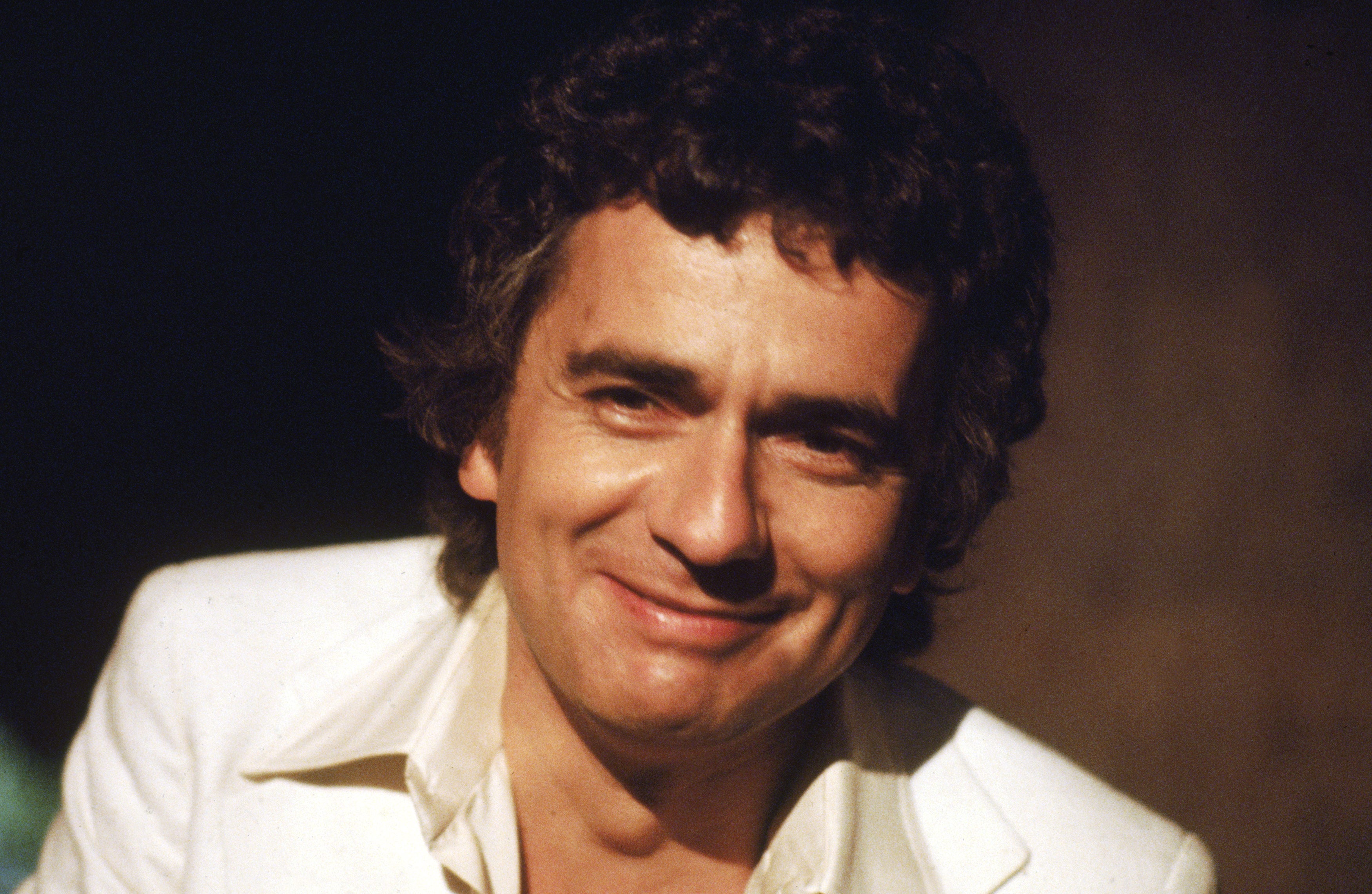
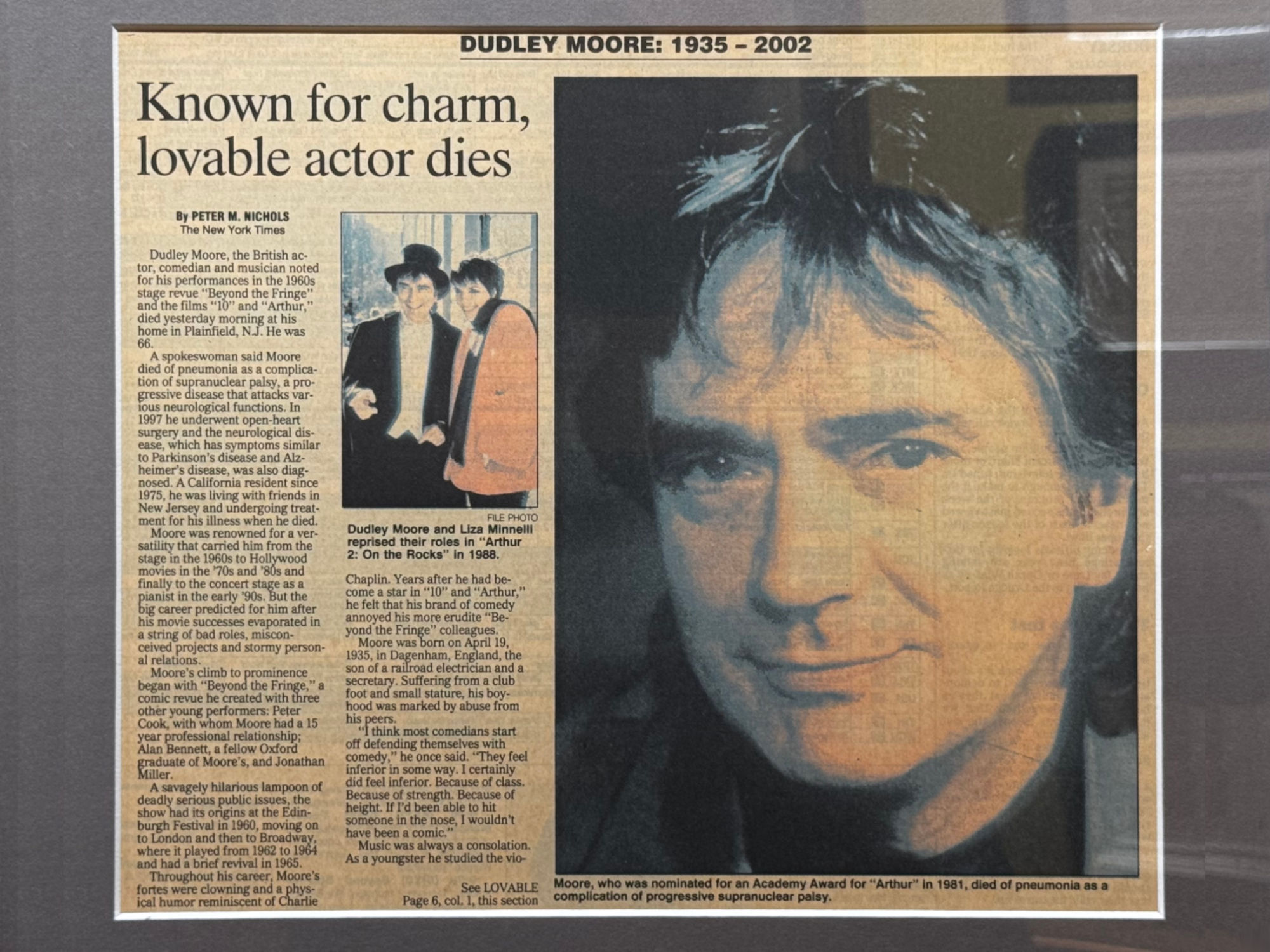
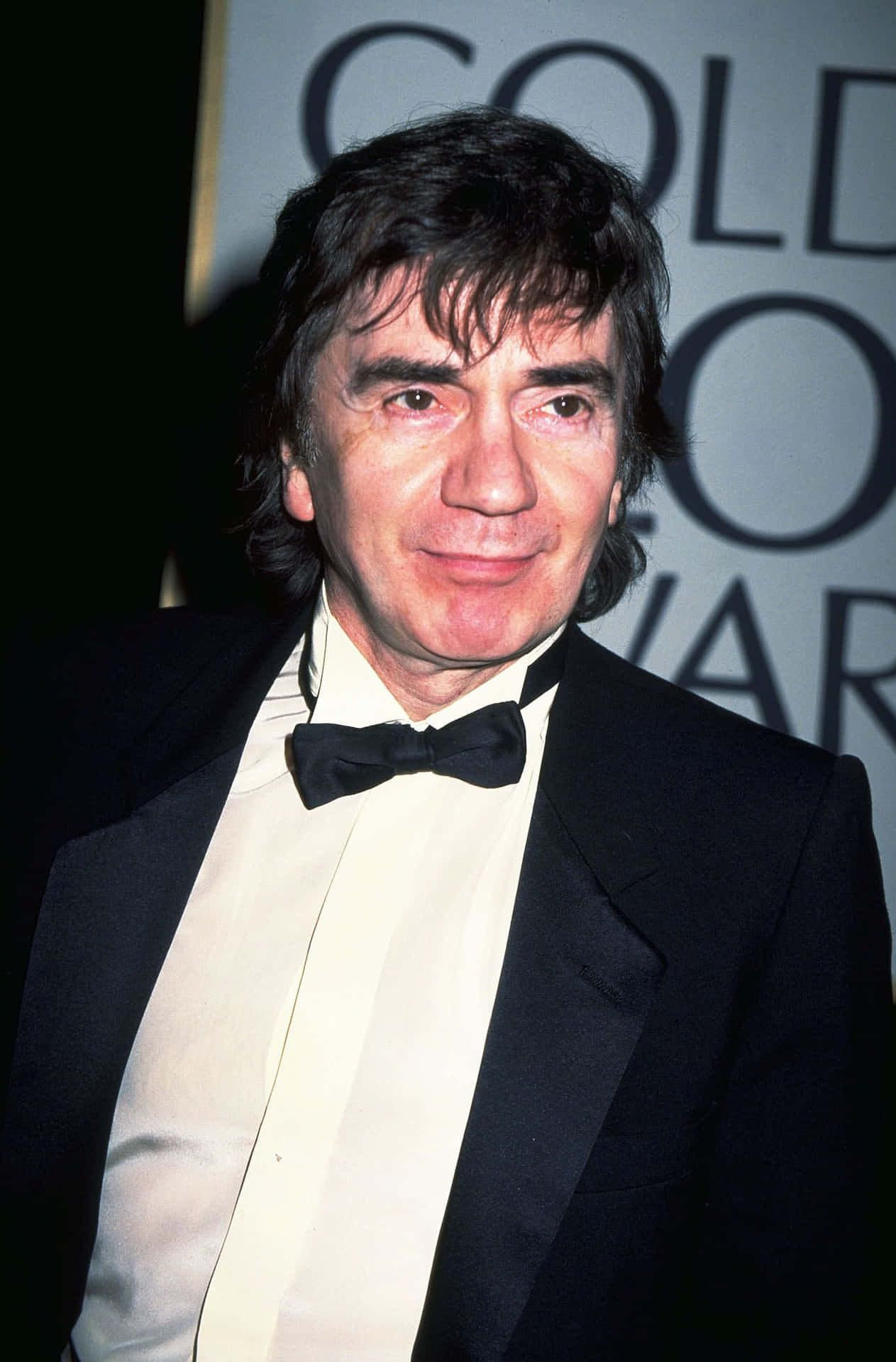
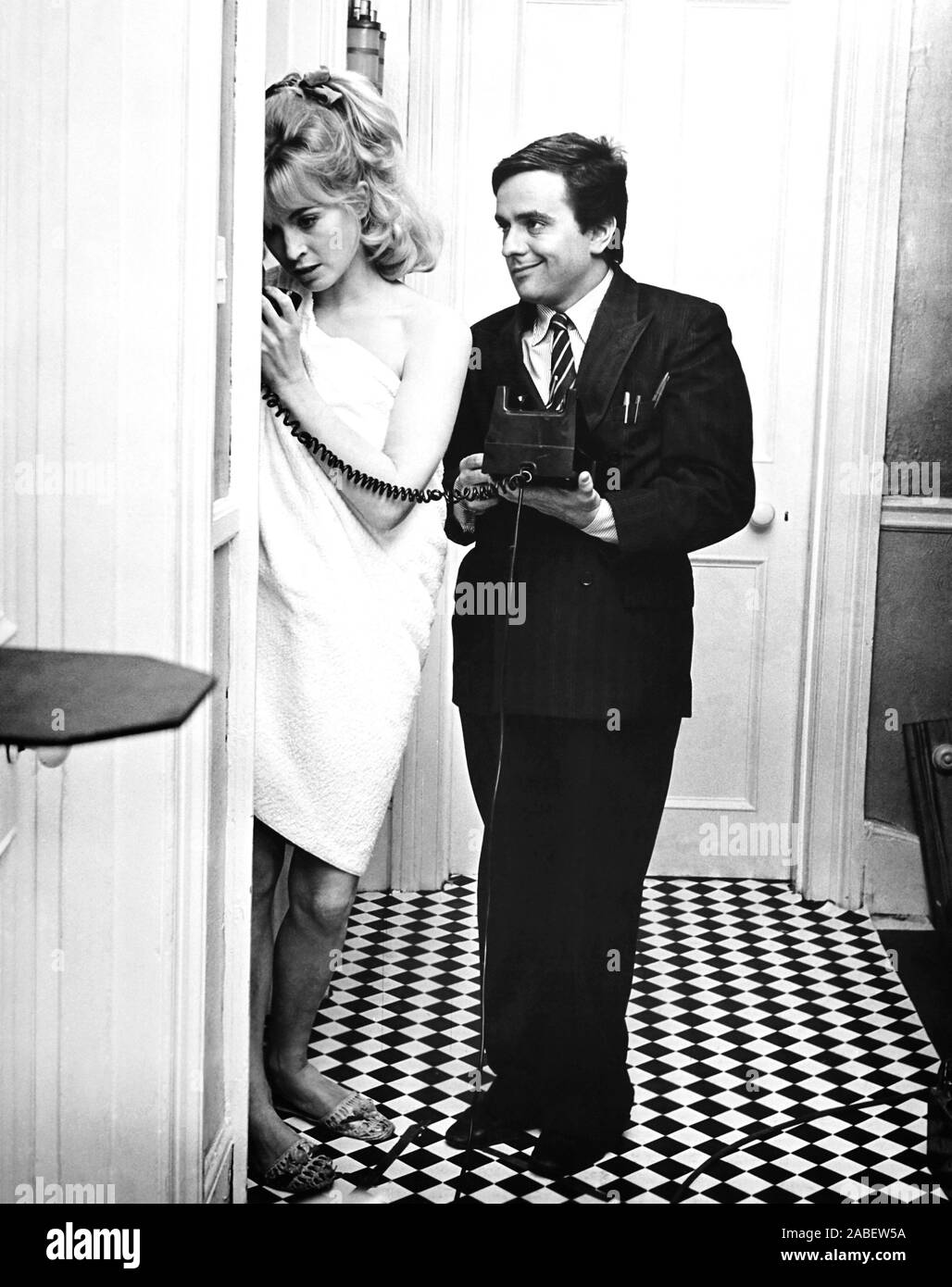
Dudley Moore was 66 years old at the time of his death on March 27, 2002. Born on April 19, 1935, in Dagenham, Essex, Moore enjoyed a prolific career as a comedian, Oscar-nominated actor, and virtuoso jazz and classical pianist before succumbing to pneumonia brought on by Progressive Supranuclear Palsy (PSP).
Dudley Moore remains one of the most beloved figures in 20th-century entertainment, a man whose career spanned the irreverent "satire boom" of 1960s Britain and the glitz of 1980s Hollywood. While many remember him for his diminutive stature and "cuddly" persona, his life was marked by immense technical talent and a late-life battle with a debilitating neurological condition. As we look back from the perspective of 2026, Moore’s contributions to both music and film continue to influence new generations of performers.
Early Life and the Formative Years in Essex
Dudley Stuart John Moore was born into a working-class family in Dagenham. His early years were defined by physical challenges that would later shape his comedic outlook and public persona. Born with a club foot and a withered right leg, Moore spent a significant portion of his childhood in hospitals. These early experiences with deformity and the feeling of being an "outsider" fostered a self-deprecating humor that became a hallmark of his later work.
Despite his physical setbacks, Moore’s intellectual and musical prowess was evident from a young age. He earned a music scholarship to the Guildhall School of Music and later won an organ scholarship to Magdalen College, Oxford. At Oxford, Moore's "age" of maturity was accelerated by his exposure to the elite. While studying music, he began to branch out into jazz and cabaret, performing with the Oxford University Dramatic Society. This period was crucial; it was here that he began to reconcile his identity as a serious musician with his natural gift for making people laugh.
By his early 20s, Moore was already a professional jazz pianist of high standing, performing with the John Dankworth Seven. However, the trajectory of his life changed forever when he joined forces with Alan Bennett, Jonathan Miller, and Peter Cook for the satirical revue Beyond the Fringe.
The Peter Cook Partnership and British Stardom
In his late 20s and early 30s, Dudley Moore became a household name in the United Kingdom, primarily through his legendary partnership with Peter Cook. The duo, often referred to as "Pete and Dud," redefined British comedy. Their most famous collaboration, Not Only... But Also (1965–1970), showcased a unique chemistry: Cook played the tall, arrogant, and articulate "know-it-all," while Moore played the shorter, more submissive, and perpetually confused counterpart.
The age gap between the two was minimal (Cook was two years younger than Moore), but their physical contrast was a comedic goldmine. They pushed the boundaries of television standards at the time, particularly with their "Derek and Clive" recordings—highly improvised, profanity-laden sketches that were originally intended for private amusement but eventually became cult classics. These recordings revealed a darker, more experimental side of Moore’s creativity that contrasted with his "Cuddly Dudley" image in the mainstream press.
During this period, Moore’s age was also synonymous with the "Swinging Sixties" in London. He was a frequent fixture in the jazz clubs of Soho, maintaining his musical career even as his comedic fame skyrocketed. He composed scores for films like Bedazzled (1967) and Inadmissible Evidence (1968), proving that his technical depth extended far beyond performing.
Hollywood Ascendance: From "10" to "Arthur"
In the mid-1970s, Moore made the bold decision to move to Hollywood. At age 40, many actors might have found it difficult to reinvent themselves in a new market, but Moore’s transition was spectacularly successful. His breakthrough in American cinema came with the 1978 film Foul Play, but it was Blake Edwards’ 10 (1979) that transformed him into an unlikely sex symbol at the age of 44.
The role of George Webber in 10—a man going through a midlife crisis who becomes obsessed with a younger woman (played by Bo Derek)—resonated deeply with audiences. It played on Moore’s real-life age and his perceived vulnerability, making him a relatable protagonist for the "Me Generation."
This success was followed by his most iconic role in Arthur (1981). Playing the titular character, a wealthy, lovable alcoholic, Moore earned an Academy Award nomination for Best Actor. At age 46, he was at the absolute zenith of his career. Arthur showcased his ability to blend physical slapstick with a poignant, melancholy undercurrent—a skill that few of his contemporaries possessed.
Physical and Professional Decline: The Onset of PSP
By the late 1980s and early 1990s, Moore’s career began to falter. Films like Arthur 2: On the Rocks (1988) failed to capture the magic of the original, and Moore found himself increasingly cast in roles that did not challenge his range. However, more concerning than his box office numbers was a noticeable change in his physical coordination and speech.
For several years, rumors circulated in the industry that Moore had developed a drinking problem, largely because he was slurring his words and stumbling on set—symptoms that mimicked the behavior of his most famous character, Arthur Bach. It was a cruel irony that the very traits he had used for comedic effect were now signs of a terminal illness.
In 1999, at the age of 64, Moore publicly announced that he had been diagnosed with Progressive Supranuclear Palsy (PSP). This rare degenerative brain disease affects movement, gait, and eye movement, eventually leading to a loss of balance and difficulty swallowing. The diagnosis provided a tragic explanation for his recent professional struggles, including being fired from the film The Mirror Has Two Faces (1996) because he could not remember his lines.
The Medical Reality of Progressive Supranuclear Palsy (PSP)
PSP is often misdiagnosed as Parkinson’s disease because the early symptoms are similar. However, PSP progresses more rapidly and does not respond to standard Parkinson’s medications. For Moore, the disease was particularly devastating because it robbed him of the two things he valued most: his voice and his ability to play the piano.
According to the CurePSP foundation, the condition is caused by the over-accumulation of a protein called tau in the brain, which leads to the death of nerve cells in the areas that control movement and cognition. By 2001, Moore was largely confined to a wheelchair and required 24-hour care. Despite his deteriorating condition, he remained remarkably resilient, even attending the ceremony for his Commander of the Order of the British Empire (CBE) in a wheelchair to receive the honor from Prince Charles.
| Milestone | Year | Dudley Moore's Age | Significant Event |
|---|---|---|---|
| Birth | 1935 | 0 | Born in Dagenham, Essex |
| Beyond the Fringe | 1960 | 25 | Debut of the landmark satirical revue |
| Pete and Dud | 1965 | 30 | Start of Not Only... But Also |
| Hollywood Breakout | 1979 | 44 | Release of 10 |
| Arthur | 1981 | 46 | Academy Award nomination for Best Actor |
| CBE Honor | 2001 | 66 | Received CBE at Buckingham Palace |
| Passing | 2002 | 66 | Died in Plainfield, New Jersey |
Legacy and Musical Contributions
While Moore is most frequently cited for his comedy, his legacy in the world of music is equally profound. He was a master of parody, often performing "in the style of" great composers like Benjamin Britten or Ludwig van Beethoven, but his original compositions and jazz performances were technically sophisticated.
Moore’s age at the peak of his musical output (the 1960s and 70s) coincided with a golden era for British jazz. He led the Dudley Moore Trio, which recorded several highly regarded albums. Even after his movie career took off, he frequently performed with major orchestras, including the Los Angeles Philharmonic. His ability to move seamlessly between the worlds of high art and populist comedy was a testament to his unique intellect.
In the years following his death, various retrospectives have highlighted how much Moore influenced the "alt-comedy" movement. His willingness to appear vulnerable and his masterful use of pause and timing are techniques that can be seen in the work of modern comedians.
Frequently Asked Questions
What was the official cause of Dudley Moore's death?
Dudley Moore died from pneumonia, which was a complication of his Progressive Supranuclear Palsy (PSP). PSP affects the ability to swallow, which often leads to "aspiration pneumonia," where food or liquid enters the lungs.
How old was Dudley Moore when he was diagnosed with PSP?
Moore was officially diagnosed in 1999 at the age of 64, although he had been experiencing symptoms for several years prior to the formal clinical identification of the disease.
What was Dudley Moore's height?
Dudley Moore was 5 feet 2 inches (157 cm) tall. His height was often a focal point of his comedy and contributed to his "cuddly" public image, particularly in films like 10 where he was paired with taller co-stars.
Did Dudley Moore have children?
Yes, Dudley Moore had two sons. His first son, Patrick, was born in 1976 during his marriage to Tuesday Weld. His second son, Nicholas, was born in 1995 during his marriage to Nicole Rothschild.
Where is Dudley Moore buried?
Dudley Moore is buried at Hillside Cemetery in Scotch Plains, New Jersey. He spent his final years living in nearby Plainfield, New Jersey, under the care of his close friend and medical advocate, Rena Fruchter.
Recommendations for Exploring Moore's Work
To truly understand why Dudley Moore was such a significant figure in entertainment, one should look beyond just his most famous film roles.
- Listen to "The Dudley Moore Trio": For those interested in his musical genius, albums like Songs Without Words showcase his improvisational jazz skills.
- Watch "Beyond the Fringe": Available in various archival formats, this captures Moore at age 25, part of the quartet that changed British satire forever.
- The "Derek and Clive" Recordings: These are for mature audiences only but provide a raw look at his improvisational chemistry with Peter Cook.
- Support PSP Research: Since Moore’s death, awareness of Progressive Supranuclear Palsy has grown significantly. Organizations like the National Institute of Neurological Disorders and Stroke (NINDS) provide resources for those looking to understand or support research into the condition that took Moore’s life.
Dudley Moore’s age at his passing—66—was far too young for a man with so much remaining creative potential. However, the breadth of the work he left behind, from the piano bench to the silver screen, ensures that his legacy remains as vibrant in 2026 as it was during his lifetime.