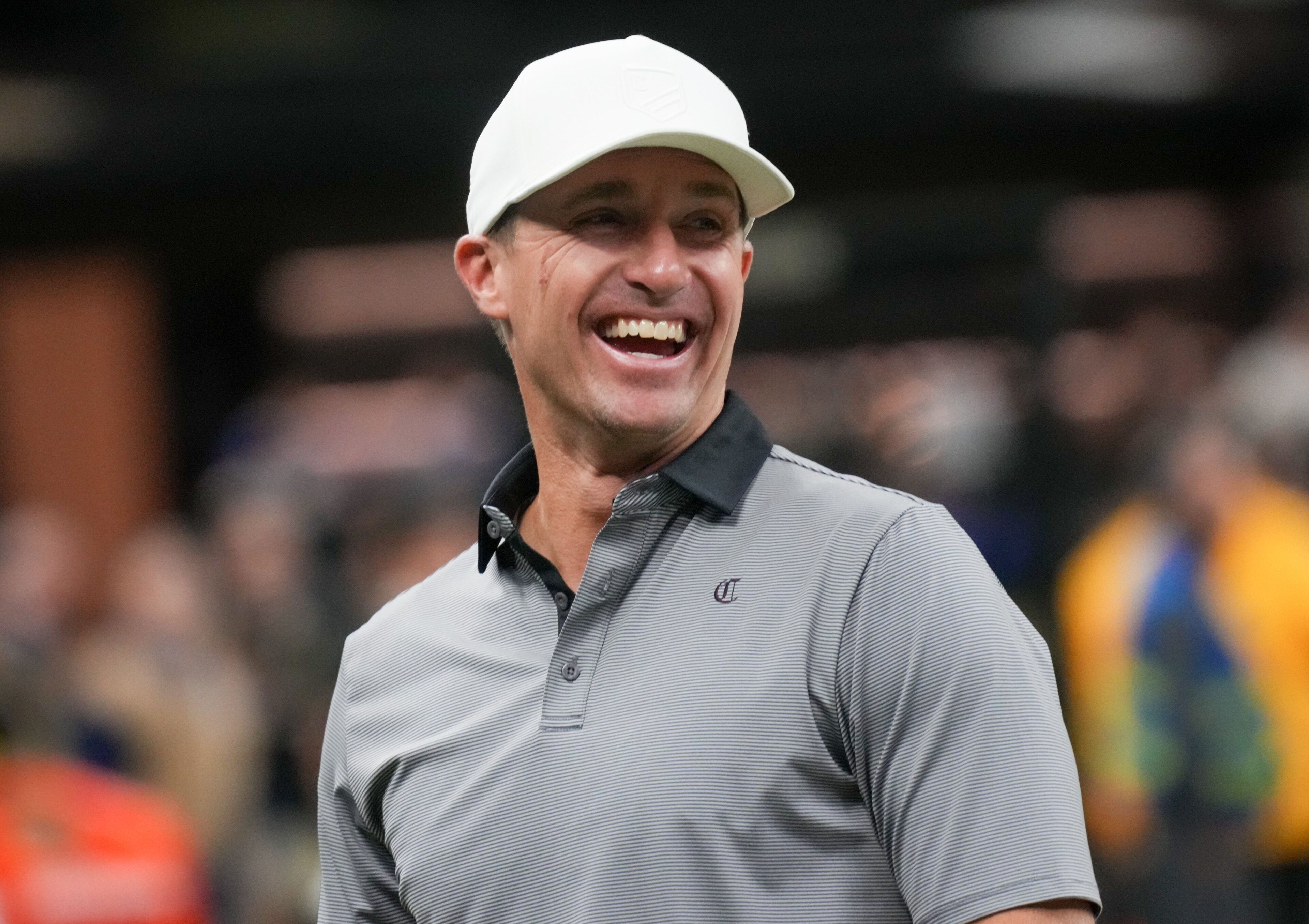
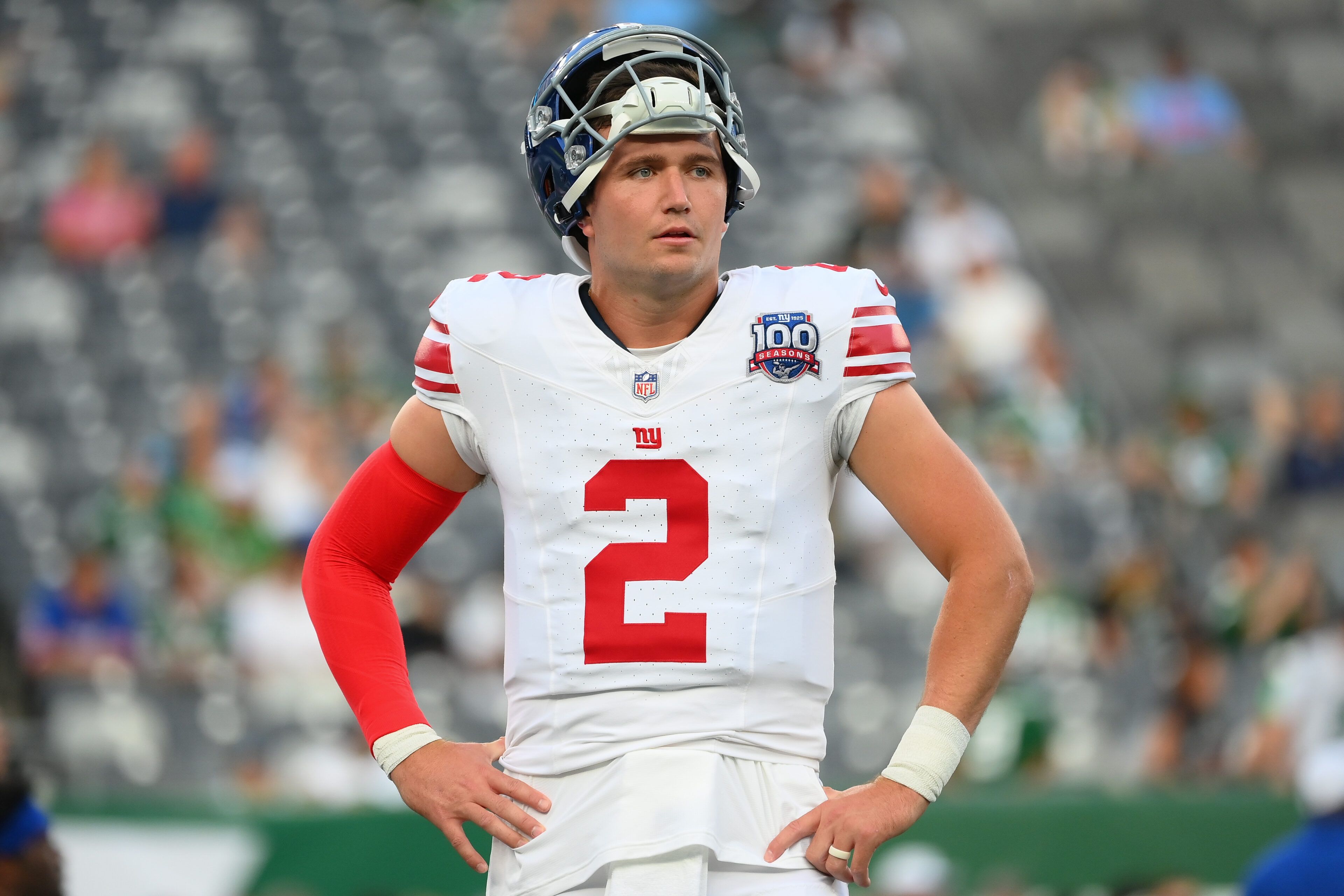
Drew Henson’s baseball career is defined by a historic $17 million contract with the New York Yankees, of which he earned approximately $5 million before returning the remainder to pursue the NFL. In 2026, Henson maintains a significant net worth estimated at $8 million and serves as a high-level executive within the Yankees' professional scouting and player personnel department.
The Financial Landscape of a Dual-Sport Prospect
The story of Drew Henson is one of the most fascinating case studies in the intersection of amateur market value and professional sports risk. In the late 1990s and early 2000s, Henson was widely considered one of the greatest natural athletes in the United States. A standout third baseman and a star quarterback at the University of Michigan, his leverage was unprecedented.
When the New York Yankees drafted Henson in the third round of the 1998 MLB Draft, they knew they were not just drafting a player; they were competing against the lure of the NFL. This competition fundamentally altered the financial structure of his early career. Most third-round picks receive modest signing bonuses, but Henson’s potential to become an NFL starter forced the Yankees to treat him as a top-tier asset.
By the time 2001 arrived, Henson was splitting his time between the Michigan football field and the Yankees' minor league affiliates. To secure his full-time commitment and prevent him from entering the NFL Draft, George Steinbrenner authorized a contract that shattered traditional developmental pay scales.
Breaking Down Drew Henson’s Baseball Career Earnings
To understand Henson's baseball earnings, one must distinguish between the "face value" of his contracts and the actual cash realized. In 2001, Henson signed a six-year, $17 million deal with the Yankees. At the time, this was a staggering sum for a player who had yet to prove himself at the Major League level.
The contract was structured to pay him over the course of six seasons, but it came with a unique "buyback" or "opt-out" clause. Because Henson still held aspirations for the NFL, the deal was essentially a high-stakes bet.
The Realized Income and the 2003 Buyout
Henson spent the majority of his baseball career in the minor leagues, specifically with the Triple-A Columbus Clippers. While he showed flashes of power, he struggled with high strikeout rates and the daily grind of professional baseball. By 2003, his frustration with his development and his lingering desire to play football reached a breaking point.
In a move that remains rare in professional sports, Henson reached an agreement with the Yankees to terminate his contract. Under the terms of the settlement:
- Henson forfeited approximately $12 million of the remaining $17 million contract.
- The Yankees released him from his exclusive baseball obligations, allowing him to enter the NFL.
- Henson kept the roughly $5 million he had already accrued through signing bonuses and salary installments between 1998 and 2003.
When adjusted for the era and including his subsequent NFL earnings (which included an 8-year deal with the Dallas Cowboys worth up to $18 million, though he only saw a portion of that), Henson's total career athletic earnings from both sports exceed $10 million in raw salary and bonuses.
Drew Henson Net Worth Assessment in 2026
As of 2026, Drew Henson's net worth is estimated to be approximately $8 million. This figure is the result of several converging factors, including his initial athletic contracts, savvy real estate investments, and a decade-long career as a high-earning MLB executive.
Unlike many athletes who struggle with post-career transitions, Henson successfully pivoted into the "front office" side of the industry. His net worth is supported by:
- Athletic Career Savings: Despite giving back a large portion of his Yankees contract, the millions he retained from both MLB and the NFL provided a significant capital base.
- Front Office Salary: Since 2014, Henson has held various roles within the New York Yankees organization. Senior scouting and personnel roles in a major market like New York typically command salaries in the mid-to-high six-figure range.
- Market Growth: Conservative management of his early earnings during the market upswings of the 2010s and early 2020s has likely allowed his initial wealth to keep pace with inflation and cost-of-living increases.
Henson’s financial profile serves as a blueprint for "the second act," where an athlete utilizes their specialized knowledge to maintain a high-income professional life long after their playing days have concluded.
Current Role: Director-Level Leadership in the Yankees Front Office
In 2026, Drew Henson holds a pivotal role within the New York Yankees’ baseball operations. Specifically, he serves as a Director of Professional Scouting. This role is a culmination of a decade spent climbing the ranks of the organization that first signed him as a teenager.
Responsibilities and Influence
In his current capacity, Henson is responsible for overseeing the evaluation of players currently active in other Major League and Minor League organizations. Unlike amateur scouts who focus on high school and college talent, Henson’s department focuses on:
- Trade Valuations: Identifying players in other systems who might be undervalued and could benefit from the Yankees' coaching and analytics.
- Free Agent Assessment: Providing the technical "eye-test" data that complements the team’s advanced analytical models when pursuing veteran players.
- Roster Construction: Consulting with the General Manager on "40-man roster" decisions and identifying depth pieces for the bullpen or bench.
Henson is uniquely suited for this role because of his background as a highly-touted prospect. He understands the psychological pressure of the New York market and the technical hurdles of transitioning between levels of professional play. His longevity in the Yankees' front office—spanning over 12 years by 2026—highlights his value as a talent evaluator rather than just a former player.
Comparative Career Milestones and Financials
To put Drew Henson’s unique career path into perspective, the following table outlines his financial and professional progression from his initial draft to his 2026 executive status.
| Period | Organization | Role / Status | Financial Milestone |
|---|---|---|---|
| 1998–2000 | NY Yankees | Prospect (Part-time) | Signed for $2M+ initial bonus |
| 2001–2003 | NY Yankees | Full-time MLB Prospect | Signed $17M/6yr deal (Forfeited $12M later) |
| 2004–2008 | Cowboys/Vikings | NFL Quarterback | Realized approx. $3.5M–$5M in NFL earnings |
| 2014–2019 | NY Yankees | Professional Scout | Entry into baseball operations |
| 2020–2025 | NY Yankees | Senior Scout / Director | Ascended to executive management |
| 2026 | NY Yankees | Director, Pro Scouting | Estimated Net Worth: $8M |
The Mechanics of the "Two-Sport" Financial Risk
The primary reason Henson’s baseball career earnings are often debated is the complexity of his 2001 contract. Most MLB contracts are fully guaranteed. However, the Yankees inserted specific language regarding "active service" and "dedication to the sport."
When Henson decided to leave for the NFL in early 2004, it wasn't a standard retirement. It was a negotiated exit. The Yankees essentially "bought back" his future years for the price of letting him out of the contract to pursue football. This saved the Yankees over $12 million in future obligations during a period when they were heavily taxed under the luxury tax system.
For Henson, this was a calculated risk. While he walked away from $12 million in guaranteed baseball money, he bet on himself to earn even more as an NFL quarterback. While his NFL career did not reach the heights of a Pro-Bowler, the combination of his partial MLB earnings and his NFL salary ensured a level of financial security that remains intact in 2026.
Frequently Asked Questions
How much did Drew Henson actually make from the Yankees?
Drew Henson earned approximately $5 million in actual cash from the New York Yankees. Although his 2001 contract was widely reported as a $17 million deal, he forfeited roughly $12 million of that amount when he chose to leave baseball to pursue a career in the NFL in 2004.
What is Drew Henson’s current job in 2026?
Henson is currently a Director of Professional Scouting for the New York Yankees. In this role, he leads a team of scouts who evaluate talent across the league to assist in trades, free-agent acquisitions, and overall roster management.
Did Drew Henson ever play in the Major Leagues?
Yes, Drew Henson had a very brief stint in the Major Leagues. He appeared in 8 games for the Yankees between 2002 and 2003. He recorded one hit in nine at-bats, giving him a career MLB batting average of .111 before he transitioned to football.
Why did the Yankees give such a large contract to a minor leaguer?
In 2001, Drew Henson was the top-rated quarterback prospect in the country while playing at Michigan. The Yankees feared losing him to the NFL Draft. The $17 million contract was an "extraordinary measure" designed to provide him with immediate generational wealth so he would forego his senior year of college football and commit exclusively to baseball.
Is Drew Henson still involved in football?
In 2026, Henson’s professional focus is entirely on baseball operations. While he remains an iconic figure in Michigan Wolverines history and follows the sport, he has not held a professional coaching or scouting role in football, preferring the stability and scouting culture of the MLB.
Managing the Legacy of a Prospect
For those following the trajectory of high-level athletic prospects, Drew Henson’s journey offers a vital lesson in career pivot strategy. His ability to leverage his early-career earnings into a long-term executive role demonstrates that "failing" to reach superstar status on the field does not equate to a failed career.
If you are researching Henson for insights into sports management or the economics of dual-sport athletes, the most important takeaway is the value of organizational loyalty. By returning to the Yankees in a scouting capacity in 2014, Henson transformed his identity from a "what-if" prospect into a respected evaluator of talent. For modern athletes, this highlights the importance of maintaining professional relationships even when leaving a team under unconventional circumstances.
Henson's current role in 2026 proves that the expertise gained during a $17 million development process is just as valuable in the front office as it is on the diamond.