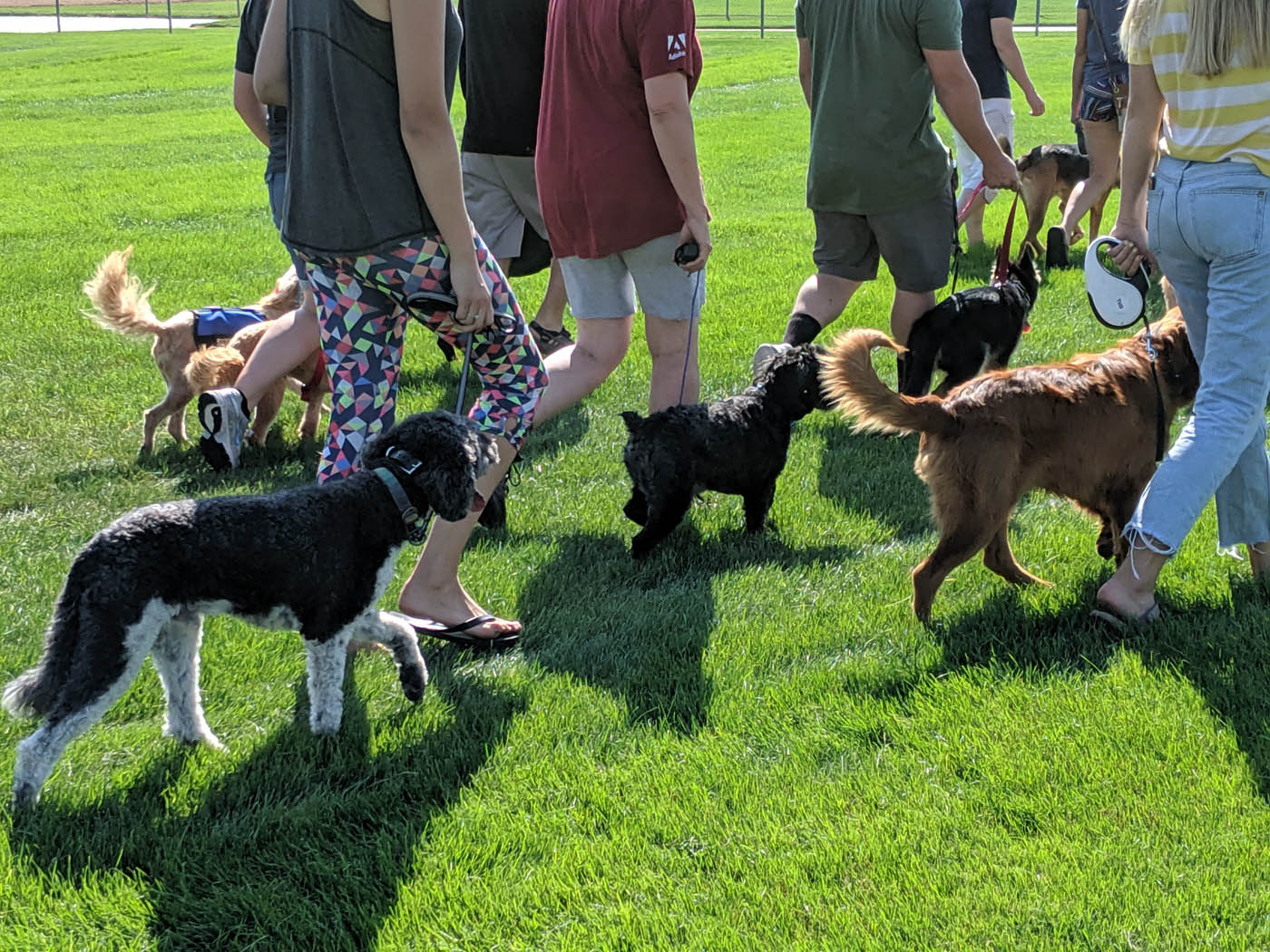
Dog training is the systematic process of using communication and reinforcement to teach a canine specific behaviors or modify existing habits. In 2026, the gold standard remains science-based positive reinforcement, which utilizes rewards—such as high-value treats, play, or praise—to encourage desired actions, fostering a cooperative relationship built on trust and clear expectations rather than fear or physical correction.
The Evolution of Modern Dog Training Philosophy
The landscape of dog training has undergone a significant transformation over the last several decades, moving away from "dominance-based" theories toward evidence-based behavioral science. In 2026, professional organizations like the Association of Professional Dog Trainers emphasize the LIMA principle: Least Intrusive, Minimally Aversive. This approach prioritizes the animal’s welfare while ensuring effective learning.
Understanding the "Four Quadrants of Operant Conditioning" is essential for any modern trainer. While four quadrants exist, modern dog training focuses almost exclusively on Positive Reinforcement (+R). This involves adding a desirable stimulus (a treat) immediately following a behavior to increase the likelihood of that behavior occurring again. Conversely, "Positive Punishment" (+P), which involves adding an aversive stimulus to stop a behavior, is largely discouraged due to its potential to cause anxiety, aggression, and a breakdown in the human-canine bond.
The shift toward positive reinforcement is supported by neurological research showing that dogs learn more efficiently and retain information longer when they are in a low-stress state. When a dog is motivated by the prospect of a reward, their brain releases dopamine, which facilitates the creation of new neural pathways associated with the command being learned.
Essential Prerequisites for Successful Training
Before attempting to teach a dog complex cues, an owner must establish the right environment and gather the necessary tools. Training is not just about the animal; it is about the "handler's" ability to communicate clearly and consistently.
Creating the Right Environment
Learning cannot happen in a state of high arousal or distraction. Beginners should start in a "low-distraction environment," such as a quiet living room. Only after a dog has achieved an 80-90% success rate in a controlled setting should the trainer introduce "The 3 Ds":
- Distance: Increasing the space between the handler and the dog.
- Duration: Increasing the time the dog must maintain a behavior (e.g., a long Stay).
- Distraction: Introducing outside stimuli like moving cars, other dogs, or toys.
Required Training Tools
In 2026, specialized gear has become more ergonomic and focused on canine comfort. A standard training kit should include:
- High-Value Treats: Small, pea-sized morsels that the dog finds irresistible (e.g., freeze-dried liver, boiled chicken).
- A Clicker or Marker Word: A distinct sound that signals to the dog the exact moment they did something right.
- A 6-foot Fixed Lead: Avoid retractable leashes for training, as they provide inconsistent tension and less control.
- A Front-Clip Harness: These are preferred over choke or prong collars to manage pulling without causing tracheal damage or pain.
Core Curriculum: Building the Foundation Cues
Every dog, regardless of breed or age, should master a foundational set of cues that ensure safety and manageability in public spaces. These cues form the building blocks for more advanced behavioral work.
The "Sit" and "Down" Commands
These are the easiest behaviors to "lure." By holding a treat to the dog’s nose and moving it slowly back over their head (for a Sit) or down to the floor between their paws (for a Down), the dog naturally follows the scent into the desired position. The moment their hindquarters or chest touch the ground, the trainer "marks" the behavior with a click or the word "Yes!" and delivers the reward.
Reliable Recall (The "Come" Command)
Recall is arguably the most important safety command. It requires a high "rate of reinforcement," meaning the dog should almost always receive a significant reward for returning to the owner. A common mistake is calling a dog to "Come" only to end their fun (e.g., leaving the park) or to perform a negative task (e.g., giving a bath). To maintain a strong recall, handlers must ensure that "Coming" is always the most rewarding choice the dog can make.
Loose Lead Walking
Walking on a lead without pulling is a complex skill that requires the dog to ignore environmental stimuli and match the human’s pace. The most effective method is "Penalty Proximity"—stopping the walk the moment the lead becomes taut. The walk only resumes when the dog returns to the handler’s side and the lead is slack. This teaches the dog that a tight lead results in a lack of forward motion, while a loose lead allows them to reach their destination.
Comparison of Common Dog Training Methodologies
Navigating the various "schools" of training can be confusing for new owners. The following table outlines the most prevalent methods used in 2026.
| Method | Core Philosophy | Primary Tools | Scientific Basis | Long-Term Impact |
|---|---|---|---|---|
| Positive Reinforcement (+R) | Rewards desired behavior; ignores or redirects undesired behavior. | Treats, clickers, toys, praise. | Operant Conditioning; Behavioral Science. | High trust, high reliability, low stress. |
| Relationship-Based | Focuses on the bond and understanding the dog's emotional state. | Social markers, play, body language. | Ethology and Social Learning. | Deep emotional connection; slower initial results. |
| Balanced Training | Uses both rewards for "good" and corrections for "bad." | E-collars, prong collars, treats. | Mixed Operant Conditioning. | Rapid compliance; risk of fear-based aggression. |
| Clicker Training | A subset of +R using a bridge signal for precision. | Handheld clicker, high-value rewards. | Classical and Operant Conditioning. | Extremely high precision; excellent for complex tasks. |
Troubleshooting Common Behavioral Challenges
Even with consistent training, dogs often exhibit "problem" behaviors that stem from boredom, anxiety, or natural instincts. Addressing these requires a shift from "stopping the behavior" to "teaching an alternative behavior."
Excessive Barking
Barking is a form of communication. To reduce it, one must identify the trigger. If a dog barks at people passing the window, the solution is often management (closing the blinds) combined with "Counter-Conditioning." This involves giving the dog a treat every time a person passes before they have a chance to bark, eventually changing their emotional response to the trigger from "intruder" to "treat provider."
Jump-on-Greeting
Dogs jump because they want to reach our faces and because we often inadvertently reinforce the behavior by pushing them away (which the dog perceives as play). The most effective fix is "Negative Punishment"—withdrawing all attention (turning your back and walking away) the moment the paws leave the floor. Attention is only given when all four paws are on the ground.
Resource Guarding
Resource guarding—where a dog growls or snaps to protect food or toys—is a fear-based behavior. Owners should never "punish the growl," as the growl is a warning. If you remove the warning, the dog may go straight to a bite. Instead, work with a professional to "trade up," teaching the dog that when a human approaches their bowl, the human adds something even better, like a piece of steak.
Professional Guidance: When to Hire a Trainer
While many owners can handle basic obedience, certain situations necessitate professional intervention. In 2026, the dog training industry is more regulated, but it is still vital to check for certifications. Look for trainers certified by the Certification Council for Professional Dog Trainers (CCPDT) or the International Association of Animal Behavior Consultants (IAABC).
Professional help is required if your dog displays:
- Human-directed aggression: Snapping, lunging, or biting at people.
- Severe Separation Anxiety: Destructive behavior or self-harm when left alone.
- Phobias: Extreme fear of noises, specific environments, or objects.
- Inter-dog aggression: Repeatedly fighting with other dogs in the household or in public.
A certified behaviorist focuses on the underlying emotion driving the behavior, whereas a trainer typically focuses on the mechanics of cues. For complex emotional issues like anxiety or aggression, a behaviorist is the appropriate choice.
FAQ
How long does it take to train a dog?
Basic obedience can often be taught in 4 to 8 weeks of daily 15-minute sessions, but training is a lifelong process. Dogs, like humans, can experience "behavioral drift" if their skills aren't practiced. Furthermore, different breeds have different learning curves; a Border Collie may pick up a cue in five repetitions, while a more independent breed like a Basenji may require fifty.
Can old dogs really learn new tricks?
Yes. While puppies have a "critical socialization window" (up to 16 weeks), older dogs are perfectly capable of learning. In fact, training provides vital mental stimulation for senior dogs, which can help delay the onset of Canine Cognitive Dysfunction (dementia). The primary difference is that older dogs may have "muscle memory" for old habits that takes longer to override.
What should I do if my dog is not food-motivated?
Food is a powerful motivator, but it isn't the only one. If your dog ignores treats, try "Life Rewards" or "Premack’s Principle." This involves using a high-probability behavior (like sniffing a bush or chasing a ball) to reinforce a low-probability behavior (like Sitting). If they Sit, they get the "reward" of being allowed to go sniff.
Is it okay to use a "No" command?
Using "No" is common but often ineffective because it doesn't tell the dog what they should be doing. It is better to use an "Interrupter"—a neutral sound like a kiss-noise—to get their attention, and then immediately ask for a known command like "Sit" or "Touch." This redirects their energy into a productive, rewardable action.
How do I stop my puppy from biting my hands?
Puppy "mouthing" is natural exploratory behavior. To stop it, use the "ouch" technique: make a high-pitched yelp when teeth touch skin and immediately withdraw attention for 30 seconds. This mimics how littermates teach each other "bite inhibition." Ensure the puppy has plenty of appropriate chew toys to satisfy their teething urges.
Integrating Training into Daily Life
The most successful training happens not in formal sessions, but in the small moments of daily interaction. Consistency is the most important factor in canine education. If a dog is allowed on the sofa on Tuesdays but scolded for it on Wednesdays, they become stressed due to the unpredictability of their environment.
To ensure long-term success, adopt a "Nothing in Life is Free" (NILIF) policy. This gently requires the dog to "work" for everything they value. Before they get their dinner, they must Sit. Before the door is opened for a walk, they must Wait. This non-confrontational approach establishes the handler as the provider of all good things and ensures the dog is constantly practicing their manners.