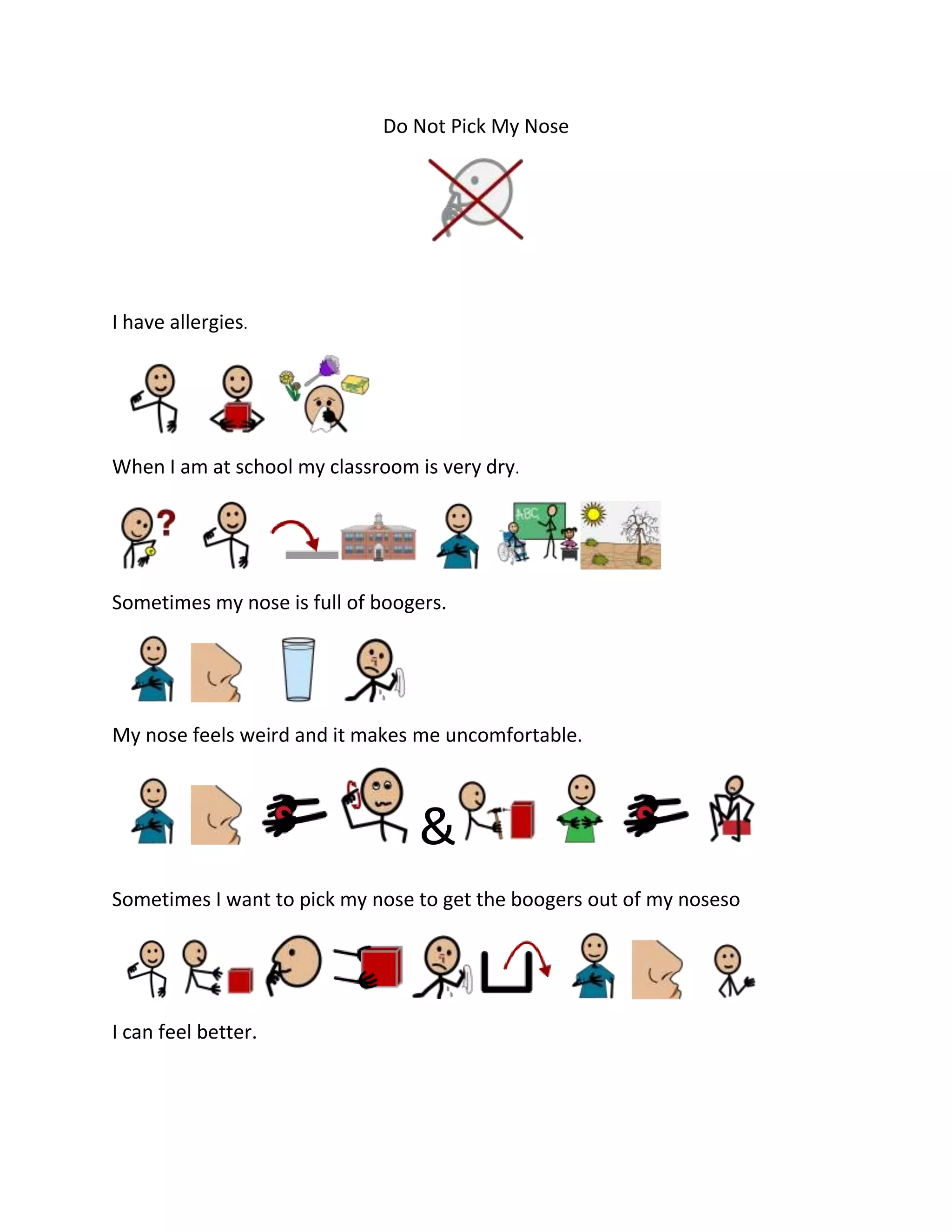
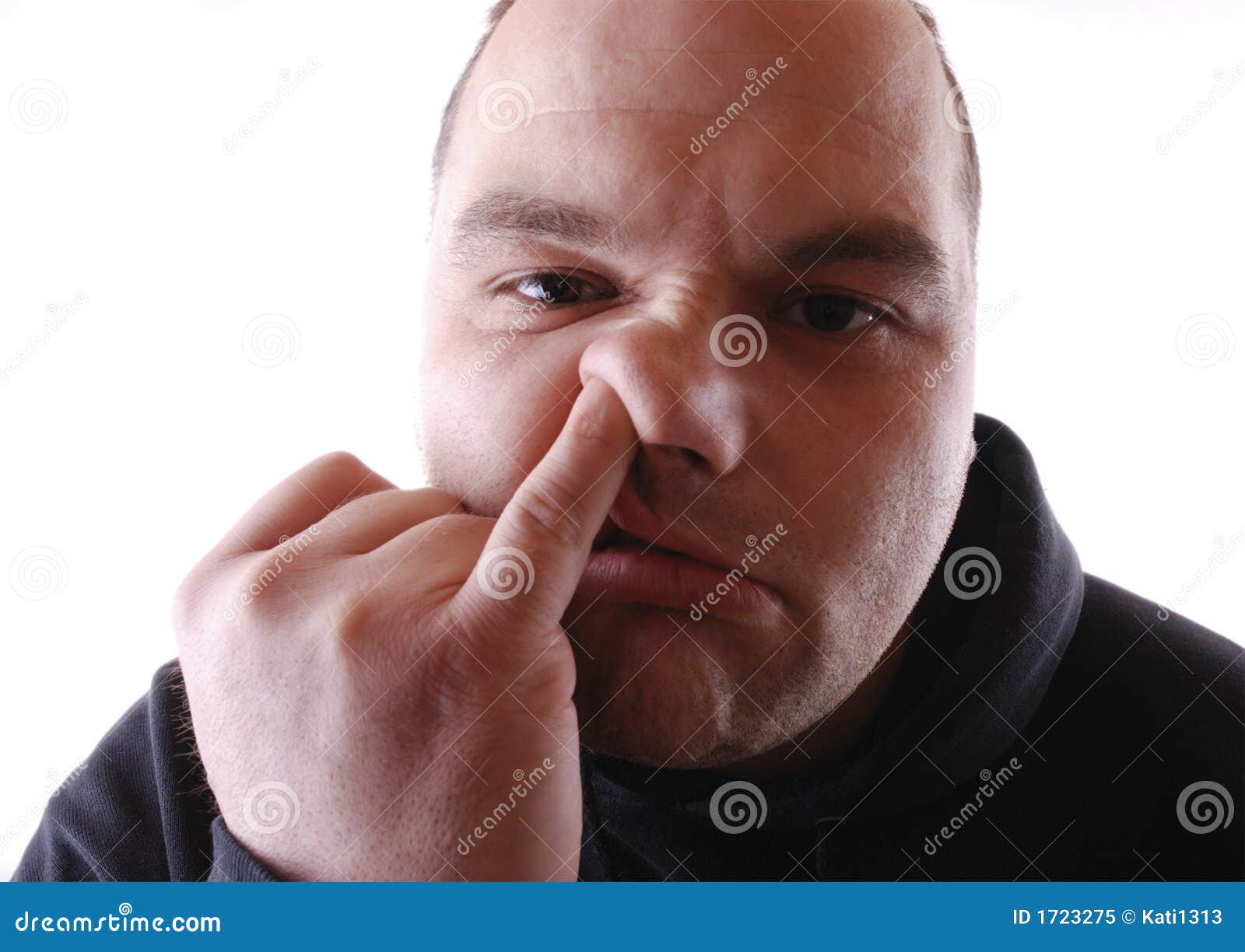
While a physician may not witness the act itself, they can often identify the telltale signs of frequent or aggressive nose-picking during a physical examination. Doctors, particularly otolaryngologists (ENTs), observe specific trauma markers such as mucosal abrasions, localized inflammation, recurrent crusting, or even a perforated septum, all of which strongly suggest the habit.
The human nose is a delicate sensory organ lined with highly vascularized tissue. When an individual engages in rhinotillexomania—the medical term for habitual nose-picking—they subject this sensitive environment to mechanical stress and bacterial introduction. In 2026, medical diagnostics remain rooted in the physical evidence left behind by such habits. For most, the question isn't just about "getting caught," but about understanding how this common behavior impacts respiratory health and what clinical indicators allow a healthcare professional to piece the story together.
Clinical Indicators: What Your Nose Reveals to a Doctor
When you sit in an exam chair and a doctor uses a nasal speculum or an endoscope, they are looking for more than just "congestion." They are evaluating the integrity of the nasal mucosa and the structural health of the septum. Frequent nose-picking leaves behind a specific trail of evidence that is distinct from common allergies or viral infections.
Mucosal Abrasions and Ulcerations
The most immediate sign a doctor notices is trauma to the nasal mucosa. The lining of the nose is thin and sits directly over a dense network of capillaries. Finger nails, even if trimmed, are sharp enough to cause micro-tears. Repeatedly picking at the same spot prevents these tears from healing, leading to chronic ulcerations. A doctor will see these as raw, red, or even yellowish patches that do not match the generalized redness seen in a cold or hay fever.
Recurrent Crusting and Scabbing
Nose-picking is often a self-perpetuating cycle. When the skin inside the nose is damaged, the body forms a scab (crust). This crust feels like a foreign object or an obstruction, prompting the individual to pick it out, which re-opens the wound. An ENT specialist looking into the nasal passage will see "heaped up" crusting, often localized to the anterior (front) part of the septum. This specific pattern of localized, chronic scabbing is a hallmark of digital trauma (trauma caused by fingers).
Vestibulitis
The nasal vestibule is the opening of the nostrils. Frequent picking can lead to nasal vestibulitis, an infection typically caused by Staphylococcus aureus. Doctors look for swelling, redness, and small pimples around the base of the nasal hairs. While vestibulitis can occur for other reasons, its presence alongside localized abrasions is a strong indicator of frequent manual contact with the area.
The Anatomy of Damage: Why the Signs Are Obvious
To understand why doctors can be so certain, one must look at the anatomy of the nasal cavity. The most commonly affected area is known as Kiesselbach's plexus, located on the anterior portion of the nasal septum.
Kiesselbach’s Plexus: The "Bleed Zone"
This area is the convergence of five different arteries. It is the most vascularized part of the nose and is situated right where a finger naturally reaches. Because the blood supply is so superficial here, even minor picking can cause significant epistaxis (nosebleeds). A doctor who sees scarring or "friable" tissue (tissue that bleeds easily upon contact) in Kiesselbach’s plexus will immediately suspect mechanical irritation.
The Nasal Septum
The septum is the wall of cartilage and bone that divides the nostrils. Habitual picking can lead to a "thinning" of the septal mucosa. In extreme cases, this can progress to a septal perforation—a literal hole in the cartilage. While certain drugs or surgeries can also cause perforations, the size, location, and accompanying tissue markers often allow a doctor to differentiate between chemical damage and mechanical trauma.
Distinguishing Between Habits and Health Conditions
A common concern is whether a doctor might mistake a legitimate medical issue for nose-picking. Physicians are trained to perform a differential diagnosis to rule out other causes of nasal damage.
| Feature | Habitual Nose-Picking | Allergic Rhinitis | Chronic Sinusitis |
|---|---|---|---|
| Primary Location | Anterior Septum (Front) | General Nasal Cavity | Sinus Passages/Meatus |
| Tissue Appearance | Localized scabs, raw spots | Pale, bluish, or boggy | Inflamed, pus-filled mucus |
| Bleeding Pattern | Frequent, localized streaks | Rare, usually from dryness | Minimal |
| Septal Integrity | Risk of thinning/perforation | Usually intact | Usually intact |
| Infection Risk | High (Staphylococcal) | Low | High (Viral/Bacterial) |
As shown in the table, the localization of the damage is the key factor. Allergies usually affect the entire nasal lining, causing it to look swollen and pale. In contrast, nose-picking damage is almost always asymmetrical and focused on the areas most accessible to a finger.
The Health Risks of Rhinotillexomania
Beyond the embarrassment of a doctor noticing the habit, there are genuine clinical risks associated with frequent nose-picking that a healthcare provider will want to address.
Bacterial Colonization and MRSA
The human hand is a primary vector for bacteria. By picking your nose, you are not only introducing bacteria into a warm, moist environment, but you are also creating the open wounds necessary for those bacteria to enter the bloodstream. Studies have shown a high correlation between frequent nose-pickers and the carriage of Staphylococcus aureus, including antibiotic-resistant strains like MRSA. A doctor may order a nasal swab if they see signs of chronic infection.
Septal Perforation and "Whistling"
If the picking is severe enough to create a hole in the septum, it can lead to a permanent change in airflow. Patients with a septal perforation often experience a "whistling" sound when they breathe through their nose, along with chronic dryness and crusting. Correcting a perforation often requires complex reconstructive surgery, which is why early intervention is critical.
Retrograde Infection
The nose is part of the "danger triangle" of the face. The veins that drain the nose have a direct connection to the cavernous sinus in the brain. While extremely rare in 2026 due to modern antibiotics, a severe infection caused by nose-picking can theoretically lead to cavernous sinus thrombosis, a life-threatening blood clot.
Rhinotillexomania as a Behavioral Health Concern
In some cases, a doctor might recognize that nose-picking has crossed from a simple habit into a body-focused repetitive behavior (BFRB). If a doctor sees extensive damage but the patient seems unable to stop, they may approach the topic from a psychological perspective.
Rhinotillexomania is often linked to stress, anxiety, or Obsessive-Compulsive Disorder (OCD). In these instances, the "tell" isn't just the physical scab, but the patient's history of recurrent nasal issues that fail to improve with standard topical treatments. A physician might refer the patient to a specialist who can help manage the behavioral triggers rather than just treating the physical wounds.
Managing the Habit and Healing the Tissue
If a doctor does identify signs of nose-picking, their goal is usually to facilitate healing and prevent infection. In the medical landscape of 2026, the focus is on restoration of the mucosal barrier.
- Saline Irrigation: Using a saline spray or rinse helps keep the nasal passages moist, reducing the "dry" feeling that often triggers the urge to pick.
- Emollients: Applying a thin layer of medical-grade petroleum jelly or specific antibiotic ointments (like mupirocin) can protect the injured tissue and prevent crusting.
- Identifying Triggers: Doctors often ask patients to track when they pick. Is it during dry winter months? Is it during periods of high stress? Identifying the "why" is the first step toward the "how" of stopping.
Common Diagnostic Questions Doctors Ask
- "Do you notice your nose feels particularly dry or itchy in the evenings?"
- "Have you had any history of frequent nosebleeds?"
- "Are you using any over-the-counter nasal sprays frequently?" (These questions are often a "soft" way for a doctor to lead into the topic of digital trauma without being accusatory.)
FAQ
Can an ENT tell if I picked my nose right before an appointment?
Yes, usually. An ENT uses high-magnification tools. If you have recently picked your nose, there will likely be fresh erythema (redness), minute droplets of blood, or displaced mucus that looks different from natural drainage.
Is nose-picking always a sign of a problem?
Not necessarily. Occasional cleaning of the nose is common. It becomes a clinical problem when it leads to tissue damage, infection, or social impairment. Doctors generally only bring it up if they see evidence of "chronic digital trauma."
What if I have "silent" nosebleeds?
Some people pick their nose and don't see blood, but a doctor can still see the internal bruising or "petechiae" (small red spots) where the blood vessels have been stressed. Just because you don't see a drip doesn't mean the damage isn't visible to a professional.
Can a doctor tell the difference between nose-picking and drug use?
Generally, yes. Certain intranasal drugs cause a specific type of widespread vasoconstriction and "necrosis" (tissue death) that looks different from the localized abrasions caused by a fingernail. However, both can lead to septal perforation, so a doctor will usually ask for a full history to be sure.
Will a doctor judge me for it?
Medical professionals deal with body-focused repetitive behaviors every day. Their primary concern is the integrity of your respiratory system and preventing infections like MRSA. They view it as a clinical sign, not a moral failing.
Recommendations for Nasal Health
If you are concerned that your doctor might see signs of nose-picking, or if you are experiencing pain and crusting, the best course of action is to focus on hydration and gentle care. Stop the mechanical irritation immediately and use a saline-based gel to soothe the area. If you find it impossible to stop, or if you notice a persistent "whistle" when breathing, schedule an appointment with an ENT. Addressing the underlying dryness or behavioral urge early can prevent permanent structural damage to your nose and ensure your respiratory health remains uncompromised.