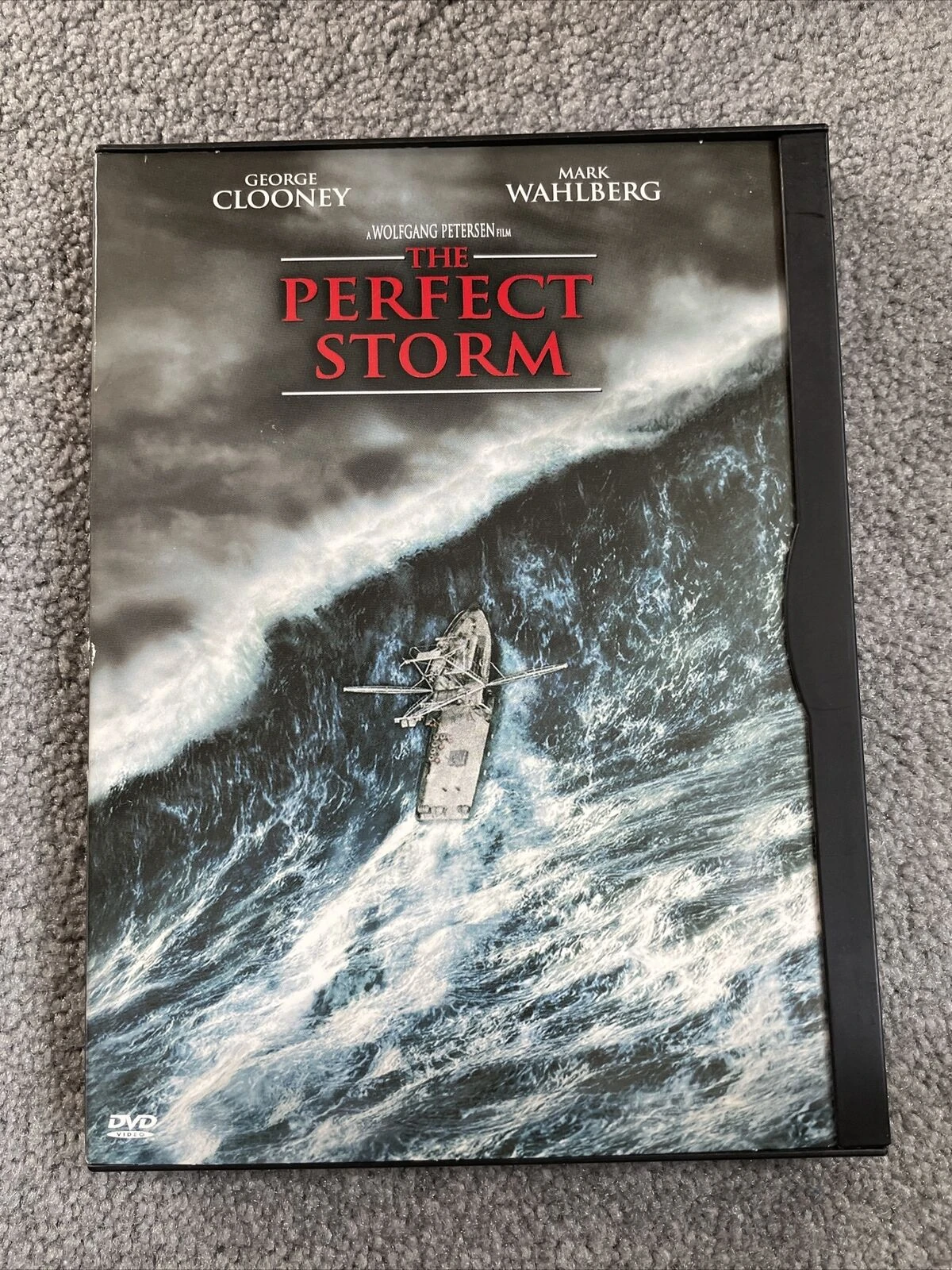
The six crew members who died in the "Perfect Storm" of 1991 were Captain Billy Tyne, Robert "Bobby" Shatford, Dale "Murph" Murphy, David "Sully" Sullivan, Michael "Bugsy" Moran, and Alfred Pierre. They were aboard the Gloucester-based swordfishing vessel Andrea Gail, which disappeared in late October 1991 amidst unprecedented meteorological conditions.
The events of the 1991 Halloween Storm, famously chronicled in Sebastian Junger’s non-fiction book and the subsequent film, remain a somber benchmark in maritime history. While the storm claimed other lives and caused massive destruction along the Atlantic coast, the story of the Andrea Gail remains the central human tragedy associated with the event. As of 2026, the vessel has never been found, and the exact circumstances of its final moments remain a subject of expert reconstruction and haunting speculation.
The Crew of the Andrea Gail: Profiles of the Lost Men
To understand the weight of this tragedy, one must look beyond the names and recognize the individuals who made up the crew. These were professional mariners working in one of the world's most dangerous professions.
Captain Frank William "Billy" Tyne Jr.
At 44 years old, Billy Tyne was an experienced and respected captain. Known for his determination and willingness to venture further into the North Atlantic to find productive fishing grounds, Tyne was the leader of the expedition. On their final voyage, he chose to head toward the Flemish Cap, an area of shallow water in the Atlantic Ocean approximately 350 miles east of Newfoundland, known for its rich fish populations but also its treacherous weather.
Robert "Bobby" Shatford
The youngest member of the crew at age 30, Bobby Shatford became the emotional center of the narrative in Sebastian Junger's account. A Gloucester native, Shatford was working to pay off debts and build a future with his girlfriend, Christina Cotter. His mother, Ethel Shatford, was a well-known figure at the Crow’s Nest, a local mariner hangout that became a focal point for the community’s grief.
Dale "Murph" Murphy
Dale Murphy, 30, was a skilled fisherman from Bradenton, Florida. He was a devoted father to a young son and was known for his technical proficiency on the boat. In the film adaptation, his character is portrayed as having a tense relationship with other crew members, but in reality, he was a veteran deckhand who contributed significantly to the vessel’s operations.
David "Sully" Sullivan
David Sullivan, 28, joined the crew at the last minute after another fisherman backed out. Sullivan was well-regarded in Gloucester for his bravery; he had previously been credited with saving the lives of several people during a different maritime incident. His presence on the Andrea Gail was a testament to the tight-knit and often interchangeable nature of the commercial fishing workforce.
Michael "Bugsy" Moran
Michael Moran, 36, was also from Florida. Known for his hardworking nature and somewhat eccentric personality, Moran was a seasoned deckhand. Like many in the industry, he moved between different boats and ports, eventually finding himself on the Andrea Gail for what would be its final trip of the 1991 season.
Alfred Pierre
Alfred Pierre, 32, was originally from New York City but had become a fixture in the New England fishing scene. Often described as a man of immense physical strength and a quiet, steady demeanor, Pierre was an essential part of the labor-intensive process of longline fishing.
Anatomy of a Disaster: The Meteorological Background
The "Perfect Storm" was not a single weather event but a rare convergence of three distinct atmospheric systems. Meteorologists at the National Oceanic and Atmospheric Administration (NOAA) noted that the probability of such a convergence is extremely low, occurring perhaps once in a century.
The Three Converging Elements
- A Powerful Cold Front: A high-pressure system moving from the north brought a massive cold air mass down from Canada.
- A Low-Pressure System: A strengthening extra-tropical cyclone developed over the North Atlantic, fueled by the temperature contrast between the Canadian air and the warmer Atlantic waters.
- Hurricane Grace: A Category 2 hurricane was moving northward from the Caribbean. While Grace was weakening, its remnants and intense moisture were absorbed into the developing low-pressure system, acting like "gasoline on a fire."
Record-Breaking Conditions
The resulting "Superstorm" produced winds exceeding 70 miles per hour and sea states that defied standard measurement. The National Data Buoy Center recorded wave heights of 61 feet south of Nova Scotia, but subsequent analysis suggests that individual "rogue waves" within the storm likely reached heights of 100 feet. For a 72-foot commercial fishing vessel like the Andrea Gail, these conditions were unsurvivable if the ship was caught in the "dangerous quadrant" of the storm.
Chronology of the Final Voyage
The Andrea Gail departed Gloucester, Massachusetts, on September 20, 1991. The voyage was intended to be a standard late-season swordfishing trip, focusing on the Grand Banks and eventually the Flemish Cap.
By late October, the vessel was fully loaded with approximately 40,000 pounds of swordfish. However, the ship’s ice machine—crucial for preserving the catch—had malfunctioned. This created a dilemma for Captain Tyne: stay and risk the catch spoiling, or head back through the worsening weather to preserve the profits.
The Final Radio Transmission
On the evening of October 28, 1991, Captain Billy Tyne radioed Linda Greenlaw, captain of the Hannah Boden (the Andrea Gail’s sister ship). He reportedly stated, "She's coming on, boys, and she's coming on strong." This was the last time anyone heard from the Andrea Gail. The ship was approximately 180 miles northeast of Sable Island at the time. When the vessel failed to return to port or check in via radio over the following days, a massive search was initiated.
Search and Rescue Efforts: The Coast Guard and Air National Guard
The search for the Andrea Gail was one of the most extensive in the history of the U.S. Coast Guard. It spanned over 116,000 square miles. Despite the intensity of the search, which involved Canadian and American assets, only a few pieces of debris were ever recovered: an empty life raft, some fuel drums, and a radio beacon that had not been activated.
The Sinking of the Satori and the Pararescue Loss
The storm claimed other lives beyond the Andrea Gail. During a daring rescue of the three-person crew on the sailboat Satori, a New York Air National Guard helicopter (Jolly 110) ran out of fuel and was forced to ditch in the ocean. While four of the five crew members were rescued by the USCGC Tamaroa, Pararescueman Rick Smith was lost at sea. His disappearance added another layer of tragedy to the event and highlighted the extreme risks taken by rescue personnel.
Key Facts and Comparative Data of the 1991 Storm
The impact of the storm was felt from the Caribbean to Canada, causing over $200 million in damages (in 1991 dollars) and a total of 13 confirmed deaths.
| Category | Details/Statistics |
|---|---|
| Total Fatalities | 13 (including 6 from the Andrea Gail and 1 Pararescueman) |
| Highest Recorded Wave | 61 feet (buoy); Estimated 100+ feet (peak) |
| Peak Wind Gusts | 75+ mph (sustained); gusts over 100 mph reported |
| Vessel Disappeared | Andrea Gail (72-foot commercial longliner) |
| Economic Damage | $200+ Million (1991 USD); ~1,000 homes destroyed |
| Last Known Position | 44°N 56.4°W (Approx. 180 miles NE of Sable Island) |
Legacy and Cultural Impact
The loss of the Andrea Gail became a national story largely due to Sebastian Junger’s 1977 book, The Perfect Storm. Junger used creative non-fiction techniques to reconstruct the final hours of the crew, based on meteorological data and the testimony of other fishermen who survived the storm.
The Gloucester Fisherman's Memorial
In Gloucester, Massachusetts, the names of the six men are inscribed on the Gloucester Fisherman's Memorial, a cenotaph that honors the thousands of local men lost at sea over the centuries. The "Perfect Storm" served as a reminder of the inherent dangers of the industry and sparked renewed debates about maritime safety regulations and the economic pressures that force captains to stay at sea during dangerous conditions.
The 2000 Film Adaptation
The story reached a global audience through the movie directed by Wolfgang Petersen. While the film took several creative liberties—specifically regarding the internal conflicts among the crew—it succeeded in visualizing the sheer scale of the North Atlantic during a hurricane-strength event. For many families of the lost crew, the film was a mixed experience, bringing both recognition to their loved ones and frustration over fictionalized portrayals.
Maritime Safety and Lessons Learned
In the decades since 1991, the commercial fishing industry has undergone significant changes in safety protocols. While the "Perfect Storm" was an extreme outlier, it emphasized the need for better communication technology and emergency position-indicating radio beacons (EPIRBs).
- EPIRB Evolution: Modern EPIRBs are now more reliable and are designed to deploy and activate automatically if a vessel sinks. In 1991, the Andrea Gail's beacon was found but had not been switched on, suggesting the crew didn't have time to reach it or it malfunctioned.
- Weather Forecasting: Advancements in satellite technology and computer modeling allow for much earlier and more accurate warnings of "bomb cyclones" and unusual storm convergences.
- Stability Standards: There has been increased scrutiny on vessel stability, particularly for older ships that have been modified with heavier equipment or larger cooling systems, which can alter the ship's center of gravity.
FAQ: Common Questions About the Perfect Storm
Was the Andrea Gail ever found?
No, the Andrea Gail has never been located. The ocean depth in the area where it is believed to have sunk exceeds several thousand feet, and the shifting sands of the Atlantic floor make finding a 72-foot vessel nearly impossible without a targeted, multi-million dollar recovery mission.
Did any other ships sink during the storm?
Yes, several other vessels were lost or severely damaged. The Satori was abandoned and later washed ashore, and many smaller coastal craft were destroyed. However, the Andrea Gail was the only large commercial vessel to disappear with its entire crew during the peak of the storm.
How did the storm get its name?
The term "The Perfect Storm" was coined by Bob Case, a meteorologist at the National Weather Service in Boston. He used the term to describe the "perfect" set of circumstances (the three systems) coming together to create a storm of such magnitude.
Why didn't the crew of the Andrea Gail head to port sooner?
The primary theory is a combination of a broken ice machine and a desire to maximize the profit from a successful haul. If they stayed, the fish would rot; if they sailed through the storm, they could save the catch. They likely underestimated the unprecedented speed at which the storm intensified.
What happened to the Pararescueman Rick Smith?
Rick Smith disappeared after the Jolly 110 helicopter ditched in the ocean. Despite a massive search effort by the Coast Guard and Navy, no trace of him was ever found. He was posthumously honored for his bravery and sacrifice.
Final Remembrance and Maritime Awareness
As we reflect on these events in 2026, the tragedy of the Andrea Gail serves as a perennial reminder of the power of the natural world and the vulnerability of those who work upon the sea. For those interested in honoring the memory of the lost crew or learning more about maritime safety, visiting the Gloucester Fisherman's Memorial or supporting organizations like the Fishermen’s Memorial and Children’s Fund provides a practical way to contribute to the ongoing legacy of the Gloucester fishing community.