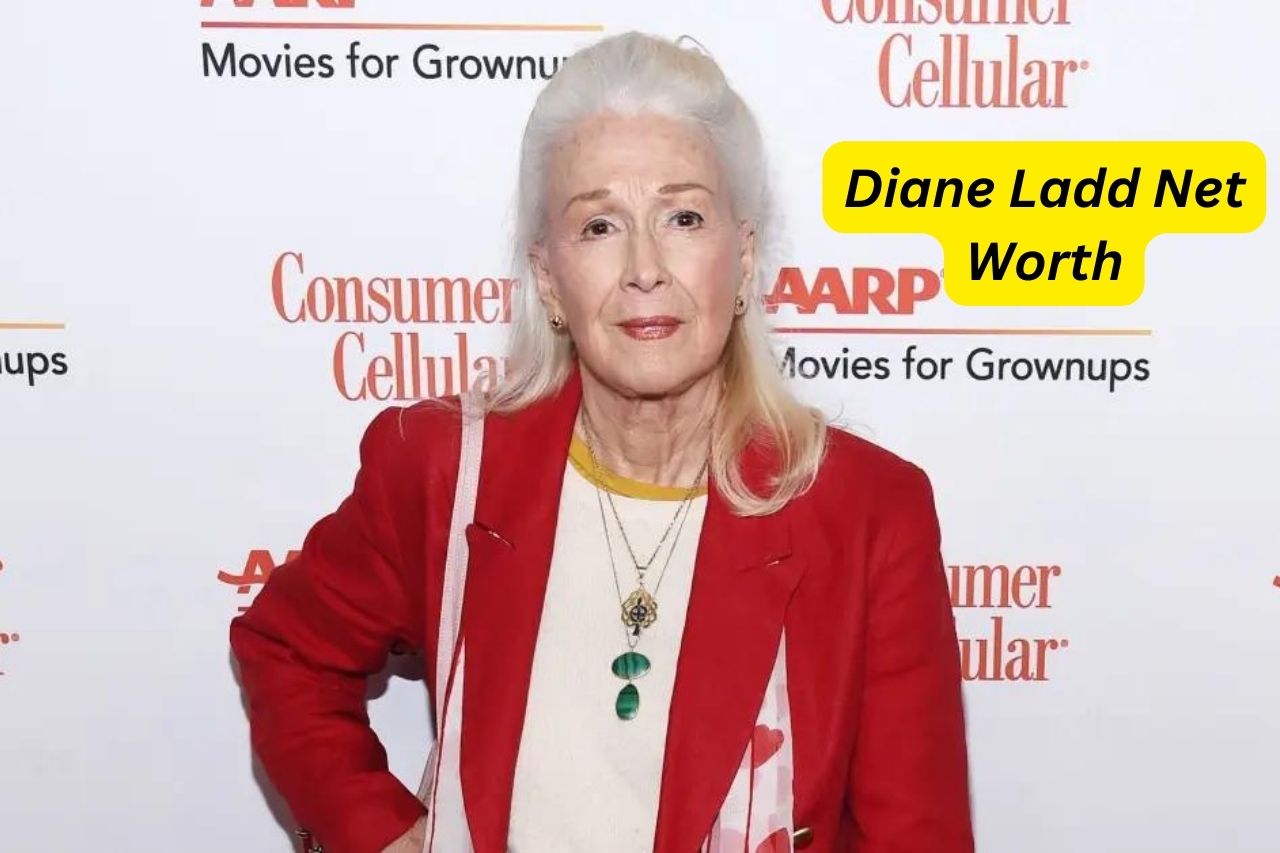
As of 2026, Diane Wang (Wang Shutong), the founder and Chairperson of DHgate, remains one of the most influential figures in global e-commerce, with an estimated net worth in the hundreds of millions of dollars. Her wealth is primarily derived from her significant equity in DHgate and her history of successful ventures, including the sale of Joyo.com to Amazon.
The Formative Years: Corporate Foundations at Microsoft and Cisco
Before becoming a household name in the e-commerce sector, Diane Wang spent her early career honing her skills within some of the world’s most prestigious technology firms. Her professional journey began in the early 1990s, a period when the internet was just beginning to take shape in China. After graduating from the Beijing University of Posts and Telecommunications, Wang joined Microsoft China.
During her tenure at Microsoft, she was part of the first generation of local employees who helped establish the software giant's footprint in the Chinese market. This experience provided her with a deep understanding of corporate scaling, software ecosystems, and the importance of localized business strategies. Following her success at Microsoft, she transitioned to Cisco Systems, where she eventually rose to the position of Marketing Director for Cisco China. At Cisco, she was the youngest member of the senior management team and the only female executive at that level, a precursor to her lifelong commitment to breaking gender barriers in the tech industry.
These corporate roles were essential for her future entrepreneurial success. They provided her with a global perspective on technology and a robust network of industry contacts. However, the constraints of working within large multinational corporations eventually prompted her to venture out on her own to capture the burgeoning opportunities in China’s domestic internet market.
The Joyo.com Era: Pioneering B2C E-Commerce
In 1999, Diane Wang co-founded Joyo.com, which would become one of China’s earliest and most successful B2C (business-to-consumer) e-commerce platforms. At a time when online shopping was a foreign concept to most Chinese consumers, Joyo.com focused on selling books, music, and videos—a model very similar to the early days of Amazon in the United States.
Under Wang’s leadership as CEO, Joyo.com navigated the immense challenges of logistics and payment infrastructure in China. The company built its own delivery network and pioneered cash-on-delivery services to overcome the lack of credit card penetration. By 2004, Joyo.com had become the leading online retailer in China.
The strategic value of Joyo.com did not go unnoticed. In 2004, Amazon acquired Joyo.com for approximately $75 million, marking Amazon's official entry into the Chinese market. This acquisition was a landmark event in the Chinese tech ecosystem and significantly contributed to Diane Wang’s early wealth. While the sale provided her with substantial financial capital, it also served as a proof of concept for her ability to build and exit high-value digital enterprises.
Founding DHgate: Redefining Global B2B Trade
Following the sale of Joyo.com, Diane Wang did not retreat into a quiet retirement. Instead, she identified a massive inefficiency in the global supply chain: the difficulty for small and medium-sized enterprises (SMEs) in China to connect with international buyers. In late 2004, she founded DHgate.com.
Unlike Joyo.com’s B2C model, DHgate was designed as a B2B (business-to-business) platform. Its primary mission was to enable "China's SMEs to sell to the world." DHgate was revolutionary because it moved away from the "listing fee" model used by competitors like Alibaba at the time, opting instead for a transaction-based commission model. This lowered the barrier to entry for small suppliers, allowing them to list products for free and only pay when a sale was completed.
By 2026, DHgate has evolved into a comprehensive cross-border e-commerce ecosystem. It facilitates trade for millions of registered buyers from over 220 countries and regions. The platform has expanded its services beyond mere matching to include:
- Integrated Logistics: Partnering with global carriers to provide end-to-end shipping solutions.
- Secure Payment Systems: Implementing escrow services that protect both buyers and sellers in international transactions.
- Social Commerce: Launching MyyShop, a tool designed to empower social media influencers and small creators to build their own online stores and source products directly from DHgate’s supply chain.
Analyzing Diane Wang’s Net Worth and Financial Influence
Estimating the exact net worth of a private entrepreneur like Diane Wang requires looking at the valuation of her primary asset: DHgate. While the company has explored various IPO paths over the years, it has largely remained a private entity or operated through strategic investment structures.
As of 2026, DHgate’s valuation is estimated to be in the billion-dollar range, driven by the sustained growth of cross-border trade and the company’s pivot toward AI-driven logistics and social commerce. As the founder and a major shareholder, Wang’s stake in the company constitutes the bulk of her fortune.
Factors Contributing to Her Wealth in 2026
- Equity in DHgate: Her primary source of wealth remains her significant ownership in the platform she founded and continues to lead.
- Investment Portfolio: Like many successful tech founders, Wang has likely diversified her wealth into other tech startups and venture capital funds, particularly those focused on female-led enterprises and fintech.
- Prior Exits: The capital gained from the $75 million sale of Joyo.com in 2004 provided the foundational liquidity that allowed her to self-fund early stages of DHgate and make subsequent personal investments.
| Professional Milestone | Year | Organization | Role / Impact |
|---|---|---|---|
| Early Career Foundation | 1990s | Microsoft / Cisco | Established tech leadership and marketing expertise. |
| B2C Pioneer | 1999 | Joyo.com | Co-founded China's top B2C site; sold to Amazon for $75M. |
| B2B Revolution | 2004 | DHgate | Founded first transaction-based cross-border B2B platform. |
| Global Advocacy | 2010s-Present | APEC / G20 | Chaired various councils focusing on SME and female empowerment. |
| Digital Transformation | 2020-2026 | MyyShop / AI | Launched social commerce tools to decentralize global trade. |
Global Leadership and Advocacy for SMEs
Beyond her financial success, Diane Wang has leveraged her position to influence global trade policy. She is a prominent member of several international organizations, where she advocates for the digitalization of SMEs and the economic empowerment of women.
Wang has served as the Co-chair of the APEC Business Advisory Council (ABAC) and as the China Representative to the G20 Empower alliance. Her work in these forums focuses on:
- Bridging the Digital Divide: Helping small businesses in developing nations gain access to the tools needed for international trade.
- Women in Tech: Through the "APEC Women Connect" initiative, she has mentored thousands of female entrepreneurs, providing them with training and networking opportunities to succeed in the digital economy.
- Standardizing Cross-Border Trade: Working with international regulators to simplify customs procedures and tax frameworks for small-scale e-commerce shipments.
Her influence in these spheres often transcends her business interests, making her a key diplomatic figure in the intersection of technology and international relations.
Challenges, Strategic Pivots, and the 2026 Landscape
The path to a multi-million dollar net worth has not been without significant obstacles. In the mid-2020s, the e-commerce landscape faced intense scrutiny due to shifting geopolitical climates and trade regulations. Diane Wang steered DHgate through several critical challenges:
Navigating Trade Tensions
With rising tariffs and trade barriers between major economies, DHgate had to diversify its supplier base and optimize its logistics routes. Under Wang’s direction, the company invested heavily in "overseas warehouses" to ensure that delivery times remained competitive despite supply chain disruptions.
The Shift to Social Commerce
Recognizing that traditional search-based e-commerce was giving way to discovery-based shopping, Wang spearheaded the development of MyyShop. This platform allows "nanoinfluencers"—people with small but dedicated social media followings—to monetize their audience by curating products from DHgate. This move successfully tapped into the Gen Z market and created a new revenue stream for the company.
AI Integration
By 2026, DHgate has fully integrated artificial intelligence into its operations. This includes AI-driven product recommendations, automated translation for buyer-seller communication, and predictive analytics for inventory management. These technical advancements have improved profit margins by reducing operational overhead and improving conversion rates.
FAQ: Understanding Diane Wang’s Career and Wealth
What is Diane Wang's most significant contribution to e-commerce?
Her most significant contribution is the creation of a transaction-based B2B model for cross-border trade. By allowing small businesses to sell directly to international buyers without high upfront listing fees, she democratized global trade, which was previously the domain of large corporations with massive procurement departments.
How did the sale of Joyo.com affect her net worth?
The sale of Joyo.com to Amazon for $75 million in 2004 was the primary catalyst for her early wealth. While she shared this sum with co-founders and investors, it provided her with the capital and the reputation necessary to launch DHgate and attract significant venture capital for her subsequent projects.
Is Diane Wang still the CEO of DHgate in 2026?
Yes, as of 2026, Diane Wang continues to serve as the Chairperson and CEO of DHgate. She remains deeply involved in the strategic direction of the company, particularly in its expansion into decentralized social commerce and AI-driven supply chain solutions.
What is the difference between DHgate and Alibaba?
While both are major e-commerce players, DHgate historically specialized in B2B transactions with a lower minimum order quantity (MOQ) than Alibaba. Additionally, DHgate pioneered the transaction-based commission model, whereas Alibaba’s early growth was fueled by a membership-based "Gold Supplier" subscription model.
How does Diane Wang support female entrepreneurs?
She supports female entrepreneurs primarily through international organizations like APEC and G20. She founded the "APEC Women Connect" program, which provides digital entrepreneurship training, and she frequently speaks at global forums to advocate for policies that increase women's access to digital finance and education.
Future Outlook: Legacy and Ongoing Influence
As we look toward the latter half of the 2020s, Diane Wang’s legacy is defined not just by her net worth, but by her role as a bridge-builder between the East and the West. In an era where digital trade is often caught in the middle of geopolitical competition, her focus on empowering individual entrepreneurs provides a bottom-up approach to global economic stability.
For those looking to follow in her footsteps, the "Diane Wang model" emphasizes three core principles:
- Adaptability: Transitioning from corporate roles to B2C, then to B2B, and finally to social commerce.
- Infrastructure Focus: Building the "pipes" of commerce (logistics, payments, trust) rather than just the storefront.
- Purpose-Driven Growth: Aligning business success with broader social goals, such as SME empowerment and gender equality.
In 2026, her career serves as a masterclass in navigating the complexities of the global digital economy while maintaining a clear vision for the future of trade.