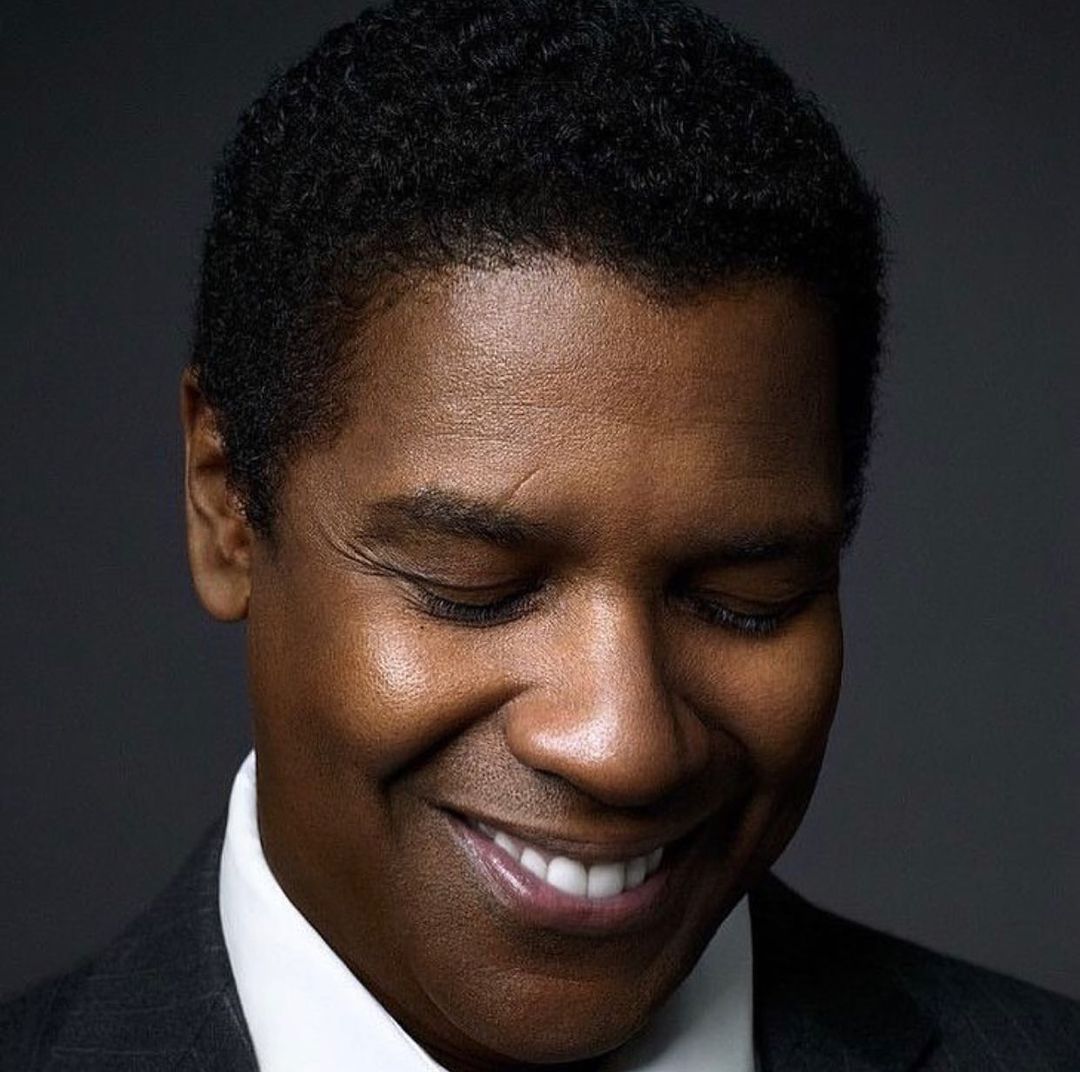
As of 2026, Denzel Washington’s net worth is estimated at approximately $310 million. This significant fortune is the result of more than four decades of consistent, high-level performance in the film industry, where he has maintained a status as one of the few actors capable of commanding both critical acclaim and substantial box-office revenue.
Denzel Washington is not merely an actor; he is a pillar of the American cinematic landscape. His financial journey reflects a transition from a respected stage and television actor to a global powerhouse who helped define the "A-list" salary structure of the late 1990s and 2000s. Unlike many of his contemporaries who saw their earning power fluctuate with the rise of franchise-driven cinema, Washington has remained a consistent "above-the-title" star whose name alone can greenlight a mid-to-large-budget production.
The Evolution of a Multi-Million Dollar Salary
The trajectory of Denzel Washington’s career earnings provides a masterclass in how talent and leverage intersect in Hollywood. In the early 1980s, Washington was a standout on the medical drama St. Elsewhere, earning a steady but modest television salary. However, his transition to film was swift. By the time he won his first Academy Award for Best Supporting Actor in Glory (1989), his market value began to climb.
Throughout the 1990s, Washington’s salary scaled rapidly. For his portrayal of Malcolm X in 1992, he earned roughly $2 million—a significant sum at the time, though modest compared to what was to come. By the mid-90s, with hits like The Pelican Brief and Crimson Tide, he moved into the $10 million-per-film bracket.
The true turning point occurred in the late 1990s when Washington joined the "20 million club." For films like The Siege (1998) and his Oscar-winning turn in Training Day (2001), he commanded a base salary of $20 million. This figure became his standard for high-octane thrillers and prestige dramas alike. Even as the industry moved away from the traditional star-system salary in the 2010s, Washington’s reliability allowed him to maintain this rate, often supplemented by "backend" participation—a percentage of the film's gross profits.
Analyzing Denzel Washington’s Highest Grossing Films
While Washington is often associated with intense, character-driven dramas, his commercial footprint is immense. His films have collectively grossed over $4 billion at the global box office. What makes his box-office record unique is that he has achieved these numbers without ever starring in a traditional superhero franchise or a major animated series.
His highest-grossing films typically fall into the "prestige thriller" or "action-drama" categories. American Gangster (2007), directed by Ridley Scott, remains one of his most significant commercial peaks, grossing over $266 million worldwide. This film demonstrated Washington’s ability to lead an adult-oriented R-rated drama to massive financial success.
In the 2010s and 2020s, Washington found a lucrative niche with The Equalizer franchise. This series marked the first time in his long career that he agreed to do a sequel. The trilogy has been remarkably consistent, with each film grossing approximately $190 million to $200 million globally on relatively modest budgets, ensuring high profitability for both the studio and Washington. More recently, his involvement in Gladiator II (2024/2025) represented a late-career commercial surge, leveraging his presence to anchor a major historical epic.
| Film Title | Release Year | Global Box Office (Est.) | Estimated Salary/Earnings |
|---|---|---|---|
| American Gangster | 2007 | $266.5 Million | $20 Million |
| Safe House | 2012 | $208.1 Million | $20 Million |
| Gladiator II | 2024 | $450.0 Million+ | $20 Million + Backend |
| The Equalizer | 2014 | $192.3 Million | $20 Million |
| The Pelican Brief | 1993 | $195.2 Million | $8 Million |
| The Equalizer 2 | 2018 | $190.4 Million | $20 Million |
| Flight | 2012 | $161.8 Million | Backend-heavy deal |
| Training Day | 2001 | $104.9 Million | $12 Million |
Production and Directorial Revenue Streams
Denzel Washington’s net worth is not solely dependent on his acting fees. He has successfully transitioned into directing and producing, which offers a different tier of financial longevity. Through his production company, Mundy Lane Entertainment (and later Maclean Productions), he has taken control over the development of his projects.
Directing films like Antwone Fisher (2002), The Great Debaters (2007), Fences (2016), and A Journal for Jordan (2021) has allowed him to earn fees as a director and producer, while also controlling the creative vision. Fences, in particular, was a financial and critical triumph. Produced on a budget of roughly $24 million, it grossed over $64 million and earned Washington an Oscar nomination for Best Actor. His deal with Netflix to produce a series of films based on the plays of August Wilson (including Ma Rainey's Black Bottom and The Piano Lesson) represents a massive, multi-year revenue stream that bolsters his net worth through 2026.
Real Estate and Wealth Management
A significant portion of Washington’s $310 million net worth is tied to strategic real estate holdings. His primary residence is a custom-built mega-mansion in the exclusive Beverly Park gated community in Los Angeles. Situated on over two acres, the estate is estimated to be worth upwards of $80 million in today’s market.
In addition to his Los Angeles holdings, Washington has owned high-value properties in New York City, including a luxury apartment in the affluent 15 Central Park West building. These assets are not just lifestyle choices but are core components of his investment portfolio, which has appreciated significantly over the last two decades. Washington is known for his conservative financial approach, avoiding the volatile "celebrity brand" investments in favor of blue-chip assets and long-term industry deals.
Philanthropy and the Value of Legacy
While his net worth is a point of public interest, Washington has been equally committed to redistributing that wealth. He has been a spokesperson and major donor for the Boys & Girls Clubs of America for over 30 years. His philanthropic efforts often focus on education and the arts, including significant donations to Wiley College’s debate team and various Historically Black Colleges and Universities (HBCUs).
In 2021, it was revealed that Washington had quietly funded the acting studies of several students at the British American Drama Academy, including a young Chadwick Boseman. This "quiet philanthropy" is a hallmark of his career, suggesting that his financial success is viewed through the lens of stewardship rather than just personal accumulation.
Future Outlook and 2026 Projections
As we move through 2026, Washington’s earning potential remains high. Even as he enters his early 70s, he continues to select projects that offer high upside. His move toward more frequent collaborations with streaming platforms like Apple TV+ and Netflix provides upfront payments that rival his peak theatrical salaries.
Furthermore, as a producer, he continues to benefit from the "long tail" of his filmography. Every time a film like Man on Fire or The Book of Eli is licensed to a new streaming service, Washington receives residual payments. For an actor with over 50 credits, these residuals form a substantial, passive income stream that ensures his net worth will continue to grow even if he chooses to slow his active production schedule.
Frequently Asked Questions
What was Denzel Washington's highest salary for a single movie?
His standard base salary for over two decades has been $20 million. However, for films where he has a "first-dollar gross" participation—meaning he receives a percentage of the box office revenue from the very first dollar earned—his total take-home pay has likely exceeded $40 million for hits like American Gangster and The Equalizer series.
Does Denzel Washington own the rights to his films?
While he does not own the copyright to the films themselves (which are typically owned by studios like Sony or Warner Bros.), he often retains "points" or backend participation through his production company. This entitles him to a share of the profits across all platforms, including streaming, television licensing, and international distribution.
How much did Denzel Washington make for Training Day?
Washington earned an estimated $12 million for Training Day. While this was slightly lower than his $20 million "quote" at the time, the role was a strategic choice to play a villain, which ultimately won him the Academy Award for Best Actor and cemented his status as the premier actor of his generation, leading to higher salaries for subsequent projects.
Is Denzel Washington the highest-paid Black actor in history?
He is certainly among the highest-paid, consistently ranking alongside stars like Will Smith and Samuel L. Jackson. While Will Smith has reached higher single-film peaks (such as $100 million for Men in Black 3 due to a massive backend deal), Washington’s career is noted for its extreme consistency over 40 years without significant "down" periods in his earning power.
What is Denzel Washington's most profitable movie relative to its budget?
The Equalizer franchise is arguably his most profitable venture. Each film was produced for a modest mid-range budget (between $50 million and $70 million) and consistently returned nearly four times that amount at the box office, making it a highly reliable "cash cow" for both the actor and Sony Pictures.
Strategic Financial Management for Long-Term Wealth
For those looking to understand the mechanics of Denzel Washington's financial success, the key takeaway is the diversification of income. Washington did not rely solely on acting; he integrated production, directing, and smart asset acquisition into his career plan early on.
To emulate a similar level of financial stability, professionals should focus on building "leverageable" skills that allow for higher-tier negotiations. In Washington's case, his "leverage" was his consistency—studios knew that a Denzel Washington film had a high "floor," meaning it was almost guaranteed to make a certain amount of money. By becoming a reliable entity, he was able to command terms that favored long-term wealth over short-term gains.