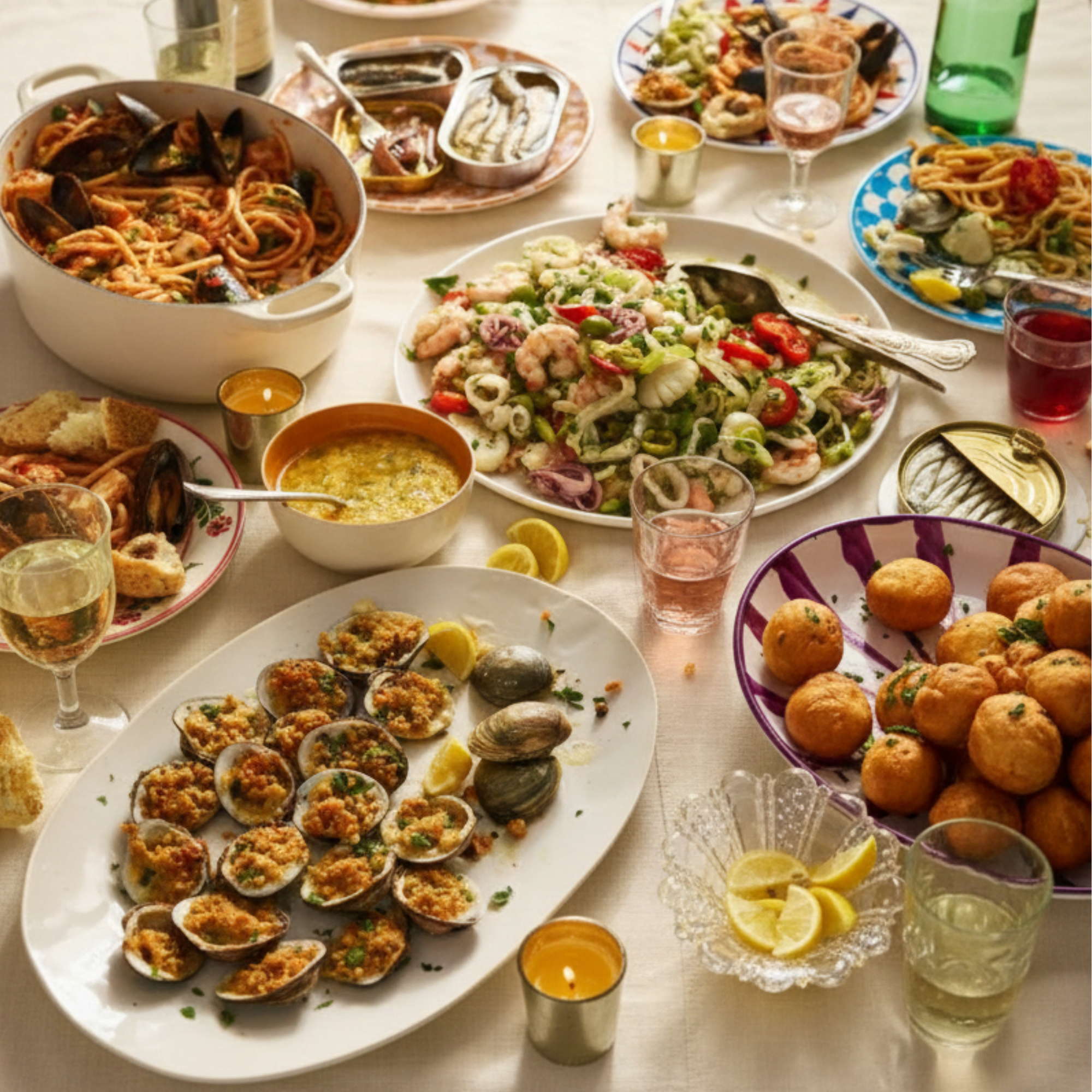
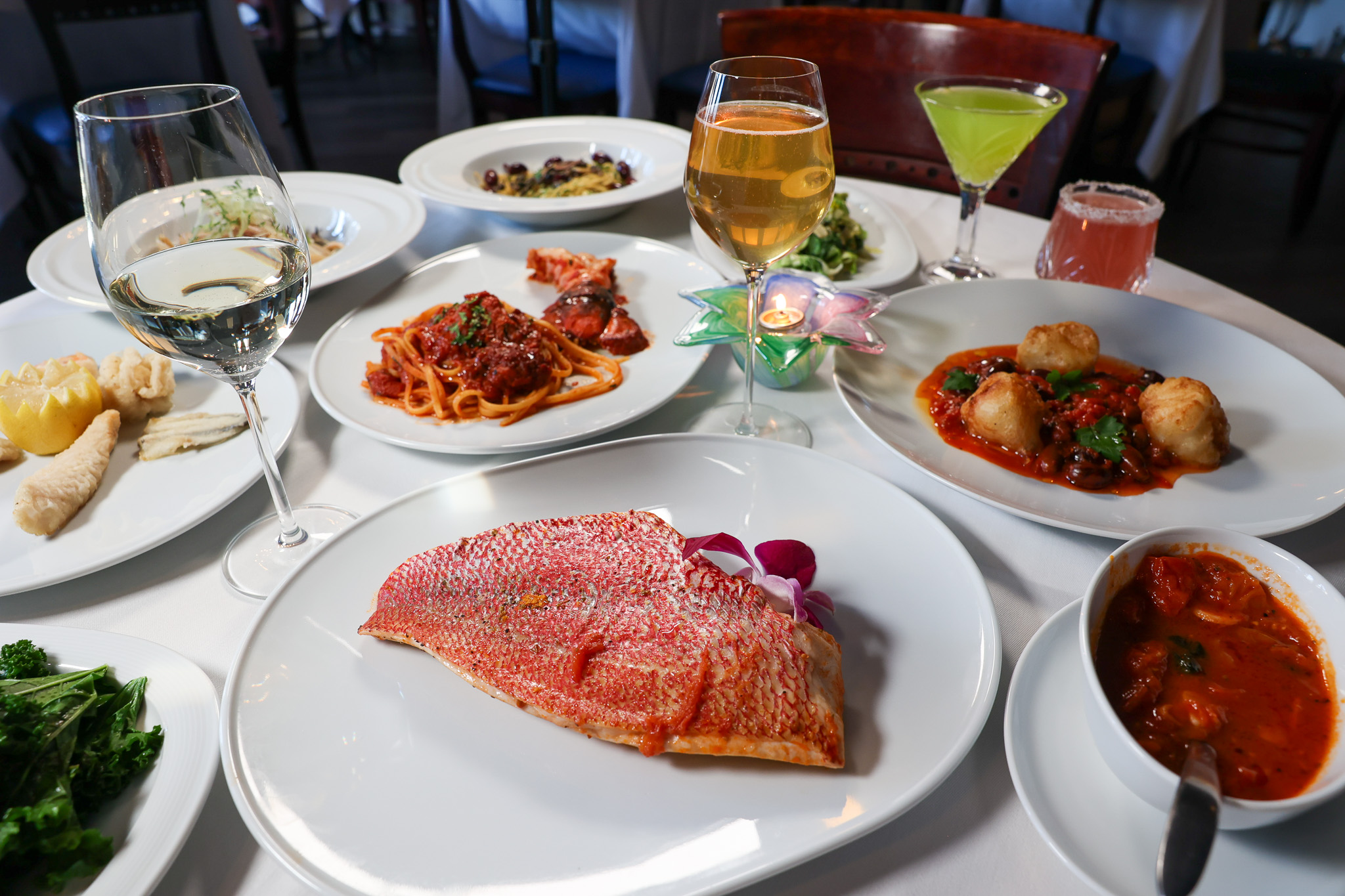
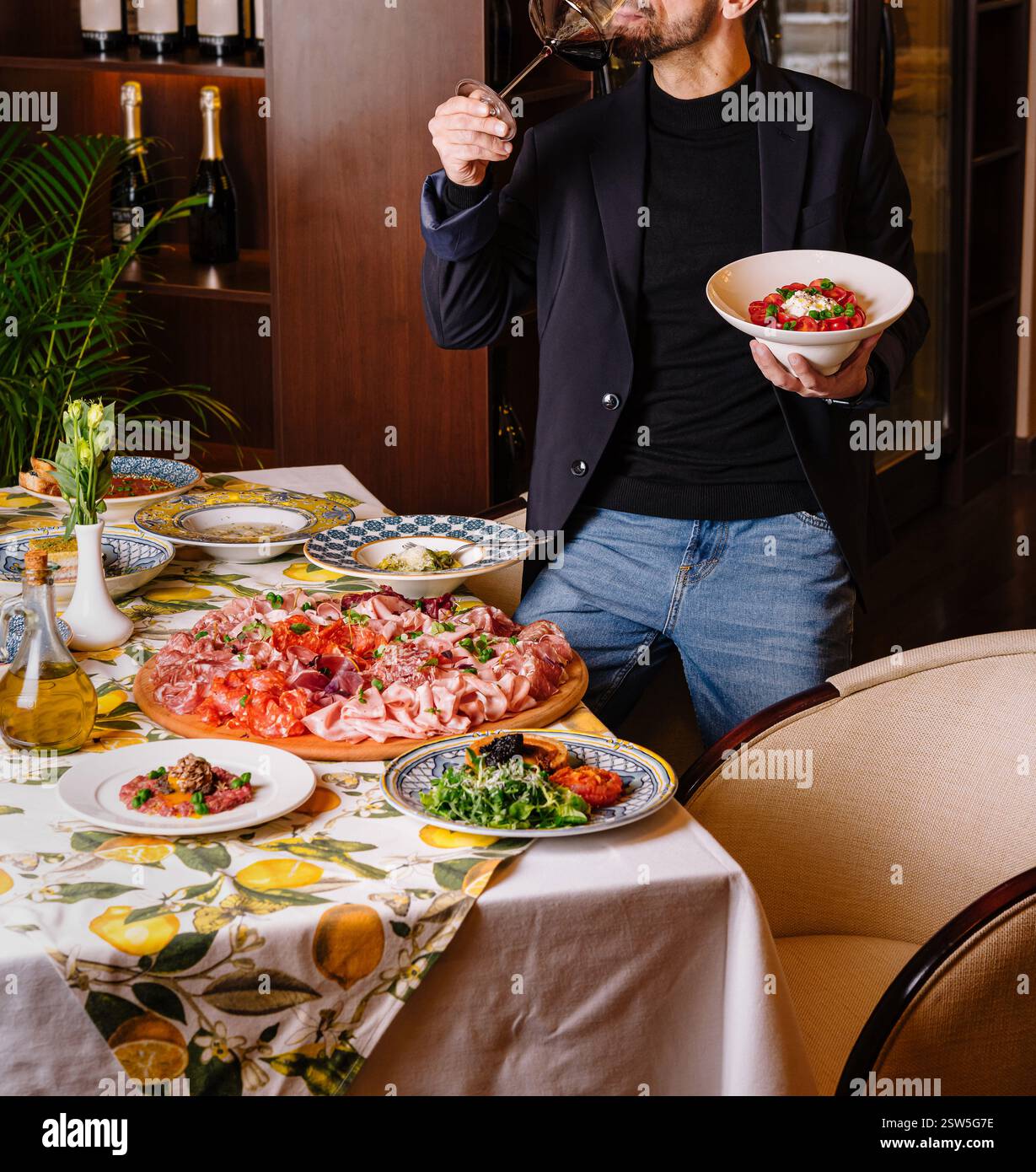
An Italian restaurant movie feast captures the passion, drama, and artistry of Italian gastronomy on film. From the legendary layered Timpano in Big Night to the razor-thin garlic tomato sauce in Goodfellas, these iconic dining scenes combine authentic regional recipes, high-stakes storytelling, and sensory cinema that continues to inspire film enthusiasts and home chefs alike.
The Anatomy of a Cinematic Italian Feast: Culture, Tradition, and Storytelling
In cinema, food is rarely just sustenance. When filmmakers construct a feast set in an Italian restaurant or family dining room, the meal operates as a vital narrative engine. Italian culinary traditions—centered around multi-course structure, artisanal preparation, and communal gathering—provide directors with a rich visual and emotional palette. A cinematic Italian feast communicates cultural heritage, family dynamics, tension, and the eternal clash between artistic purity and commercial compromise.
The structure of a formal Italian feast traditionally moves through distinct courses: antipasto (starter), primo (first course, usually pasta, risotto, or soup), secondo (main meat or seafood dish) with contorni (side dishes), and dolce (dessert), accompanied by espresso and digestifs. In movies, this progression allows filmmakers to build dramatic arc alongside culinary assembly. As dishes are prepped, plated, and consumed, personal relationships unfold, secrets emerge, and conflicts reach a climax.
Understanding why these scenes resonate requires examining both their cinematic mechanics and culinary foundation. Whether highlighting the meticulous prep work of professional chefs or the warm chaos of a family gathering, film feasts celebrate the rituals of Italian food culture while driving the movie’s core thematic message.
Legendary Italian Movie Feasts and Their Signature Dishes
Several films have elevated Italian food to starring roles. These cinematic feasts stand out for their technical detail, emotional weight, and memorable recipes.
The Timpano at a Glance
- Outer Crust: Tender, baked pastry dough shell
- Inner Layers:
- Penne / Rigatoni tossed in rich meat ragù
- Mini beef and pork meatballs
- Sliced hard-boiled eggs & Genoa salami
- Sharp provolone, mozzarella & grated Parmigiano-Reggiano
- Service: Baked in a basin, rested, unmolded, and sliced like a culinary cake
Big Night (1996): The Masterpiece of Italian Culinary Cinema
Directed by Campbell Scott and Stanley Tucci, Big Night is widely considered the gold standard of food films. Set in 1950s New Jersey, the movie follows two immigrant brothers—Primo, a brilliant, uncompromising chef, and Secondo, an ambitious front-of-house manager—struggling to keep their authentic Italian restaurant, Paradise, afloat.
The climax of the film centers on a single evening: a multi-course banquet thrown to save the business, intended to impress singer Louis Prima. The centerpiece of this magnificent spread is the Timpano (or timballo), a monumental baked pasta dome encased in a delicate pastry shell. Filled with al dente rigatoni, savory meat ragù, tiny meatballs, hard-boiled eggs, salami, provolone, and Romano cheese, the Timpano is a masterpiece of Southern Italian culinary tradition. When the dish is unmolded and sliced on camera, the scene captures the anxiety and triumph of high gastronomy.
Goodfellas (1990): Italian-American Comfort Under Pressure
Martin Scorsese’s mob masterpiece Goodfellas demonstrates how Italian food culture persists even under the most unusual circumstances. The famous prison cooking sequence illustrates how food provides comfort, structure, and status to incarcerated mobsters.
In this scene, Paulie Cicero (Paul Sorvino) meticulously prepares dinner for the crew. Scorsese highlights iconic kitchen techniques: Paulie uses a double-edged razor blade to shave cloves of garlic so thin that they melt instantly in hot olive oil. Meanwhile, Henry Hill (Ray Liotta) manages the sauce, combining sliced sausages, veal, pork, and beef with tomato paste and crushed tomatoes. The emphasis on slow simmer times and exact prep work underscores how authentic Italian cooking demands patience and respect for process, regardless of the setting.
The Godfather (1972): Clemenza’s Mob Family Sauce
In Francis Ford Coppola's The Godfather, food grounds the high-stakes world of organized crime in authentic domestic routine. Between outbreaks of violence, caporegime Peter Clemenza (Richard Castellano) takes time in a crowded kitchen to teach a young Michael Corleone (Al Pacino) how to cook for a house full of button men.
Clemenza’s recipe is simple, robust, and historic: start with oil and fried garlic, add tomato paste and crushed tomatoes, simmer with browned Italian sausages and meatballs, and finish with a splash of red wine and a pinch of sugar. This scene established a long-standing tradition in cinema of using Italian cooking instructions as a moment of calm, bonding, and cultural transmission amid chaos.
Dinner Rush (2000): Modern Italian Hospitality and Culinary Tension
Directed by Bob Giraldi, Dinner Rush captures the frantic energy of Gigio, a trendy Italian restaurant in Tribeca, Manhattan. The film contrasts old-world traditional dishes—favored by the restaurant's owner, played by Danny Aiello—with cutting-edge, avant-garde Italian-American fusion created by his son, Udo.
The film showcases the high-stress environment of a commercial kitchen during peak service, detailing real-time line cooking, plating techniques, and front-of-house diplomacy. Dishes like seared red snapper over risotto, handmade pappardelle with wild boar ragù, and artfully layered carpaccio reflect the evolution of modern Italian dining while honoring classic flavor foundations.
Comparing Iconic Film Feasts: Preparation, Narrative Role, and Realism
To understand how directors utilize food to communicate theme and tone, it helps to compare the signature feast scenes across classic culinary cinema.
| Film Title | Signature Dish / Course | Key Ingredients & Style | Cinematic Function | Culinary Realism & Complexity |
|---|---|---|---|---|
| Big Night (1996) | Timpano (Timballo) | Pastry crust, rigatoni, meat ragù, meatballs, eggs, salami, provolone | Symbolic climax of artistic integrity vs. commercial success | Extremely high; authentic traditional recipe requiring 6+ hours prep |
| Goodfellas (1990) | Prison Tomato Sauce & Meatballs | Thin-sliced garlic, olive oil, pork, beef, veal, sausage, crushed tomatoes | Demonstrates domestic routine and hierarchy under confinement | High; realistic Southern Italian-American home-style prep |
| The Godfather (1972) | Clemenza’s Sunday Sauce | Garlic, oil, tomatoes, tomato paste, sausage, meatballs, red wine, sugar | Cultural instruction; highlights family warmth amid gang warfare | Very high; accessible, practical recipe passed down through generations |
| Dinner Rush (2000) | Modernist Italian Tasting Menu | Wild boar ragù, risotto, pan-seared fish, microgreens, reduction sauces | Explores generational divide between traditional and modern dining | High; realistic portrayal of modern line-cooking and kitchen speed |
| Moonstruck (1987) | Roasted Red Peppers & Italian Steaks | Garlic, olive oil, bell peppers, bone-in steaks, Chianti | Represents passion, emotional awakening, and family conflict | High; classic Italian-American home cooking |
How to Host an Authentic Italian Movie Feast Night
Recreating an Italian restaurant movie feast at home requires strategic planning, proper menu structure, and attention to detail. Rather than attempting every dish simultaneously, structure the evening around a cohesive menu inspired by your chosen film.
1. Plan the Multi-Course Menu
A successful feast follows traditional Italian progression. For a Big Night or Goodfellas theme, organize your prep schedule around four core courses:
- Antipasto: Cured meats (Prosciutto di Parma, Genoa salami), aged Parmigiano-Reggiano, marinated artichoke hearts, roasted red peppers, and crusty Italian bread.
- Primo: The highlight dish. Prepare Clemenza’s meatball sauce over rigatoni, or build a simplified Timballo baked in a springform pan.
- Secondo & Contorno: Pan-seared veal cutlets or roasted pork loin served alongside grilled broccolini sautéed in garlic and chili flakes (peperoncino).
- Dolce: Espresso paired with homemade cannoli, tiramisu, or biscotti.
2. Master Key Prep Techniques
Achieving film-quality results requires executing traditional culinary fundamentals:
- Garlic Preparation: For smooth tomato sauces, shave garlic thin using a razor-sharp mandoline or chef’s knife, or crush whole cloves to infuse hot oil gently without burning.
- Pasta Salting and Timing: Always cook pasta in heavily salted water (resembling seawater). Pull the pasta two minutes before package instructions so it finishes cooking directly inside the hot sauce.
- Sauce Emulsification: Save one cup of starchy pasta cooking water before draining. Add small splashes of this water to your pasta and sauce while tossing over heat to build a glossy, unified coating.
3. Curate Wine and Ambiance
Pair Southern Italian red sauces with high-acid, medium-bodied red wines such as Chianti Classico, Barbera d'Asti, or Primitivo. For seafood or lighter cream risottos, select a crisp white like Vermentino or Pinot Grigio. Set the room with warm overhead lighting, table candles, red-and-white checkered linens, and an ambient soundtrack featuring mid-century Italian jazz or classic opera vocalists.
Common Pitfalls When Recreating Movie Recipes at Home
Attempting elaborate cinematic recipes can lead to common kitchen mistakes. Avoid these errors to ensure your feast turns out as intended:
- Burning the Garlic: Slicing garlic ultra-thin increases its surface area, causing it to burn quickly. Heat garlic over low-to-medium flame in cold olive oil, letting it soften and release aromatics without browning.
- Overstuffing or Rushing the Timpano: Placing a hot pasta filling directly into raw Timpano dough will melt the fat in the crust and cause it to collapse. Ensure all fillings (pasta, ragù, meatballs) are fully cooked and cooled to room temperature before assembling the crust.
- Using Pre-Shredded Cheese: Pre-shredded cheeses contain anti-caking agents (such as potato starch or cellulose) that prevent proper melting. Always grate fresh blocks of Parmigiano-Reggiano, Pecorino Romano, and low-moisture mozzarella by hand.
- Crowding the Pan When Browning Meat: When browning meatballs or sausage for Sunday sauce, work in small batches. Overcrowding traps steam, boiling the meat rather than searing it and leaving behind valuable caramelized bits (fond) in the pan.
Frequently Asked Questions
What is the layered pasta dish featured in the movie Big Night?
The signature dish in Big Night is the Timpano (also known as timballo), a traditional Southern Italian baked pasta dish. It consists of a large, basin-baked pastry shell packed with cooked pasta, meat ragù, small meatballs, hard-boiled eggs, sliced salami, and melted cheeses like provolone and Romano.
Did the garlic slicing technique in Goodfellas actually work?
Yes, slicing garlic extremely thin with a razor blade or specialized mandoline causes the garlic cell walls to break down quickly in hot oil, releasing essential oils rapidly and allowing it to dissolve without leaving large chunks in the sauce. However, cooks must use low heat to avoid scorching the thin slices.
How far in advance can you make a Timpano for a feast night?
You can prepare the meat ragù, meatballs, and dough one to two days in advance. Assembly should happen on the day of the feast. Once baked, the Timpano must rest for at least 30 to 45 minutes before unmolding and slicing, allowing the internal cheeses and structure to set so it retains its iconic dome shape when cut.
What is the difference between Sunday Gravy and Sunday Sauce in Italian-American cuisine?
The terms are largely regional synonyms used within Italian-American communities. "Sunday Gravy" is predominant in the Philadelphia, New Jersey, and parts of New York areas, emphasizing a slow-simmered tomato sauce cooked with multiple cuts of meat (pork ribs, meatballs, sausage). "Sunday Sauce" is used more broadly, but both refer to the same rich, long-simmered family recipe featured in films like The Godfather and Goodfellas.
Next Steps: Structuring Your Movie Night Prep Schedule
To host a seamless Italian movie feast without spending the entire evening stuck in the kitchen, structure your preparation using this streamlined timeline:
- Two Days Before: Select your film, finalize your menu, purchase ingredients, and choose appropriate Italian wine pairings.
- One Day Before: Prepare slow-simmered meat ragùs, roll meatballs, slice cured meats, and make dessert (such as tiramisu, which tastes best after setting overnight).
- Four Hours Before: Assemble pasta structures (like Timpano or lasagna) if baking, prepare fresh salad greens, set the dining table, and prep garlic and herbs.
- One Hour Before: Bake main dishes, heat sauces, chill white wine, open red wine bottles to let them breathe, and start your movie cue.
By organizing prep ahead of time, you can step out of the kitchen, sit down with your guests, and enjoy the cinematic culinary journey just as intended.