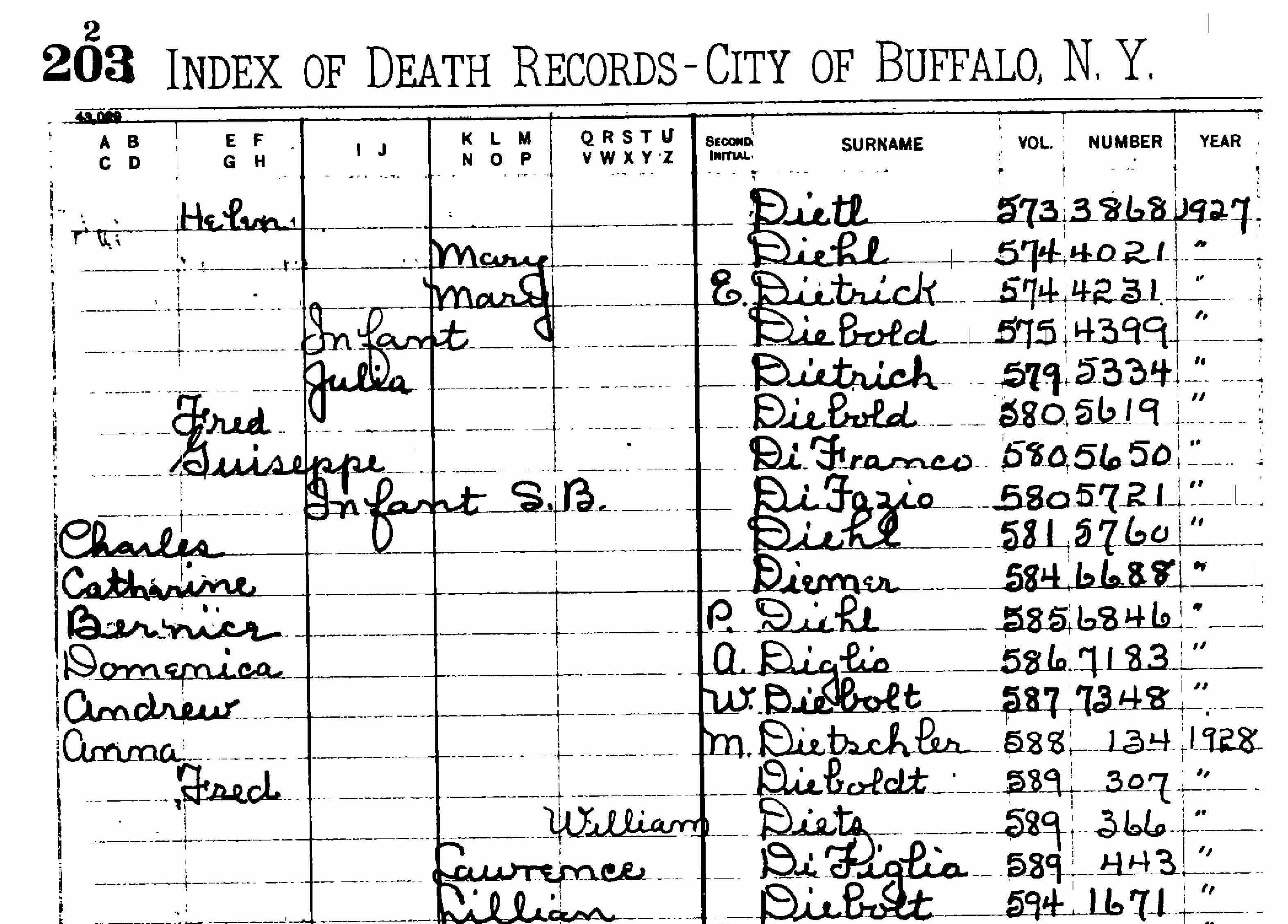
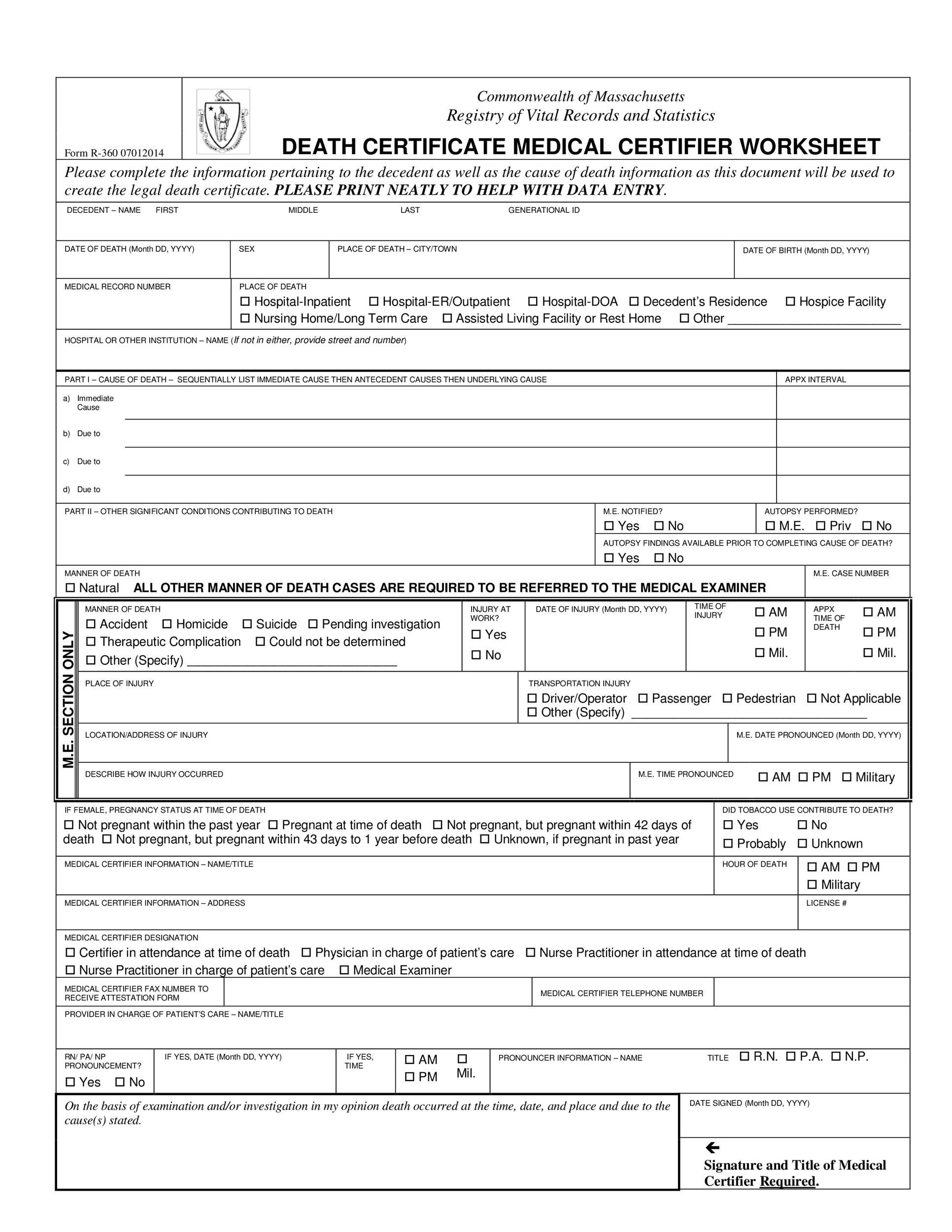
Accessing official vital statistics remains a fundamental requirement for genealogical research, estate administration, legal compliance, and identity verification. Navigating the modern landscape of death records requires an understanding of updated federal privacy laws, state-level jurisdictional rules, and digital repository changes implemented through 2026. This guide details how to legally request, analyze, and utilize death records while adhering to contemporary data standards.
Understanding the Legal Classification and Privacy Status of Death Records
Vital statistics are governed by state statutes rather than a single federal repository, meaning availability shifts depending on the geographic location of the event. Public accessibility is generally determined by a sliding scale of years elapsed since the date of death, balancing historical transparency against identity theft prevention and survivor privacy.
Most jurisdictions enforce a restricted access period, commonly ranging from 20 to 50 years. During this restricted window, only authorized individuals may obtain certified copies containing full genealogical and medical data.
- Immediate Family Members: Spouses, children, parents, and siblings can typically access records immediately by proving their lineage and legal standing.
- Legal Representatives: Attorneys, executors of estates, and authorized agents acting on behalf of the deceased or immediate family hold direct authorization.
- General Public and Researchers: Once the statutory restricted period expires, records transition into open public records or historical archives accessible to any requester.
Official Channels for Requesting Certified Death Certificates
Obtaining an official, certified copy of a death record involves navigating specific governmental departments. The primary entity responsible for issuing these documents is the vital statistics office of the state or county where the death occurred.
State Vital Statistics Offices
State-level departments maintain the master index for all fatalities recorded within their boundaries. These offices provide the highest level of authentication, issuing secure, embossed, or watermarked certificates required for legal proceedings, probate courts, and life insurance claims.
County Health Departments and Registrar Offices
For immediate needs following a passing, local county health departments or town clerk offices often process requests faster than state agencies. They hold records for deaths occurring within their specific municipal boundaries.
Third-Party Verification Services and Independent Vendors
While numerous commercial websites advertise quick access to death records, applicants must distinguish between informational databases and official government issuers. Third-party aggregators compile data from the Social Security Death Index (SSDI), public obituaries, and open-source directory listings. These files are useful for preliminary family tree building but cannot be used for legal transactions like settling financial accounts or transferring property titles.
Comparative Overview of Death Record Access Methods
| Access Channel | Primary Use Case | Legal Validity | Processing Time (2026 Benchmark) | Cost Structure |
|---|---|---|---|---|
| State Vital Statistics Office | Estate settlement, legal proceedings, passport cancellation | Fully Certified (Legal Use) | 2 to 4 weeks (Expedited options available) | Standard state fees plus vendor processing charges |
| Local County Registrar | Immediate funeral arrangements, local property transfers | Fully Certified (Legal Use) | 1 to 5 business days (Often available in-person) | Varies by municipal fee schedule |
| National Center for Health Statistics (NCHS) | Guidance and directory reference only | None (Directs to state issuers) | N/A (Referral service) | Free directory guidance |
| Genealogy Databases & Archives | Family history, ancestry tracking, obituary research | Informational Only (No legal utility) | Instant digital access | Subscription fees or free public archives |
Official Verification Notice Always confirm credentialing requirements before submitting requests. Submitting an application to an incorrect state agency or failing to include proper notarized identification will result in application rejection and administrative fee forfeiture. Ensure all documentation matches current legal identification standards.
Step-by-Step Procedure for Obtaining a Death Certificate
Securing a certified death record efficiently requires careful preparation of documentation and adherence to agency protocols. Follow this structured process to minimize delays.
- Identify the Correct Jurisdiction: Determine the exact city, county, and state where the death occurred. A record is filed where the death event took place, not where the individual resided or was buried.
- Verify Eligibility Requirements: Review the specific state or county guidelines to confirm whether you qualify as an eligible requester (immediate family, legal counsel, or authorized representative).
- Gather Required Documentation: Compile government-issued photo identification (such as a valid driver's license or passport), proof of relationship (birth certificates, marriage licenses, or court appointment papers), and payment methods accepted by the agency.
- Complete the Application Form: Fill out the vital statistics application accurately, supplying the full legal name of the deceased, date of death, city of death, and the names of parents if known.
- Submit and Track the Request: Choose between online portals, mail-in applications, or in-person appointments. Utilize trackable shipping methods for physical mail to monitor delivery status.
Common Obstacles and Troubleshooting Strategies
Navigating historical or modern vital records frequently presents unique challenges. Applying proven troubleshooting methodologies ensures successful retrieval even when initial searches yield incomplete results.
- Unindexed or Misspelled Names: Transcription errors in historical databases are common. Search using wildcards, phonetic variations, or partial name parameters combined with exact dates and locations.
- Delayed Filing Amendments: If a death certificate contains errors regarding cause of death or biographical details, file a formal amendment petition through the issuing vital statistics office supported by primary source evidence.
- Missing Records from Closed Archives: If a local courthouse fire or administrative gap destroyed records, cross-reference alternative archives such as church burial registers, probate court dockets, military service files, and census schedules.
Frequently Asked Questions
Can anyone access any death record without restrictions?
No, access depends heavily on the date of death and state privacy laws. While historical records are often fully open to the public, recent records require proof of a direct familial relationship or legal interest.
What is the difference between an informational copy and a certified copy?
A certified copy contains official seals and is legally recognized for estate settlement, insurance claims, and legal transitions. An informational copy is printed for research purposes and usually bears a stamp stating it cannot be used for legal identification or asset transfer.
How do I find death records for someone who died outside the United States?
Deaths of U.S. citizens abroad are recorded by the Department of State. You must request a Consular Report of Death of a Citizen of the United States of America through the National Archives or the Department of State.
Are social security numbers always visible on death records?
For privacy and identity protection reasons, modern issued death certificates generally redact the Social Security Number from public or standard genealogical copies, though authorized agents with legal need can obtain unredacted versions.
What is the fastest way to obtain a death certificate for urgent funeral planning?
Visiting the local county health department or vital registrar's office in person typically yields the fastest turnaround time, often allowing retrieval within hours or days compared to postal mail channels.
Expert Strategic Advice When executing complex estate liquidations or conducting extensive genealogical lineages, order multiple certified copies simultaneously. Vital statistics offices often charge nominal fees for additional copies requested during the initial transaction, saving valuable time and administrative overhead later.