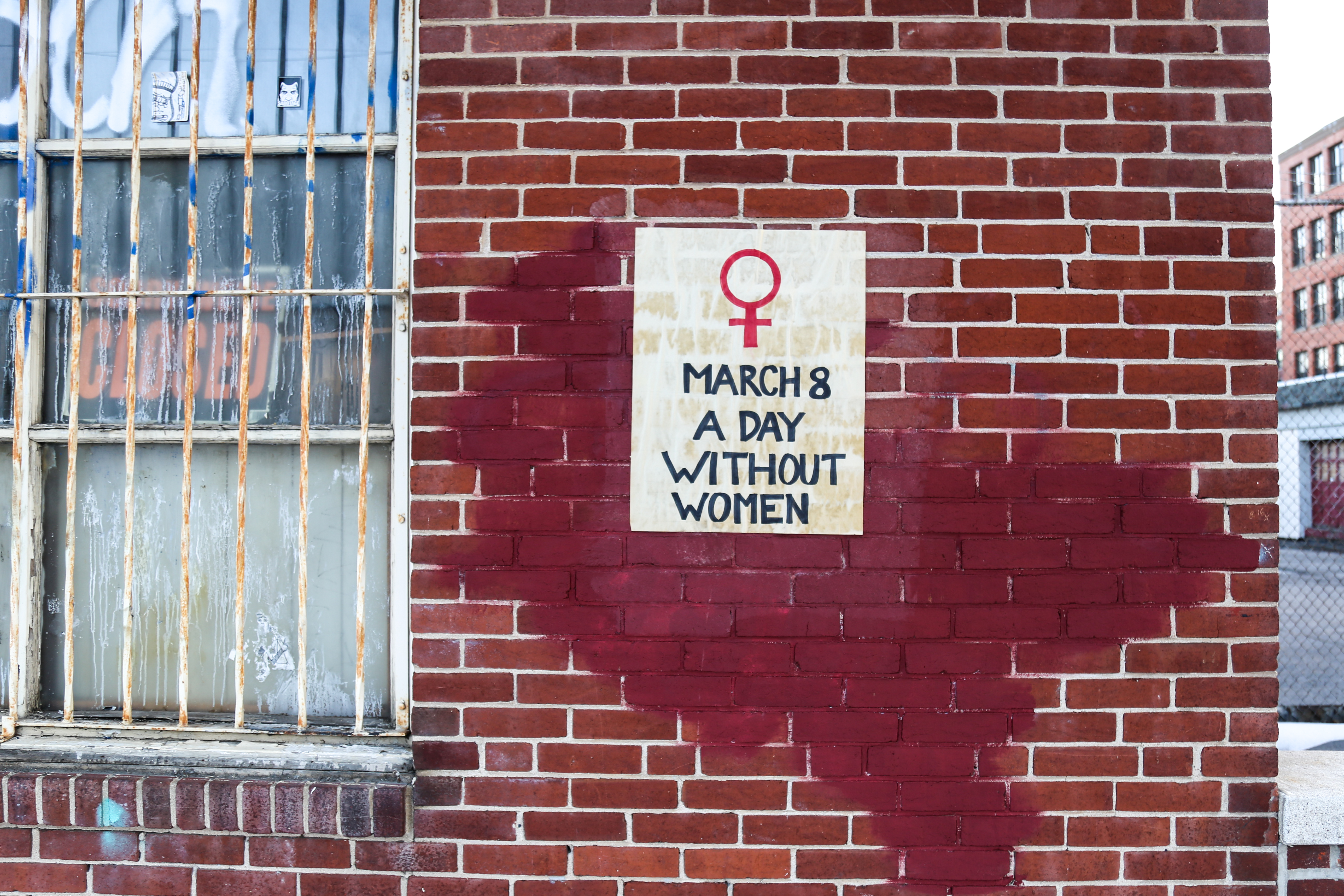
"A Day Without Women"—often realized as "A Day Without a Woman"—is a global strike movement designed to demonstrate the critical economic, social, and cultural contributions of women to society. By withdrawing paid and unpaid labor, abstaining from purchasing, and wearing red in solidarity, participants highlight systemic inequalities, demand reproductive justice and equal pay, and inspire long-term policy reform.
Historical Precedents: How Women’s Strikes Reshaped Society
The concept of a general strike by women is rooted in a rich history of labor and civil rights activism. Rather than serving as a singular event, modern manifestations draw directly from historical demonstrations that proved how rapidly society halts when women withhold their labor.
The 1975 Icelandic Women's Strike (Kvennafrídagurinn)
On October 24, 1975, an estimated 90 percent of women in Iceland took a day off from work and household duties to demonstrate their indispensable role in the nation’s economy and domestic life. Known as the "Women's Day Off," the strike paralyzed key services, newspapers, and school systems, while fathers were forced to take children to work. The movement yielded rapid results: in 1976, the Icelandic Parliament passed a law guaranteeing equal rights, and five years later, Iceland elected Vigdís Finnbogadóttir, the world's first democratically elected female president.
Poland’s "Black Monday" (2016)
On October 3, 2016, approximately 100,000 Polish women participated in "Black Monday" (Strajk Kobiet), refusing to attend work or university and dressing in black to protest severe legislative restrictions on reproductive rights. The widespread economic and public interruption forced government officials to reject the proposed total ban on abortion in a subsequent parliamentary vote, demonstrating the power of coordinated civil resistance.
The Global "Day Without a Woman" (2017)
Coordinated by the organizers of the Women’s March alongside the International Women's Strike platform on March 8, 2017 (International Women’s Day), the global action mobilized participants across more than 50 countries. The strike urged women to take the day off from formal employment and informal care work, avoid spending money at commercial businesses (except women- and minority-owned businesses), and wear red as a visible symbol of economic unity. School districts in several U.S. states were forced to close due to high staff absences, underscoring the vital reliance on female labor in education and care industries.
The Mechanics of "A Day Without Women": Economic and Social Impact
The primary objective of a strike action framed around imagining a day without women is to make the invisible visible. Economies across the world rely heavily on both recognized labor forces and uncompensated care economies.
Making Unpaid Care Work Visible
According to data from global economic institutions, women perform a disproportionate share of unpaid care work, including childcare, eldercare, domestic labor, and emotional management within households. By temporarily withdrawing this uncompensated effort, strike movements demonstrate that formal economic output cannot function without the foundational support of domestic labor.
Total Economic Contribution = Formal Paid Labor + Unpaid Domestic & Care Economy
When unpaid domestic labor is removed, the formal economy experiences direct disruption, proving that household work is essential economic infrastructure rather than merely personal routine.
Quantifying the Paid Labor Disruption
Women constitute a vital segment of key global sectors, particularly health care, primary education, hospitality, service industries, and corporate administration. A synchronized absence of female workers highlights operational vulnerabilities in sectors where wage disparities, occupational segregation, and lack of family support policies persist.
Leveraging Consumer Power
Beyond labor strikes, economic actions often include purchasing boycotts. By advising supporters to pause commercial transactions—or to redirect capital exclusively to small, female-owned, or minority-owned enterprises—these initiatives demonstrate the collective buying power of women and prompt corporate entities to reflect on gender representation within their leadership and supply chains.
Key Pillars of Gender Equality Advocacy
Movements centered on "A Day Without Women" synthesize multiple structural demands into a cohesive campaign for legislative, workplace, and cultural transformation.
- Equal Pay and Wage Transparency: Elimination of gender pay gaps through mandatory corporate wage auditing, transparent compensation bands, and robust protections against salary discrimination.
- Reproductive Freedom and Health Equity: Universal access to comprehensive reproductive health care, maternal health support, and bodily autonomy guaranteed by law.
- Protection Against Gender-Based Violence: Enactment and rigorous enforcement of legislation targeting sexual harassment in the workplace, domestic abuse, and systemic violence against women and non-binary individuals.
- Labor Rights and Care Infrastructure: Federal or state-mandated paid family leave, universal early childhood education, flexible working conditions, and living wages for care workers.
Comparison of Major Historical Women's Strikes
The table below outlines key historical women's strike actions, detailing their scope, primary mechanisms, and long-term legal or social outcomes.
| Event & Location | Year | Primary Mechanism | Core Demands | Key Outcome / Impact |
|---|---|---|---|---|
| Icelandic Women's Strike (Iceland) | 1975 | 1-day labor and domestic strike (90% participation) | Equal rights, equal pay, recognition of domestic labor | Passed 1976 Gender Equality Act; elected world's first female president in 1980 |
| Polish Black Monday (Poland) | 2016 | Mass walkout, street protests, public service strike | Rejection of restrictive reproductive legislation | Parliament voted down proposed total abortion ban |
| A Day Without a Woman (Global / US) | 2017 | Paid/unpaid labor withdrawal, red attire, consumer boycott | Equal pay, reproductive rights, labor protections | Forced school closures, elevated global visibility on pay gaps |
| Un Día Sin Nosotras (Mexico) | 2020 | Total absence from public life, work, and commercial activity | Ending femicide and systemic gender-based violence | Catalyst for national policy debates on public safety and labor protection |
How Organizations Implement the "Imagine and Inspire Change" Framework
Translating the energy of a one-day strike into sustained, systemic reform requires structured action across corporate, legislative, and community organizations.
Corporate Policy Audits
Businesses seeking to honor the principles of gender equity move beyond symbolic gestures by conducting rigorous internal reviews:
- Pay Equity Audits: Conducting independent, annual compensation reviews across job tiers to identify and correct gender- and race-based wage disparities.
- Family Leave Policies: Offering gender-neutral, fully paid parental leave to equalize caregiving responsibilities between parents.
- Workplace Safety & Reporting: Implementing transparent mechanisms to report, investigate, and address workplace harassment or discrimination without fear of retaliation.
Civic Engagement and Policy Reform
Activist groups and community organizations utilize strike actions as launchpads for sustained legislative lobbying. Key strategies include drafting model legislation, organizing voter registration drives focused on gender equity candidates, and publishing annual scorecards detailing how elected officials vote on relevant labor and healthcare bills.
Practical Ways to Promote Gender Equity in Workplaces and Communities
Individuals and leaders can apply the core concepts of "A Day Without Women" into actionable, everyday practices:
- Conduct an Internal Workload Review: Assess the distribution of uncompensated administrative or domestic tasks in both office environments (e.g., event planning, note-taking) and households to ensure fair assignment.
- Support Female-Owned Enterprises: Purposefully allocate personal and corporate procurement budgets toward certified women-owned business enterprises (WBEs).
- Advocate for Wage Transparency: Normalize open discussions regarding salary expectations and support policies that require employers to publish pay ranges on job listings.
- Champion Mentorship and Sponsorship: Establish formal mentorship programs that actively assist female professionals in advancing into executive leadership and board positions.
Frequently Asked Questions
What was the main purpose of "A Day Without Women"?
The primary purpose was to highlight the indispensable economic, social, and cultural contributions of women. By withholding paid labor, domestic work, and financial spending, participants demonstrated how basic societal functions rely on women's active participation.
When did the official "A Day Without a Woman" event take place?
The global event organized by the Women’s March initiative took place on March 8, 2017, coinciding with International Women’s Day. However, similar strikes—such as Iceland's 1975 strike and Mexico's 2020 Un Día Sin Nosotras—occurred on dates specific to national movements.
How can men support actions modeled after "A Day Without Women"?
Men can support gender equity movements by taking on additional caregiving and domestic duties to enable female participation, advocating for equitable workplace policies, supporting women-led businesses, and speaking out against gender discrimination in professional and personal environments.
What are the main economic impacts of a women's general strike?
A coordinated strike directly affects economic output by reducing labor supply in key service, education, and healthcare sectors, while simultaneously exposing the uncounted monetary value of unpaid household care work and reducing short-term commercial consumer spending.
How do organizations measure progress in workplace gender equity?
Progress is measured through quantifiable metrics such as adjusted and unadjusted gender pay gap ratios, representation rates of women in executive leadership and board roles, promotion frequency, retention rates after parental leave, and regular workplace climate surveys.
Strategic Actions for Sustained Gender Equity
To translate the vision of "A Day Without Women" into permanent operational and cultural progress, stakeholders across public and private sectors must focus on measurable, structural changes rather than temporary observances.
Organizations should prioritize establishing clear baseline metrics for hiring, retention, and executive compensation transparency. Concurrently, civic organizations must continue leveraging public campaigns to demand federal protections for flexible working rights, affordable childcare, and comprehensive reproductive health access. By embedding equity principles into corporate governance and public policy, communities ensure that the indispensable value of women is recognized continuously rather than highlighted only during moments of crisis or strike.