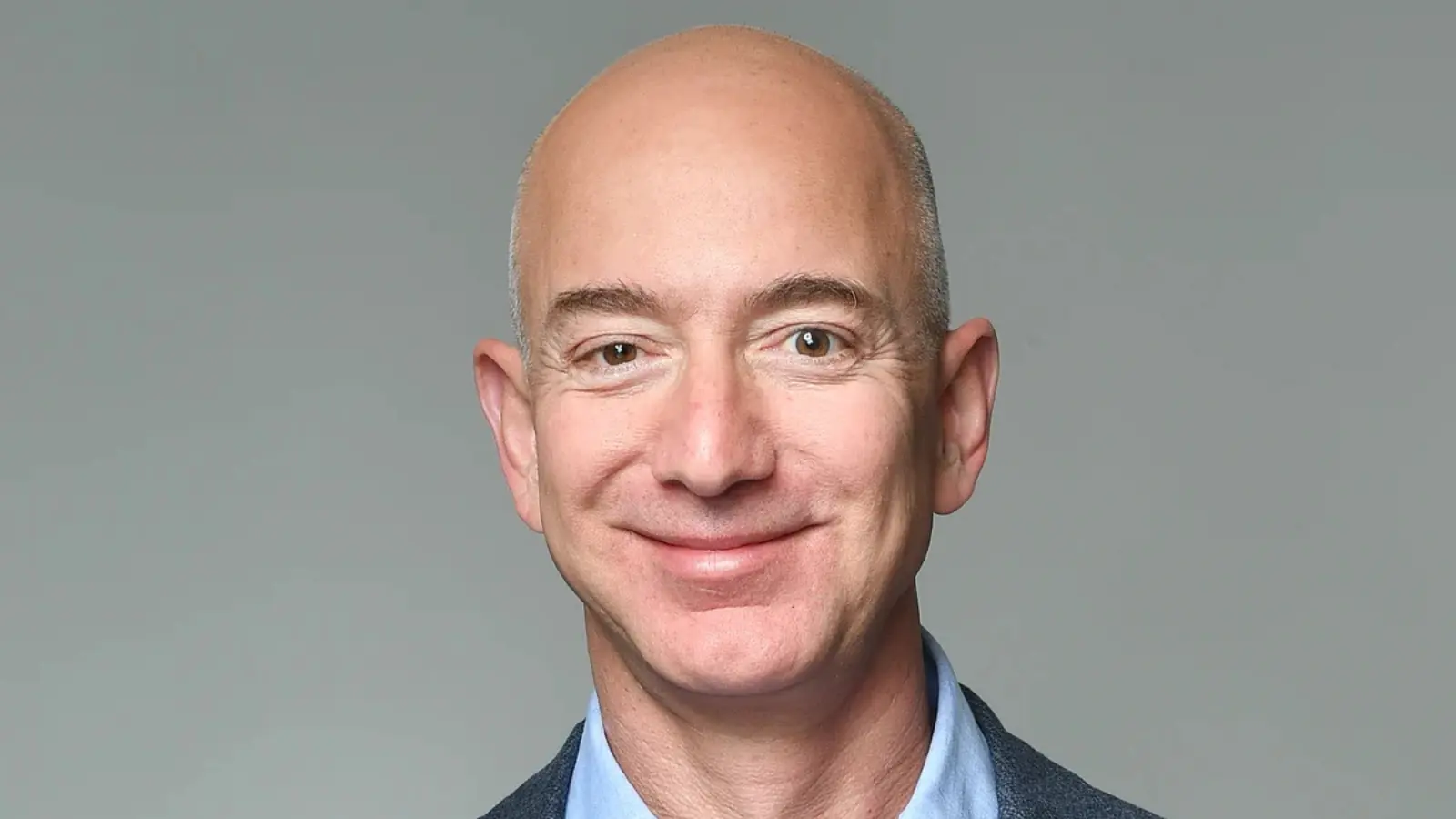
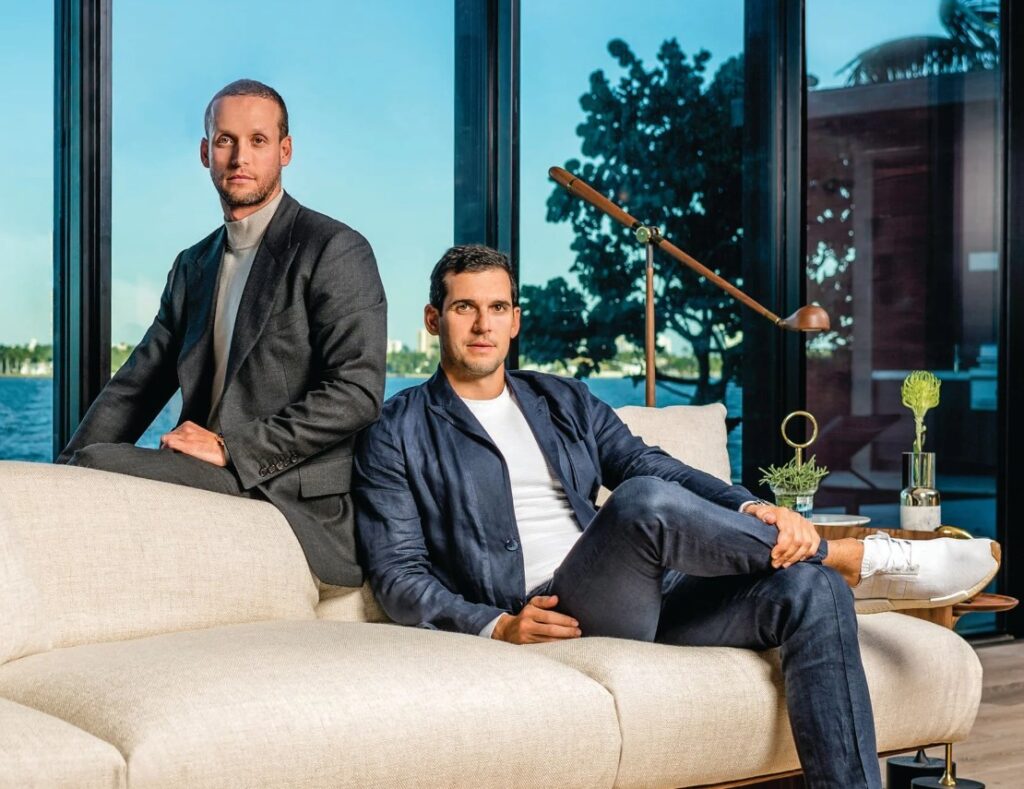
David Edelstein’s net worth in 2026 is estimated to be between $150 million and $450 million, primarily derived from his role as the founder and president of Tristar Capital. His wealth is anchored in high-value commercial real estate, specifically luxury hospitality assets like the W South Beach and prime retail corridors in Miami, New York, and Las Vegas.
While public figures in private equity real estate rarely disclose exact personal liquid assets, Edelstein’s financial standing is supported by a multi-billion dollar transaction history. As of 2026, his portfolio reflects a strategic shift toward high-yield luxury hospitality and "trophy" retail locations that have historically outperformed broader market volatility. To understand the depth of his wealth profile, one must examine the specific assets and the aggressive acquisition strategies that define Tristar Capital.
The Architect of Tristar Capital: Professional Background
David Edelstein began his career in the 1980s and 1990s, initially focusing on the transformation of Manhattan’s real estate landscape. His early success was rooted in identifying undervalued neighborhoods before they reached peak gentrification. By founding Tristar Capital, Edelstein created a vehicle that allowed for institutional-scale investment while maintaining the agility of a private developer.
His trajectory shifted significantly in the late 1990s when he recognized the untapped potential of South Beach, Miami. At the time, the area was transitioning from a faded Art Deco district into a global luxury destination. Edelstein’s ability to secure prime oceanfront land and attract high-end brands became the hallmark of his career. Unlike developers who focus on high-volume residential condos, Edelstein’s wealth is built on long-term commercial holds and strategic "flipping" of entire retail blocks to institutional buyers.
In 2026, his professional reputation remains that of a "market maker." He is frequently cited for his ability to assemble complex land parcels, a skill that requires significant capital reserves and deep relationships with municipal planning boards. This background is essential to his wealth profile because it highlights that his net worth is not just a collection of buildings, but a result of successful entitlement processes and asset repositioning.
Key Assets and Portfolio Highlights
The valuation of David Edelstein’s wealth is inextricably linked to the performance of specific flagship properties. His portfolio is concentrated in three primary markets: Miami Beach, New York City, and Las Vegas.
The Miami Influence: W South Beach and Lincoln Road
The W South Beach is arguably the most significant contributor to Edelstein’s financial profile. Developed in partnership with RFR Holding (Aby Rosen), the hotel has consistently ranked as one of the highest-grossing hospitality properties in the United States. Following a massive $30 million renovation completed in the early 2020s, the property remains a dominant force in the 2026 luxury market. Edelstein’s stake in this asset provides a steady stream of cash flow from both room revenue and high-end food and beverage outlets.
Beyond hospitality, Edelstein was a pioneer on Lincoln Road. In 2015, he made headlines by selling a massive portfolio of retail space on Lincoln Road to Amancio Ortega (the founder of Zara) for $370 million. This single transaction provided immense liquidity and solidified his reputation for identifying the "apex" of retail valuation. Even after such sales, he has maintained a presence in the area, continuing to trade and manage smaller, high-yield retail parcels.
New York Roots: Meatpacking and SoHo
Despite his heavy focus on Florida, Edelstein maintains a robust presence in New York City. His wealth profile includes interests in the Meatpacking District and SoHo, two of the most expensive retail environments in the world.
His strategy in New York often involves partnering with other high-net-worth developers to acquire corner properties that attract flagship luxury brands. These assets are characterized by extremely low vacancy rates and high rent-per-square-foot metrics. In 2026, these NYC holdings act as a hedge against the more cyclical nature of the Miami hospitality market, providing a diversified base for his overall net worth.
Estimating David Edelstein’s Net Worth in 2026
Calculating the exact net worth of a private real estate mogul involves analyzing three distinct buckets: equity in current holdings, historical liquidity events (sales), and management fees generated through Tristar Capital.
- Equity Positions: Edelstein typically retains significant equity in his projects, even when bringing in institutional partners. As of 2026, the estimated value of his share in the W South Beach and the Miracle Mile Shops in Las Vegas accounts for a substantial portion of his wealth.
- Historical Divestments: The 2015 Lincoln Road sale ($370 million) and various NYC divestments have provided a capital base that, if reinvested at standard market rates, would grow significantly over a decade.
- Debt and Leverage: It is important to note that commercial real estate is a debt-heavy industry. While Tristar handles billions in transactions, the "net" worth is the value of those assets minus the outstanding mortgages and construction loans.
Given the appreciation of luxury real estate between 2020 and 2026, Edelstein has likely seen a 15-25% increase in his paper wealth. However, market experts suggest that his strategy of holding "trophy" assets means he is more concerned with long-term capital appreciation than immediate liquidity.
Business Strategy and Partnership Dynamics
A critical component of Edelstein’s wealth profile is his reliance on strategic partnerships. He rarely operates in a vacuum, often collaborating with other titans of industry such as Aby Rosen of RFR or the Related Companies.
This "co-investment" model allows Edelstein to:
- Scale Projects: By pooling capital, he can take on $500 million+ developments that might be too risky for a single private office.
- Mitigate Risk: Spreading equity across multiple partners protects his personal balance sheet from specific project failures.
- Access Institutional Debt: Lenders are more likely to offer favorable terms to a consortium of proven developers than to a single individual.
In 2026, Edelstein’s business model has evolved to include more "lifestyle" integration. He doesn't just buy buildings; he curates the tenants—mixing high-fashion retail with celebrity-chef-driven restaurants. This "placemaking" strategy increases the underlying land value far beyond the standard capitalization rates of the surrounding area.
Comparative View of Major Tristar Capital Projects
The following table summarizes the key properties associated with David Edelstein and Tristar Capital that contribute to his 2026 wealth profile.
| Property Name | Location | Primary Asset Type | Status/Note |
|---|---|---|---|
| W South Beach | Miami Beach, FL | Luxury Hotel/Condo | Core holding; major revenue driver. |
| Miracle Mile Shops | Las Vegas, NV | Retail/Entertainment | Partnership hold; high foot traffic. |
| Lincoln Road Portfolio | Miami Beach, FL | Prime Retail | Large portion sold in 2015 for $370M. |
| 400 Lafayette St | New York, NY | Mixed-Use/Retail | Example of SoHo/NoHo tactical hold. |
| 95-111 Ninth Ave | New York, NY | Commercial/Retail | Meatpacking District flagship asset. |
Note: Valuations of these assets are subject to market cap rates and internal debt structures as of early 2026.
Market Trends and Future Outlook for Tristar Holdings
As we look through the lens of 2026, Edelstein’s wealth is positioned within a specific niche of the real estate market: the ultra-luxury segment. While the middle-market retail and office sectors have faced significant headwinds due to remote work and e-commerce, high-street retail (like Lincoln Road) and luxury hospitality (like the W) have remained resilient.
The future of Edelstein’s wealth profile likely depends on his ability to navigate the shifting interest rate environment. His recent moves suggest a focus on "amenitized" real estate—properties that offer experiences rather than just square footage. This includes integrating wellness centers, private clubs, and exclusive digital-physical shopping experiences into his existing portfolios.
Furthermore, Edelstein has shown interest in emerging markets outside of the traditional NYC-Miami axis, though his core wealth remains rooted in these established powerhouses. His strategy for 2026 and beyond appears to be "quality over quantity," focusing on maintaining the dominance of his existing trophy assets while waiting for distressed opportunities in the broader commercial market.
Frequently Asked Questions
What is David Edelstein's most profitable real estate deal?
His sale of an entire block of Lincoln Road retail space in Miami Beach for $370 million in 2015 is widely considered one of his most successful liquidity events. This deal set a record for the area at the time and provided the capital necessary for subsequent high-stakes acquisitions.
How does Tristar Capital generate wealth?
Tristar Capital generates wealth through a combination of asset appreciation, rental income from high-end commercial tenants, and management fees. The firm specializes in identifying undervalued urban locations and repositioning them as luxury hubs, which significantly increases the "exit value" of the properties.
Does David Edelstein own the W South Beach?
David Edelstein, through Tristar Capital, is the principal owner and developer of the W South Beach, often in partnership with RFR Holding. He has been instrumental in its development from the ground up and its continued management as a premier luxury destination.
Is David Edelstein involved in residential real estate?
While his primary focus is commercial and hospitality, many of his projects, such as the W South Beach, include a residential component (condo-hotel units). However, he typically approaches these from a developer’s perspective—selling the units to generate immediate capital while retaining the commercial and hospitality management rights.
How has the 2026 economy affected his net worth?
In 2026, the stabilization of interest rates and the continued demand for luxury travel have bolstered Edelstein’s net worth. High-net-worth individuals continue to frequent his properties, ensuring that his hospitality and retail assets maintain high valuations despite broader economic shifts in the tech or manufacturing sectors.
Understanding the Tristar Investment Model
For those looking to understand the mechanics of David Edelstein’s wealth, the most important takeaway is his commitment to geographic concentration. Rather than diversifying across dozens of cities, he dominates specific corridors. This allows for an economy of scale in property management and a deep understanding of local zoning and consumer behavior.
Investors and observers should monitor Tristar Capital’s activity in "secondary-prime" markets. As 2026 progresses, the key indicator of Edelstein’s financial health will be his ability to maintain high occupancy rates in his retail portfolios and the successful execution of any new "ground-up" developments in the Miami area. His wealth profile serves as a blueprint for how focused, high-leverage investing in luxury niches can create long-term financial stability in the volatile world of commercial real estate.