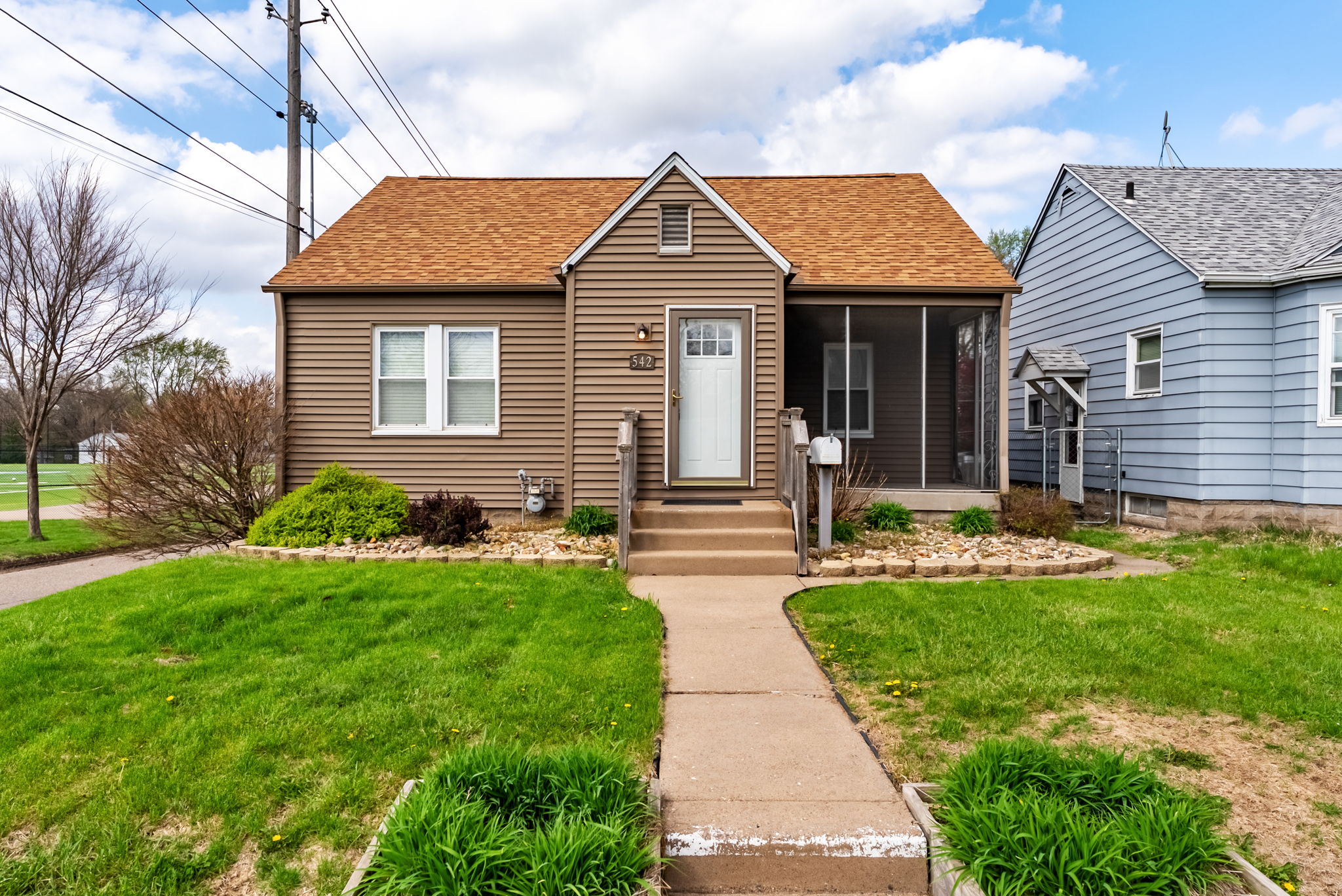
Navigating the Davenport, Iowa real estate market in 2026 requires a firm grasp of local economic drivers, neighborhood micro-markets, and inventory trends unique to the Quad Cities region. As the largest city in the Davenport-Moline-Rock Island metropolitan statistical area, Davenport presents a dynamic housing landscape defined by historic architectural preservation, suburban expansion, and strong relative affordability compared to national medians. Whether you are looking to purchase a historic craftsman near Vander Veer Botanical Park or a modern build in the North Scott school district, understanding the local fundamentals ensures a successful transaction.
Economic Drivers and Housing Market Fundamentals in Davenport
The structural health of Davenport's real estate market is anchored by a diversified regional economy featuring advanced manufacturing, logistics, healthcare, and education. Major employers including Genesis Health System, John Deere, and the Rock Island Arsenal provide a stable base of middle-to-upper-income employment, sustaining consistent housing demand.
Inventory levels have experienced modest seasonal fluctuations entering 2026. While mortgage rates have stabilized from their historical peaks, homeowners with low legacy interest rates continue to exhibit a degree of lock-in effect, keeping overall active inventory relatively tight. Consequently, well-priced single-family homes in desirable school districts often experience competitive multi-offer scenarios, whereas properties requiring significant deferred maintenance linger longer on the MLS.
Property taxes represent a critical calculation for any buyer evaluating Davenport real estate. Scott County property tax assessments are managed locally, and millage rates reflect municipal investments in infrastructure, public safety, and park maintenance. Buyers must analyze specific parcel assessments rather than relying on generalized regional estimates, as historical districts and downtown revitalization zones may carry distinct tax considerations or improvement districts.
Neighborhood Profiles Across the Quad Cities
Davenport offers a remarkably diverse tapestry of neighborhoods, each catering to different lifestyle preferences and budgetary parameters. Identifying the right pocket depends on your priorities regarding walkability, architectural character, school districts, and commute times.
- Gold Coast and Cork Hill Historic Districts: Dominated by late 19th and early 20th-century Victorians, Tudors, and Craftsman bungalows. These areas appeal to preservation enthusiasts and feature mature tree-lined streets, intricate woodwork, and proximity to downtown cultural amenities.
- The Village of East Davenport: Known for its boutique shopping, local dining, and scenic river views along the Mississippi. Housing here ranges from historic cottages to contemporary river-view properties, offering a vibrant, pedestrian-friendly community vibe.
- North Davenport (Emeis and Brady Street corridors): Characterized by mid-century ranch homes, split-levels, and newer subdivision developments stretching toward the Interstate 80 corridor. These neighborhoods are highly sought after for their proximity to modern retail centers, medical facilities, and access to the Davenport Community School District or North Scott boundaries.
- West Davenport: Offers a mix of industrial heritage, affordable starter homes, and steady residential expansion. This sector provides exceptional value for first-time home buyers seeking square footage at a lower cost per square foot.
Comparing Davenport Housing Sectors
| Neighborhood Profile | Median Price Range (2026) | Architectural Style | Primary Buyer Demographic | Key Advantage |
|---|---|---|---|---|
| Historic Gold Coast | $250,000 - $450,000+ | Victorian, Craftsman, Tudor | Preservationists, Professionals | Architectural character, close to downtown |
| Village of East Davenport | $200,000 - $380,000 | Cottage, Colonial, Modern | Young Professionals, Empty Nesters | Walkability, river proximity, local culture |
| North Davenport Suburbs | $275,000 - $550,000 | Ranch, Split-Level, New Build | Growing Families, Relocating Executives | Modern amenities, newer builds, garage space |
| West Davenport Value Zone | $130,000 - $220,000 | Cape Cod, Traditional Ranch | First-Time Buyers, Investors | Affordability, high cap-rate potential |
Step-by-Step Guide to Buying or Selling Property in Davenport
Executing a real estate transaction in Scott County requires adherence to Iowa real estate law, which utilizes distinct disclosure protocols and closing procedures. Whether entering the market as a buyer or a seller, following a structured methodology minimizes risk and optimizes financial outcomes.
Important Legal Note for Iowa Transactions: Iowa is an attorney-abstract state. This means abstract of title updates and formal attorney title opinions are standard practice during closings, differing from the title insurance-heavy models utilized in many other states. Buyers should budget time and nominal fees for legal title review.
The Buyer Action Framework
- Mortgage Pre-Approval: Secure financing with a local lender familiar with Scott County property values and closing customs. Local lenders often provide stronger credibility with listing agents than remote national call centers.
- Needs and Location Assessment: Define non-negotiables such as school districts, flood plain status (critical given Davenport's proximity to the Mississippi River), and commute tolerances.
- Active Property Tours: Partner with a licensed Iowa real estate agent to tour properties, evaluating structural integrity, mechanical systems (HVAC, roof age, electrical panels), and neighborhood comps.
- Offer and Negotiation: Draft a purchase agreement incorporating standard Iowa Association of Realtors contingencies regarding home inspections, radon testing, and pest evaluations.
- Title Search and Closing: Complete the abstract continuation process, conduct a final walk-through, and execute closing documentation at a local title company or attorney's office.
The Seller Preparation Protocol
- Pre-Listing Inspection: Identify and remediate hidden defects—such as basement moisture or outdated electrical wiring—before listing to prevent escrow delays.
- Strategic Pricing Analysis: Utilize hyper-local comparable market analysis (CMA) data from the Ruhl&Ruhl, Mel Foster Co., or regional MLS feeds to price competitively for the 2026 market.
- Staging and Visual Marketing: Invest in professional high-definition photography, drone footage, and targeted digital staging to capture online buyer attention.
- Mandatory Disclosures: Complete the Iowa Seller Property Condition Disclosure form accurately to maintain legal compliance and build buyer trust.
- Negotiation and Settlement: Review offers based on net proceeds, buyer financing strength, and closing timelines.
Pros and Cons of Investing or Living in Davenport Real Estate
Evaluating the regional market requires an objective view of both structural advantages and potential challenges.
- Pros:
- High Affordability Index: Housing costs remain significantly below the national median, allowing buyers to purchase larger lots and more square footage.
- Economic Resilience: A balanced mix of manufacturing, healthcare, and education insulates the local economy from severe national shocks.
- Quality of Life: Access to extensive park systems, the Mississippi River trail network, and a thriving local arts community.
- Cons:
- Tax Burdens: Iowa's property tax rates are relatively high compared to some neighboring states, requiring careful budget calculations for long-term ownership.
- Weather Extremes: Mid-Western climate cycles require ongoing maintenance for roofing, foundations, and landscaping.
- Inventory Constraints: Desirable suburban pockets and historic homes frequently experience limited inventory, driving competitive bidding.
Frequently Asked Questions About Davenport Iowa Real Estate
What is the current state of the Davenport housing market in 2026?
The Davenport housing market in 2026 is characterized by stable demand, steady price appreciation, and competitive conditions for well-maintained single-family homes in popular school districts. While inventory remains somewhat constrained by low historical mortgage rates among existing homeowners, steady local employment keeps transaction volumes healthy.
Are there flood zone considerations when buying real estate in Davenport?
Yes, properties situated in close proximity to the Mississippi River or major local creeks may lie within designated flood zones requiring mandatory flood insurance. Buyers must review FEMA flood maps and request historical elevation certificates during the due diligence period.
How do property taxes work in Scott County, Iowa?
Scott County property taxes are assessed locally based on the estimated market value of the property multiplied by the consolidated millage rate for the specific taxing district. Homeowners can apply for the Iowa homestead tax credit to reduce their taxable assessment liability.
Is Davenport a good market for real estate investors?
Davenport offers attractive cap rates and positive cash-flow opportunities for rental property investors due to lower acquisition costs and strong rental demand. Multi-family properties and single-family rentals near major medical hubs and universities perform consistently well.
What is an abstract of title in Iowa real estate transactions?
An abstract of title is a complete historical record of all public notices, deeds, mortgages, and liens affecting a specific piece of real estate in Iowa. Unlike standard title insurance policies prevalent in other states, Iowa real estate practice relies heavily on attorney examination of this continuous abstract.
How can I find a qualified real estate agent in Davenport?
Look for licensed agents who hold designations such as Accredited Buyer's Representative (ABR) or Certified Residential Specialist (CRS) with deep, verifiable track records in the Quad Cities regional multiple listing service (MLS).
Securing Your Next Property Move
Navigating the complexities of the Davenport, Iowa real estate market requires localized market intelligence, strategic financial planning, and expert legal navigation. Whether you are ready to list your historic property or submit a competitive offer on a suburban family home, partnering with an experienced Quad Cities real estate professional ensures your interests are protected at every stage of the transaction. Connect with a trusted local advisor today to begin evaluating current listings and mapping out your real estate strategy for 2026.