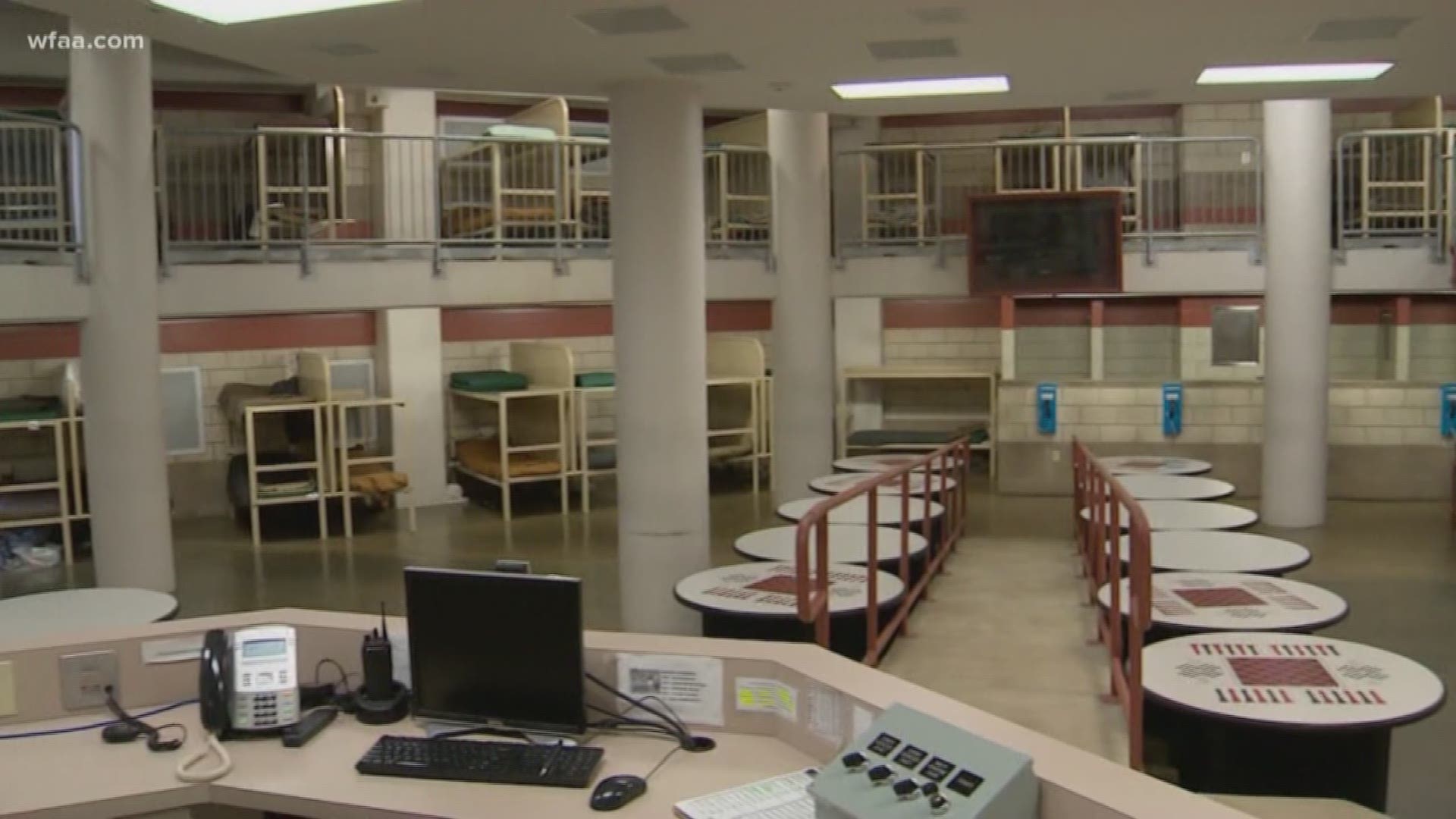
Navigating the criminal justice system in Dallas County requires precise data, an understanding of jurisdictional boundaries, and access to official channels. Whether you are conducting a legal lookup, attempting to locate an arrested family member, or verifying bail conditions, the Dallas Texas jail inmate search framework relies on specific municipal and county databases. As of 2026, technological updates have streamlined how citizens query local detention facilities, though distinguishing between city holding pens and county correctional centers remains critical for accurate tracking.
Understanding the Dallas County Detention Infrastructure
The Dallas County jail system operates distinct facilities that manage different stages of the booking, arraignment, and sentencing lifecycle. A common pitfall for searchers is confusing the Dallas City detention facilities with the main county jail infrastructure operated by the Dallas County Sheriff's Department.
When an individual is arrested within Dallas city limits by the Dallas Police Department, they typically undergo initial processing at a city holding facility before being transferred to the main Dallas County jail complex. Knowing the exact physical location of the subject dictates which database you must query to secure timely and accurate tracking information.
Operational Jurisdiction Note Dallas County Sheriff's Department manages the primary long-term detention centers, while municipal police departments handle short-term holding and initial booking procedures before transfer occurs.
Key Facilities Managed Within the County Network
- Dallas County Jail (Lew Sterrett Justice Center): Located near downtown Dallas at 700 Abrams Rd / 111 W. Commerce St., this is the primary intake and housing facility for felony and higher-level misdemeanor arrests.
- Dallas Municipal Holding Facility: Managed by the city, holding individuals awaiting initial appearance before a magistrate judge for low-level municipal ordinance violations.
- North Texas Regional Facilities: Specialized units utilized for overflow and specific classification tiers under county jurisdiction.
Step-by-Step Procedure for Executing an Inmate Search in Dallas
Locating an inmate in Dallas requires a systematic approach using official municipal or county lookup tools. Relying on third-party aggregator sites often results in outdated or inaccurate records. Follow this structured process to ensure accurate results.
- Identify the Arresting Agency: Determine if the arrest was executed by the Dallas Police Department, a suburban municipality (such as Garland, Irving, or Richardson), or the Dallas County Sheriff.
- Access the Official Dallas County Sheriff's Department Portal: Navigate to the authorized county portal designated for inmate population searches.
- Input Precise Search Parameters: Enter the legal first and last name of the individual. Entering a middle name or date of birth significantly narrows search results, especially when dealing with common names.
- Review Booking Numbers and Charges: Examine the generated search results for the unique Booking Number (sometimes referred to as the SPN or Sheriff's Personal Number), current housing location, listed bond amounts, and scheduled court dates.
- Cross-Reference Municipal Records: If the county portal yields no results and the arrest occurred recently, check the Dallas Police Department arrest query tool, as transfer processing to Lew Sterrett can take anywhere from 12 to 48 hours.
Comparison of Dallas Area Detention Lookup Systems
To help you choose the correct portal for your search, the following comparison details the primary official systems operating in the Dallas region as of 2026.
| System Name | Managing Agency | Primary Use Case | Data Update Frequency | SPN / Booking Number Tracking |
|---|---|---|---|---|
| Dallas County Inmate Lookup | Dallas County Sheriff's Department | Felony and county-level misdemeanor bookings at Lew Sterrett | Real-time / Hourly feeds | Yes (Primary SPN utilized) |
| Dallas Police Arrest Inquiry | Dallas Police Department | Recent municipal arrests and holding facility status | Daily updates | Temporary municipal ID until transfer |
| Texas VINE System | State of Texas / Appriss Insights | Statewide custody tracking and automated release notifications | Real-time event triggers | Yes (Integrated with county systems) |
| Municipal Court Dockets | City of Dallas Judiciary | Active warrants, court appearances, and fine status | Business-day updates | N/A (Uses Case/Cause Numbers) |
Essential Data Points Found in Official Dallas Jail Records
When you successfully locate an inmate record within the Dallas County database, several critical fields will populate. Understanding these technical data points ensures you can interpret the legal status of the individual correctly.
- SPN (Sheriff's Personal Number): A unique identifier assigned by Dallas County that remains tied to an individual across multiple arrests and stays within the system.
- Magistrate Bond Status: Details regarding whether a bond has been set, the monetary amount required for release, and whether conditions such as protective orders or electronic monitoring apply.
- Next Court Appearance: The specific courtroom, date, and time for upcoming judicial proceedings, crucial for legal representation and visitation planning.
- Housing Assignment: Facility name, tower, floor, and cell block location within the Lew Sterrett complex, which dictates visitation eligibility and mail procedures.
Pros and Cons of Using Official Versus Third-Party Search Tools
Evaluating how you gather criminal justice data involves balancing cost, accuracy, and ease of use.
Official County Portals
- Pros: 100% legally accurate data directly from law enforcement sources; free of charge; updated continuously; includes exact bond and court details.
- Cons: User interfaces can occasionally be rigid; requires exact spelling of names; limited historical context beyond current active bookings.
Third-Party Aggregator Sites
- Pros: May aggregate multi-state or multi-county data across a broader historical spectrum.
- Cons: Prone to severe data latency and lag; often charges hidden subscription fees; regularly displays outdated or expunged records; lacks direct integration with Dallas County magistrate updates.
Frequently Asked Questions Regarding Dallas Inmate Searches
How can I find someone arrested in Dallas if they do not appear in the county jail database?
If an individual does not appear in the Dallas County jail database, they may still be undergoing initial booking at a municipal holding facility or have been processed through a suburban city jail. Allow up to 48 hours for transfer documentation to clear into the Lew Sterrett system, or check the arresting municipal police department's specific custody log.
What is an SPN number and why is it needed for a Dallas jail inmate search?
An SPN (Sheriff's Personal Number) is a unique tracking identifier issued by the Dallas County Sheriff's Department to every individual booked into their facilities. Knowing the SPN allows family members, legal counsel, and bail bondsmen to track the exact file, housing assignment, and bond status across multiple entries.
Can I set up automated notifications if a Dallas inmate is released?
Yes, you can register through the statewide Texas VINE (Victim Information and Notification Everyday) service to receive automated phone or email alerts regarding changes in custody status, transfers, or releases from Dallas County facilities.
What are the visitation rules for inmates housed in the Dallas County jail?
Visitation guidelines at the Lew Sterrett Justice Center require prior registration, scheduling in advance, and adherence to strict dress codes and identification requirements. Most visits are conducted via video terminal either on-site or remotely through approved telecommunication vendors.
How do I pay a bond for someone detained in Dallas County?
Bonds can be posted directly through the Dallas County Sheriff's Department bonding office located at the jail facility, or by utilizing a licensed private bail bond surety operating within Dallas County. Acceptable payment methods for direct cash bonds include cashier's checks and certified funds as specified by county financial policies.
To initiate an official lookup, verify records directly through the Dallas County Sheriff's Department public inmate search portal or contact the Lew Sterrett Justice Center administrative lines to confirm active custody details before planning visits or legal filings.