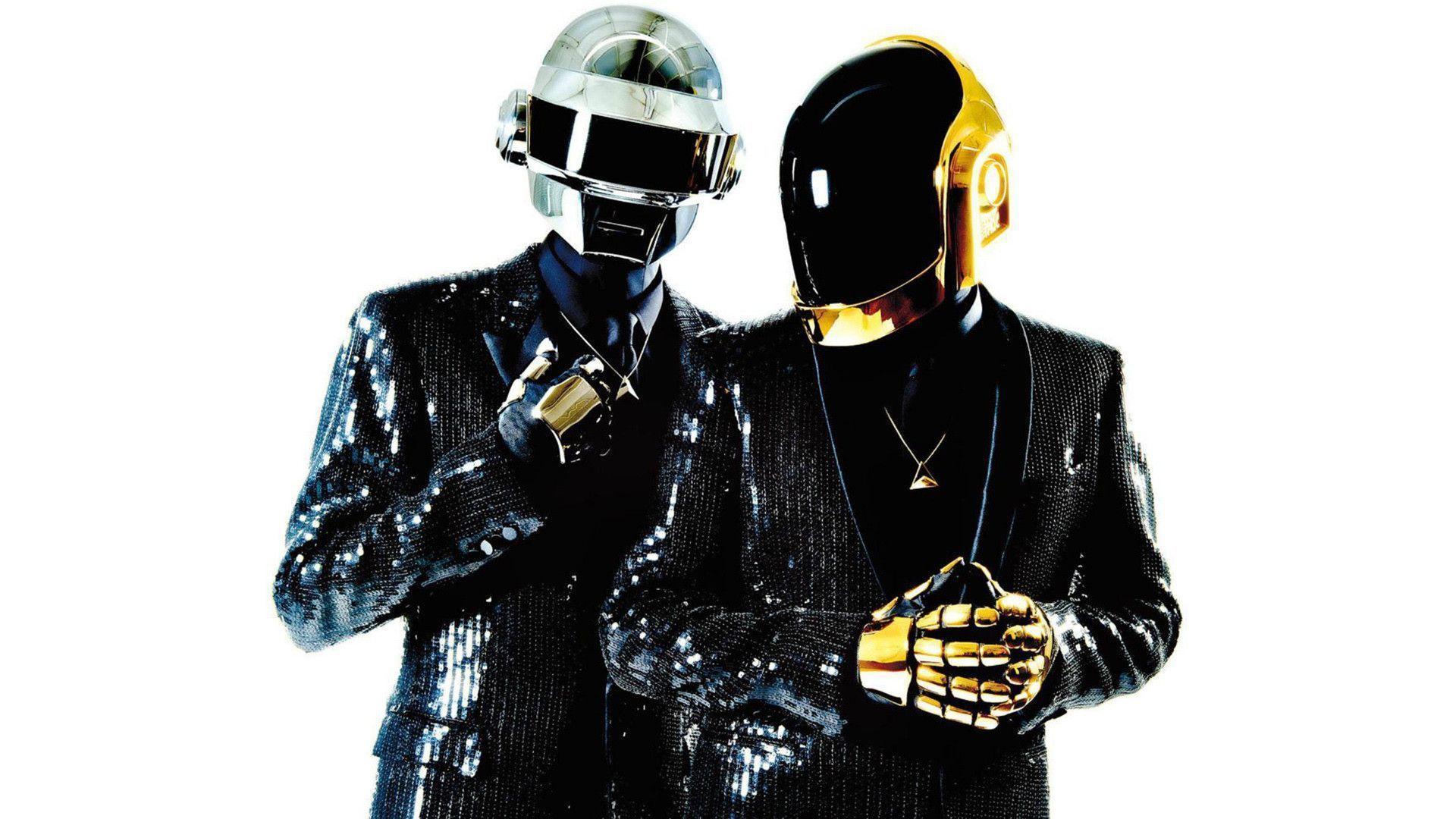
Daft Punk was an influential French electronic music duo consisting of Thomas Bangalter and Guy-Manuel de Homem-Christo. Active from 1993 until their official retirement in 2021, they redefined house music, popularized the "French Touch" genre, and influenced global pop culture through their iconic robot personas and high-concept live performances.
The Early Years: From Darlin’ to the Homework Revolution
The story of Daft Punk began not with synthesizers, but with guitars. In the early 1990s, Thomas Bangalter and Guy-Manuel de Homem-Christo formed a short-lived indie rock band called Darlin’ with Laurent Brancowitz (who later joined Phoenix). A negative review in the British magazine Melody Maker famously described their music as "daft punky thrash." Rather than taking offense, the duo found their name and shifted their focus toward the burgeoning underground rave scene in Paris.
In 1997, they released their debut album, Homework, through Virgin Records. This record was a seismic shift in the electronic music landscape. It brought the underground sounds of Chicago house and Detroit techno into the mainstream, filtered through a distinctly European lens. Unlike the polished production of the late 2020s, Homework was characterized by its raw, "garage" aesthetic. The duo famously recorded most of the album in Bangalter's bedroom using a modest collection of hardware, including the Roland TR-909 drum machine, the TB-303 bass synthesizer, and the Juno-106.
The technical brilliance of Homework lay in its use of side-chain compression—a technique that creates a "pumping" effect by ducking the volume of melodic elements whenever the kick drum hits. This became the sonic signature of the "French Touch" movement. Tracks like "Da Funk" and "Around the World" showcased their ability to blend repetitive, hypnotic hooks with sophisticated rhythmic structures, proving that house music could be both commercially viable and artistically experimental.
Redefining Identity: The Discovery Era and the Robot Personas
As the new millennium approached, Daft Punk underwent a profound transformation. With the release of Discovery in 2001, the duo moved away from the raw club sounds of their debut toward a more melodic, synth-pop, and disco-inspired aesthetic. This era also marked the birth of the "Robots." To maintain their privacy and shift the focus entirely onto the music, Bangalter and de Homem-Christo adopted custom-designed helmets and suits that became their permanent public faces.
The Discovery era was a masterclass in creative sampling. While Homework used samples as rhythmic textures, Discovery repurposed them as the emotional core of the songs. Tracks like "Digital Love" and "One More Time" utilized filtered samples from 1970s and 80s disco records, recontextualized with modern vocoders and digital processing.
Beyond the audio, the duo collaborated with legendary Japanese animator Leiji Matsumoto to create Interstella 5555: The 5tory of the 5ecret 5tar 5ystem, a feature-length anime film that served as a visual companion to the album. This move solidified Daft Punk as more than just musicians; they were conceptual artists who understood the power of visual storytelling in the digital age. From the perspective of 2026, Discovery remains a quintessential example of how nostalgia can be used to innovate rather than merely imitate.
The Technical Revolution of the Alive 2006/2007 Tour
If Homework defined their sound and Discovery defined their image, the Alive 2006/2007 tour defined their cultural dominance. Before this tour, electronic music performances often lacked the visual spectacle of rock concerts. Daft Punk changed this forever with the introduction of the "Pyramid"—a massive, LED-encrusted structure that housed their equipment and served as the centerpiece of their performance.
The technical setup for the Alive tour was groundbreaking for its time. Inside the pyramid, the duo utilized a series of JazzMutant Lemur controllers—early multi-touch surfaces that predated the widespread use of iPads—to trigger samples and manipulate effects in real-time. They ran custom software in Ableton Live, allowing them to deconstruct their entire discography and mash up tracks like "Television Rules the Nation" with "Crescendolls."
The impact of this tour on the North American music market cannot be overstated. Their 2006 performance at Coachella is widely cited by music historians as the spark that ignited the "EDM explosion" in the United States. It proved that electronic music could headline major festivals and provide a transformative, large-scale experience. The subsequent live album, Alive 2007, won two Grammy Awards and remains a benchmark for live electronic recording quality.
Human After All and the Shift to Analog: Random Access Memories
Following the minimalist and somewhat polarizing Human After All (2005), Daft Punk spent years in silence, working on their magnum opus. In 2013, they released Random Access Memories (RAM), an album that rejected the prevailing trends of digital, computer-produced music in favor of a lavish, analog approach.
For RAM, the duo limited their use of drum machines and samples, instead hiring world-class session musicians and recording in legendary studios like Electric Lady in New York and Capitol Studios in Los Angeles. They collaborated with icons such as Nile Rodgers, Giorgio Moroder, and Pharrell Williams. The production goal was to recreate the warmth and depth of the late 70s and early 80s West Coast recording era.
Technically, RAM was a feat of engineering. The album was recorded onto analog tape and utilized custom-built modular synthesizers alongside orchestral arrangements. The single "Get Lucky" became a global phenomenon, but tracks like "Touch" and "Giorgio by Moroder" demonstrated the duo's commitment to long-form, progressive compositions. The album swept the 2014 Grammy Awards, including Album of the Year, proving that the "Robots" could master the most human elements of music production.
Comparative Overview of Daft Punk’s Studio Discography
The following table outlines the technical and stylistic shifts across the duo's four primary studio albums.
| Album | Year | Primary Aesthetic | Key Technical Elements | Notable Singles |
|---|---|---|---|---|
| Homework | 1997 | Raw House / Techno | TR-909, TB-303, Side-chaining | "Da Funk", "Around the World" |
| Discovery | 2001 | Synth-pop / Disco | Heavy Sampling, Vocoders | "One More Time", "Harder Better Faster Stronger" |
| Human After All | 2005 | Minimalist / Industrial | Guitar Distortion, Fast Production | "Technologic", "Robot Rock" |
| Random Access Memories | 2013 | Analog / Orchestral | Live Instrumentation, Analog Tape | "Get Lucky", "Instant Crush" |
The Epilogue and Legacy in 2026
On February 22, 2021, Daft Punk released a video titled "Epilogue," featuring footage from their film Electroma, which officially announced their breakup. This ended a nearly 30-year partnership that fundamentally altered the course of popular music.
In the years following their retirement, the duo's members have pursued individual interests. Thomas Bangalter pivoted toward orchestral composition, releasing the acclaimed ballet score Mythologies in 2023, while Guy-Manuel de Homem-Christo has remained more enigmatic, contributing production to various high-profile artists. Despite their absence from the stage, their influence remains ubiquitous. From the synth-heavy production of modern pop stars to the visual aesthetics of contemporary stage design, Daft Punk’s fingerprints are everywhere.
As we look back from 2026, the duo is remembered not just for their hits, but for their uncompromising commitment to artistic mystery and quality. They successfully navigated the transition from the analog era to the digital revolution, always staying one step ahead of the curve. Their decision to end the project at its peak preserved the sanctity of their brand, leaving behind a flawless discography that continues to inspire new generations of producers.
Frequently Asked Questions
Why did Daft Punk wear helmets?
The helmets were initially adopted to shift the focus away from the individuals and toward the music and the overall concept. Over time, the robot personas became a vital part of their artistic identity, allowing them to maintain personal privacy while creating a world-renowned brand. The designs were meticulously crafted by various artists, including Tony Gardner of Alterian Inc., and featured complex LED systems and cooling fans.
Did Daft Punk ever reveal their faces?
Yes, in the early 1990s and during the Homework era, the duo appeared in photos and interviews without masks. However, as they transitioned into the Discovery era, they became increasingly strict about their anonymity. In their 2021 "Epilogue" video and subsequent solo projects, their identities have been public knowledge, yet they rarely use their "human" faces for promotional purposes related to the Daft Punk brand.
What is the "French Touch" genre?
French Touch is a style of house music that emerged in the mid-1990s, characterized by heavy use of filters, disco samples, and a specific "pumping" compression style. Daft Punk, along with artists like Cassius, Etienne de Crécy, and Stardust (another Bangalter project), were the primary architects of this sound, which blended the soul of American disco with European electronic production.
What was the last song Daft Punk ever recorded?
The final official collaborative tracks released by Daft Punk before their split were their 2016 collaborations with The Weeknd, "Starboy" and "I Feel It Coming." However, unreleased material from the Random Access Memories sessions, such as "Infinity Repeating," was released in 2023 as part of the album's 10th-anniversary edition.
Will Daft Punk ever reunite?
As of 2026, there have been no official indications of a reunion. Both Bangalter and de Homem-Christo have expressed a desire to explore different creative avenues. Their retirement appears to be a definitive conclusion to the Daft Punk project, though their catalog continues to be managed through high-quality reissues and anniversary celebrations.
Building a Daft Punk-Inspired Production Setup
For musicians looking to capture the "Daft Punk sound" in 2026, the key is balancing vintage hardware with modern software. If you are starting your journey into electronic music production, prioritize these three elements:
- Compression and Rhythmic Texture: Invest in a solid hardware compressor or a high-quality plugin that emulates the Alesis 3630. Focus on mastering the "side-chain" technique where the kick drum controls the volume of your synths.
- Analog Synthesis: While software synths are powerful, the duo often used hardware like the Roland Juno series or the Korg MS-20. Many modern "boutique" recreations of these synths offer the same warm, unstable oscillators that provide that classic French Touch character.
- Creative Sampling: Instead of using popular sample packs, dig for obscure records from the 1970s and 80s. Learn to "chop" and pitch-shift these samples to create entirely new melodies, a technique perfected in the Discovery era.
The greatest lesson Daft Punk left for creators is the importance of a unified vision. Whether it is through their music, their films, or their stage design, every element worked together to build a world that transcended the music itself.