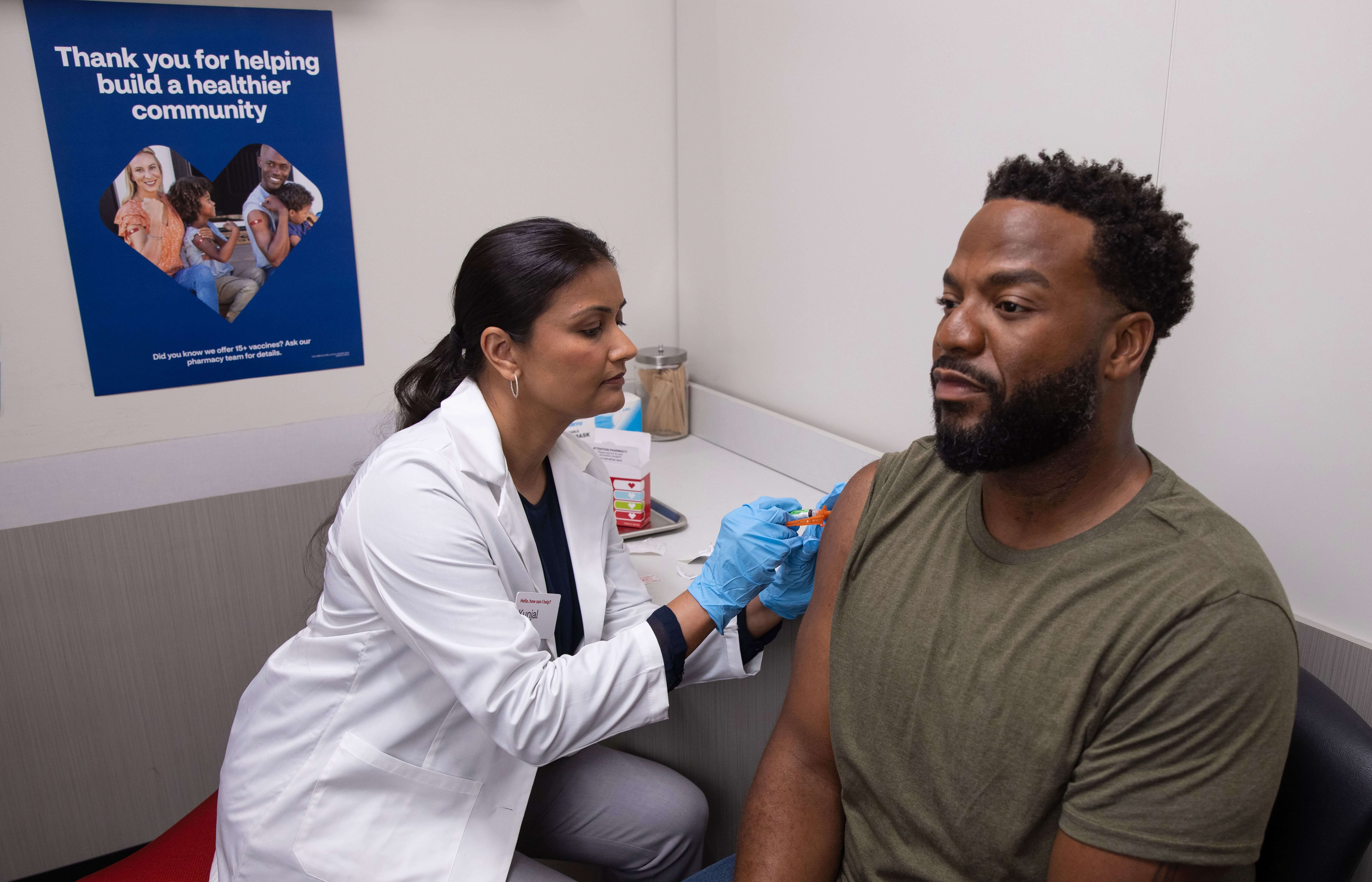
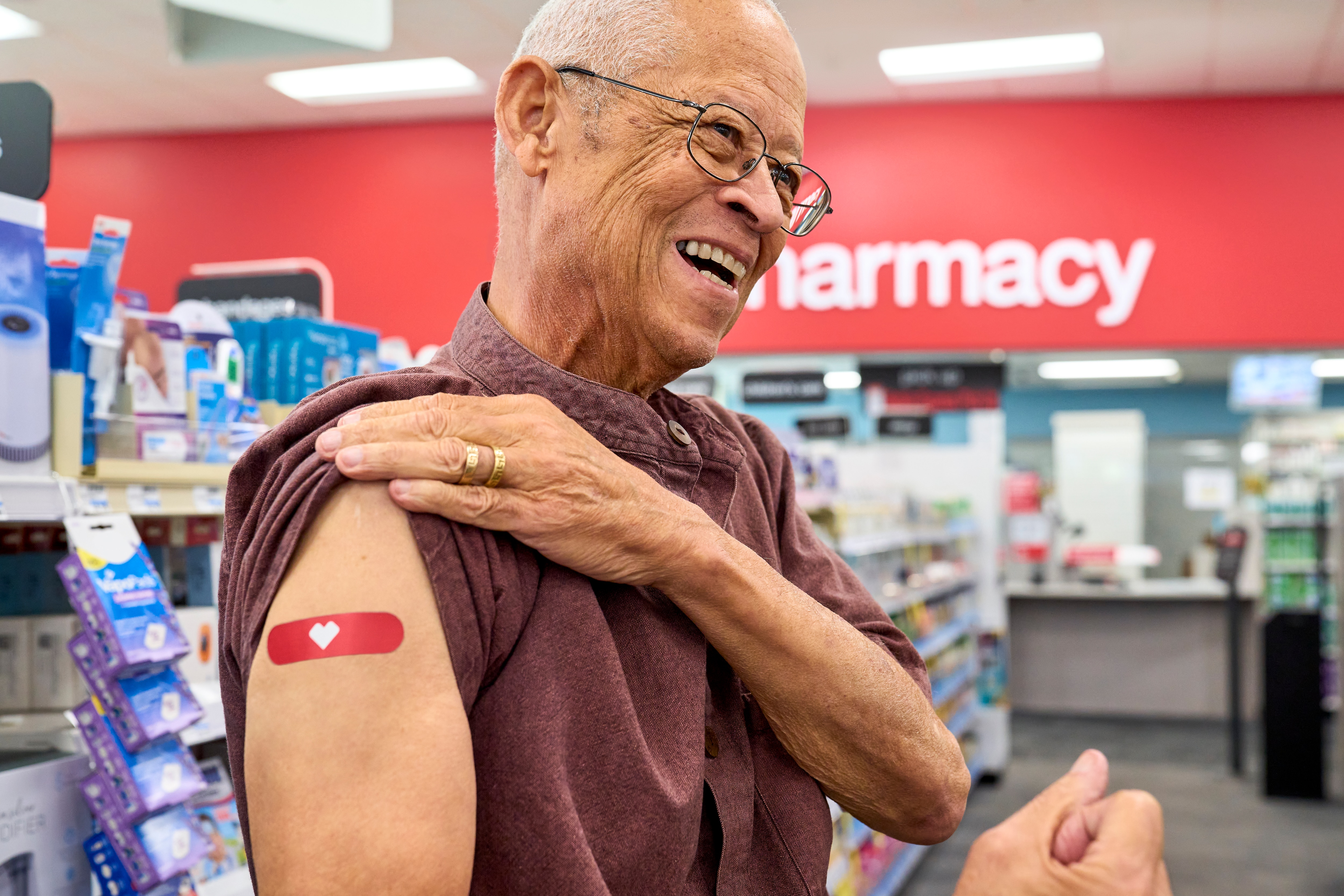
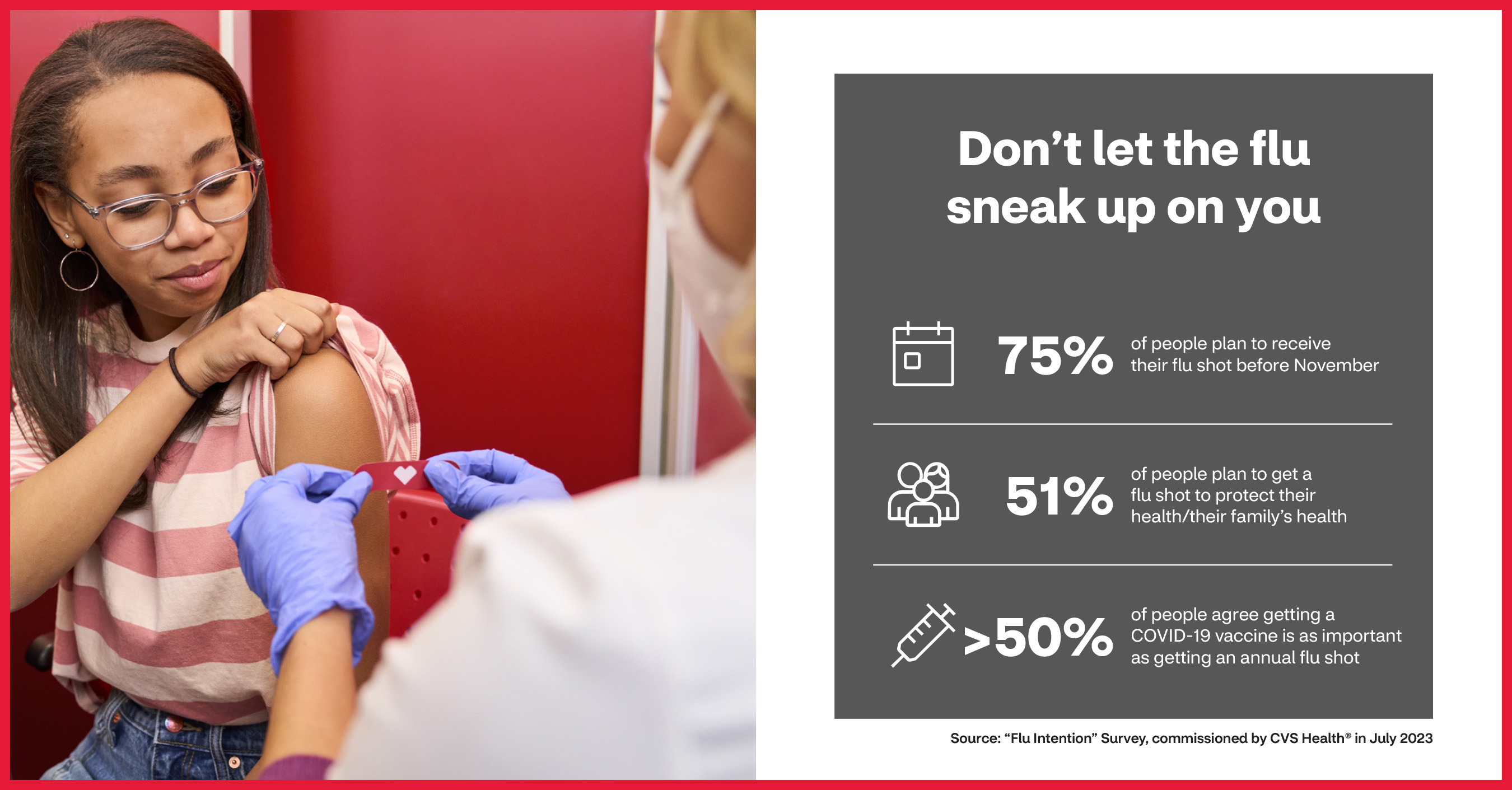
CVS Pharmacy serves as a primary retail healthcare provider in the United States, offering a comprehensive suite of immunization services. This guide focuses on the operational procedures, insurance eligibility, and clinical standards required for accessing vaccination services at CVS locations throughout 2026.
Clinical Standards and Available Immunizations in 2026
As of 2026, CVS Pharmacy maintains robust clinical protocols aligned with the Advisory Committee on Immunization Practices (ACIP) recommendations. The integration of pharmacists as mid-level healthcare providers allows for the administration of vaccines across various age groups, provided state-specific scope-of-practice regulations are met.
Pharmacists at CVS locations are trained to manage cold-chain logistics, ensuring that biological agents remain within strict temperature thresholds—typically between 2 and 8 degrees Celsius for standard vaccines—to maintain molecular integrity and efficacy.
Commonly available immunizations in 2026 include:
- Seasonal Influenza: Standard, high-dose, and cell-based formulations.
- Respiratory Syncytial Virus (RSV): Recommended for specific age cohorts and high-risk groups.
- Pneumococcal Disease: Coverage for PCV20 and PPSV23 protocols.
- Shingles: Two-dose recombinant zoster vaccine.
- Tdap/DTaP: Tetanus, diphtheria, and acellular pertussis protection.
- COVID-19: Updated mRNA and protein-based boosters for the 2026 circulation season.
Navigating Insurance Coverage and Financial Responsibility
Understanding your financial obligation is critical before arriving at a retail pharmacy for clinical services. CVS Pharmacy participates in most major commercial insurance networks, but coverage parity varies by specific plan design.
In 2026, patients must verify their pharmacy benefit manager (PBM) status, as many insurance carriers carve out vaccination coverage from medical plans into separate pharmacy benefit structures.
Insurance and Payment Status Matrix
| Provider / Plan Type | Network Status at CVS | Payment Requirement |
|---|---|---|
| Medicare Part B | Accepted (Standardized) | $0 Co-pay for covered vaccines |
| Medicare Part D | Accepted (Contracted) | Varies by formulary tier |
| Commercial HMO/PPO | In-Network | Co-pay may apply |
| Medicaid | Accepted (State Dependent) | Generally $0 out-of-pocket |
| Uninsured / Self-Pay | Available | Out-of-pocket cash price |
Important Provider Note While CVS is a major provider, certain Medicare Advantage (MA) plans utilize restricted networks for specific high-cost vaccinations. Always verify with your specific plan administrator to ensure your pharmacy location is considered an in-network provider to avoid unexpected balance billing.
Operational Workflow for 2026 Appointments
Efficiency in the vaccination process is predicated on digital pre-registration. Using the CVS digital portal or mobile application significantly reduces time spent in the pharmacy and ensures that the required immunization agent is physically in stock at your selected location.
Step-by-Step Scheduling Protocol
- Digital Verification: Log into the official CVS portal to confirm vaccine availability at your preferred zip code.
- Health Screening: Complete the electronic Health History Questionnaire. This satisfies legal requirements to screen for contraindications, such as history of anaphylaxis or current febrile illnesses.
- Insurance Validation: Upload your current 2026 insurance card (both medical and pharmacy benefit cards) to the portal to allow for real-time adjudication of the claim.
- Clinical Arrival: Arrive 10 minutes prior to your scheduled time to allow for the verification of government-issued identification.
- Post-Vaccination Observation: Remain in the pharmacy area for 15 minutes post-injection to monitor for immediate adverse reactions.
Addressing Safety Concerns and Immunization Efficacy
Safety is the paramount metric in the administration of biologics. All CVS pharmacy staff are trained in Advanced Cardiac Life Support (ACLS) or Basic Life Support (BLS) and maintain standing emergency protocols for managing rare adverse events, such as immediate hypersensitivity or vasovagal responses.
Clinical Efficacy Monitoring:
- Standardized storage and handling (S&H) protocols ensure the viability of the mRNA and viral-vector vaccines.
- Adherence to the Vaccine Adverse Event Reporting System (VAERS) remains a mandatory reporting requirement for all CVS clinical staff should a patient experience a significant health event post-vaccination.
- Pharmacists perform a mandatory review of your medication profile to check for potential drug-vaccine interactions, specifically for patients on chronic immunosuppressant therapy.
Frequently Asked Questions for 2026
Can I walk into a CVS for a vaccine without an appointment? While walk-ins are sometimes accepted, scheduling an appointment is strongly recommended to guarantee vaccine supply and minimize wait times. Appointments can be managed directly via the CVS Pharmacy website or mobile app for real-time availability.
Does CVS accept my Original Medicare Part B for the flu shot? Yes, CVS is a participating provider for Medicare Part B. Under federal mandate, most recommended vaccinations, including influenza and pneumococcal vaccines, are covered at no cost to the beneficiary when provided by an in-network pharmacy.
How do I transfer my immunization records to my primary care physician? CVS allows patients to download their immunization history through the patient portal, which can be printed or emailed directly to your Primary Care Physician (PCP). This ensures your medical records remain synchronized across your healthcare continuum.
What should I do if I experience side effects after my visit? Mild side effects like injection site soreness or low-grade fatigue are common. If you experience high fever, severe allergic reaction, or persistent symptoms lasting beyond 48 hours, contact your local CVS pharmacist or your primary healthcare provider immediately.
Are there age restrictions for vaccinations at CVS? State laws dictate the minimum age for vaccination at retail pharmacies. While many locations can immunize children as young as 3 or 5 years, specific state regulations and store-specific staff certifications may vary, so always confirm age eligibility during the digital scheduling process.
Optimizing Your Vaccination Strategy
To maximize the benefits of your vaccination program in 2026, maintain a centralized health folder. As a consumer, you hold the right to request a printed copy of your vaccine administration record immediately following the appointment. Use this to maintain an accurate digital or physical backup for travel requirements or employer verification. If you have complex medical history, such as autoimmune conditions, consult with your specialist before scheduling your visit to ensure the vaccine formulation is appropriate for your specific health status.