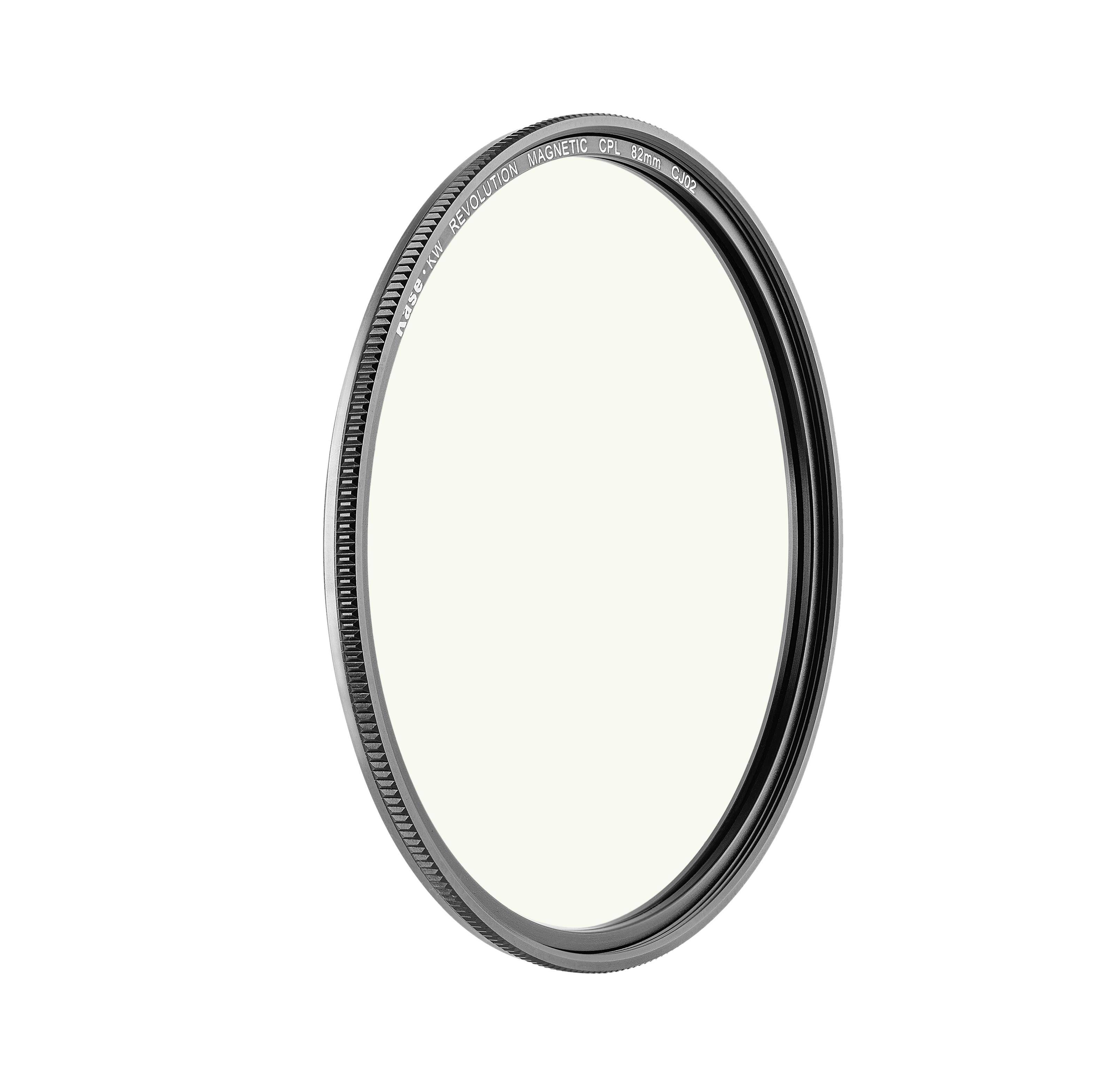
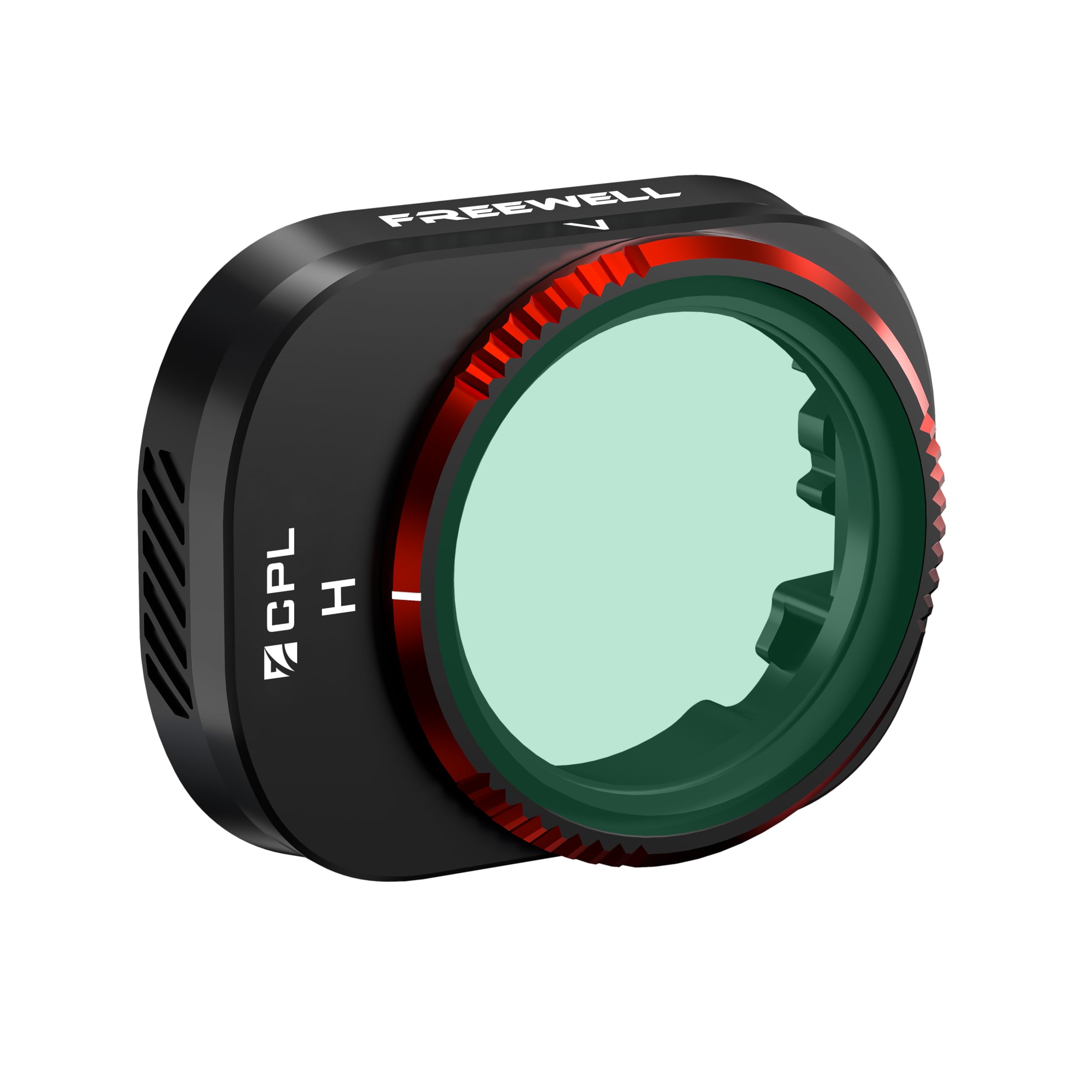
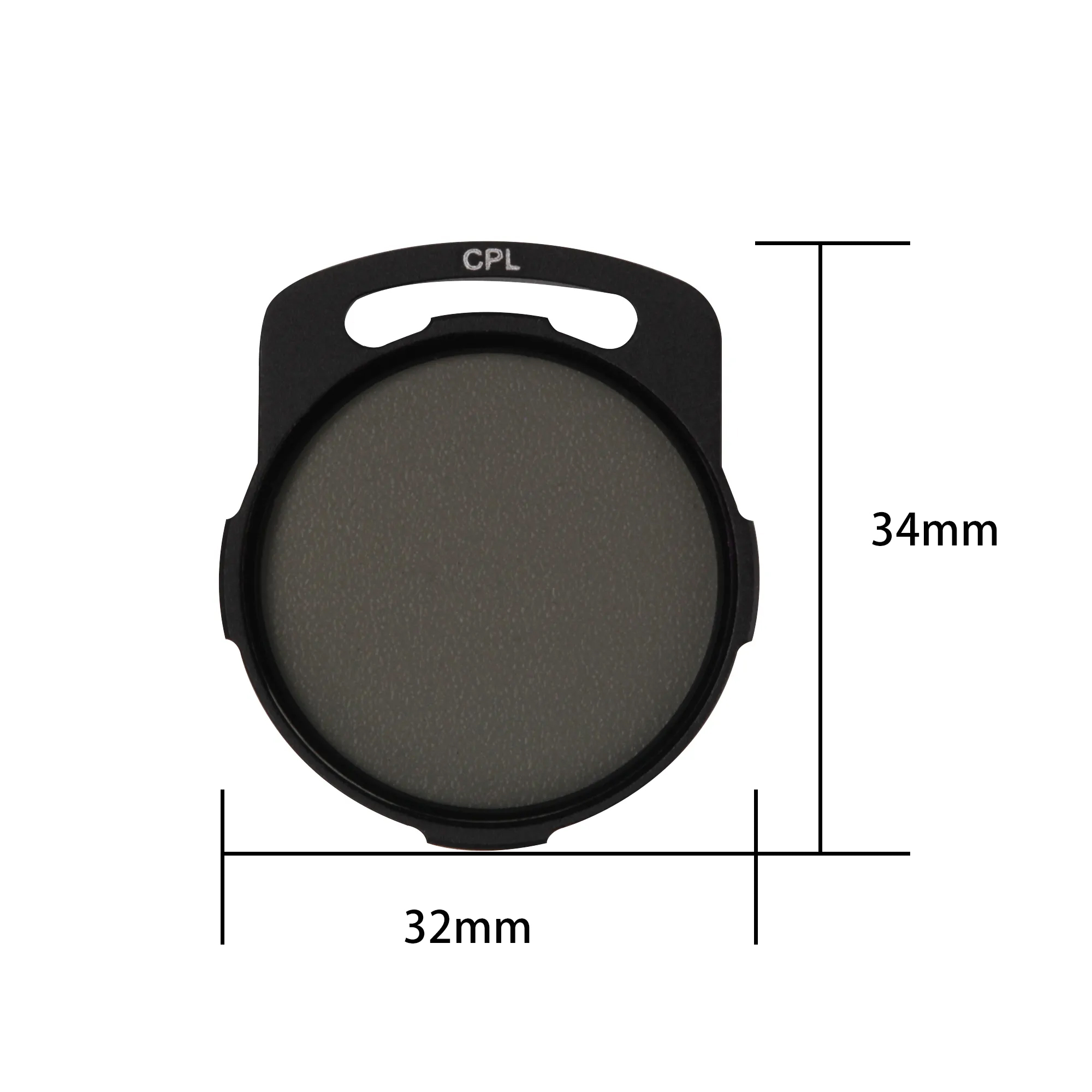
As of August 30, 2026, the global imaging sector is witnessing a paradoxical shift: as AI-driven image processing software becomes increasingly sophisticated, the demand for high-end Circular Polarizing (CPL) filters has reached an all-time high. Professional photographers and high-end content creators are abandoning reliance on "post-processing magic" in favor of optical hardware to capture raw data that algorithms cannot mathematically reconstruct. Reports from the field indicate that premium filter manufacturers, including B+W, NiSi, and PolarPro, have seen a 22% increase in sales volume over the last two quarters, marking a significant pivot back toward analog intervention at the point of capture.
| Feature | Current Market Status (2026) |
|---|---|
| Primary Driver | High-dynamic-range (HDR) sensor limitations |
| Top Consumer Segment | Hybrid content creators & Architectural photographers |
| Market Trend | Shift from 'Fix-in-post' to 'Capture-perfect' |
| Material Innovation | Nanocoated Gorilla Glass & Ultra-slim titanium rings |
The Catalyst: Why the CPL Filter is Surging Now
The current obsession with the CPL filter is not a rejection of technology, but a refinement of it. Modern mirrorless camera sensors—now standard with 60MP+ resolutions—are so sensitive that they reveal the digital artifacts created by aggressive software polarization. While AI can simulate a "polarized sky," it struggles with the complex, multi-layered reflections found on non-metallic surfaces like water, glass, and foliage.
Industry insiders note that the "uncanny valley" effect in landscape photography—where software-generated reflections look subtly off—has forced a return to physical optics. By using a CPL filter, photographers are effectively performing a "hardware handshake" with light before it ever touches the sensor. This preemptive capture of light data reduces the computational load on post-production workflows, saving valuable time for professional production houses currently managing massive 8K raw video streams.
Expert Analysis & Implications
The rise of the CPL filter in 2026 suggests a maturing market. We are moving past the era of "everything can be fixed in Photoshop" and entering an era of "data integrity." When a photographer utilizes a high-quality CPL filter, they are physically removing unwanted spectral highlights from the optical path.
This is critical for high-end commercial work. In architectural photography, for instance, removing glare from a window is not just an aesthetic choice; it is a necessity for maintaining color accuracy. When AI attempts to "heal" a reflection, it often introduces micro-blurring or inconsistent noise patterns. A physical CPL filter, by contrast, preserves the raw, sharp pixel information that luxury brands and high-end publishers demand. The ripple effect is clear: those who master the hardware-software hybrid workflow are consistently outperforming those relying solely on generative fill or automated de-glare features.
Consumer/Reader Guide: Optimizing Your Optical Toolkit
For those looking to integrate a CPL filter into their current 2026 gear setup, the barrier to entry has shifted from "technical necessity" to "optical refinement." Follow these guidelines to ensure you are getting the most out of your hardware:
- Prioritize Glass Quality: Avoid entry-level plastic or resin filters. With 2026-era high-resolution sensors, cheap glass acts as a bottleneck, introducing chromatic aberration that your lens is otherwise engineered to prevent.
- The "Zero-Vignette" Rule: When shopping for ultra-wide-angle lenses (anything wider than 16mm on full-frame), ensure you are opting for a "slim" or "ultra-slim" ring profile to prevent dark corners at the edge of your frame.
- Calibration Routine: Always rotate your CPL filter while looking at a reflective surface—not just the sky. The most effective use of a CPL is often found at a 30-45 degree angle to the sun, specifically when working to maximize color saturation in landscape environments.
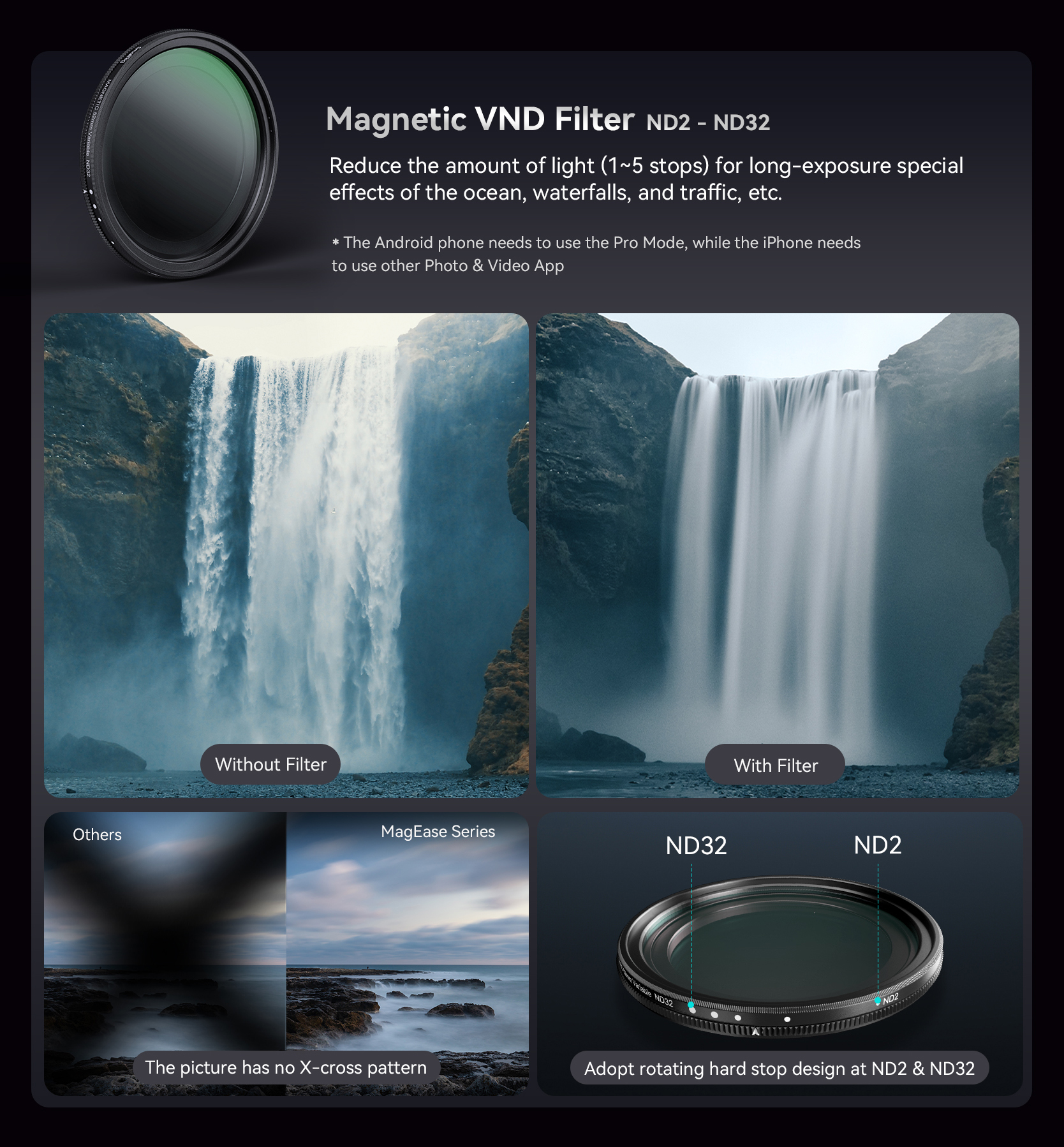
- Compatibility Check: If you are using a variable ND-CPL hybrid, be aware of the "X-pattern" polarization issues prevalent in cheaper models. Stick to independent circular polarizers for the best results in professional video.
The Road Ahead: Optics and AI Convergence
The trajectory for the next 24 months points toward "Smart Filters." We are already tracking patents from leading optical firms involving Bluetooth-enabled CPL rings that communicate with camera bodies to auto-adjust rotation based on the sun's position. While these are currently in the prototype stage, they represent the logical next step: an integration where hardware provides the perfect light capture, and software provides the finishing, non-destructive edit.
The CPL filter is no longer a "traditional" tool; it is the first line of defense in a photography industry that is increasingly skeptical of fully synthetic imagery. As long as optical laws remain constant, the physical CPL filter will remain the gold standard for controlling the light that defines our visual reality. We expect market saturation to continue rising as creators realize that the best way to handle AI-generated noise is to prevent it from ever entering the RAW file in the first place.