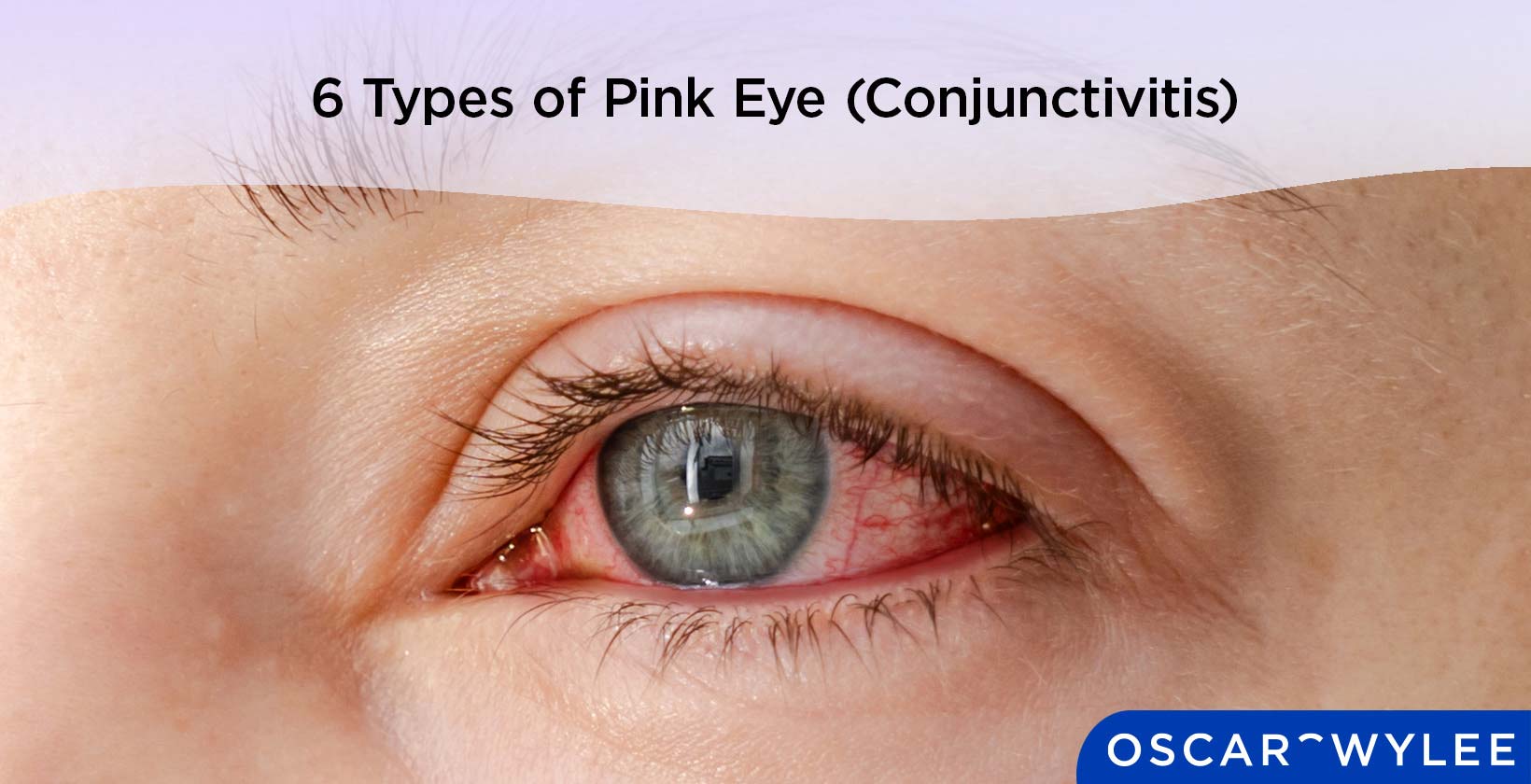
COVID-19 can manifest with conjunctivitis, commonly known as pink eye, which occurs when the SARS-CoV-2 virus infects the conjunctiva—the thin, clear tissue covering the white part of the eye. While not a primary respiratory symptom, it is a recognized clinical feature. Most cases are mild, self-limiting, and resolve as the systemic viral infection improves with standard supportive care.
The Biological Link Between SARS-CoV-2 and Conjunctivitis
The connection between COVID-19 and pink eye arises from the presence of ACE2 receptors in human ocular tissues. SARS-CoV-2 utilizes the angiotensin-converting enzyme 2 (ACE2) receptor to enter and infect cells. Research has confirmed that these receptors are present on the surface of the conjunctiva, the cornea, and the lacrimal system.
When viral particles come into contact with the eye—often through contaminated hands or respiratory droplets—they can bind to these receptors, leading to localized inflammation. This inflammatory response manifests as conjunctivitis. Clinical studies indicate that while conjunctivitis is less common than fever, cough, or fatigue, it remains a distinct indicator that the virus has bypassed initial mucosal barriers. In most patients, the eye symptoms appear alongside or shortly after respiratory symptoms, though in rare instances, they have been reported as the initial presenting sign of the infection.
Clinical Presentation and Identification
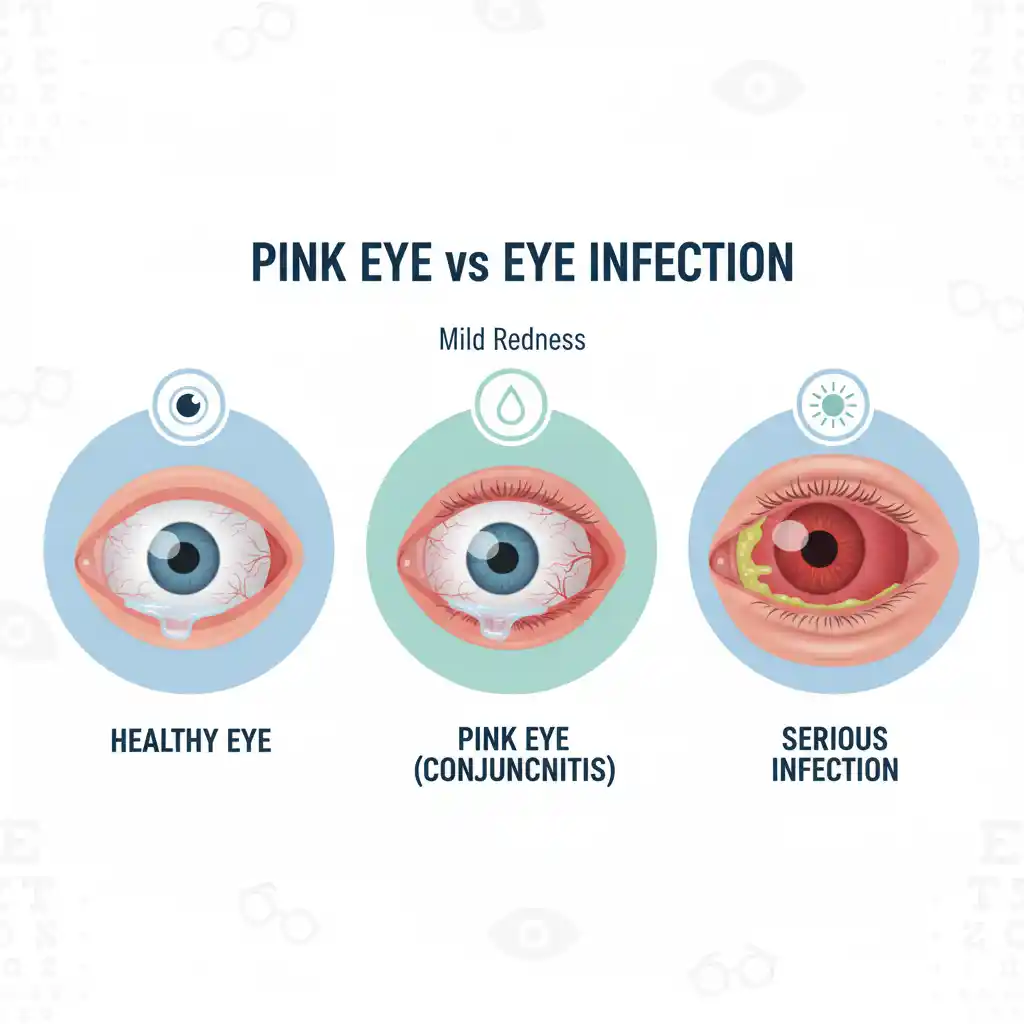
Identifying COVID-related pink eye requires distinguishing it from common bacterial or allergic conjunctivitis. The primary clinical signs associated with SARS-CoV-2 include redness, increased tearing, irritation, and, in some cases, a mild mucoid discharge. Unlike bacterial pink eye, which often presents with significant purulent (thick, yellow/green) discharge and morning crusting, COVID-related conjunctivitis is typically characterized by watery secretions and a "gritty" or burning sensation.
It is critical to understand that the presence of eye redness alone is not a diagnostic test for COVID-19. Other viral pathogens, such as adenovirus, are far more common causes of viral conjunctivitis. A clinical assessment must consider the presence of systemic symptoms such as fever, loss of taste or smell, shortness of breath, and known recent exposures. Patients experiencing these symptoms should assume they may be contagious and act in accordance with current public health protocols for respiratory infections.
Transmission Risks and Ocular Hygiene
The eyes are considered a potential route for both viral transmission and infection. If a person touches a contaminated surface and then rubs their eyes, they facilitate the transfer of the virus to the conjunctiva. Conversely, the tears of a COVID-19 patient may contain viral genetic material, meaning that touching the eyes and then touching other surfaces could potentially facilitate environmental contamination.
Healthcare providers and individuals in close contact with someone exhibiting ocular symptoms should practice stringent hygiene. This includes regular handwashing with soap and water for at least 20 seconds, avoiding the sharing of towels or pillowcases, and using sanitizing wipes on high-touch surfaces. If you are currently positive for COVID-19, avoiding contact lens use is strongly advised until the infection has fully cleared, as lenses can harbor viral particles and irritate the inflamed conjunctiva further.
Managing Symptoms at Home
For the majority of individuals, COVID-related eye symptoms are manageable through conservative, home-based care. The goal of such care is to alleviate discomfort while the immune system works to clear the underlying infection.
| Management Approach | Purpose |
|---|---|
| Warm/Cold Compresses | Reduces inflammation and soothes irritation around the eyelids. |
| Artificial Tears | Lubricates the surface of the eye to alleviate dryness and grit. |
| Discontinuing Contacts | Prevents secondary infection and further mechanical irritation. |
| Eyelid Hygiene | Gently cleaning the eyelashes helps remove debris and discharge. |
| Antihistamine Drops | May be recommended by a clinician if the irritation is exacerbated by allergies. |
While these methods provide relief, they do not treat the virus itself. The systemic infection must be managed through adequate hydration, rest, and, where medically indicated, prescribed antivirals or symptom-control medications as directed by a healthcare professional.
When to Seek Professional Medical Care
While most cases of COVID-associated conjunctivitis are minor, certain warning signs necessitate an evaluation by an optometrist or ophthalmologist. Persistent or worsening symptoms may indicate a secondary bacterial infection or a more severe ocular involvement, such as keratitis (corneal inflammation).
You should seek medical attention if you experience:
- Vision changes: Any blurring or loss of visual acuity.
- Severe pain: Intense eye pain that is not relieved by over-the-counter measures.
- Photophobia: Significant sensitivity to light.
- Persistent discharge: Thick, yellow or green pus that continues to accumulate despite cleaning.
- Lack of improvement: Symptoms that do not begin to resolve within five to seven days.
Always inform your eye care provider of your COVID-19 status prior to your visit. Many clinics have specific protocols for managing infectious patients to prevent the spread of the virus within the waiting area and examination rooms.
Addressing Common Misconceptions
A persistent myth is that pink eye caused by COVID-19 requires aggressive antibiotic treatment. Because the underlying cause is viral, antibiotics are generally ineffective and inappropriate. Antibiotics only treat bacterial infections and will not resolve the inflammation caused by the SARS-CoV-2 virus. Using leftover antibiotic drops can actually cause further irritation or lead to antibiotic resistance.
Another misconception is that the eyes are the most reliable indicator of COVID-19. In reality, ocular symptoms are relatively infrequent. Relying on the appearance of the eyes to "rule out" or "confirm" the virus can lead to a dangerous false sense of security. Diagnostic testing, such as PCR or rapid antigen tests, remains the only gold standard for confirming an active infection.
Recommended Next Actions
If you suspect you have COVID-19 and are experiencing eye irritation, the most effective next step is to prioritize systemic isolation and monitoring. Follow current local health guidance for respiratory illness, which generally includes staying home to prevent infecting others. Practice excellent hand hygiene and refrain from touching your face. If ocular discomfort becomes the most prominent symptom, reach out to your primary care physician or a tele-health service. Describe your symptoms clearly, noting the timing of the eye irritation in relation to other systemic symptoms. If you wear corrective lenses, immediately switch to glasses for the duration of the illness and ensure your glasses are cleaned regularly with mild soap and water to prevent surface contamination.