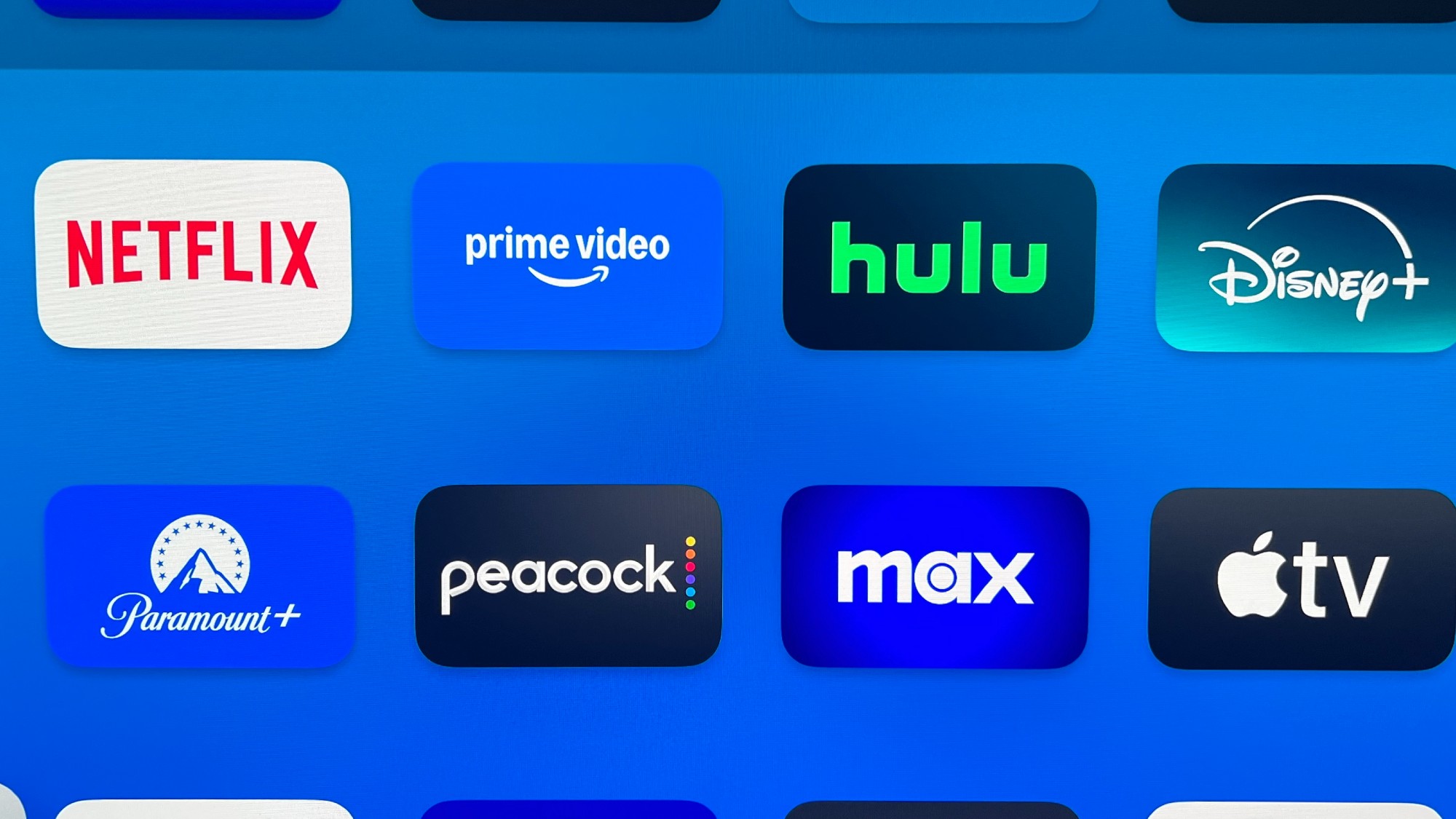
Selecting the ideal video streaming service in 2025 requires balancing library depth, subscription costs, video resolution, password-sharing restrictions, and ad-supported tiers. Dominant platforms like Netflix, Max, Disney+, Hulu, Amazon Prime Video, and Apple TV+ present distinct trade-offs between prestige originals, blockbuster film archives, live sports, and ecosystem perks.
The Streaming Landscape in 2025: Subscription Tiers and Ad Integration
The subscription video-on-demand (SVOD) market has undergone structural adjustments. Following years of aggressive subscriber acquisition focused primarily on library growth, major entertainment conglomerates have pivoted toward profitability, operational efficiency, and average revenue per user (ARPU). This shift directly impacts consumer choices through structural price increases across ad-free tiers, strict enforcement of household account boundaries, and the normalization of ad-supported subscription tiers.
Ad-supported plans, once viewed as low-cost entry points, now form the primary subscriber acquisition vector for most platforms. Content providers use machine-learning ad placement, interactive formats, and targeted metrics to monetize ad-supported viewers at higher cumulative rates than baseline ad-free plans. Concurrently, high-definition (HD) and 4K Ultra HD (UHD) resolutions, once bundled standard in mid-tier offerings, are increasingly restricted to top-tier "Premium" or "Ultimate" subscription levels alongside spatial audio formats like Dolby Atmos and vision-enhancement standards like Dolby Vision and HDR10+.
Household sharing policies have also fundamentally changed. Standard terms of service across major networks strictly define an eligible account by physical household location, tracked via IP addresses, device IDs, and network telemetry. Users seeking to share access with family members residing outside the primary residence must now purchase extra member slots or set up standalone profiles, altering the per-user cost dynamic for shared accounts.
Leading Subscription Streaming Platforms Examined
Evaluating the top streaming platforms requires analyzing content strategies, streaming infrastructure, tier flexibility, and overall consumer cost.
Netflix: Industry Scale, Personalization, and Global Reach
Netflix remains the market leader by total subscriber volume and global production scale. Its strategy balances localized regional content across dozens of languages with high-budget international flagship franchises.
- Content Profile: Broad mix of licensed studio titles, unscripted series, international dramas (K-dramas, European thrillers), original feature films, and expanding live event broadcasts, including sports entertainment and comedy specials.
- Technical Capabilities: Video delivery relies on custom content delivery network (CDN) nodes placed within internet service provider (ISP) hubs globally. Top-tier subscriptions support 4K UHD, HDR10, Dolby Vision, and spatial audio formats, while standard tiers cap output at 1080p Full HD.
- Platform Constraints: Netflix strictly limits basic tiers to 1080p resolution and restricts simultaneous stream allowances (two concurrent streams on Standard, four on Premium). Paid account sharing requires an additional monthly fee per out-of-household member slot.
Max: Prestige Television and Warner Bros. Discovery Archives
Max (formerly HBO Max) combines the legacy prestige television catalog of HBO with the wider Warner Bros. Discovery archive, incorporating film collections, cable networks, and unscripted lifestyle programming.
- Content Profile: Groundbreaking series from the HBO library, Warner Bros. theatrical releases, DC Studios superhero properties, Turner Classic Movies (TCM), along with unscripted discovery formats and live sports add-ons via the B/R Sports add-on tier.
- Technical Capabilities: Max splits visual and audio feature sets across three distinct subscription tiers. 4K UHD resolution, HDR10, Dolby Vision, and Dolby Atmos audio are reserved exclusively for the Ultimate Ad-Free tier.
- Platform Constraints: Lower and middle subscription tiers limit video playback to 1080p HD and restrict simultaneous playback to two devices, requiring users wanting home theater visual standards to opt for the top pricing plan.
Disney+ and Hulu: Ecosystem Bundling and General Entertainment
The combined distribution framework of Disney+ and Hulu provides a unified access point for family animation, major sci-fi/fantasy franchises, and adult-oriented general entertainment.
- Content Profile: Disney+ controls core IP including Walt Disney Animation, Pixar, Marvel Studios, Lucasfilm (Star Wars), and National Geographic. Hulu complements this with next-day broadcast network television from FX and ABC, original award-winning comedy and drama series, and a massive licensed library.
- Technical Capabilities: Disney+ provides 4K UHD, Dolby Vision, and IMAX Enhanced aspect ratio options on its standard ad-free and ad-supported tiers where source files allow, making high-end visual features more accessible without forcing top-tier upgrades.
- Platform Constraints: Standalone subscriptions carry higher comparative costs per library volume than combined bundle options, nudging consumers toward combined Disney+ / Hulu / Max multi-service packages.
Amazon Prime Video: Embedded Retail Value and Channel Marketplace
Amazon Prime Video functions both as a standalone streaming service and as an integrated benefit within the broader Amazon Prime delivery ecosystem.
- Content Profile: Prime Video features high-budget original fantasy and action franchises, licensed film catalogs, exclusive sports broadcasts such as Thursday Night Football, and integrated third-party subscription add-ons via Prime Video Channels.
- Technical Capabilities: Supports 4K UHD, HDR10+, and Dolby Atmos across select original productions.
- Platform Constraints: Amazon introduced standard ad placements into default Prime Video plans, requiring subscribers to pay a supplemental monthly fee to remove advertisements and unlock advanced Dolby formats.
Apple TV+: Original Focus and High-Bitrate Delivery
Apple TV+ distinguishes itself by avoiding large legacy libraries, choosing instead to publish an almost exclusively original slate of scripted series, feature films, and selective sports properties.
- Content Profile: Premium sci-fi series, character-driven dramas, comedy series, original films, and exclusive sports coverage such as Major League Soccer (MLS Season Pass).
- Technical Capabilities: Apple TV+ maintains industry-leading streaming bitrates, producing cleaner image fidelity and less video compression artifacting compared to competing services. 4K UHD, Dolby Vision, and spatial audio/Dolby Atmos are included standard without tier-based upselling.
- Platform Constraints: The total volume of content remains significantly smaller than that of catalog-heavy competitors, making it best suited as a complementary service rather than a primary sole entertainment provider.
Specialized and Niche Alternatives
Beyond the primary general-interest platforms, specialized platforms cater to defined audience segments:
- Peacock: Universal Pictures theatrical windows, NBC network shows, extensive live sports coverage (including Premier League football and Olympic events), and deep unscripted archives.
- Paramount+: CBS network programming, live NFL broadcasts, original series from the Star Trek universe, and the Paramount Pictures movie archive.
- Criterion Channel: Target platform for film history enthusiasts, auteur cinema, restored classics, and curated independent cinema featuring expert commentary and supplementals.
Direct Comparison: Tier Structures, Features, and Pricing
The table below outlines the core subscription characteristics and technical profiles of major streaming providers in 2025:
| Streaming Service | Base Ad-Supported Tier (Monthly) | Base Ad-Free Tier (Monthly) | Top-Tier / Premium Level (Monthly) | Max Resolution (Top Tier) | Simultaneous Streams (Max) | Key Content Strengths |
|---|---|---|---|---|---|---|
| Netflix | $6.99 | $15.49 (Standard) | $22.99 (Premium) | 4K UHD / Dolby Vision | 4 | Global originals, international series, mainstream films |
| Max | $9.99 | $16.99 | $20.99 (Ultimate) | 4K UHD / Dolby Vision | 4 | HBO originals, Warner Bros. films, prestige drama |
| Disney+ | $7.99 | $13.99 | N/A (Standardized) | 4K UHD / Dolby Vision | 4 | Marvel, Star Wars, Pixar, Disney animation |
| Hulu | $7.99 | $17.99 | N/A (Standardized) | 4K UHD / HDR | 2 | FX series, next-day TV, current adult entertainment |
| Amazon Prime Video | Included with Prime ($8.99 standalone) | +$2.99/mo ad-free add-on | N/A | 4K UHD / HDR10+ | 3 | Blockbuster series, live sports, broad catalog |
| Apple TV+ | N/A (No Ad Tier) | $9.99 | N/A | 4K UHD / Dolby Vision | 6 (Family Sharing) | High-bitrate original drama, sci-fi, comedy |
| Paramount+ | $5.99 (Essential) | $11.99 (with Showtime) | Integrated with Showtime | 4K UHD / HDR10 | 3 | CBS network shows, live NFL, Paramount film archive |
| Peacock | $5.99 (Premium) | $11.99 (Premium Plus) | N/A | 4K UHD / HDR10 | 3 | Premier League, NBC shows, Universal films |
Note: Pricing and tier specs represent market rates and standard service configurations. Platform rates are subject to regional variations and policy updates.
Key Factors to Evaluate Before Subscribing
To choose the optimal combination of streaming services without overspending, evaluate several technical and structural criteria:
1. Audio and Visual Hardware Capabilities
Subscribers owning mid-range or flagship home theater equipment (such as OLED displays, multi-channel soundbars, or AV receiver setups supporting Dolby Atmos) should verify which tier unlocks 4K UHD and spatial audio. Purchasing an ad-free standard tier on platforms like Max or Netflix capped at 1080p HD will underutilize high-end AV hardware.
2. Password Sharing and Remote Access Rules
If family members intend to access accounts across multiple residential locations, check platform location policies. Platforms track home networks via Wi-Fi handshakes, IP addresses, and device profiles. Netflix and Disney+ strictly restrict out-of-household stream access unless an explicit "Extra Member" add-on fee is added to the account.
3. Content Churn vs. Catalog Depth
Streaming services maintain varying rates of library retention. Platforms like Apple TV+ rely entirely on original IP, meaning titles rarely leave the service. Conversely, services relying heavily on third-party studio licensing periodically remove films and television series due to shifting distribution agreements.
4. Ad-Supported Experience Quality
Ad loads vary considerably between providers. While ad-supported tiers offer baseline savings of $5 to $10 per month per service, the frequency, duration, and targeting logic of ad pods vary. Certain providers cap ad loads at 4 minutes per hour, while others present interruptions before and during key narrative moments, affecting overall viewing quality.
Strategies for Optimizing Streaming Costs
Managing monthly subscription expenses requires tactical planning rather than maintaining year-round access to every platform.
- Evaluate Household Viewing Habits
- Select 1 Core Anchor Service (Year-round library access)
- Identify Rotational Platform Needs
- Option A: Strategic Churn
- Subscribe for 1-2 mos
- Binge specific shows
- Cancel & rotate platform
- Option B: Bundle Selection
- Disney+/Hulu/Max Bundle
- Carrier/ISP Perks
- Annual billing discount
- Option A: Strategic Churn
Strategic Subscription Churning
Subscribers do not need to maintain active memberships across four or five services simultaneously. Strategic churning involves subscribing to one or two services for a month or two, catching up on specific series or movie releases, canceling the plan, and rotating to a different service. Because SVOD services operate on non-binding monthly billing cycles without long-term commitments, churning yields significant cost savings.
Multi-Service Bundling
Major media companies offer discounted multi-platform bundles that lower per-service costs. The combined Disney+, Hulu, and Max bundle offers substantial savings over subscribing to each service individually. Furthermore, wireless mobile carriers, credit card issuers, and internet service providers frequently include complimentary or subsidized streaming access within their premium service packages.
Annual Billing Commitments
For core platforms that households utilize daily, opting for annual billing over monthly billing typically secures a 15% to 20% discount on the total yearly cost, insulating the user from incremental price increases introduced mid-cycle.
Frequently Asked Questions
Which streaming service offers the best overall video and audio quality?
Apple TV+ consistently provides the highest visual and audio fidelity in consumer streaming. The platform streams at higher average bitrates than competitors, resulting in fewer visual artifacts in dark scenes and cleaner image compression. Additionally, Apple TV+ includes 4K UHD, Dolby Vision, and Dolby Atmos across all supported titles without charging an additional tier upgrade fee.
How do password-sharing restrictions work across major platforms?
Platforms like Netflix, Disney+, and Max determine an account's primary household based on IP addresses, Wi-Fi network connections, and device identifiers connected at the primary residence. If a device connects from outside that physical network consistently, the system prompts the account holder to verify the device via an emailed code or purchase an "Extra Member" profile slot for an additional monthly fee.
What is the difference between ad-supported and ad-free tiers beyond advertisements?
Beyond commercial interruptions, ad-supported plans often impose technical restrictions. These restrictions typically limit resolution to 1080p HD, disable offline downloads on mobile devices, restrict simultaneous stream counts, and remove audio formats like Dolby Atmos. Additionally, select licensed studio titles may be excluded from ad-supported tiers due to licensing rights agreements.
Are sports broadcasts included with standard streaming subscriptions?
Sports rights vary widely by platform. Peacock includes Premier League soccer and NBC sports broadcasts within its standard plans. Paramount+ includes CBS live sports on its higher-tier plan containing Showtime. Amazon Prime Video includes Thursday Night Football within standard subscriptions, while Max offers sports access through dedicated add-ons like the B/R Sports package.
How can I easily track which streaming service has a specific movie or show?
Universal streaming search aggregators, such as JustWatch or Reelgood, allow viewers to search for any title across all active digital platforms. These engines display where a title is currently streaming, whether it requires a subscription, purchase, or rental, and if it is available in 4K UHD resolution.
Selecting the Right Streaming Combination for Your Household
Building a streaming subscription setup depends on matching specific viewing preferences to service strengths while controlling costs. Rather than maintaining active accounts across every major distributor, viewers benefit from identifying a foundational "anchor" platform supplemented by secondary rotational services.
If your household prioritizes high-budget drama series, feature film archives, and prestige entertainment, combining Max with Apple TV+ delivers a strong selection of critically acclaimed programming and visual quality. Families with children or viewers interested in broad franchised content (such as Marvel, Star Wars, and Pixar) will find the Disney+ and Hulu bundle to be a cost-effective, high-volume foundation.
For budget-conscious consumers, leveraging ad-supported plans alongside annual billing discounts on primary platforms allows for continuous entertainment access at a fraction of full-tier pricing. Periodically reviewing active subscriptions, auditing carrier-provided perks, and canceling unused channels keeps monthly streaming expenses fully aligned with actual usage.