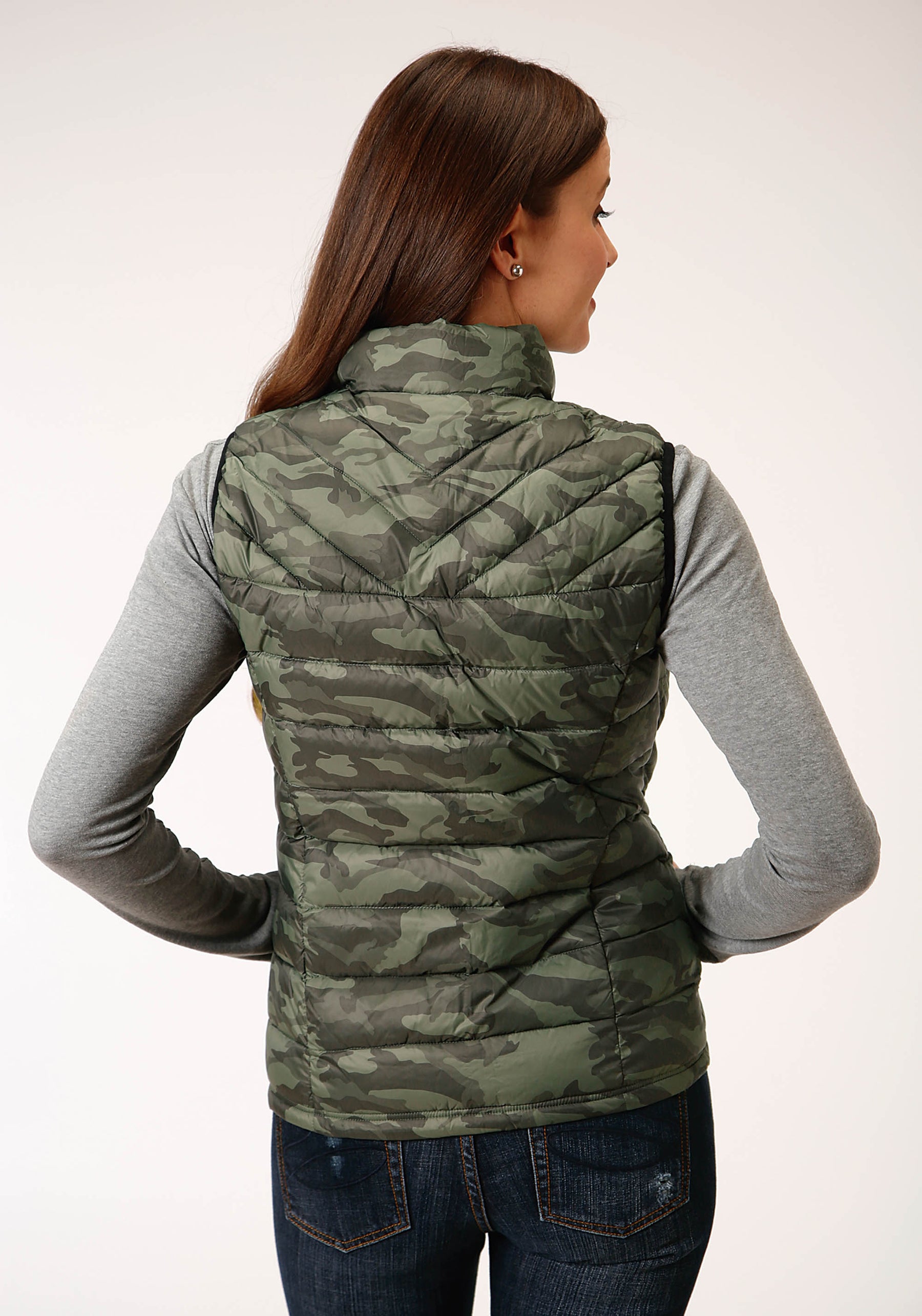
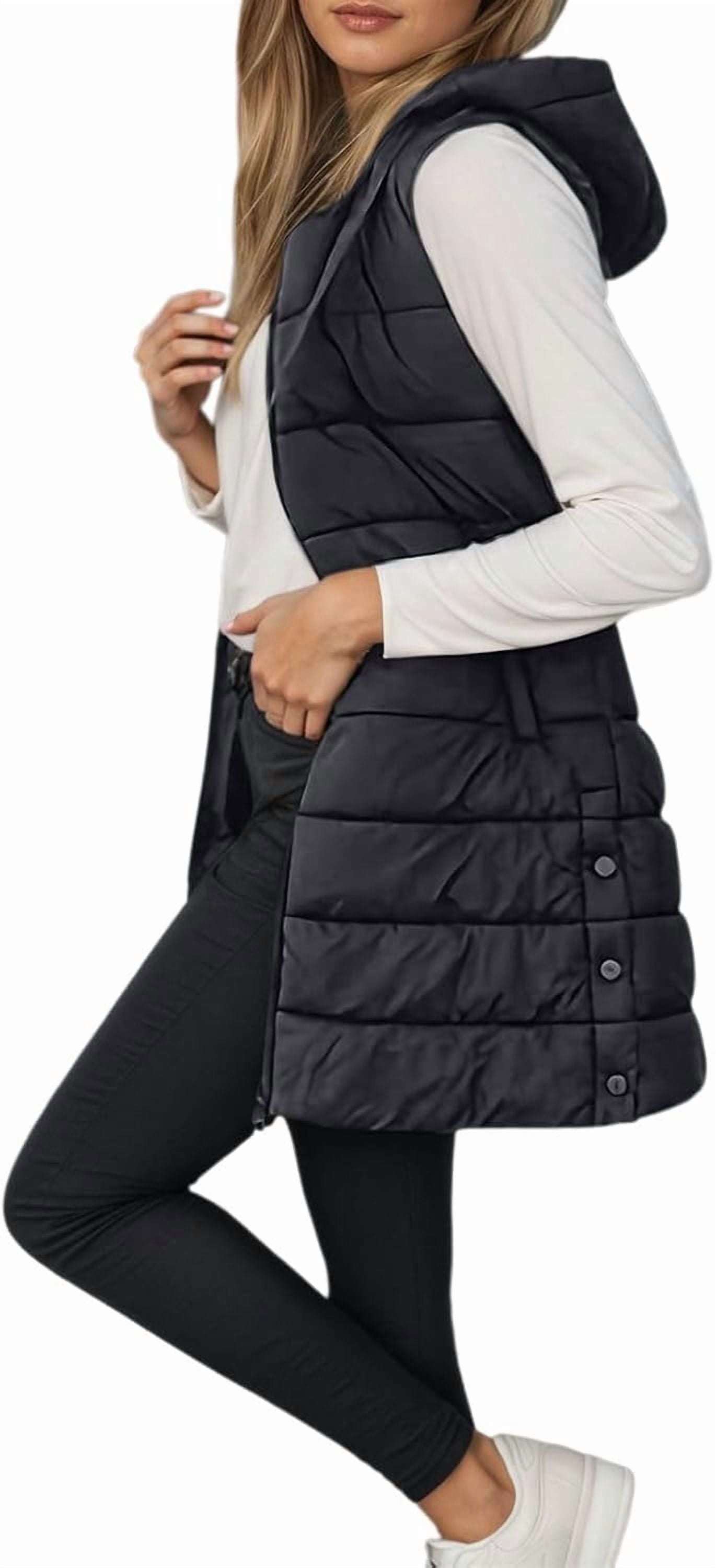
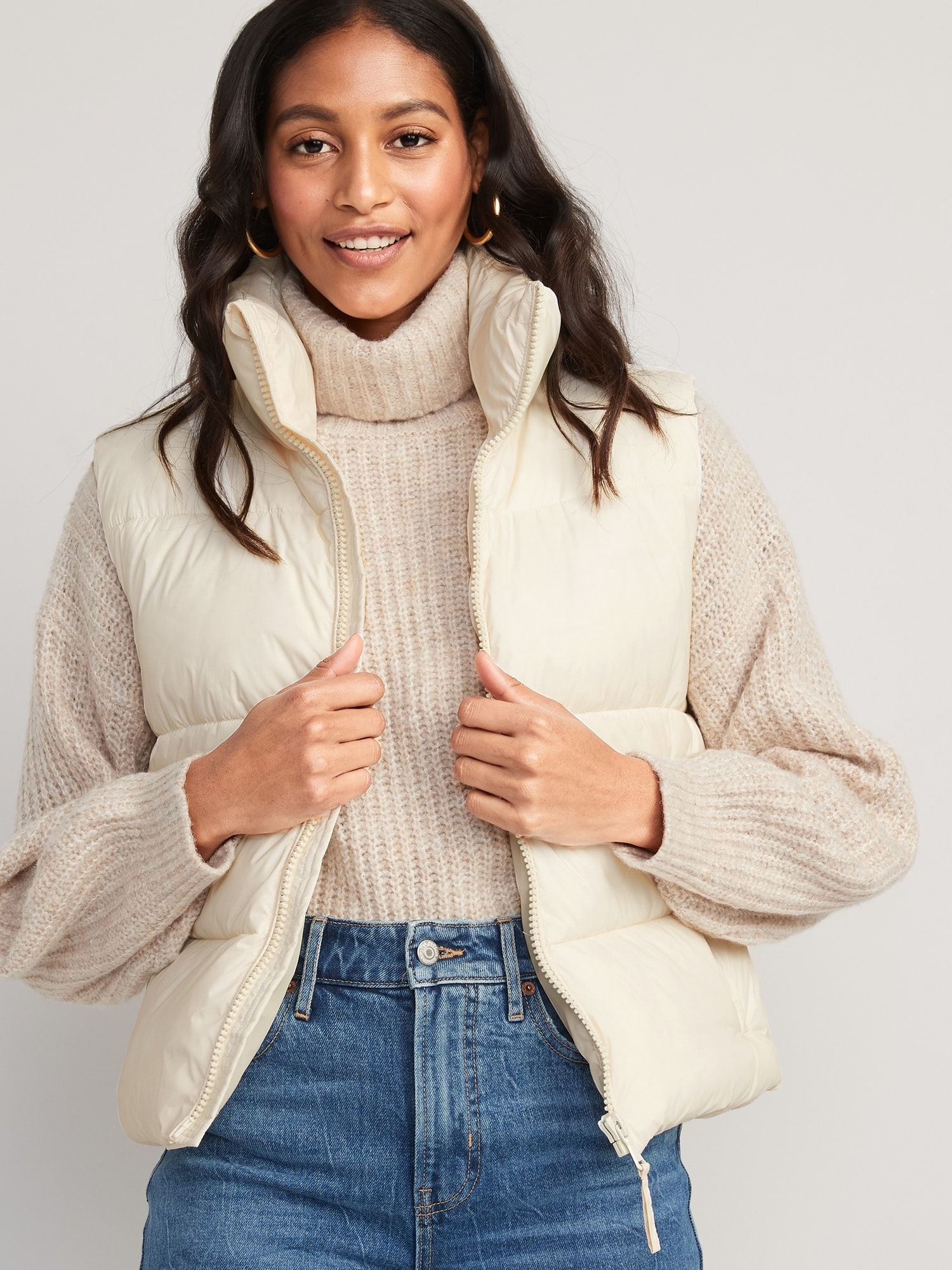
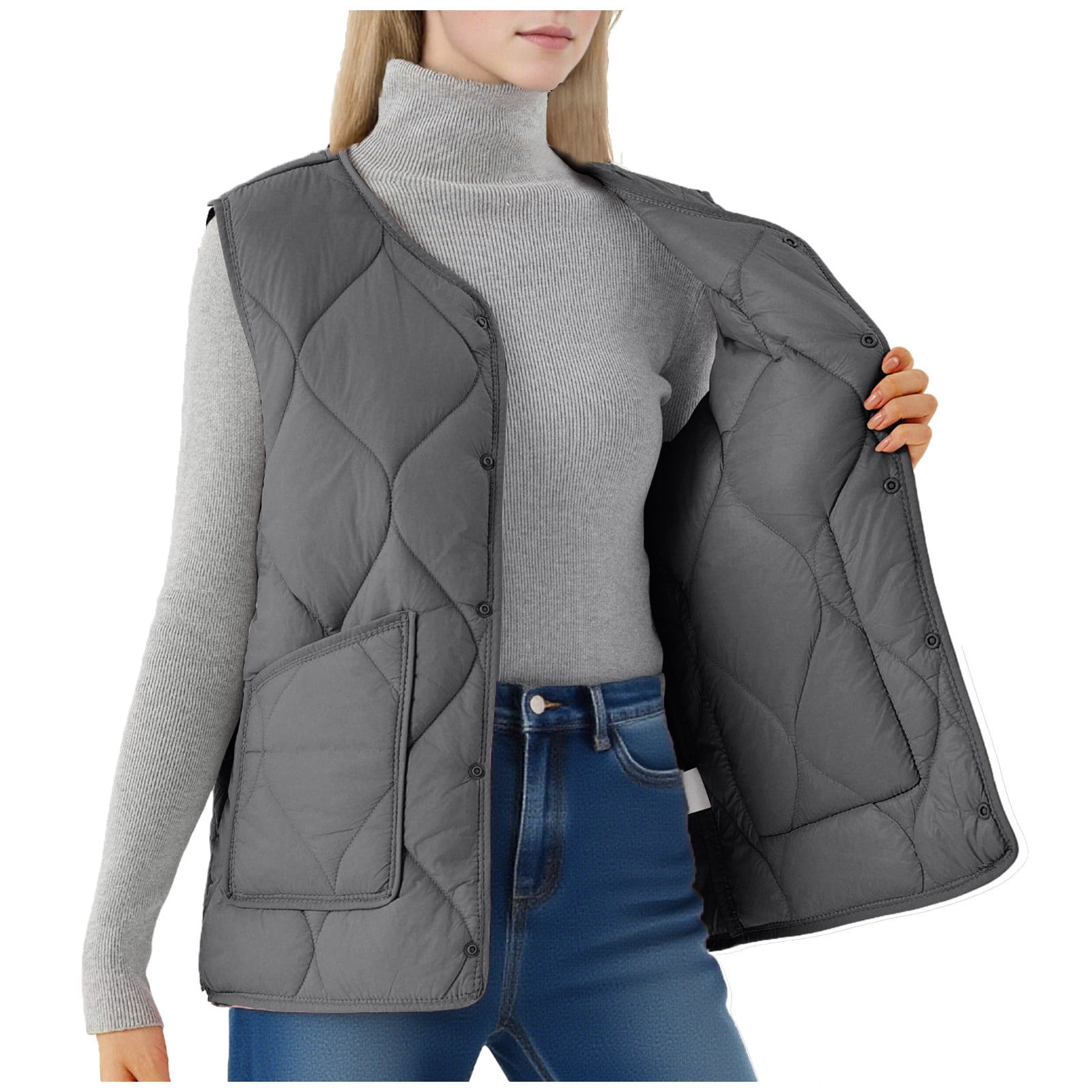
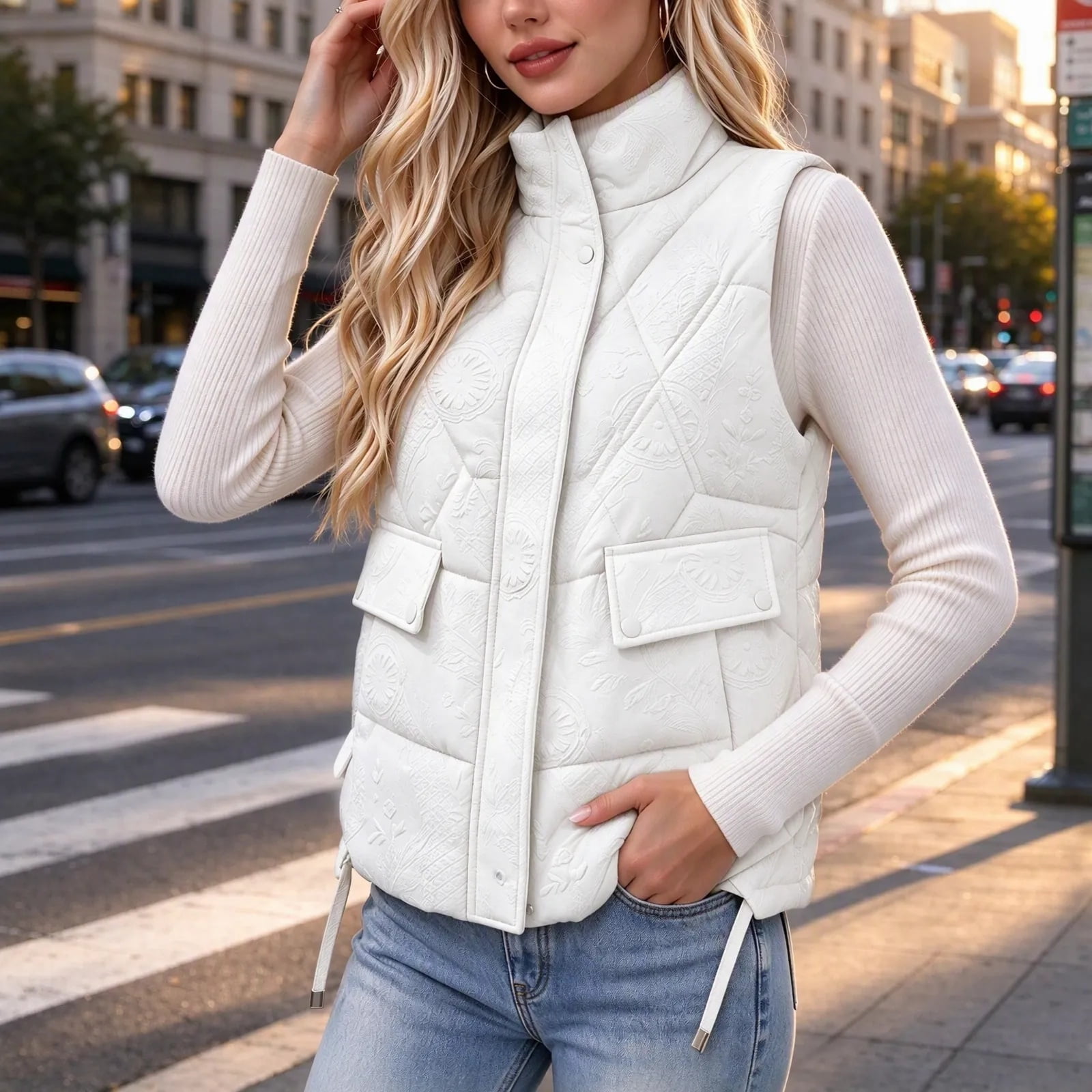
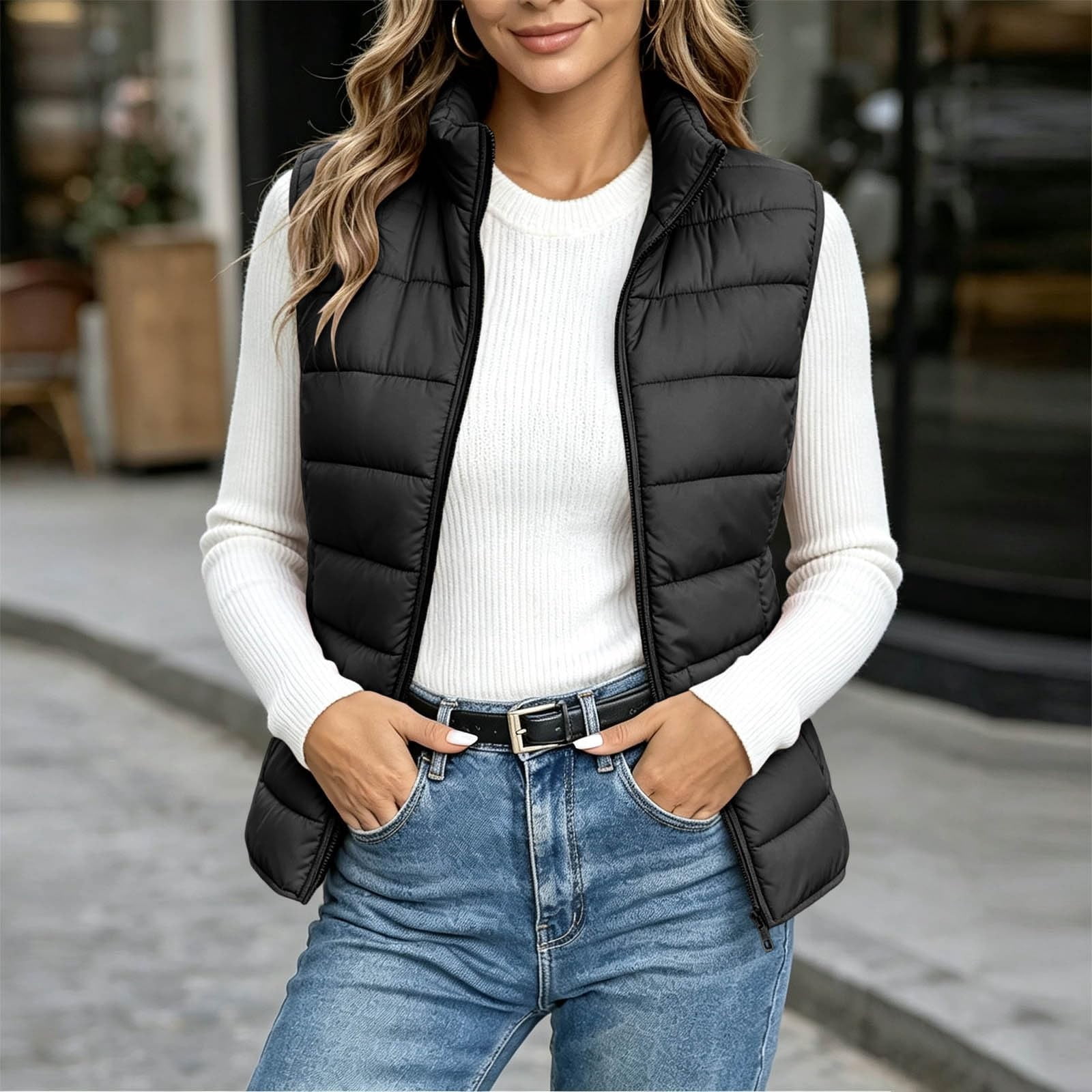
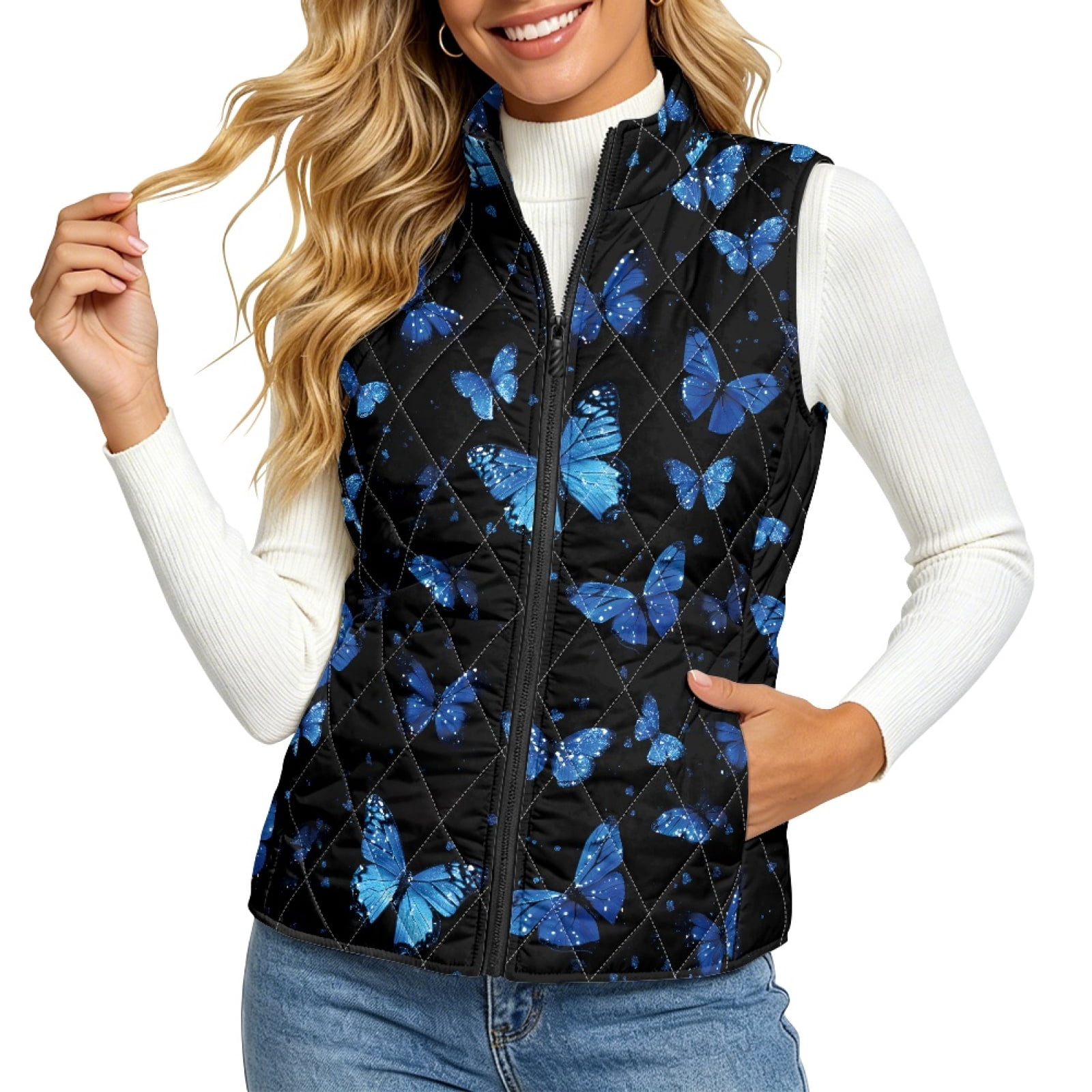
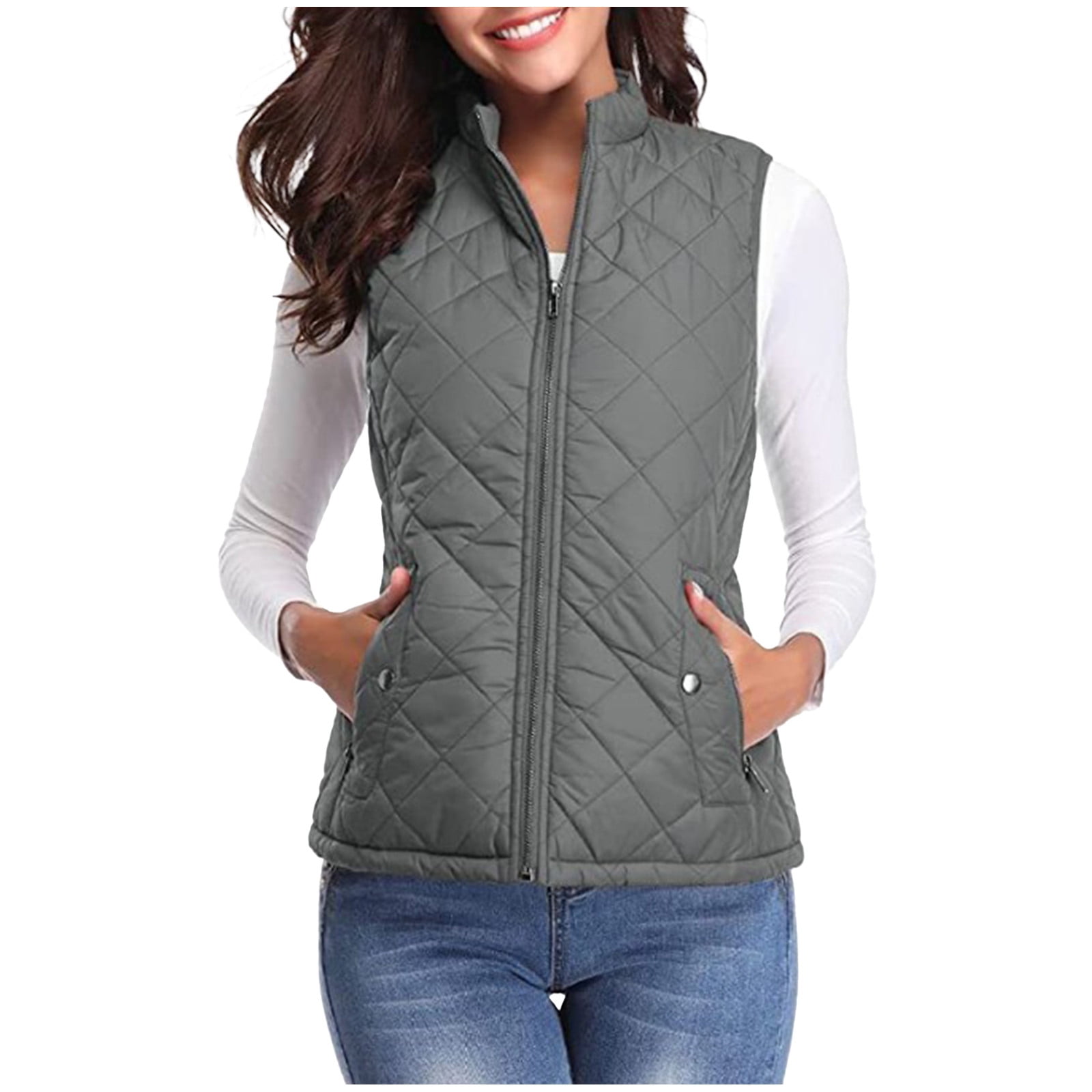
A women’s puffer vest is a sleeveless insulating outerwear piece designed to retain core body heat while maintaining shoulder and arm mobility. Choosing the ideal vest involves evaluating insulation types (down versus synthetic fill), fabric durability, baffle construction, and silhouette length. Proper selection ensures optimal thermal efficiency, weather resistance, and seamless layering for diverse climates and occasions.
Understanding Puffer Vest Construction: Insulation and Shell Materials
The thermal efficiency, weight, packability, and weather resistance of a puffer vest depend primarily on its internal insulation and external shell fabric. Understanding these structural components helps buyers select a vest tailored to specific climate conditions and activity levels.
Down vs. Synthetic Insulation
Insulation works by trapping warm air within small air pockets created by internal fibers or clusters. The two primary categories of insulation used in women's puffer vests offer distinct functional advantages:
- Natural Down: Consisting of the soft undercoating of geese or ducks, down delivers an exceptional warmth-to-weight ratio and superior compressibility. Down performance is measured by fill power (the volume in cubic inches that one ounce of down occupies, often expressed as CUIN).
- 500–600 Fill Power: Standard warmth suitable for everyday casual wear and moderate cold.
- 700–800+ Fill Power: Premium thermal efficiency ideal for freezing conditions, light technical layering, and maximum packability.
- Limitation: Natural down loses its insulating loft when wet and dries slowly, making untreated down unsuited for heavy rain or high-humidity environment exposure unless paired with a waterproof shell or treated with a hydrophobic coating.
- Synthetic Fill: Made from engineered polyester fibers designed to mimic the loft structure of down. Modern synthetic insulations (such as PrimaLoft, Thinsulate, or recycled polyfill) retain up to 90% of their insulating capacity when damp, dry rapidly, and are hypoallergenic. While slightly heavier and less compressible than high-fill-power down, synthetic options offer superior performance in rain, sleet, and humid environments, alongside easy machine-wash care.
Shell Fabrics, Denier Ratings, and Weather Coatings
The exterior fabric protects the insulation from abrasion, moisture penetration, and wind shear. When evaluating shell material quality, consider two main factors:
- Denier (D): This unit measures the thread weight and fiber thickness of the woven fabric. A lower denier rating (e.g., 10D to 20D nylon) yields an ultralight, soft-touch fabric ideal for packable inner-layer vests. A higher denier rating (e.g., 40D to 70D polyester or canvas blends) offers robust puncture resistance and durability, suitable for outdoor work or rugged hiking.
- Durable Water Repellent (DWR) Finish: Most quality puffer vests feature a DWR chemical coating applied to the exterior weave. DWR causes surface water to bead up and roll off rather than soaking into the fabric, protecting the internal insulation from atmospheric moisture.
Key Silhouette Variations and Body Fit Profiles
The cut and length of a puffer vest determine both its warmth coverage and its aesthetic integration with the rest of an outfit. Selecting the correct silhouette balances thermal coverage with visual proportions.
| Silhouette | Description |
|---|---|
| CROPPED (Waist/High-Hip) | Hits at or above natural waistline. Maximizes leg length; best for trends. |
| STANDARD (Mid-Hip) | Covers beltline to mid-hip. Classic proportions; versatile layering. |
| LONGLINE (Thigh to Knee) | Extends past hips down to mid-thigh/knee. Maximum wind protection & core coverage. |
Cropped Puffer Vests
Cropped puffer vests end at or slightly above the natural waistline. This truncated length highlights the waist and pairs naturally with high-waisted trousers, athletic leggings, or denim. While cropped designs reduce coverage around the lower back and hips, they offer unrestricted leg movement and eliminate bulk around the midsection, making them a popular choice for transitional weather and contemporary casual styling.
Standard Mid-Hip Vests
The standard profile terminates at mid-hip, balancing thermal protection across the abdomen and lower back with versatile mobility. This traditional cut slides easily under structural outer jackets when sized trimly, or serves as a standalone top layer over thick knit sweaters and fleece hoody baselayers.
Longline Puffer Vests
Longline vests extend from the upper thigh down to the knee. These designs provide maximum thermal insulation and torso coverage against cold winds. Longline vests frequently feature two-way front zippers or snap-button side vents to allow full stride freedom when walking or seated. They serve as ideal outer garments during deep winter conditions when full-torso warmth is required without restricting sleeve motion.
Quilting Patterns and Baffle Geometry
Baffles are the stitched compartments that hold insulation evenly in place, preventing fill migration and cold spots. The shape and scale of these stitching patterns alter both the functional loft and the visual silhouette:
- Wide Horizontal Baffles: Offer high loft and maximal insulation trap volume, creating a bold, classic puffer aesthetic.
- Narrow / Micro Baffles: Create a slim profile with lower bulk, making the vest easier to layer underneath coats or blazers.
- Diagonal and Chevron Quilting: Angle lines inward toward the torso centerline, creating an elongating visual effect that reduces perceived bulk.
- Diamond or Square Grid Stitching: Distributes fill evenly across flat panels, often used in lightweight transitional or equestrian-style vests.
Comparative Analysis of Puffer Vest Types
To select the right garment, compare how key structural variations perform across practical environment requirements and functional features.
| Vest Category | Best Use Case | Primary Insulation Type | Relative Warmth Rating | Key Structural Feature |
|---|---|---|---|---|
| Ultralight Packable | Travel, mid-layer skiing, cool weather | High-loft down (700+ FP) or micro-synthetic | Moderate | Thin 15D–20D nylon shell; compresses into self-contained pouch |
| Classic Daily Casual | Everyday commuting, weekend errands | Mid-grade down (500–600 FP) or standard polyfill | High | Medium horizontal baffles; fleece-lined handwarmer pockets |
| Technical Outdoor | Hiking, camping, alpine sports | Hydrophobic down or PrimaLoft Gold | High to Extreme | Reinforced ripstop shell; adjustable storm collar; DWR finish |
| Longline Statement | Deep winter urban wear, low-activity outdoors | Synthetic blown fill or heavy down blend | Extreme (Torso/Thigh) | Extended length (thigh to knee); 2-way front zipper; side snaps |
| Cropped Athleisure | Activewear layering, transitional fashion | Lightweight synthetic polyfill | Low to Moderate | High waistline cut; cinched drawcord hem; matte finish |
How to Style a Puffer Vest for Different Occasions
Integrating a puffer vest into an ensemble requires balancing upper-body volume with structured lower-body garments to maintain cohesive proportions.
- Casual Athleisure
- Cropped/Standard Synthetic Vest
- Fleece Hoodie or Crewneck
- High-Waisted Leggings/Joggers
- Smart-Casual Layering
- Fitted Micro-Baffle Matte Vest
- Ribbed Turtleneck / Knit
- Tailored Trousers / Straight Denim
Casual Everyday and Athleisure
For relaxed daily wear or trips to the gym, pair a cropped or standard-length puffer vest with activewear baselayers.
- Base: A fitted crewneck sweatshirt, athletic hoodie, or ribbed long-sleeve top.
- Bottoms: High-waisted leggings, tailored joggers, or relaxed denim jeans.
- Footwear: Low-top retro sneakers or lug-sole chelsea boots.
- Styling Tip: Leave the vest partially unzipped to create a vertical center line that prevents the torso from appearing boxy.
Smart-Casual Office and Layered Workwear
A streamlined, micro-baffle puffer vest adds thermal efficiency without compromising a polished office aesthetic. Opt for matte-finish fabrics in neutral tones such as black, navy, camel, or olive over shiny metallic finishes.
- Base: A fine-gauge merino wool turtleneck or crisp button-down shirt.
- Outer layer (Optional): Wear a low-profile vest under a relaxed-fit wool coat or structured trench.
- Bottoms: Straight-leg tailored trousers, wide-leg wool pants, or dark-wash denim.
- Footwear: Heeled ankle boots, leather loafers, or clean dress flats.
Cold-Weather Outdoor Activity and Technical Layering
When participating in hiking, snowshoeing, or winter commuting, use the puffer vest as an active insulating layer within a three-part clothing system:
- Base Layer: Moisture-wicking synthetic or merino wool long-sleeve top to draw sweat away from the skin.
- Mid-Layer (Puffer Vest): Retains core heat around vital organs while allowing arms to release excess warmth during physical exertion.
- Outer Shell (If needed): A breathable, waterproof hardshell jacket layered over the vest during heavy rain or snowstorm conditions.
Practical Buying Considerations: Fit, Hardware, and Functionality
Evaluating construction hardware and functional trim details ensures the vest performs reliably under daily use.
Collar and Hood Styles
- Stand Collar: A stiffened upright collar that shields the neck from wind drafts without adding weight or interference when layering under coats.
- Attached vs. Detachable Hoods: Hoods offer additional protection against precipitation and wind. Detachable zip-off hoods provide design versatility between storm protection and low-profile layering.
- V-Neck Profile: Designed specifically to remain invisible when worn underneath formal outer jackets or deep-cut coats.
Closure Systems and Hardware
- Zipper Quality: Look for heavy-duty YKK or coated water-resistant zippers. A two-way zipper (which unzips from both the top and bottom) is essential on longline vests to allow seated comfort and unhindered movement.
- Storm Flaps: A strip of fabric overlapping the front zipper—either exterior or interior—blocks wind from penetrating zipper teeth.
- Hem Drawcords: Elastic shock cords built into the bottom hem allow you to cinch the vest snug against the body, sealing out rising cold drafts.
Sizing and Layering Room
When choosing a size, evaluate what garments will sit underneath the vest:
- If buying an everyday vest intended for wear over thick winter knits, hoodies, or fleece jackets, buy your standard size or consider sizing up if the chest cut runs narrow.
- If buying an insulating mid-layer vest designed to fit underneath tailored coats, select a snug, true-to-size fit to prevent excess fabric from bunching under the arms.
Care, Maintenance, and Storage Guidelines
Maintaining puffer vest loft and fabric integrity extends the functional lifespan of both down and synthetic fills.
| Maintenance Step | Action |
|---|---|
| 1. WASHING | Front-load machine; gentle cycle; cold water; specialized down or technical wash detergent. |
| 2. DRYING | Tumble dry LOW heat; add 3 clean tennis/dryer balls to break up wet insulation clumps completely. |
| 3. RE-PROOFING | Spray DWR re-waterproofing agent on clean shell fabric when water stops beading on surface. |
| 4. STORAGE | Hang uncompressed on broad wooden hanger in a cool, dry, dark space; avoid tight compression sacks. |
Washing Procedures
Never dry-clean down puffer vests, as harsh dry-cleaning solvents strip natural oils from down feathers, causing them to become brittle and collapse.
- Preparation: Zip up all closures, fasten hook-and-loop tabs, turn the vest inside out, and brush away loose debris.
- Machine Type: Use a front-loading washing machine or a top-loader without a center agitator pole, which can tear delicate baffles.
- Detergent: Wash with cold water on a delicate cycle using a specialized down cleaner (e.g., Nikwax Down Wash) or a mild, residue-free liquid detergent. Do not use fabric softeners or bleach.
Drying and Restoring Loft
Drying is the critical step for restoring insulation loft:
- Place the wet vest in a dryer set to low heat. High heat can melt synthetic shells or shrink internal baffle tape.
- Add two to three clean tennis balls or wool dryer balls into the drum. The agitation continuously tumbles against the fill, breaking up damp insulation clumps and distributing loft evenly across the baffles.
- Expect the drying cycle to require 2 to 3 full passes. Ensure the vest is completely dry inside out before removing it; lingering interior moisture can cause mildew.
Re-Applying DWR Coatings and Off-Season Storage
Over time, friction and laundering wear away the exterior DWR coating. If rainwater begins soaking into the face fabric rather than form-beading, spray a wash-in or spray-on DWR restoration product onto the clean exterior face fabric and activate it with mild dryer heat.
For seasonal storage:
- Store the vest clean in a dry, temperate space out of direct sunlight.
- Do not store vests compressed in tight stuff sacks for extended months; prolonged compression permanently damages natural down structure and flattens synthetic crimp fibers. Hang the garment loosely on a broad coat hanger or place it inside a breathable cotton garment bag.
Frequently Asked Questions
Should you size up or down in a women's puffer vest?
Select your true size if you plan to wear the vest as a streamlined mid-layer underneath heavier coats, or over thin baselayers. Size up one size if you intend to wear the vest as your primary outer layer over bulky heavyweight fleece jackets, chunky cable-knit sweaters, or oversized hoodies.
Can you wear a puffer vest in heavy rain?
Standard puffer vests are weather-resistant, not fully waterproof. While a fabric treated with a DWR finish repels light rain showers and snow, prolonged heavy rainfall eventually penetrates stitch seams and shell fabrics. For heavy rain, choose a synthetic-filled vest with taped seams and a waterproof membrane, or layer a waterproof hardshell coat over your vest.
How do down and synthetic puffer vest fills compare?
Down insulation provides superior warmth per ounce, packs down smaller for travel, and lasts longer with proper care, but it suffers loss of thermal efficiency when wet. Synthetic fill is heavier and slightly bulkier, but retains warmth when exposed to moisture, dries rapidly, is easier to machine wash, and generally costs less.
How do you style a longline puffer vest without creating a bulky silhouette?
Balance the volumetric scale of a longline vest by keeping the underlying layers form-fitting. Pair the long vest with slim jeans, leggings, or a fitted ribbed turtleneck dress. Leaving the front zipper partially undone creates a vertical vertical opening line, while using side-hem snaps or built-in waist drawstrings helps define your natural frame.
How to Choose the Right Puffer Vest for Your Wardrobe
To identify the single best puffer vest for your specific needs, evaluate your primary environmental conditions and existing outfit rotation against three main practical criteria:
- Assess Your Climate: If you face damp, rainy, or slushy conditions, select a synthetic insulated vest with a minimum 30D DWR-treated shell. If you operate in dry, freezing alpine conditions where light weight and extreme warm-to-pack ratio matter most, invest in a 700+ fill-power down vest.
- Define Your Layering Position: If the vest will serve as an inner thermal layer beneath tailored overcoats, choose a cropped or standard-length micro-baffle vest with a stand or V-neck collar. If the vest will be your top layer against winter winds, choose a wide-baffle or longline profile with an integrated hood.
- Confirm Hardware Versatility: Ensure any vest longer than mid-hip features a two-way zipper or side-vent snaps to allow comfortable sitting and full leg stride freedom, preventing zipper stress and premature hardware wear over time.