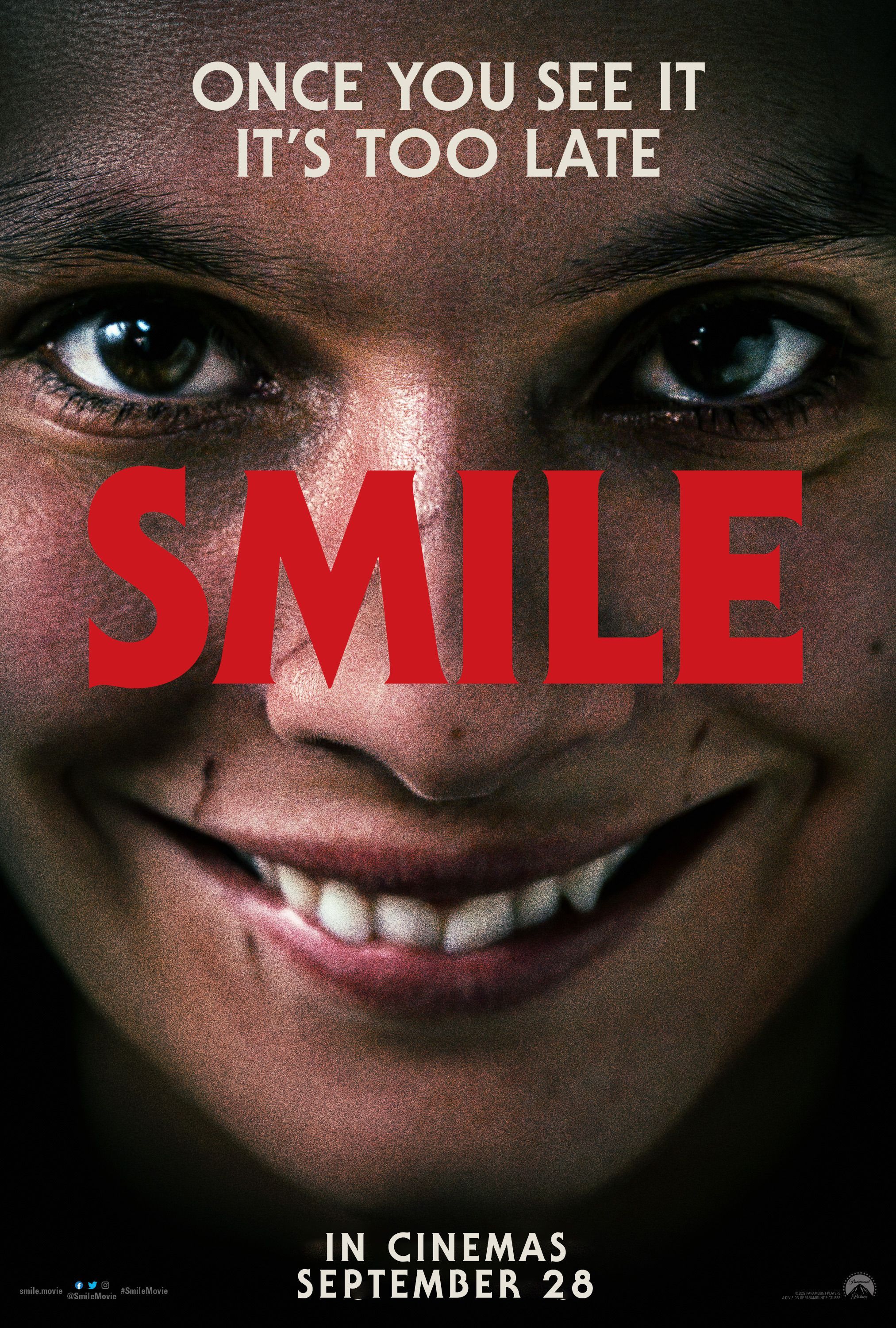
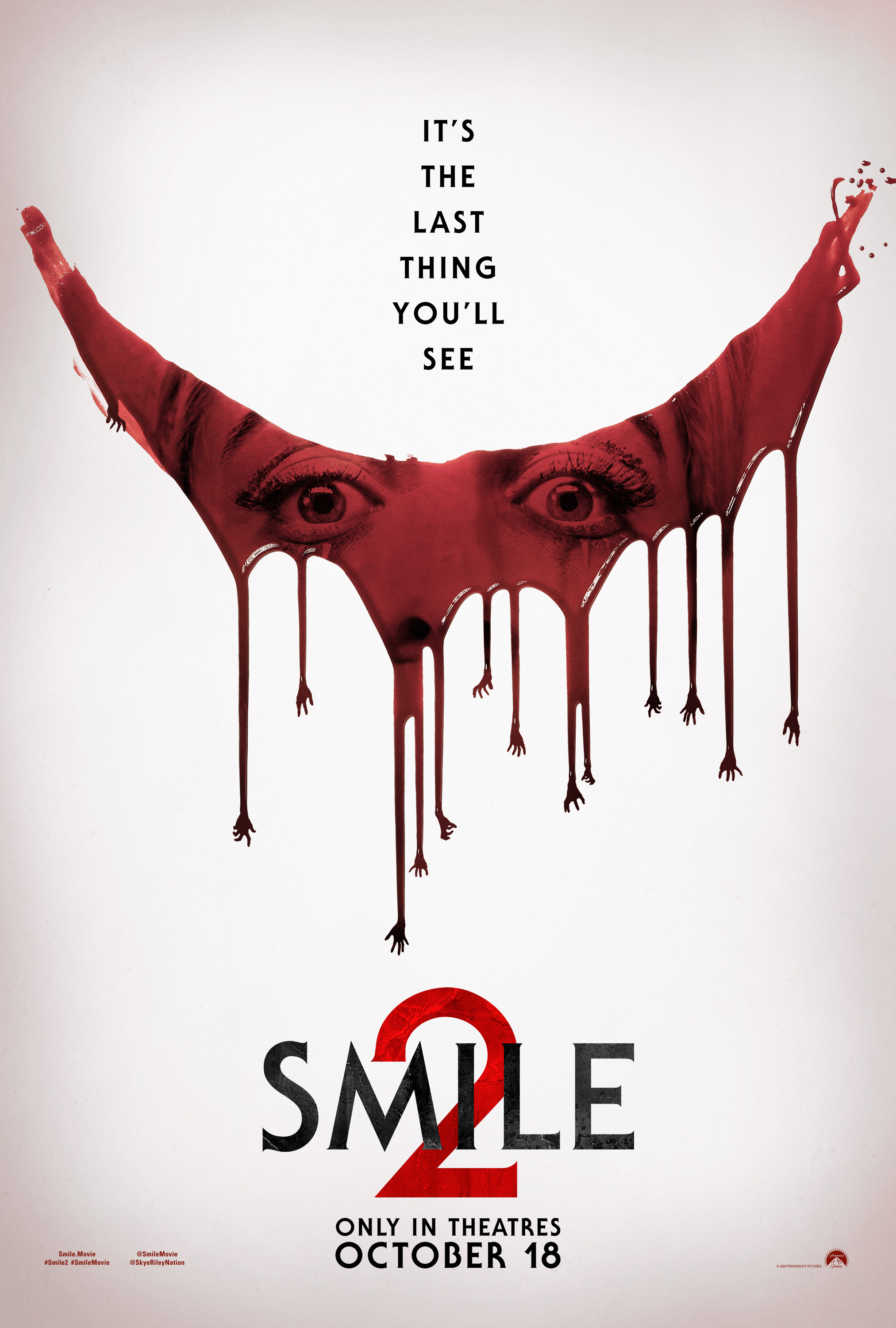
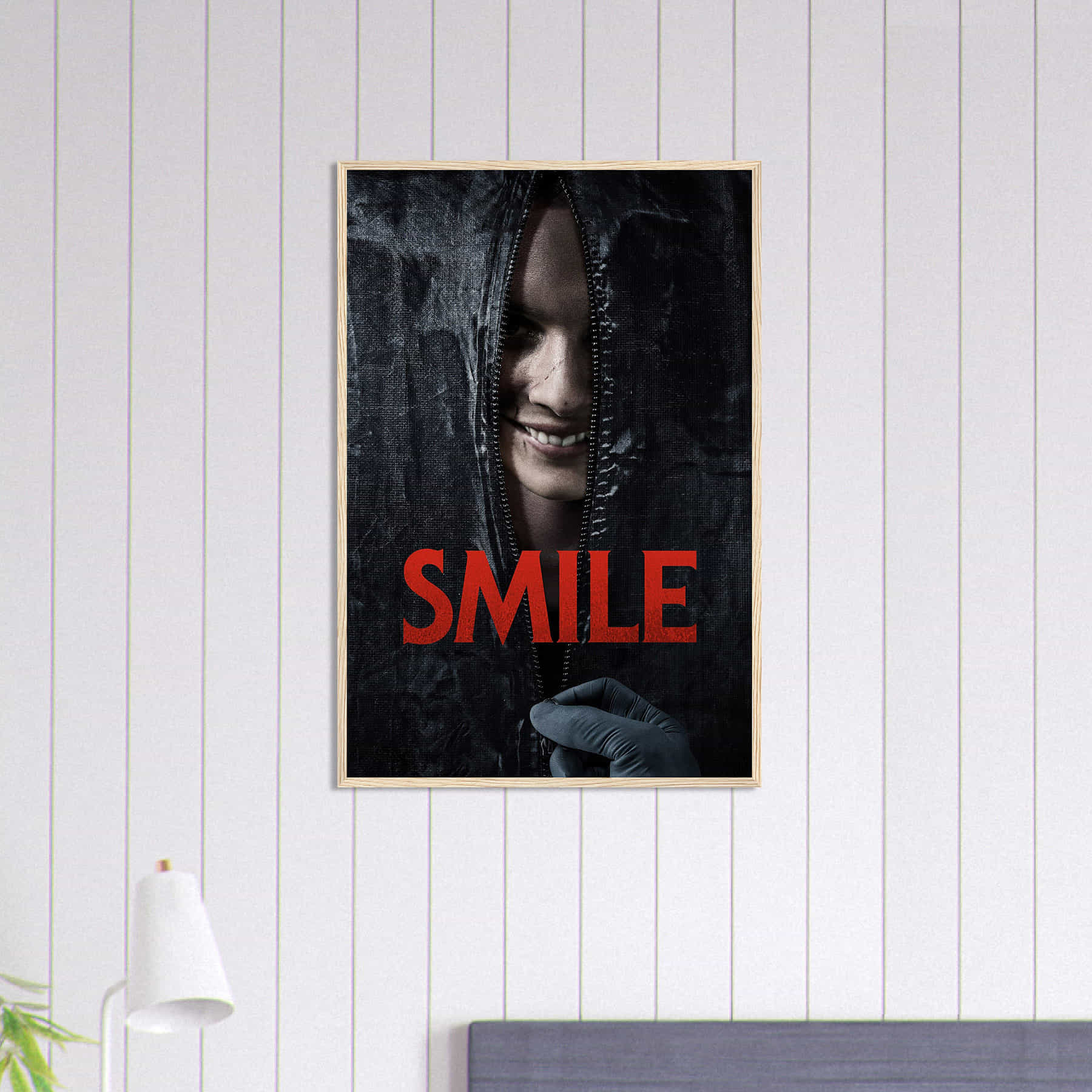
Movie "Smile" ads refer to the viral ambient marketing campaigns created by Paramount Pictures to promote the horror films Smile (2022) and Smile 2 (2024). By placing actors with frozen, unsettling grins in high-visibility live television broadcasts and public spaces, the studio turned traditional guerrilla advertising into a global social media phenomenon.
The Origins and Mechanics of the "Smile" Ambient Campaign
The viral marketing campaign for the 2022 horror film Smile stands as one of the most effective guerrilla promotional strategies in modern film distribution. Deployed by Paramount Pictures in partnership with specialized experiential marketing agencies, the campaign was designed to solve a common challenge in movie marketing: breaking through digital advertising clutter to generate authentic, organic conversation.
Rather than relying solely on conventional trailers, paid digital pre-roll, and standard physical billboards, the marketing team focused on the core narrative hook of the film. In the movie's lore, a supernatural entity haunts victims by appearing as ordinary human beings wearing rigid, horrifying smiles before driving them to violent outcomes. To replicate this threat in the real world, the studio executed a low-cost, high-impact ambient stunt in public, live-televised spaces.
- Target High-Visibility Live Event
- Position Performers in Camera Sightlines
- Execute Uncanny Visual Cue (Frozen Smile + High-Contrast Apparel)
- Viewer Discovery & Broadcast Capture
- Social Media Amplification & Earned Media Coverage
The core strategy relied on three operational elements:
- Strategic Media Placement: Creative strategists purchased high-value seats directly behind home plate at Major League Baseball (MLB) games during nationally televised broadcasts. These seats guaranteed constant, uninterrupted camera visibility throughout hours of live programming on networks like ESPN, Fox Sports, and regional sports networks.
- Strict Performance Guidelines: Hired actors were directed to sit completely still, maintain unbroken eye contact with the primary broadcast cameras, and hold a wide, unnatural smile for extended periods. They did not shout, wave, or disrupt the sporting events, preserving an uncanny atmosphere that contrasted sharply with the surrounding cheering crowd.
- High-Contrast Wardrobe: Performers wore bright, solid-colored clothing—most notably bright neon yellow T-shirts featuring the single word "SMILE" printed across the chest—making them instantly recognizable even in crowded wide-angle stadium shots.
Campaign Progression: Smile (2022) vs. Smile 2 (2024)
The execution of the "Smile" ad campaign evolved significantly between the original release and its 2024 sequel. Analyzing how the strategy expanded illustrates how studios scale ambient concepts once audience awareness has been established.
The 2022 Debut Campaign
The original campaign began unannounced in late September 2022, approximately one week before the first film's theatrical debut. Actors appeared at high-profile MLB games, including matchups featuring the New York Mets, Los Angeles Dodgers, and Boston Red Sox. Performers were also spotted in the background audience of morning television programs, including NBC’s Today show, as well as in public transit hubs like New York City's Penn Station.
Because Paramount offered no immediate context or official press releases during the initial appearances, viewers on second-screen devices began capturing broadcast clips and posting them to platforms such as X (formerly Twitter), TikTok, and Reddit. The mysterious nature of the stunt drove massive organic search traffic as users tried to determine whether the incidents were real, staged, or part of a coordinated alternate reality game (ARG).
The results were transformative for the property. Originally intended for a direct-to-streaming debut on Paramount+, strong test screenings had prompted a theatrical release. Driven largely by the viral momentum of the smile campaign, the movie was produced on a budget of approximately $17 million and generated over $217 million in global box office revenue.
The 2024 Sequel Expansion (Smile 2)
When marketing Smile 2 for its October 2024 release, Paramount could no longer rely on total anonymity, as audiences were already familiar with the core concept. The studio adapted by widening the scope of the physical campaign and incorporating transmedia narrative elements tied to the sequel's plot, which follows a fictional global pop star named Skye Riley (played by Naomi Scott).
The 2024 campaign expanded across several distinct channels:
- Real-World Infiltration: Smiling performers returned to major sporting events, including MLB games and NFL broadcasts, but were also deployed to high-profile entertainment events such as red-carpet appearances and music festivals.
- Transmedia Brand Extensions: Paramount launched fully realized digital platforms for the fictional protagonist Skye Riley, including verified Instagram accounts, realistic music videos, and actual song drops on Spotify and Apple Music.
- Global Out-of-Home Takeovers: Street-level performers wearing official Skye Riley tour merchandise stood motionless with frozen smiles in heavily populated metro centers, including Times Square in New York, Leicester Square in London, and major international hubs.
The Psychology and Economics of Ambient Horror Marketing
The remarkable success of the "Smile" ads provides valuable insights into consumer psychology and media buying efficiency. Understanding why these stunts resonated requires looking at both human perceptual biases and modern media consumption habits.
Exploiting the Uncanny Valley
The campaign relies heavily on the psychological phenomenon known as the "uncanny valley"—the emotional discomfort triggered when something appears almost human, but is subtly unnatural. A smile is universally recognized as a non-threatening, positive social indicator. By holding a smile beyond a natural duration, eliminating normal facial micro-expressions, and combining it with unblinking eye contact, performers transform a sign of warmth into an overt signal of danger.
This subversion creates immediate cognitive dissonance. When television viewers scanning a sporting event spot an individual exhibiting this incongruous behavior amid a cheering crowd, their brain automatically flags the anomaly, driving heightened attention and curiosity.
- Standard Social Cue (Warm Smile)
- Expectation: Friendly Interaction
- Subversion Applied:
- Static Position + Extended Duration
- Cognitive Dissonance
- High Psychological Retention
Earned Media Value vs. Paid Advertising
Traditional film marketing campaigns dedicate significant portions of their budgets to purchasing paid ad spots on linear network television, digital video platforms, and high-density billboard networks. A single 30-second commercial during a prime-time sporting event can cost hundreds of thousands of dollars.
By contrast, the direct costs of the "Smile" stunt were minimal:
- Standard premium seat tickets at live athletic venues.
- Per diem compensation and fees for professional actors.
- Minimal wardrobe and logistics overhead.
The financial efficiency of this approach stems from the concept of Earned Media Value (EMV). When news outlets, morning talk shows, sports commentators, and millions of social media users discuss a stunt organically, the studio receives broadcast coverage and impression volume worth tens of millions of dollars at a fraction of the price of paid media placements.
Second-Screen Viewership Dynamics
Modern media consumption is defined by multi-screening; viewers routinely watch television while engaging with smartphones. The "Smile" campaign was custom-built for this environment. The visual shock of a smiling actor on a live broadcast encouraged viewers to snap photographs of their TV screens, upload video clips, and tag sports accounts. This created a real-time feedback loop between traditional linear broadcasting and digital social networks.
Strategic Comparison: Traditional vs. Ambient Guerrilla Campaigns
To understand where the "Smile" ad framework fits within the broader advertising landscape, it is helpful to compare traditional film marketing methods against ambient guerrilla strategies.
| Strategic Metric | Traditional Film Marketing (Trailers, TV Spots) | Standard Physical OOH (Billboards, Bus Shelters) | Ambient Guerrilla Stunts ("Smile" Model) |
|---|---|---|---|
| Primary Media Reach | Mass audience through paid networks | High local volume via transit/roadways | Live event broadcasts & social media virality |
| Relative Cost-Efficiency | Moderate to Low (High capital expenditure required) | Moderate (Fixed rental rates per cycle) | Extremely High (Low operational costs, high earned media) |
| Audience Engagement Level | Passive consumption | Passive observation | Active participation, sharing, and investigation |
| Social Media Amplification | Depends on trailer quality and ad spend | Limited (Requires exceptional visual design) | Inherent (Built specifically for digital sharing) |
| Narrative Integration | Direct exposition via movie clips | Static imagery and key art | Immersive, real-world thematic replication |
| Execution Risk Profile | Low (Predictable, controlled messaging) | Low (Standardized approval workflows) | Moderate (Requires venue compliance & precise performance) |
Operational Lessons for Experiential Marketers
While the "Smile" campaign appeared spontaneous to viewers, executing ambient stunts of this nature requires detailed operational planning. Marketers attempting to replicate this model must manage venue compliance, safety protocols, and precise performance direction.
1. Venue Rules and Regulatory Compliance
One of the primary risks of ambient guerrilla marketing is venue intervention. If performers disrupt an event, throw objects, or harass attendees, stadium security will quickly eject them, potentially resulting in negative press or legal liability. Paramount’s performers succeeded because they remained strictly within venue guidelines: they purchased valid tickets, stayed in their assigned seats, and refrained from aggressive physical interactions.
2. Casting and Physical Staging
Holding a rigid, facial expression while remaining physically still for hours is demanding work. Paramount hired trained physical actors capable of controlling their body language under pressure. Performers were given clear boundaries regarding how long to hold smiles, when to break for short intervals to avoid fatigue, and how to react if approached by stadium staff or curious fans.
3. Sightline and Camera Angle Mapping
Not all stadium seats provide equal visibility. The strategic placement of actors required analyzing broadcast camera layouts for specific stadiums. Behind-the-plate seating was selected because the central home-plate tracking camera remains active for virtually every pitch thrown during a baseball game, ensuring that actors occupied the background frame for hours of live broadcast time.
Frequently Asked Questions
What were the "Smile" movie ads and how did they work?
The "Smile" movie ads were a series of viral ambient marketing stunts executed by Paramount Pictures to promote the horror films Smile (2022) and Smile 2 (2024). Hired actors wearing high-contrast clothing were positioned in high-visibility public locations—most notably directly behind home plate at live Major League Baseball games—where they held eerie, unblinking smiles while staring into broadcast cameras.
Were the actors at the sports games paid by Paramount Pictures?
Yes. The smiling individuals seen at MLB games, live television broadcasts, and public transportation hubs were professional actors hired by Paramount Pictures and their partner marketing agencies as part of a coordinated promotional stunt.
How much did the "Smile" viral campaign cost compared to traditional ads?
While exact execution budgets remain proprietary, the physical cost of the initial MLB campaign was remarkably low. Purchasing stadium tickets and paying day rates for actors cost a small fraction of a single standard 30-second network television ad spot, while producing tens of millions of dollars in earned media value through organic news coverage and social media shares.
Did the "Smile" marketing campaign directly impact box office revenues?
Industry analysts widely attribute the franchise's commercial success to its innovative marketing campaign. The original Smile (2022) generated over $217 million globally against a $17 million budget, while Smile 2 (2024) opened to strong box office returns, driven largely by intense social media tracking and high brand awareness created by the stunts.
How did the marketing for Smile 2 differ from the 2022 campaign?
Because the original surprise element could not be duplicated for the 2024 sequel, Paramount scaled up the campaign by introducing transmedia narrative components. This included creating authentic music releases, social media accounts, and billboards for the movie's fictional pop star character Skye Riley, alongside international street-level performer deployments in major global markets.
Practical Action Plan for Ambient Viral Campaigns
For brand strategists, creative directors, and entertainment marketers seeking to build ambient campaigns inspired by the Smile model, execution should follow a disciplined process:
- Identify the Core Narrative Visual: Isolate a single, striking visual element from the product or film that can be instantly recognized without contextual text (e.g., an unnerving smile, a specific garment, or a unique physical motion).
- Map High-Density Broadcast Sightlines: Locate venues and broadcast events where static camera angles provide prolonged exposure to large live and television audiences. Ensure ticket placement aligns precisely with primary broadcast frames.
- Establish Strict Performer Protocols: Train physical performers to maintain character discipline while adhering strictly to venue regulations to avoid ejection, security interventions, or public safety issues.
- Prepare the Second-Screen Funnel: Ensure digital channels, social search keywords, and landing pages are indexed and ready to capture organic audience queries the moment public curiosity triggers online searches.
By shifting focus from traditional paid placement to psychological subversion and ambient sightline takeover, studio campaigns like Smile demonstrate how creative physical execution can yield outsized digital rewards.