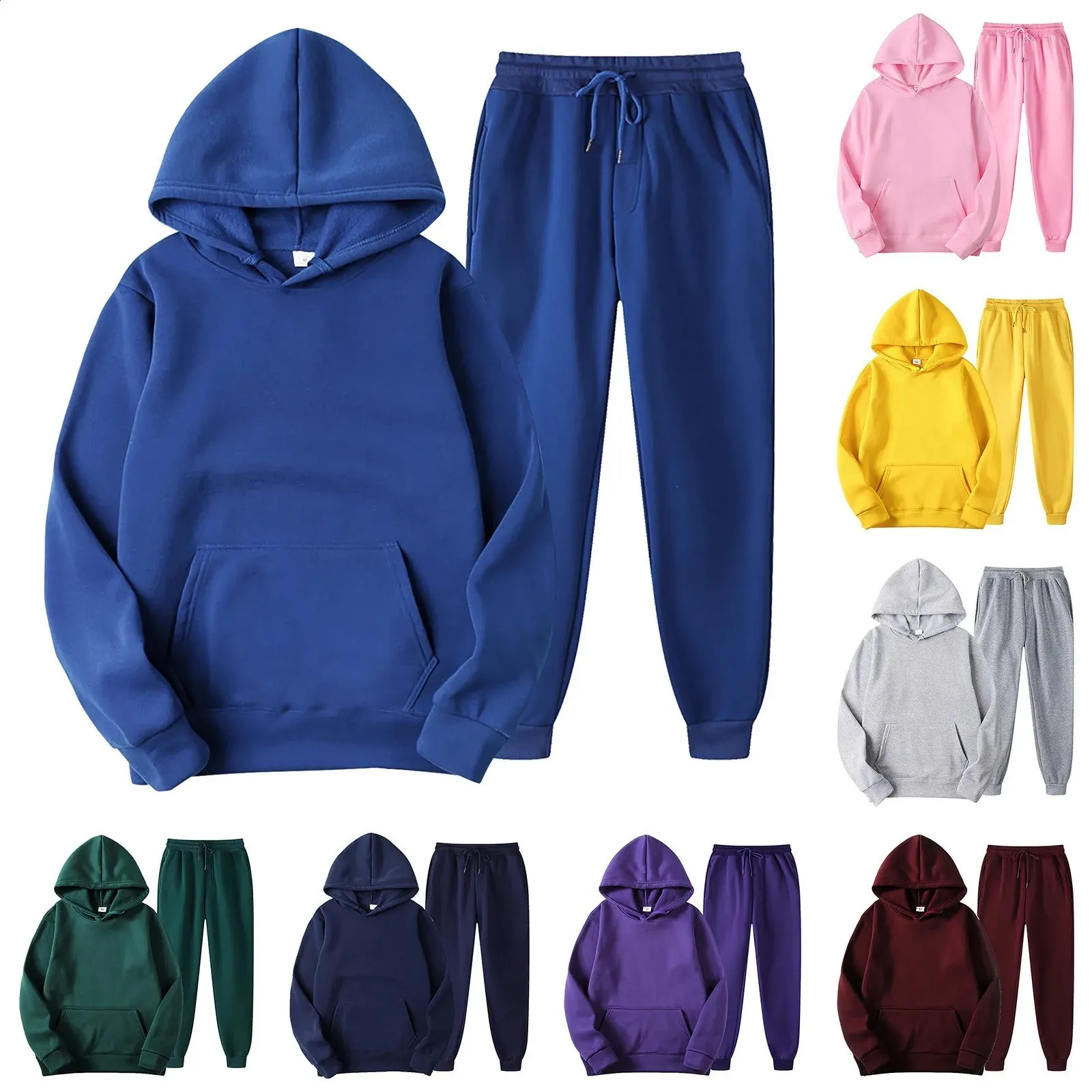
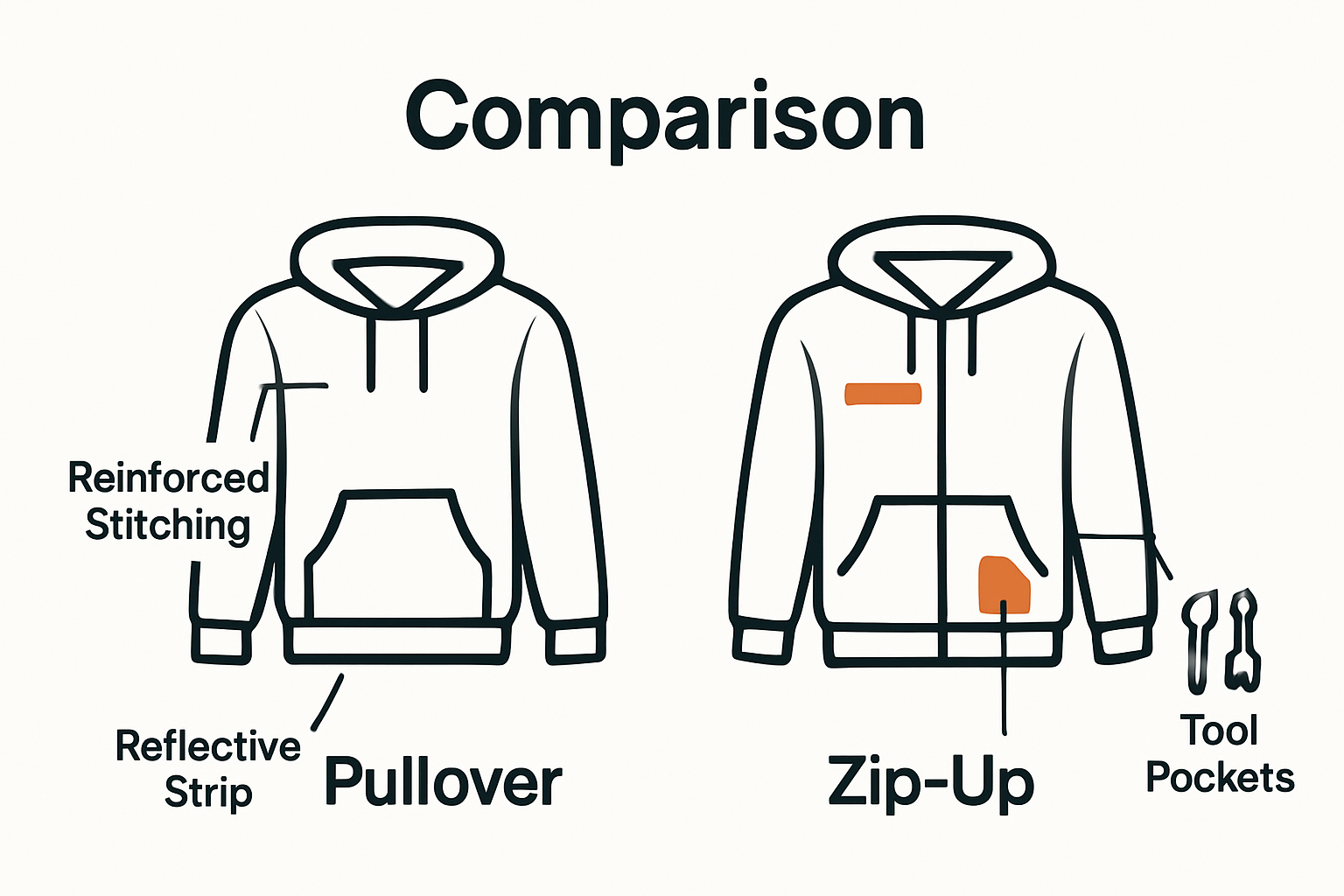
A comprehensive guide to hoodies by gender highlights the architectural, sizing, and structural differences between men’s, women’s, and unisex silhouettes. While all hoodies provide core comfort and utility, distinct gender-based pattern drafting alters shoulder width, torso taper, sleeve length, chest volume, and hem circumference to complement different body shapes and styling preferences.
Pattern Engineering: How Gender-Specific Cuts Differ in Construction
Understanding garment pattern drafting reveals why a men’s, women’s, and unisex hoodie of the same labeled size fit dramatically differently. Garment pattern makers design hoodies using baseline body scans and anatomical averages, which influence how fabric panels are cut, stitched, and draped across the torso.
Shoulder Seams and Sleeve Cap Height
In traditional apparel design, men’s hoodies feature broader shoulder seams and lower sleeve caps. This creates a relaxed armhole that allows full movement across wider upper backs. Women’s hoodies typically utilize a narrower shoulder width paired with a steeper sleeve cap. This construction aligns the shoulder seam closer to the natural acromion process (the top point of the shoulder bone), preventing excess fabric from bunching under the armpits. Unisex designs bridge this gap by adopting a dropped-shoulder design, shifting the shoulder seam down the upper arm so the garment sits comfortably regardless of actual frame width.
Chest-to-Waist Ratios and Side-Seam Geometry
The silhouette of a hoodie is largely determined by its side seams:
- Men’s Hoodies: Patterned with straight, vertical side seams running from the armpit to the bottom hem. The chest-to-waist ratio remains nearly 1:1, offering a boxy or rectangular drape.
- Women’s Hoodies: Frequently feature contoured side seams that taper inward at the natural waist and flare slightly outward at the high hip. This hourglass grading accommodates bust volume while preventing fabric ballooning around the midsection.
- Unisex Hoodies: Utilize completely linear side seams, similar to men’s cuts, but reduce overall volume through the torso to accommodate diverse body shapes without requiring waist darts or subtle tapering.
Torso Length and Hem Opening Width
Torso length and ribbing circumference vary significantly by gender category. Men’s hoodies feature longer vertical torso panels and tighter hem ribbing designed to rest low at the hips. Women’s hoodies offer a wider spectrum of torso lengths—ranging from high-waist cropped cuts to standard mid-hip lengths—and feature wider hem openings to clear the natural flare of the hips without riding up during movement.
Men’s Hoodies: Structural Characteristics and Fit Nuances
Men’s hoodies are traditionally built around straight geometry, emphasis on mobility, and generous vertical proportions. Whether designed as athletic warm-up gear, heavy workwear, or streetwear layering pieces, men's hoodie cuts prioritize a broad upper torso and straight hang.
[ Wide Shoulder Seams ] / \ [ Deep Armhole ] [ Deep Armhole ] | | | Straight Side Seams | (1:1 Chest-to-Waist Ratio) | | [ Narrower Ribbed Hem ]
Key Design Attributes of Men's Cuts
- Generous Armhole Depth: Men’s hoodies feature deeper armholes and wider bicep circumference. This extra room allows for easy layering over t-shirts, flannels, or long-sleeve base layers without restricting movement.
- Elongated Sleeves: Sleeve lengths in men’s sizing account for longer average arm spans, with ribbed cuffs engineered to rest firmly at the wrist bone.
- Straight Torso Wall: Because traditional men’s patterns do not taper at the waist, the fabric hangs straight down from the armpits to the hem, creating a clean, structured silhouette.
Fabric Weights and Structural Integrity
Men’s hoodies often employ heavier fabric weights, typically ranging from 350 GSM (grams per square meter) to 500+ GSM in fleece or heavy French terry. These denser fabrics hold a rigid shape, maintaining the structured, boxy drape characteristic of classic menswear. Hood construction on men’s garments also tends to feature deeper, double-lined 3-panel hoods designed to fit over thick headwear or caps without pulling the back collar upward.
Women’s Hoodies: Tailored Silhouettes, Crops, and Proportioning
Women’s hoodie designs focus on anatomical tailoring, proportion balance, and varied silhouette options. Rather than simply scaling down a men’s garment, manufacturers draft women’s hoodies using specialized patterns that account for bust volume, shorter average torso lengths, and natural hip structure.
[ Narrow Shoulder Seams ] / \ [ Tailored Armhole ] [ Tailored Armhole ] \ / \ Curved Waist Taper / (Waist Inset for Bust/Hip Balance) / \ [ Wider Ribbed Hem ]
Distinctive Design Elements in Women's Hoodies
- Proportionate Sleeve and Torso Ratios: Women’s hoodies typically feature shorter sleeve lengths and shorter overall torso measurements. This ensures the bottom hem rests at an intentional height—such as the natural waist, top of the hip, or mid-thigh—rather than gathering awkwardly around the upper legs.
- Anatomical Bust and Hip Allowance: Pattern makers add subtle curve grading along the front and side panels to ensure the hoodie fits comfortably across the chest without creating excessive fold lines under the arms or tension across the hip line.
- Variable Hem Designs: Unlike the uniform tight ribbing found on most men's cuts, women’s hoodies offer diverse hem finishes, including open side slits, relaxed elastic-free hems, cropped elastic bands, or extended tunic lengths.
Balancing Oversized Aesthetics with Tailored Frames
When women seek an oversized look, choosing an extra-large women’s hoodie often yields a better fit than buying a men’s sizing equivalent. A scaled-up women’s hoodie increases chest and torso volume while retaining adjusted sleeve caps and neck openings, preventing the collar from gaping open or the sleeves from completely covering the hands.
Unisex and Gender-Neutral Hoodies: The Modern Middle Ground
Unisex hoodies have become an industry standard across modern retail, promotional wear, and streetwear brands. Designed to accommodate all body types within a single grading system, unisex garments blend structural elements from both men’s and women’s pattern bases.
The Architectural Mechanics of Unisex Design
Unisex hoodies are almost universally built using a modified men’s straight-cut template, but with calibrated adjustments:
- Dropped Shoulders: By extending the shoulder slope downward, the garment sits naturally on both wide and narrow shoulders without pulling or bunching.
- Moderate Armhole Placement: Armholes are set higher than traditional men’s workwear but lower than tailored women’s cuts, balancing mobility with a streamlined look.
- Flexible Ribbing: The bottom hem and wrist cuffs utilize high-spandex ribbing, allowing the fabric to stretch easily over wider hips while retracting neatly on narrower frames.
Navigating Unisex Sizing Conversions
Because unisex hoodies use a male-standard base frame, women usually need to adjust their size selection based on how they want the hoodie to fit.
- For a Fitted Look: Women generally select one size down from their standard women's size (e.g., a women's Medium chooses a unisex Small).
- For a Relaxed or Streetwear Look: Women should choose their true size, which provides a slightly oversized shoulder drop and extra torso length.
- For Men: Men should order their true size for a standard fit, or size up one full size if seeking an exaggerated, relaxed silhouette.
Comparing Hoodie Specifications by Gender Category
To clearly understand how construction details vary, the table below compares key structural elements across men’s, women’s, and unisex hoodie designs:
| Garment Feature | Men’s Hoodie | Women’s Hoodie | Unisex / Gender-Neutral Hoodie |
|---|---|---|---|
| Shoulder Width | Broad; seam sits directly at outer shoulder edge. | Narrow; seam positioned closer to the neck base. | Dropped; seam hangs past the shoulder joint. |
| Torso Silhouette | Straight cut (1:1 chest-to-waist ratio). | Contoured/tapered waist or deliberate crop. | Straight-walled box cut. |
| Sleeve Length & Volume | Long; full volume through bicep and forearm. | Shorter; closer fit through arm and wrist. | Medium-long; balanced sleeve volume. |
| Hem Circumference | Narrow to medium with firm ribbed hold. | Medium to wide with flexible or open hem finish. | Medium elasticity; adapts to multiple hip widths. |
| Neckline & Hood Depth | Wider neck opening; deep 3-panel hood option. | Fitted neck opening; proportional 2-panel hood. | Standard neck opening; medium-depth hood. |
| Sizing Baseline Reference | Standard Men's Alpha (S, M, L, XL, 2XL). | Standard Women's Alpha (XS, S, M, L, XL). | Men's Alpha Baseline (Women scale down 1 size). |
How to Select the Right Hoodie Fit for Your Body Type and Style
Choosing the ideal hoodie depends on understanding your frame, layer preferences, and how different fabrics behave over time. Use these practical criteria when evaluating hoodie options:
1. Evaluate Fabric Weight and Density (GSM)
- Lightweight (200–280 GSM): Best for layering under leather jackets or denim coats, preferred in tailored women's and slim unisex cuts.
- Midweight (300–380 GSM): The standard all-season fleece weight. Provides structural stability while remaining soft enough to drape naturally on any frame.
- Heavyweight (400+ GSM): Ideal for structured, boxy silhouettes. Heavyweight fabrics hold their own shape rather than conforming to body contours, making them popular in men’s and oversized unisex streetwear.
2. Check Hood Construction
- Two-Piece Hoods: Constructed with a single center seam running from front to back. Ideal for lighter fabrics and lower-profile fits.
- Three-Piece Hoods: Built with a central fabric strip connecting two side panels. This creates a rounder, more ergonomic shape that rests comfortably on the shoulders without pulling the neck back, an important feature for broader torsos.
3. Review Fit Checkpoints Before Buying
When trying on a hoodie, verify these key areas to ensure a great fit:
- Collar Tension: Ensure the hood seam doesn't pull tightly against the back of your neck when standing up straight.
- Cuff Resistance: Ribbed cuffs should comfortably stay pushed up on your forearms without cutting off circulation or leaving deep skin marks.
- Hem Placement: Verify that the bottom hem stays in place when you raise your arms, rather than riding up past your waistline.
Frequently Asked Questions
Can a woman wear a men’s hoodie comfortably?
Yes. Men’s hoodies work well for women looking for a relaxed, boxy, or oversized aesthetic. To account for the straight cut and longer torso, women typically select one size smaller than their usual women's apparel size for a standard fit, or their true size for an exaggerated, oversized fit.
What is the main difference between a unisex hoodie and a men’s hoodie?
While both feature straight side seams, unisex hoodies generally have dropped shoulders, slightly shorter sleeves, and a more neutral chest-to-waist grading than traditional men’s workwear hoodies. Unisex designs are engineered to fit a broader range of shoulder widths and torso shapes.
Why do women’s hoodies often cost more or feel thinner?
Price and fabric weight differences stem from garment manufacturing choices rather than gender alone. Women’s hoodies often use lighter-weight, softer French terry blends (250–320 GSM) to ensure fluid drape and easy layering, whereas men's lines frequently utilize heavier fleece (350+ GSM). Complex tailoring details—like contoured side seams or cropped finishes—can also influence production costs.
How do I accurately measure myself for a hoodie online?
Measure three key body points using a soft fabric tape measure:
- Chest/Bust: Wrap the tape around the fullest part of your chest, keeping it horizontal.
- Torso Length: Measure vertically from the highest point of your shoulder down to your preferred hemline.
- Sleeve Length: Measure from the center back of your neck, across the tip of your shoulder, and down to your wrist bone. Compare these measurements against the retailer's garment specification chart.
Will shrinking alter the fit of a gender-specific hoodie?
Cotton-rich hoodies can shrink 3% to 5% when washed in warm water and tumble dried. Men’s straight-cut hoodies tend to shrink primarily in vertical torso length, while tailored women’s hoodies may tighten across both the chest and waist taper. To preserve the original fit, wash cold and hang dry or tumble dry on low heat.
Practical Recommendations for Smart Apparel Selection
When buying a hoodie, base your selection on your preferred fit and styling goals rather than relying solely on gender labels:
- For a Tailored, Contoured Look: Choose a women’s specific hoodie. The fitted shoulder seams, tailored bust lines, and proportioned sleeve lengths provide a crisp shape without excess bulk around the midsection.
- For Classic Casual Comfort or Easy Layering: Opt for a unisex hoodie in your calibrated size (women sizing down one step, men taking their true size). The dropped shoulders and medium-weight fabric balance flexibility and everyday comfort.
- For a Boxy, Heavyweight Streetwear Aesthetic: Select a men’s or heavyweight unisex hoodie. Pay close attention to the fabric weight (aim for 400+ GSM) and look for a 3-piece hood design to ensure the garment holds a clean, structured shape.
Always review the brand's exact garment measurement table before purchasing, focusing on shoulder width, pit-to-pit chest dimensions, and total torso length to get the precise fit you want.