Flip flops are lightweight, open-toed footwear defined by a Y-shaped strap that passes between the big toe and second toe. Available in designs ranging from basic water-resistant rubber thongs to contoured orthotic sandals and premium leather variants, selecting the right style depends on foot anatomy, intended activity level, material durability, and necessary structural support.
The Anatomy of a Flip Flop: Understanding Key Components
Evaluating a flip flop requires looking beyond aesthetic appearance to examine its structural engineering. While minimalist in design, every component of a flip flop influences comfort, biomechanics, and longevity.
[ Strap / Upper ] \ / \ / [ Toe Post / Plug ] ===================== <-- Footbed / Midsole (Arch Support, Heel Cup) --------------------- <-- Outsole (Tread, Traction Pattern)
- The Toe Post (Plug): The anchor point securing the strap between the first and second digits. Fabricated from molded rubber, woven nylon, or soft leather, the toe post must prevent friction while remaining securely fastened to the sole. High-end designs reinforce the lower attachment point with a wider anchor disk embedded beneath the outsole to prevent blowout.
- The Strap (Upper): The V-shaped or Y-shaped structure securing the foot to the footbed. Wider straps distribute pressure across the instep more evenly, reducing skin irritation, whereas thinner straps offer a lower profile look at the expense of lateral stability.
- The Footbed (Midsole): The surface directly contacting the plantar surface of the foot. Premium footbeds feature anatomical contouring, including molded arch supports, deep heel cups, and toe bars to distribute body weight evenly.
- The Outsole: The bottom surface that contacts the ground. Outsoles utilize tread patterns—such as siped grooves, lug patterns, or herringbone textures—to provide traction on wet, dry, or loose terrain.
Core Flip Flop Styles Categorized by Design and Function
Flip flops have evolved from utilitarian bath sandals into specialized footwear categories engineered for specific environments and activities.
Classic Rubber and EVA Beach Thongs
The classic beach thong represents the standard flat-soled flip flop design. Manufactured primarily from soft ethylene-vinyl acetate (EVA) foam or molded natural rubber, these sandals prioritize water resistance, lightweight buoyancy, and low production cost.
Beach thongs are flexible and unpatterned across the footbed, making them suitable for short walks on sand, poolside decks, and public locker rooms. Because they lack arch support and heel stabilization, prolonged wearing on hard pavement can cause foot fatigue.
Ergonomic and Orthotic Supportive Flip Flops
Designed to mitigate the biomechanical risks associated with flat footwear, orthotic flip flops incorporate structural podiatric features directly into the footbed. These styles feature high-density molded arch support, deep heel cups that cradle the calcaneus, and multi-layer cushioning systems.
Engineered for individuals experiencing plantar fasciitis, overpronation, or chronic lower back discomfort, orthotic flip flops hold the foot in a neutral anatomical alignment. The soles are generally stiffer and thicker than standard rubber options, sacrificing extreme flexibility in exchange for impact absorption and structural stability.
Premium Leather and Dress Flip Flops
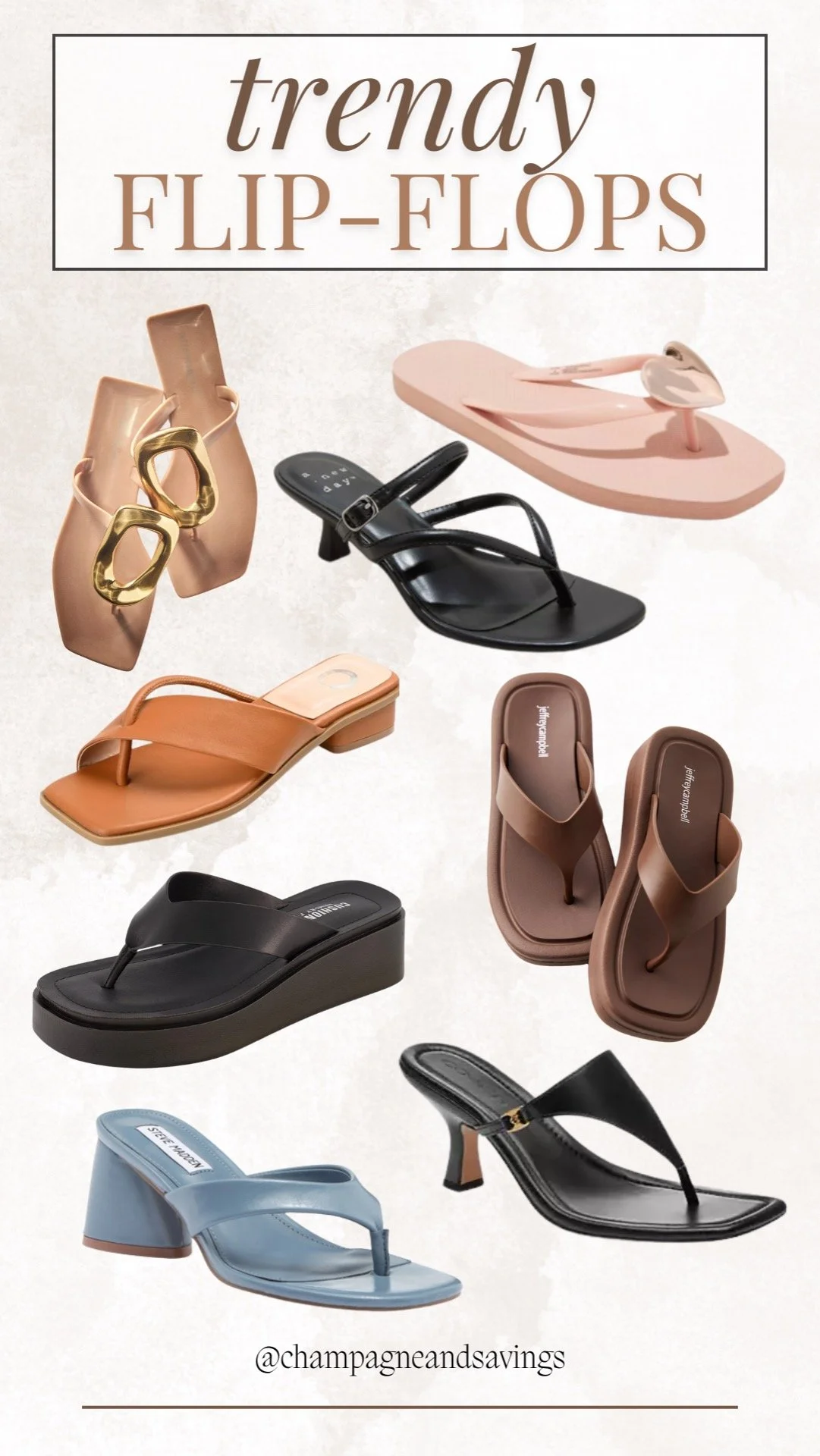
Elevated flip flops substitute synthetic materials with natural full-grain or top-grain leather, suede, or woven textiles. Featuring finished leather straps, stitched footbeds, and low-profile stacked soles or durable rubber outsoles, these models bridge the gap between casual footwear and smart-casual attire.
Leather styles require a break-in period to allow the footbed to conform to the wearer's footprint. While visually refined and appropriate for resort wear or casual dining, natural leather should not be submerged in water, as moisture strips natural oils, causing cracking and material stiffness.
Platform and Wedge Flip Flops
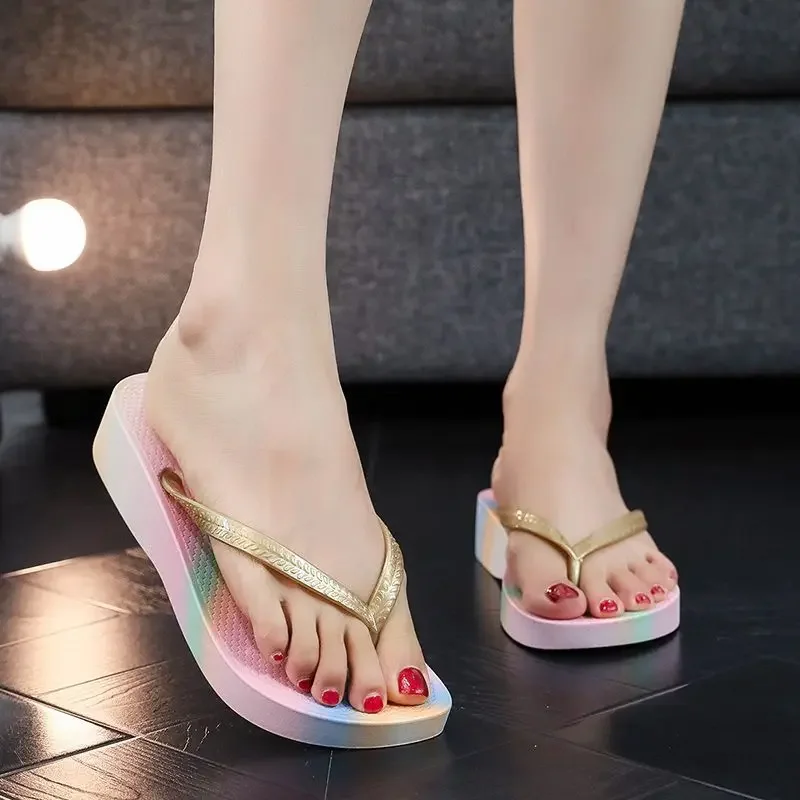
Platform and wedge variants increase sole thickness to add height while maintaining an open-toe profile. Platform flip flops elevate the entire foot on a uniform, thickened sole (typically 1 to 3 inches), while wedge styles elevate the heel higher than the forefoot.
These styles use high-density EVA, cork, or wrapped foam soles to keep the shoe lightweight despite the added mass. While visually striking, elevated soles alter the center of gravity and increase leverage on the ankle joint, reducing stability on uneven surfaces compared to flat footwear.
Athletic and Recovery Slides/Thongs
Engineered for post-workout recovery, athletic thongs utilize high-rebound, closed-cell foam formulations designed to reduce impact forces on joints after strenuous physical activity.
These designs often feature textured footbeds that gently stimulate blood circulation on the sole of the foot. They are wider than traditional flip flops, providing room for foot expansion after prolonged running or training, and feature deep outsole grooves to channel water away on wet tile floors.
Barefoot and Minimalist Flip Flops
Minimalist flip flops aim to recreate natural barefoot movement while providing puncture protection. They feature thin (4mm to 10mm), zero-drop soles—meaning the heel and forefoot sit at equal heights from the ground—without artificial arch support.
Equipped with flexible outsoles and secure strap harnesses, minimalist flip flops encourage natural toe splay and strengthen intrinsic foot musculature. They require a gradual transition period for individuals accustomed to rigid, cushioned footwear.
Material Breakdown: Sole and Upper Composition
Material selection dictates a flip flop's weight, water tolerance, durability, and comfort level.
| Material | Primary Characteristics | Water Resistance | Arch Support Potential | Durability Index |
|---|---|---|---|---|
| Standard EVA Foam | Ultra-lightweight, soft initial feel, low cost | High | Low (compresses quickly) | Moderate-Low |
| High-Density EVA | Firm, resilient, retains molded shape | High | Moderate to High | High |
| Natural Vulcanized Rubber | Dense, flexible, slip-resistant on wet surfaces | High | Low to Moderate | Very High |
| Full-Grain Leather | Premium aesthetics, conforms to foot over time | Low (absorbs water) | Moderate (varies by brand) | Very High (with care) |
| Recycled Polyurethane (PU) | Shock-absorbing, non-compressible cushioning | Moderate to High | High | Very High |
| Cork Footbed | Natural moisture-wicking, molds to foot contours | Moderate (needs sealing) | High | High |
Biomechanics and Foot Health: Choosing the Right Support
Wearing unsupportive footwear for extended periods alters gait mechanics. Understanding foot mechanics helps ensure that selecting a flip flop style does not compromise foot health.
PRONATION GAIT TYPES & FOOTBED MATCHING Flat Arch (Overpronation) High Arch (Underpronation) [ Flat Foot Surface ] [ High Curved Instep ] | | v v Requires: Rigid Arch Requires: Deep Heel Cup, Support & Motion Control High Shock Absorption
Gait Alterations and Muscle Strain
Standard flat flip flops require the wearer to perform "toe-gripping" with every step to keep the sandal attached to the foot. This contraction changes the natural gait cycle, shortening stride length and increasing stress on the flexor tendons of the toes, the plantar fascia, and the calf muscles.
Matching Arch Types to Footbed Profiles
- Low Arches / Flat Feet (Overpronation): Individuals whose feet roll inward require rigid to semi-rigid arch support coupled with a motion-controlling heel cup. Soft, compressible EVA soles fail to prevent arch collapse, which can lead to medial knee and hip strain.
- High Arches (Underpronation/Supination): Feet with high insteps lack natural shock absorption. High-arched individuals require deep, contoured footbeds that fill the space beneath the arch, distributing pressure across the full length of the foot rather than concentrating it on the heel and metatarsal heads.
- Neutral Arches: Wearers with neutral foot mechanics can tolerate a wider variety of styles but benefit from moderate anatomical contouring during extended walking.
Styling Guide: Matching Flip Flops to Occasions
While flip flops are inherently casual, selecting appropriate styles based on venue and attire prevents sartorial missteps.
INFORMAL FORMAL [ Poolside / Beach ] ----> [ Urban Casual ] ----> [ Resort Smart-Casual ] | | | Rubber / Basic EVA Supportive Athletic Stitched Leather / Suede
- Beach, Pool, and Locker Room: Rubber or basic EVA thongs are ideal here. Their non-porous structure resists water, dries quickly, and guards against fungal infections in communal wet areas.
- Casual Urban Wear: Neutral-toned leather, high-grade cork, or polished synthetic flip flops pair well with denim, tailored shorts, and casual linen shirts for daily errands or outdoor gatherings.
- Resort Smart-Casual: Elevated leather flip flops with clean stitching, minimal branding, and structured outsoles can complement linen trousers, sundresses, or relaxed chinos for warm-weather evening dining.
- Formal and Business Settings: Traditional flip flops remain inappropriate for professional office environments, formal events, or settings requiring closed-toe safety footwear.
Care and Maintenance Guidelines
Proper care extends the lifespan of flip flops and prevents odor buildup caused by bacteria and sweat absorption.
Rubber and EVA Maintenance
- Rinse away sand, salt water, and debris with clean water after use.
- Scrub stubborn dirt using a soft-bristle brush, warm water, and mild dish soap.
- Air-dry completely in a shaded, ventilated area. Avoid leaving EVA sandals in direct hot sunlight or inside a hot vehicle, as extreme heat causes EVA foam to warp and shrink.
Leather and Suede Maintenance
- Remove dry surface dust using a microfiber cloth or soft brush.
- Clean leather footbeds with a dedicated leather cleaner, taking care not to saturate the hide.
- Apply a thin layer of leather conditioner every few months to maintain flexibility and prevent cracking.
- For suede footbeds, use a suede eraser to lift stains and a brass-bristle suede brush to restore the nap.
Frequently Asked Questions
Are flip flops bad for your feet?
Flat, unsupportive rubber flip flops can contribute to foot pain, plantar fasciitis, and tendonitis when worn for long-distance walking or extended periods. However, ergonomic flip flops with built-in arch support, deep heel cups, and impact-absorbing midsoles mitigate these risks and support healthy foot alignment.
What is the primary difference between EVA and natural rubber flip flops?
EVA (ethylene-vinyl acetate) is a lightweight synthetic foam that offers soft initial cushioning but tends to compress permanently over time. Natural rubber is denser, slightly heavier, highly durable, and offers superior slip resistance on wet surfaces without flattening out as quickly as standard EVA.
How should a flip flop fit properly?
A properly fitted flip flop should completely support the entire foot within the perimeter of the footbed. The heel should sit securely inside the rear cup without hanging over the back edge, and the toes should not extend past the front lip. The top strap should rest comfortably against the instep without cutting into the skin or requiring active toe-gripping to stay on.
Can you repair a broken toe post on a flip flop?
Temporary field repairs for a pulled-through rubber toe post can be made by pushing the post disk back through the sole hole and securing a flat washer, safety pin, or bread clip underneath it. However, once the structural integrity of the lower retaining disk or sole hole is compromised, permanent replacement of the sandal is recommended for safety.
What style of flip flop is best for long-distance walking?
For long-distance walking, choose an orthotic or athletic recovery thong featuring a contoured high-density midsole, firm arch support, a deep heel cup, and a slip-resistant rubber outsole. Ensure the straps are lined with soft, moisture-wicking material to prevent friction blisters.
Next Steps: Finding Your Ideal Pair
To choose the best flip flop style for your needs, evaluate your primary use case, foot anatomy, and daily activity levels:
- Assess Your Support Needs: Determine whether your feet require structured arch support or motion control. If you experience morning heel pain or flat feet, prioritize podiatrist-designed orthotic models over flat options.
- Match Material to Environment: Select rubber or synthetic EVA for high-moisture settings like beaches and pools. Choose conditioned leather or cork for dry, smart-casual environments.
- Verify Sizing and Strap Placement: Ensure your foot sits entirely inside the footbed perimeter, with no overhang at the heel or toes. Look for lined straps and smooth toe posts to prevent chafing during initial wear.