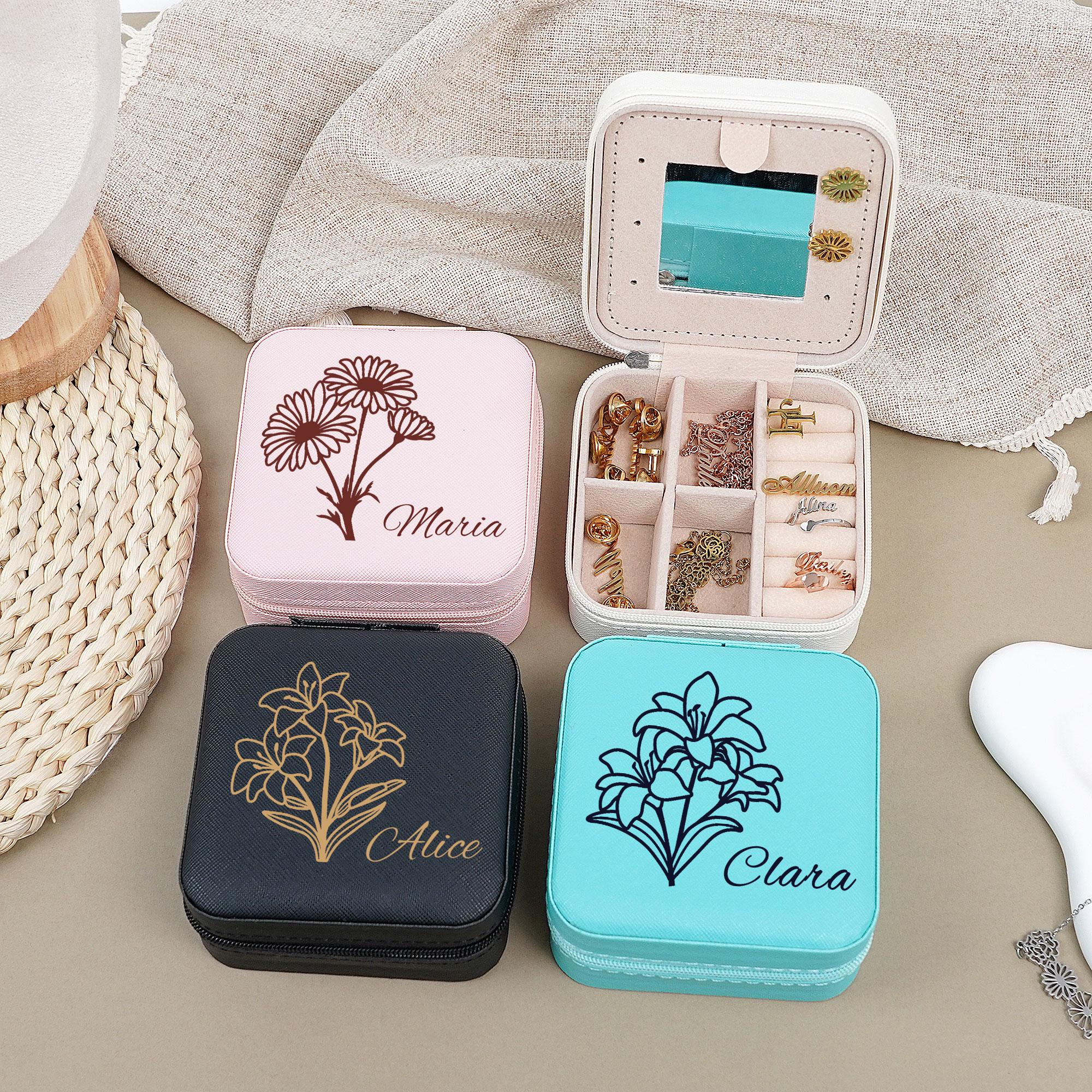
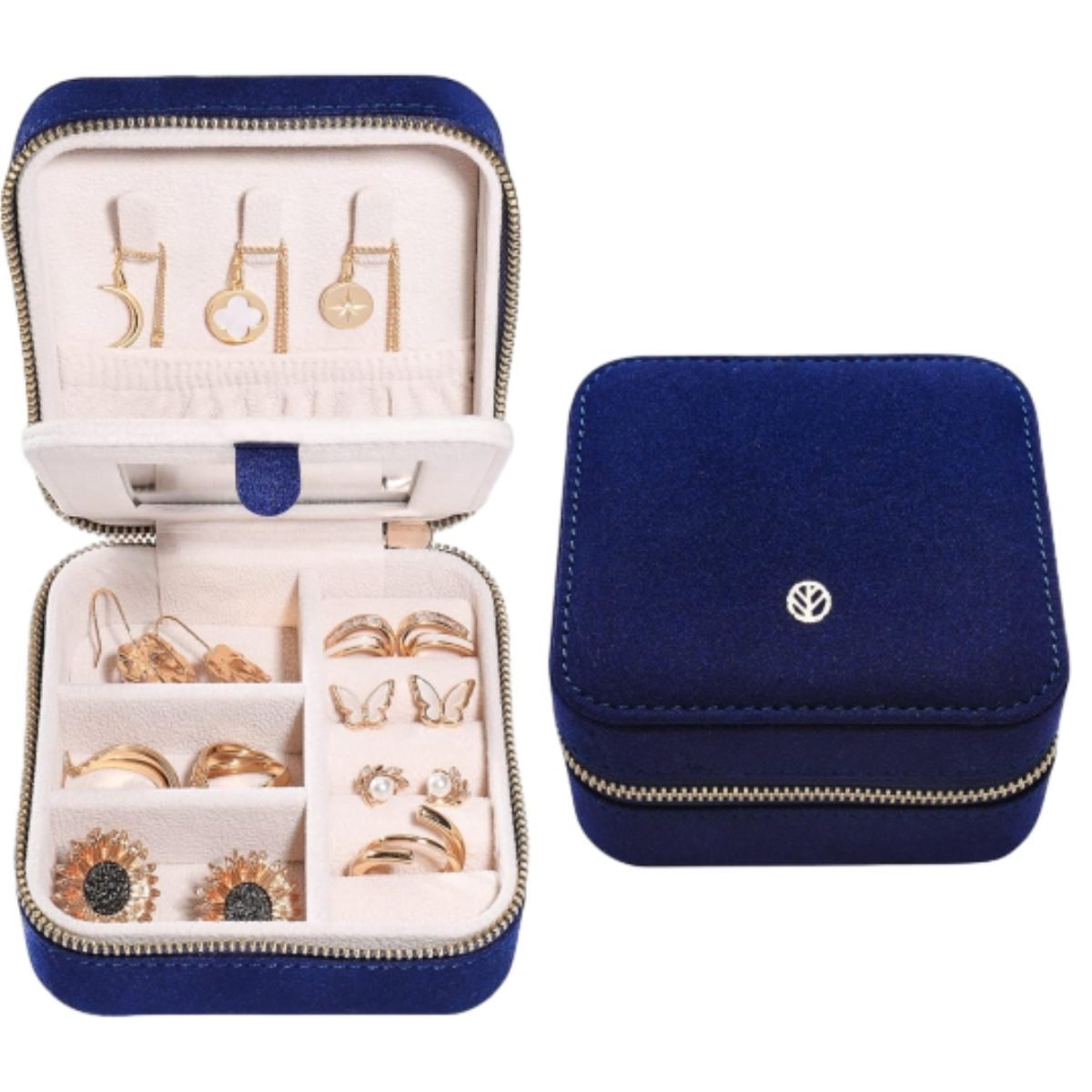
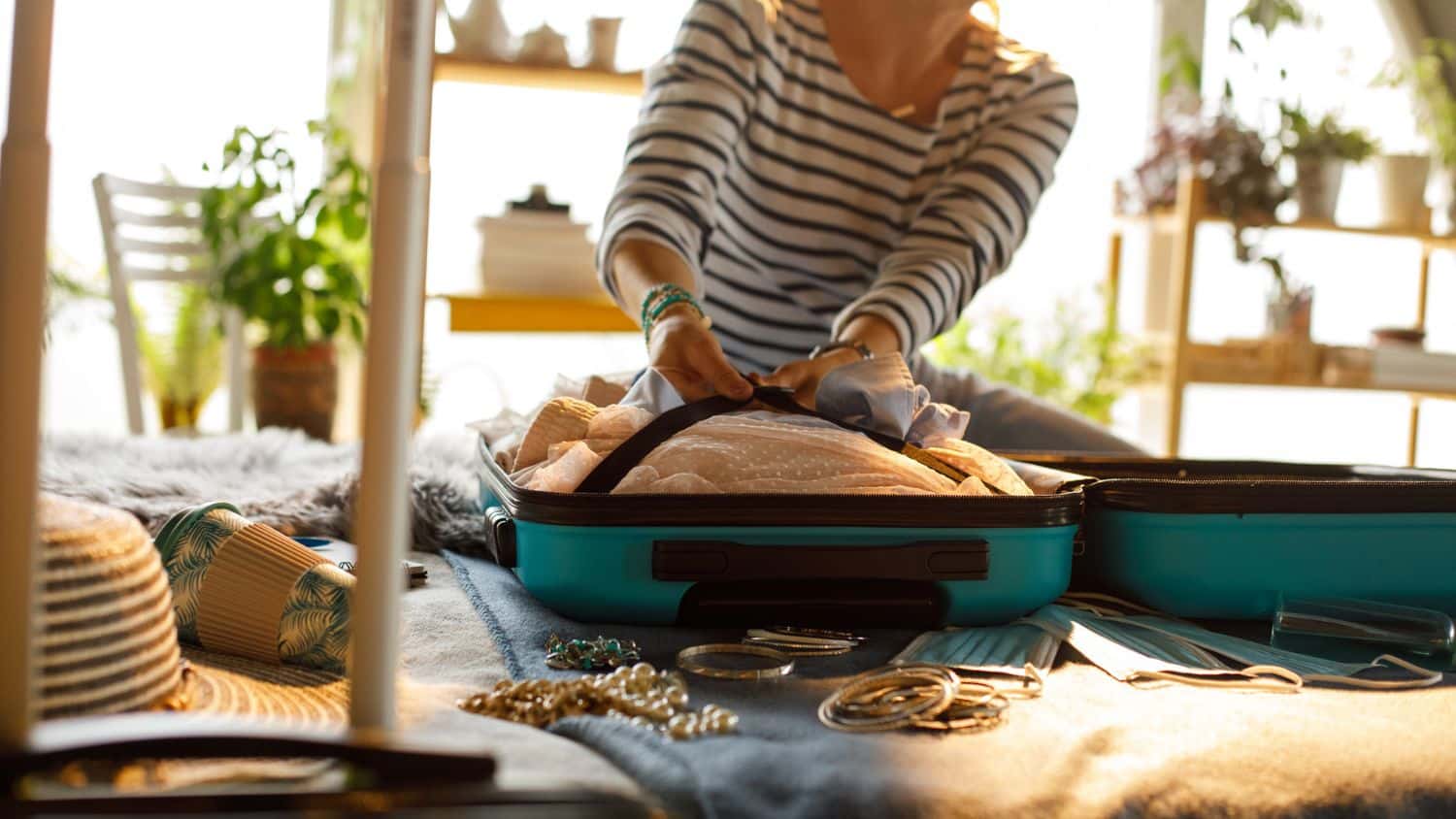
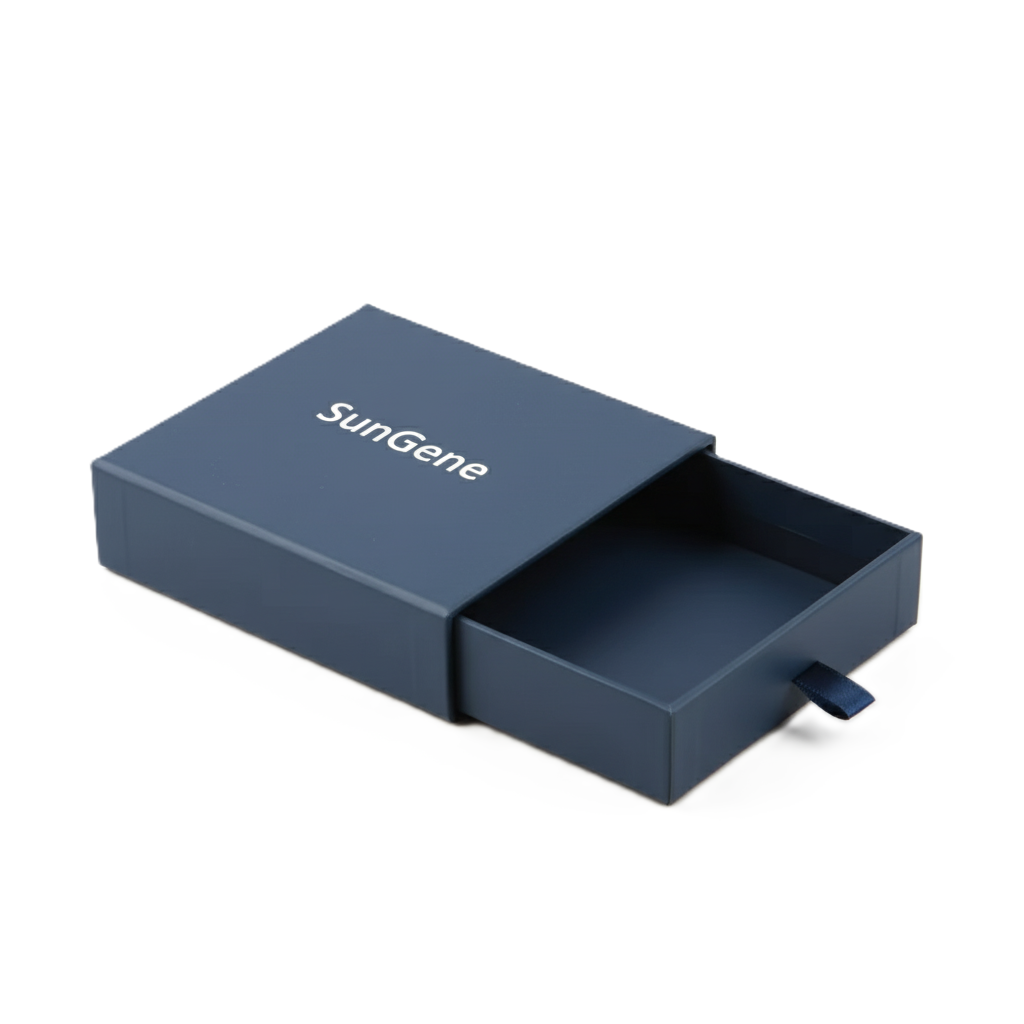
A travel-friendly jewelry box protects delicate accessories from physical impact, moisture, and severe tangling through specialized compartments, secure closures, and soft anti-tarnish linings. Choosing the right organizer depends on your trip duration and jewelry volume, while using it effectively requires segregating metals, securing chain necklaces in drop pockets, and stowing the case inside carry-on luggage.
Critical Features of a High-Performance Travel Jewelry Box
Selecting an effective travel jewelry organizer requires evaluating structural engineering and interior space management. A poorly designed case can lead to scratched gemstones, crushed earring posts, and knotted chain necklaces. High-performance travel jewelry boxes combine outer impact resistance with micro-segmented internal layouts.
- Hard Outer Shell / Durable Exterior
- Anti-Tarnish Interior
- Micro-suede / Velvet
- LusterLoc-type lining
- Dampens physical shock
- Specialized Storage
- Elasticized necklace pockets
- Padded ring rolls
- Pierced earring boards
- Anti-Tarnish Interior
Interior Lining and Anti-Tarnish Protection
The interior material is your jewelry's primary defense against abrasion and atmospheric exposure. Premium organizers feature plush synthetic velvet, micro-suede, or specialized fabrics treated with anti-tarnish technology. Fabrics impregnated with neutralizers absorb free sulfur compounds in the ambient air, preventing silver and gold alloys from oxidizing during transit. Look for soft, non-abrasive linings that completely cover interior plastic frames or cardboard stiffeners to prevent hard contact points.
Compartment Diversity and Layout Mechanics
A functional organizer provides dedicated storage solutions tailored to specific jewelry geometries:
- Necklace Hooks and Elastic Pockets: Top lids or drop-down panels should feature sturdy snaps or hooks paired with lower elasticized pouches. The pouch catches the pendant and lower chain, holding the necklace taut to prevent tangles.
- Ring Rolls: High-density foam or padded fabric rolls hold rings securely in place. The spacing must accommodate varying band widths without squeezing settings against adjacent pieces.
- Earring Strips or Boards: Dedicated leatherette or plastic panels with pre-drilled holes hold stud and drop earrings. A secure board prevents earring posts from bending or puncturing nearby items.
- Zippered and Covered Compartments: Deep, covered wells or transparent zippered pockets safely hold chunkier items like statement bracelets, brooches, or luxury watches.
Enclosure Integrity and Hardware Quality
The exterior closure keeps the contents contained during transit shocks and baggage handling. Perimeter zippers—particularly continuous metal or heavy-duty nylon YKK zippers—offer superior security compared to single snap tabs. A full perimeter zipper ensures that even if a small component shifts internally, it cannot slip out of the case. Magnetic clasps and push-lock closures work well for compact rolls, provided the spring tension is high enough to resist accidental opening inside a packed bag.
Travel Jewelry Organizer Formats and Styles
Travel jewelry storage options range from ultra-compact rolls to structured mini trunks. Matching the organizer format to your itinerary ensures your accessories arrive undamaged without taking up unnecessary packing space.
TRAVEL STORAGE FORMATS:
- Hard-Shell Mini Cases: Maximum protection for fine gems & structured pieces
- Jewelry Rolls & Wraps: Space-saving flexibility for carry-on luggage
- Portfolio / Binders: High-capacity organization for multi-week trips
- Modular Pouches: Minimalist protection for casual costume jewelry
Hard-Shell Mini Cases
Hard-shell cases utilize molded acrylonitrile butadiene styrene (ABS), polycarbonate, or reinforced wooden frameworks wrapped in leather or synthetic fabrics. These cases retain their shape under heavy pressure, making them ideal for delicate gemstone rings, hollow gold chains, and vintage heirlooms. While they occupy fixed volume in your bag, their rigid construction prevents external luggage compression from damaging fragile jewelry.
Jewelry Rolls and Wraps
Jewelry rolls consist of pliable fabric or leather panels that fold or roll into a compact cylinder secured by a strap or snap buckle. Rolls excel at space optimization because their footprint compresses around the packed items. They feature flat compartments, zippered strips, and flexible ring bands. Jewelry rolls suit travelers prioritizing low weight and flexibility, though they offer minimal structural protection against heavy crushed impact.
Book-Style and Portfolio Organizers
Designed like small binders or books, portfolio organizers feature multiple flat, turnable pages lined with clear zippered sleeves or felt earring panels. This format allows you to scan your entire collection visually without removing individual items. Portfolios lie flat between packed layers of clothing, making them an efficient choice for business trips or extended vacations requiring multiple accessory changes.
Multi-Tiered Travel Trunks
For extended travel or destination events, compact travel trunks feature stacked trays, removable dividers, and built-in vanity mirrors. While bulkier than rolls or flat portfolios, multi-tiered trunks replicate home jewelry storage by offering distinct compartments for statement necklaces, bangles, and watch collections.
Material Considerations: Exterior Protection and Interior Care
The longevity and protective capacity of a travel jewelry box depend heavily on its material construction. Evaluating both external durability and interior chemistry ensures your valuables remain safe from physical damage and environmental tarnish.
Exterior Shell Materials
- Full-Grain and Top-Grain Leather: Highly durable, aesthetically refined, and naturally resilient over time. Leather absorbs minor impacts well but requires maintenance to prevent drying or water damage.
- Polyurethane (PU) and Vegan Leather: Water-resistant, easily cleaned with a damp cloth, and highly resistant to scuffs. Modern synthetic leathers provide excellent structural integrity at a lower weight.
- Ballistic Nylon and Canvas: Fabric exteriors offer lightweight tear resistance and flexibility. They excel in casual travel gear but require interior stiffening panels to protect fragile items.
- Polycarbonate and Aluminum: Hard-shell metal or polymer exteriors deliver maximum crush resistance, making them ideal for rough handling or transit through extreme conditions.
Interior Fabric Dynamics
The inner fabric must balance softness with structural stability. Natural cotton or untreated synthetic velvets offer basic scratch protection but do not active neutralize atmospheric tarnishing agents. Chemically treated linings neutralize airborne sulfides, preserving metal brilliance during storage. Ensure interior linings are fully glued with low-VOC, solvent-free adhesives, as volatile organic compounds from cheap glues can accelerate metal discoloration and tarnish.
Comparing Travel Jewelry Storage Options
| Storage Format | Primary Advantage | Best Suited For | Protection Level | Packability | Capacity Range |
|---|---|---|---|---|---|
| Hard-Shell Mini Case | Crush-resistant exterior structure | Fine jewelry, diamonds, delicate settings | High | Moderate (fixed shape) | Small to Medium (5–15 pieces) |
| Jewelry Roll / Wrap | Flexible, lightweight, space-saving | Chains, studs, flat bracelets, costume pieces | Moderate | High (compresses flat) | Medium (10–20 pieces) |
| Portfolio / Binder | Visually clear, flat profile layout | Multi-week trips, broad earring collections | Moderate | High (slides into luggage pockets) | Large (20–40 pieces) |
| Modular Pouch | Minimalist footprint, simple access | Daily wear items, casual/silicone jewelry | Low | Exceptional | Small (3–8 pieces) |
| Travel Trunk | Comprehensive organization, tiered storage | Destination weddings, extensive wardrobes | High | Low (requires substantial space) | Very Large (30+ pieces) |
Step-by-Step Guide to Packing Jewelry Safely
Properly loading your jewelry organizer prevents friction damage, knots, and lost components during travel. Follow this systematic approach when preparing your accessories for transit.
- Step 1: Inventory & Pre-Sort: Select pieces based on outfits & stone hardness
- Step 2: Secure Necklaces: Thread through hooks & isolate pendants in elastic pouches
- Step 3: Mount Earrings: Secure studs on boards with locking backs
- Step 4: Load Rings & Cuffs: Slide onto padded rolls from thickest to thinnest
- Step 5: Inspect & Buffer: Add microfiber inserts to prevent internal friction
1. Inventory and Pre-Sort
Audit your planned accessories against your itinerary outfits. Leave irreplaceable family heirlooms or irreplaceable high-value pieces at home when possible. Sort your chosen items by metal type, size, and physical hardness according to the Mohs Hardness Scale.
Mohs Hardness Scale Reference:
- Pearls/Opals (2.5–5.5) (Keep separated from Diamonds/Sapphires (9–10))
Diamonds (hardness 10) can easily scratch softer gems like pearls (2.5–4.5) or opals (5.5–6.5) if packed together loose.
2. Secure Necklaces and Chains
Chain knots occur when links fold back over themselves under motion. To prevent tangling:
- Unclasp the chain and thread it through the necklace snap strap or upper hook.
- Fasten the clasp securely around the strap.
- Place the lower pendant and slack chain into the elasticized drop pocket beneath the hook.
- Alternative Method: If packing extra chains without dedicated hooks, thread the chain through a clean drinking straw or reusable silicone tube, re-clasp it, and roll it inside a soft cloth.
3. Organize Earrings and Studs
Mount studs and drop earrings onto dedicated leatherette cards or perforated foam boards. Secure the earring backs firmly on the opposite side of the card. If using locking backs or silicone clutch backs, ensure they are fully engaged. For drop or chandelier earrings, place a thin sheet of cotton or microfiber between adjacent pairs to prevent decorative elements from catching or bending.
4. Load Rings and Cuff Bracelets
Slide rings onto padded ring rolls, starting with heavier bands at the base and lighter bands near the top. Press the rings firmly into the channel so they do not rotate or dislodge during travel movement. Place bulky cuff bracelets or watches around padded watch pillows or in deep, soft-lined corner wells.
5. Add Buffer Layers and Perform a Shake Test
Before sealing the case, place a soft microfiber cloth or foam divider over the open compartments. This buffer layer prevents items in the top lid from pressing directly against items in the bottom tray when the box is closed. Seal the organizer completely and perform a gentle manual shake. Listen for shifting or clinking sounds; if items rattle, add additional microfiber padding to eliminate excess internal movement.
Transit Security and Safeguarding Valuables on the Road
Transporting valuable jewelry requires tactical awareness of security regulations, transit risks, and hotel accommodation safety protocols.
VALUABLES TRANSIT PROTOCOL:
- TSA / Security
- Always carry-on
- Never check in luggage
- Request private screening
- Hotel Safety
- Use room safe or desk vault
- Conceal within plain totes
- Maintain itemized photos
Carry-On vs. Checked Luggage
Never place fine jewelry or expensive accessories in checked baggage. Checked bags face higher risk of theft, rough mechanical sorting, and loss. Keep your packed travel jewelry box inside your personal item or overhead carry-on bag, maintaining physical possession of your key valuables throughout your trip.
Airport Security Screening Procedures
When navigating airport security checkpoints, keep your jewelry inside your carry-on luggage. The Transportation Security Administration (TSA) does not require travelers to remove fine jewelry from carry-on bags during standard X-ray screening unless the bag is selected for secondary inspection. If security officers request a physical search of your bag containing high-value items, you have the right to request a private screening room to protect your privacy and security.
Hotel and Accommodation Security
Upon arrival at your destination, do not leave your jewelry box sitting on open vanities or dressers. Store the entire organizer inside the hotel room electronic safe or request the use of the front desk safety deposit box. When using an in-room safe:
- Set a unique pin code distinct from your standard personal passcodes.
- Place the jewelry box inside a plain, non-descript pouch or sleeve so it remains unnoticeable when the safe door opens.
- Document your packed jewelry by taking timestamped photos on your smartphone prior to departure for insurance verification purposes.
Common Travel Jewelry Storage Mistakes to Avoid
Avoiding operational errors preserves your jewelry's physical condition and aesthetic shine.
Overpacking and Internal Pressure
Forcing too many pieces into a single compact case creates pressure points. When the exterior lid closes over an overpacked compartment, metal clasps can press directly into delicate pearls, soft stones, or enamel finishes, causing permanent cracking or denting. Maintain clear separation space within each compartment.
Storing Jewelry Near Liquids or Cosmetics
Packing your jewelry box adjacent to liquid toiletries, perfumes, or hair products exposes your metal and stones to chemical damage. Volatile alcohol compounds, creams, and moisture can seep past outer zippers, breaking down adhesives inside the box and tarnishing sensitive alloys. Store your jewelry box in a dedicated, dry compartment of your carry-on, fully separated from your cosmetic bags.
Mixing Unsecured Metal Types
Storing sterling silver, soft 24-karat gold, hard platinum, and stainless steel in an open, unsegmented pouch leads to rapid cosmetic surface damage. Harder metals scratch softer ones, while oxidizing silver transfers tarnish to adjacent pieces. Always isolate individual metals within soft dividers or dedicated slots.
Frequently Asked Questions
How do I prevent delicate chain necklaces from tangling while traveling?
To keep chain necklaces from tangling, thread the chain through a dedicated necklace hook and secure the pendant inside an elasticized bottom pocket. Alternatively, thread the chain through a clean straw or silicone sleeve, clasp it shut, and store it in a flat zippered pouch. Keeping the chain taut prevents the links from looping into knots.
Should travel jewelry organizers be packed in carry-on or checked luggage?
Always pack your travel jewelry organizer in your carry-on bag or personal item. Checked luggage is subject to heavy mechanical impacts, temperature fluctuations, and an increased risk of loss or theft. Keeping your valuables in your carry-on ensures they remain under your direct supervision throughout transit.
How does anti-tarnish fabric inside a travel jewelry box work?
Anti-tarnish fabric is treated with microscopic metallic particles or chemical neutralizers that absorb airborne sulfides and pollutants before they reach your jewelry. By binding sulfur gases within the lining, the fabric prevents the chemical reaction that causes tarnish on silver, gold, and brass alloys.
Is a hard-shell jewelry box better than a soft jewelry roll?
A hard-shell jewelry box offers superior protection for valuable, fragile, or structured pieces like gemstone rings, hollow chains, and stiff bangles by resisting outside compression. A soft jewelry roll is better for lightweight, flexible travel focused on space efficiency, though it provides less protection against heavy physical impacts.
Can I bring my travel jewelry box through airport security without opening it?
Yes, in most cases you can keep your travel jewelry box inside your carry-on bag during standard airport X-ray screening. If security personnel select your bag for secondary screening, you may request a private screening room to keep your high-value items out of public view.
Building Your Travel Jewelry Organization Strategy
Optimizing your travel jewelry storage involves evaluating your accessory collection, selecting the ideal box format, and establishing a disciplined packing routine. Start by auditing the items you travel with most frequently:
- Select the Right Format: Choose a hard-shell case if your collection features fine gemstones, pearls, or structured pieces. Choose a flexible roll or binder portfolio if you prioritize low weight and space efficiency for casual jewelry.
- Verify Protective Materials: Ensure your chosen box includes a soft, non-abrasive lining—ideally with anti-tarnish properties—and smooth, secure YKK-style zippers or strong hardware latches.
- Establish a Packing System: Always isolate metals, isolate gemstones based on hardness, hold chain necklaces taut in elastic pockets, and buffer layers with a clean microfiber cloth.
- Enforce Transit Security: Keep your packed jewelry box strictly inside your carry-on luggage, and utilize room safes upon arrival at your destination.
By matching your organizer format to your itinerary demands and adhering to proper packing mechanics, you ensure your jewelry remains untangled, pristine, and secure on every journey.