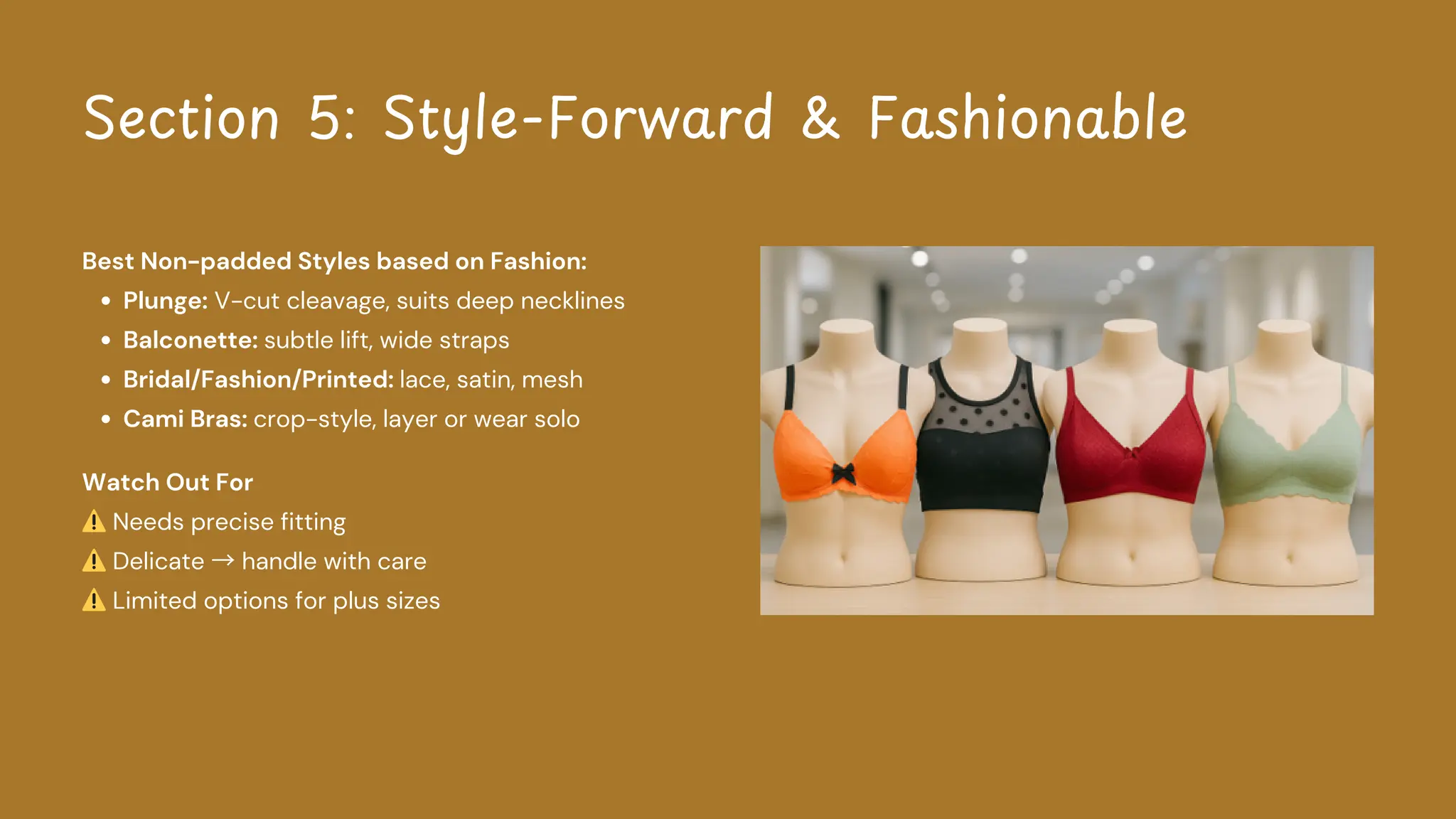
Hookless bras remove traditional back or front metal clasps, relying instead on high-recovery stretch fabrics, wide rib bands, bonded seams, pullover silhouettes, or front zippers. They prioritize tactile comfort, smooth profiles under clothing, and effortless dressing for individuals navigating sensory sensitivities, mobility limitations, or seeking low-pressure daily support.
Understanding Hookless Bras: Types and Construction Methods
The modern intimate apparel market has evolved far beyond standard hook-and-eye closures. A hookless bra relies entirely on structural fabric tension, wide distribution bands, or alternative fasteners to hold cups in place without localized pressure points. Understanding the structural variations helps in selecting a silhouette tailored to specific daily activities and body shapes.
Pullover Bralettes and Crop Tops
Pullover bralettes represent the most ubiquitous form of hook-free underwear. Designed to slip over the head or step into from below, these garments typically feature continuous elasticized bands under the bust. They range from minimal lace layers to dense microfiber knit crops that offer moderate support for low-to-medium impact activities.
Bonded-Seam and Laser-Cut Contour Bras
Bonded-seam bras utilize thermal adhesive technology or ultrasonic welding to fuse synthetic fabric layers together, completely eliminating traditional sewn seams, underwires, and metal clasps. Fabric edges are often laser-cut, resulting in an ultra-flat finish against the skin. These designs excel at creating an invisible silhouette under sheer or tight-fitting garments while distributing band tension evenly across the back and rib cage.
Front-Zip and Adaptive Easy-On Designs
For individuals who prefer non-pullover entry but cannot manipulate small back hooks, front-zipper bras provide a robust solution. High-grade plastic or fabric-shielded metallic zippers sit flat along the sternum, usually backed by a fabric lining flap to prevent skin pinching. These are frequently utilized in sports bras, post-surgical recovery garments, and adaptive clothing lines designed for those with limited arm or hand dexterity.
Strapless Adhesive and Silicone Shells
Adhesive hookless bras omit both hooks and shoulder straps entirely. Made from medical-grade silicone or fabric cups lined with reusable skin-safe adhesive, these options adhere directly to the breasts. They are designed exclusively for backless, strapless, or deep-plunge garments where back bands and traditional support mechanisms cannot be hidden.
Who Benefits Most from Hook-Free Underwear?
While hookless bras have gained widespread popularity for general everyday wear, specific design characteristics make them vital for several user groups with specialized comfort and functional needs.
| Primary User Advantages |
|---|
| Sensory Processing: Eliminates metal dig, tag friction, and wire poke |
| Limited Dexterity: Removes need to reach behind back or clip hooks |
| Post-Surgical: Offers soft, uniform compression without pressure points |
| Smooth Aesthetics: Creates seamless back lines under fine knits |
- Dexterity and Mobility Challenges: Conditions such as osteoarthritis, rheumatoid arthritis, shoulder impingement, or carpal tunnel syndrome make reaching behind the back to align microscopic metal hooks painful or impossible. Step-in pullover designs or front-zipper models restore independence in daily dressing.
- Sensory Sensitivities and Tactile Allergic Reactions: Individuals with sensory processing disorders, autism, or hyper-sensitive skin often experience severe discomfort from the concentrated pressure, metallic nickel content, or textured stitching of traditional hook-and-eye closures. Hardware-free bras create a uniform skin-contact area with zero focal friction points.
- Post-Operative and Medical Recovery: Following procedures such as mastectomy, breast reconstruction, lumpectomy, or thoracic surgeries, surgical incisions and sensitive scar tissue require soft, non-irritating garments. Hookless bras engineered with gentle compression provide required stability without pressing hardware against healing tissue.
- Smooth Wardrobe Styling: Standard metal closures often create visible ridges or bulges beneath lightweight T-shirts, silk blouses, and fitted knit dresses. A continuous continuous-fabric back band flattens smoothly across the latissimus and trapezius muscles.
Support Dynamics: How Hookless Bras Provide Lift Without Metal Hardware
A fundamental question regarding hookless construction is how a garment can maintain uplift and breast separation without rigid underwires or adjustable back clasps. Traditional bras rely heavily on a snug, non-stretch woven band secured by hooks to anchor 80% of the bust’s weight. Hookless bras alter this physics model entirely.
Tension Distribution via Wide Rib Bands
Instead of relying on a narrow 1-inch to 1.5-inch anchored band, hookless bras utilize wide rib bands ranging from 2 to 4 inches. By doubling or tripling the surface area in contact with the torso, the downward gravitational force exerted by breast tissue is distributed over a broader surface area. This reduces localized downward pressure, allowing softer, elasticized materials to maintain adequate support without digging into the rib cage.
Engineered Elasticity and Elastane Memory
The performance of a hook-free bra hinges on fabric recovery—the ability of a textile to stretch under strain and return precisely to its original dimensions. High-performance hookless bras incorporate heavy-gauge elastane (Spandex/Lycra) blends woven with high-density nylon or polyester fibers. Multi-directional stretch weaves permit the garment to stretch over the shoulders or hips during application while snapping back snugly against the inframammary fold.
Molded Cups and Zoned Compression
To prevent the flat, compressed profile commonly referred to as "uniboob," higher-end hookless bras incorporate molded foam cups, encapsulated inner sling panels, or zoned knitting patterns. Zoned compression utilizes varying knit densities within a single seamless piece of fabric: tighter, higher-gauge knits beneath and beside the bust provide vertical lift and lateral containment, while looser knits over the apex allow natural contouring.
Selecting the Right Size: Traditional Sizing vs. Alpha Sizing
One of the primary friction points when transitioning to hook-free bras is navigating the shift in sizing methodologies. Traditional bras use precise alphanumeric codes (e.g., 34D, 38B) based on rib cage circumference and cup volume difference. Hookless designs predominantly rely on Alpha Sizing (Small, Medium, Large, XL, XXL) or expanded Bust-to-Band Alpha Sizing.
- Traditional Sizing System
- Band (Inches: 32, 34, 36)
- Cup (Difference: B, C, D)
- Alpha Sizing System
- Letter (S, M, L, XL)
- Covers range of sizes
Navigating Alpha Sizing Charts
Because hookless fabric must accommodate both the torso circumference and cup volume simultaneously, manufacturers map multiple traditional sizes into a single alpha size. For example, a size "Medium" might encompass 34C, 34D, 36A, and 36B.
To determine your size accurately:
- Measure Your Underbust: Wrap a soft tape measure directly beneath your breast tissue around your rib cage. Pull it snug but comfortable. Keep the tape parallel to the floor. Record this measurement in inches or centimeters.
- Measure Your Full Bust: Wrap the tape around the fullest part of your bust, typically across the nipple line, keeping the tape straight across your back without compressing breast tissue.
- Calculate the Variance: Subtract the underbust measurement from the full bust measurement. Each 1-inch difference generally represents one cup letter (1" = A, 2" = B, 3" = C, 4" = D, 5" = DD/E).
- Cross-Reference Manufacturer Size Maps: Compare both your band measurement and calculated cup size against the specific brand's sizing table.
Full-Bust / Small-Band Considerations
Individuals with a small rib cage paired with a larger cup volume (e.g., 30F or 32G) often struggle with standard alpha sizing. A standard Small may fit the band but spill over at the bust, while a Large fits the bust but leaves the band too loose to offer lift. In these scenarios, look specifically for Full-Bust Alpha Sizing (often labeled as "Small Busty," "Medium Full-Cup," or "DD+ Range"), which incorporates extra cup volume while keeping the underbust circumference compact.
Comprehensive Comparison: Hookless Bras vs. Traditional Clasped Bras
Evaluating whether a hookless bra suits your lifestyle requires balancing comfort, lifespan, and functional structural differences against traditional hook-and-eye designs.
| Metric / Feature | Hookless Bras (Pullover / Seamless) | Traditional Clasped Bras (Hook & Eye) |
|---|---|---|
| Primary Support Mechanism | Tension distribution, wide elastic bands, fabric recovery | Concentrated underbust band tension, underwire anchor points |
| Tactile Comfort & Skin Pressure | Exceptional; low risk of focal friction or hardware digging | Variable; prone to friction at hook pads, underwire ends, and tags |
| Ease of Dressing | High for step-in or zip fronts; moderate for tight pullovers | Requires dual-hand reaching behind back or spinning front-closed bands |
| Adaptability to Weight Fluctuation | High stretch capacity absorbs minor weight/fluid shifts | Moderate; limited to 3–4 hook-and-eye eyelet positions |
| Back Smoothing Effect | Superior; wide, continuous band prevents localized skin indentation | Moderate to Low; narrow back bands can dig and create visible lines |
| Longevity of Fit | Shorter band lifespan; elastic degradation cannot be adjusted inward | Longer band lifespan; hook settings can be tightened as band relaxes |
| Full-Bust Lift & Separation | Moderate; depends heavily on fabric weight and molded cups | High to Maximum; rigid underwires isolate and elevate each breast |
Step-by-Step Care and Maintenance to Preserve Elasticity
Because a hookless bra relies entirely on fabric integrity rather than hardware adjustments to maintain its fit, preserving the elastane fibers is critical. Heat, chemical residue, and mechanical friction break down elastic polymers rapidly, leading to sagging bands.
Preserving Hookless Bra Elasticity
Wash in cold water on a delicate cycle using a mesh bag.
Use mild liquid detergent; avoid fabric softeners and bleach.
Reshape and line dry in the shade; NEVER machine dry with heat.
Use Cold Water Only: High temperatures weaken elastane threads. Machine wash on a delicate cycle with cold water (30°C / 86°F or lower), or hand-wash in a basin.
Protect in Mesh Garment Bags: If machine washing, place hookless bras inside a zippered mesh laundry bag to prevent long straps from twisting around the washing machine agitator or stretching out of shape.
Select Mild, Bleach-Free Detergent: Use a gentle liquid detergent formulated for delicates or synthetic knits. Never use fabric softeners; softeners coat elastane fibers with a lubricating film that degrades stretch recovery and moisture-wicking capabilities.
Never Machine Dry with Heat: Heat is the primary enemy of elastic performance. Tumble drying melts or breaks down microscopic synthetic rubber strands within the fabric. Remove the bra from the wash, reshape the soft cups, and lay flat on a drying rack or hang over a clothesline away from direct sunlight.
Rotate Usage: Avoid wearing the exact same hookless bra two days in a row. Elastic fibers require approximately 24 hours to contract fully back to their original shape after being stretched during a full day of wear.
Common Pitfalls and How to Troubleshoot Fit Issues
Transitioning to a hook-free bra can occasionally present fit challenges due to the lack of manual hardware adjustments. Here is how to diagnose and resolve common operational problems.
The Band Rides Up the Back
- Cause: The band is too large, or the elastic has lost its recovery force. Unlike a clasped bra where you can move to a tighter hook, a hookless band cannot be tightened manually.
- Solution: Size down in alpha sizing. If purchasing full-bust specific models, choose a option with a firmer underbust knit density. Ensure you are stepping into the garment rather than pulling it over your head if stretching over broad shoulders is over-expanding the underbust band.
Roll-Up Along the Bottom Edge
- Cause: The continuous lower elastic band is resting on a curve where the torso flexes, or the band is too narrow for your rib cage angle.
- Solution: Look for hookless bras featuring a wider, flat-bonded bottom band (at least 2 inches wide) rather than a narrow encased elastic band. Wide bands lay flat against the upper abdominals without curling when seated.
Compression without Elevation ("Uniboob")
- Cause: The bra relies on basic flat compression rather than engineered cups or contoured slings.
- Solution: Transition away from basic single-layer stretch crops toward hookless designs that feature removable molded pads, sewn-in foam cups, or knit separation channels down the sternum.
Difficulty Getting the Bra On or Off
- Cause: Attempting to pull a tight, high-support pullover bra over the shoulders and head can strain stiff joints or cause the garment to roll into a tight rope across the shoulder blades.
- Solution: Step into the bra instead. Pull the band up over your knees, hips, and waist to bring it into position under your bust, then slip your arms through the shoulder straps. Alternatively, switch to a front-zipper adaptive model.
Frequently Asked Questions
Can hookless bras support large bust sizes effectively?
Yes, provided the bra is engineered specifically for larger cup volumes. Look for designs featuring wide shoulder straps, high side-coverage panels, molded cups, and wide bonded underbust bands. Double-layer fabrics containing high percentages of elastane (15% to 25%) provide structural lift without requiring traditional steel underwires or rear hooks.
How long does a hookless bra typically last compared to a hook-and-eye bra?
A high-quality hookless bra worn in rotation and washed according to care guidelines typically maintains optimal support for 6 to 12 months of regular wear. Because you cannot move to a tighter closure setting as the fabric naturally relaxes over time, its functional lifespan may be slightly shorter than a traditional bra with multi-column hook closures.
Are hookless bras suitable for intense athletic workouts?
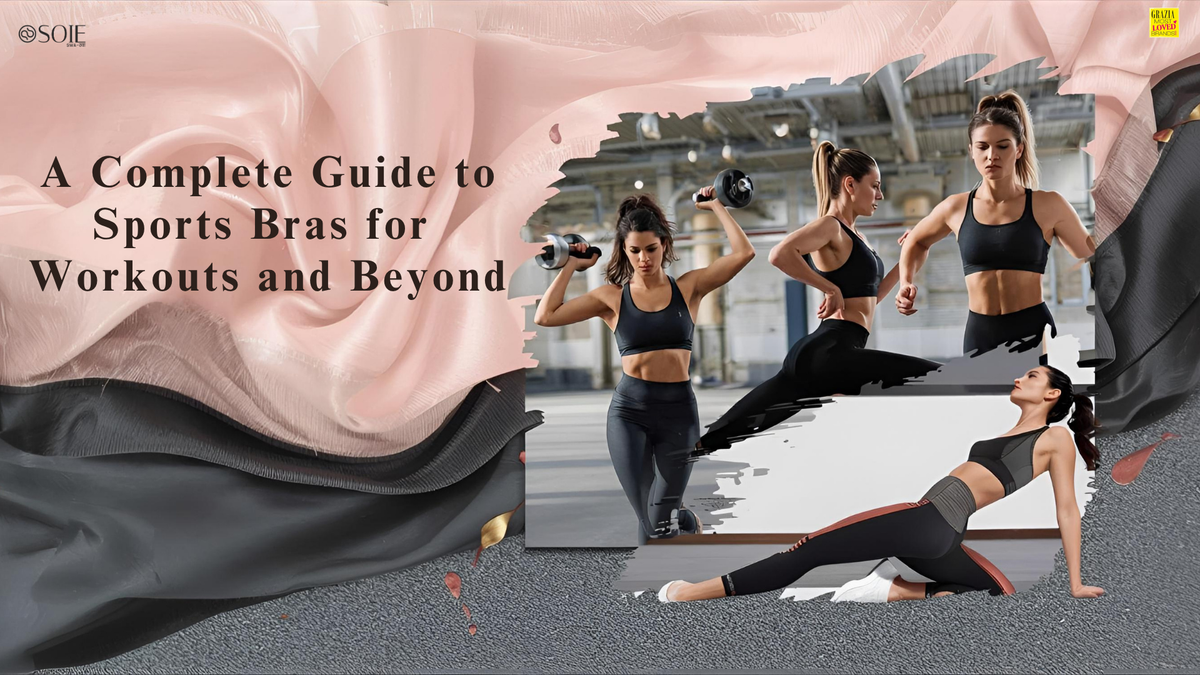
Certain hookless bras are explicitly engineered for high-impact sports. High-impact hookless sports bras utilize high-compression encapsulated cups, wide racerback distributions, and front-locking zippers to eliminate breast bounce. However, casual seamless bralettes or lounge-style crop tops are intended only for low-impact activities like yoga, walking, or daily lounging.
Can I wear a hookless bra after surgical procedures?
Hook-free front-zipper bras or soft step-in compression bras are frequently recommended by medical professionals following procedures such as breast augmentation, reduction, or mastectomy. They eliminate back pressure while keeping incisions free from metal rub. Always consult your surgeon regarding the specific compression level required for your post-op recovery phase.
How do I stop removable cups in hookless bras from bunching in the wash?
To keep removable pads flat, remove them prior to washing and hand-wash them separately. Alternatively, sew a small securing tack stitch through the center of the pad and cup wall using needle and thread, or select hookless models constructed with permanently sewn-in molded cups.
Determining Your Ideal Hookless Bra
To choose the optimal hookless bra for your specific wardrobe and comfort goals, evaluate your primary objective before buying:
- For Everyday All-Day Comfort: Choose a seamless, laser-cut bonded bra with fixed contour pads. Ensure the fabric blend contains at least 15% elastane for long-term tension retention.
- For Mobility Limitations or Arthritis: Select a front-zipper adaptive bra with a large pull tab, or an ultra-stretch step-in bralette that avoids over-the-head twisting entirely.
- For Large Bust Compression and Support: Seek out specialized full-bust alpha sizing (e.g., Medium-Busty) featuring wide rib bands, wide shoulder straps, and encapsulated inner cup slings rather than flat compression panels.
- For Backless or Strapless Outfits: Use a skin-safe silicone or fabric adhesive bra, taking care to follow skin-cleansing preparation instructions to ensure long-lasting hold.
By aligning garment construction with your physical requirements, you can enjoy maximum support and a smooth silhouette while eliminating metal hardware entirely.
EDITORIAL CATEGORY METADATA: