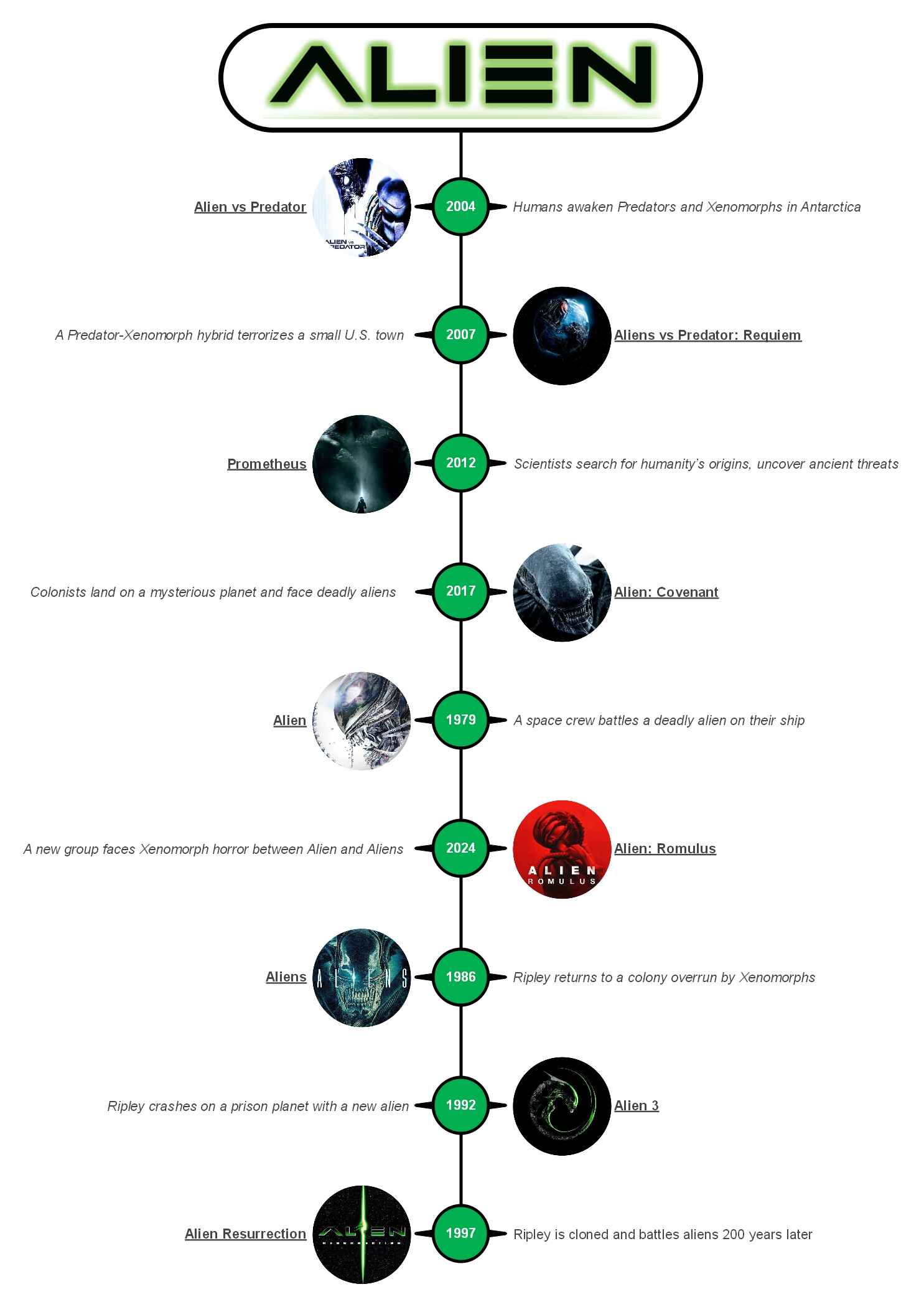
The Alien film franchise spans main saga entries, prequel explorations, mid-timeline interquels, and crossover spin-offs. Navigating the series requires understanding both release order—beginning with Ridley Scott’s 1979 foundational horror classic—and the internal chronological timeline, which begins in 2089 with Prometheus and extends to 2381 with Alien Resurrection, including recent additions like Alien: Romulus.
Core Continuity vs. Crossovers: Understanding the Alien Canon
The universe of the Xenomorph is split into two primary categories: the core mainline timeline and the non-canonical (or expanded universe) crossover films. Understanding this distinction is essential before attempting a complete franchise binge or thematic deep dive.
The mainline canon centers on the overarching narrative of human space exploration, corporate exploitation by the Weyland-Yutani Corporation, biological engineering, and survival against the lethal Xenomorph species (designated Xenomorph XX121). This line consists of Ridley Scott's original Alien (1979), James Cameron's Aliens (1986), David Fincher's Alien 3 (1992), Jean-Pierre Jeunet's Alien Resurrection (1997), Ridley Scott’s prequels Prometheus (2012) and Alien: Covenant (2017), and Fede Álvarez’s interquel Alien: Romulus (2024).
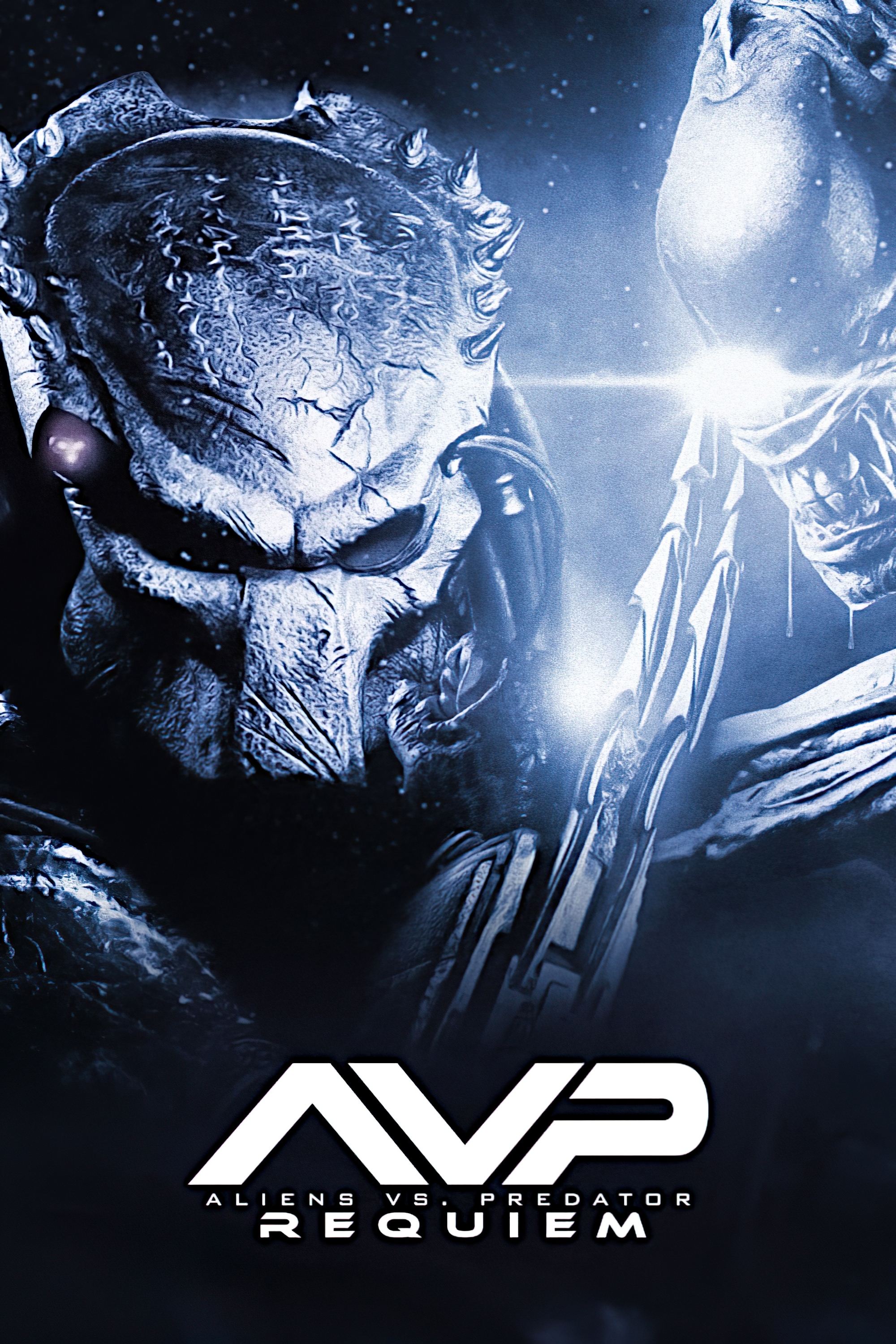
Conversely, the Alien vs. Predator (AVP) spin-offs—comprising Alien vs. Predator (2004) and Aliens vs. Predator: Requiem (2007)—exist in a separate continuity branch. While these films draw heavy inspiration from comic books and video games, their depiction of Weyland Industries and historical extraterrestrial visits on 21st-century Earth conflicts directly with the timeline, technology level, and backstory established in Ridley Scott’s prequels. Consequently, serious universe analyses treat the AVP entries as an alternate universe scenario rather than baseline history.
The Chronological Timeline: Watching the Alien Saga in Order
For viewers who prefer experiencing narrative events as they happen historically within the fiction, watching the franchise chronologically provides a unique perspective on the origins of humanity, the Engineers, and the ultimate creation and propagation of the Xenomorph threat.
The Prequel Era: Cosmic Origins and Synthetic Ambition
1. Prometheus (2012)
- In-Universe Year: 2089 (Discovery) / 2093 (Arrival on LV-223)
- Director: Ridley Scott
Prometheus shifts the franchise focus from claustrophobic survival to philosophical sci-fi. The plot follows archeologists Elizabeth Shaw and Charlie Holloway, who discover ancient star maps on Earth leading them to the distant moon LV-223 aboard the science vessel Prometheus, funded by aging titan Peter Weyland.
Instead of a benevolent creator race, the crew encounters the Engineers—a technologically advanced humanoid species that developed a volatile bio-weapon known as the "black liquid" (Pathogen). The film highlights the hubris of human creation through the synthetic Android David, whose calculated experimentation leads to the birth of early biological precursors to the Xenomorph, specifically the "Deacon" entity.
2. Alien: Covenant (2017)
- In-Universe Year: 2104
- Director: Ridley Scott
Set eleven years after the destruction of the Prometheus expedition, Alien: Covenant follows the colonization ship Covenant, carrying thousands of sleeping colonists bound for Origae-6. The crew is diverted by a human distress signal to a paradise-like uncharted planet, which turns out to be the homeworld of the Engineers.
Here, the crew meets David, the sole synthetic survivor of the previous mission. The film reveals that David spent a decade experimenting with the black fluid and local fauna, engineered the Neomorph strain, and systematically refined the biological blueprint of the classic Xenomorph egg, facehugger, and chestburster sequence. Covenant bridges the gap between philosophical creation myths and traditional visceral monster horror.
The Original Survival Era: Industry, Isolation, and Interquels
3. Alien (1979)
- In-Universe Year: 2122
- Director: Ridley Scott
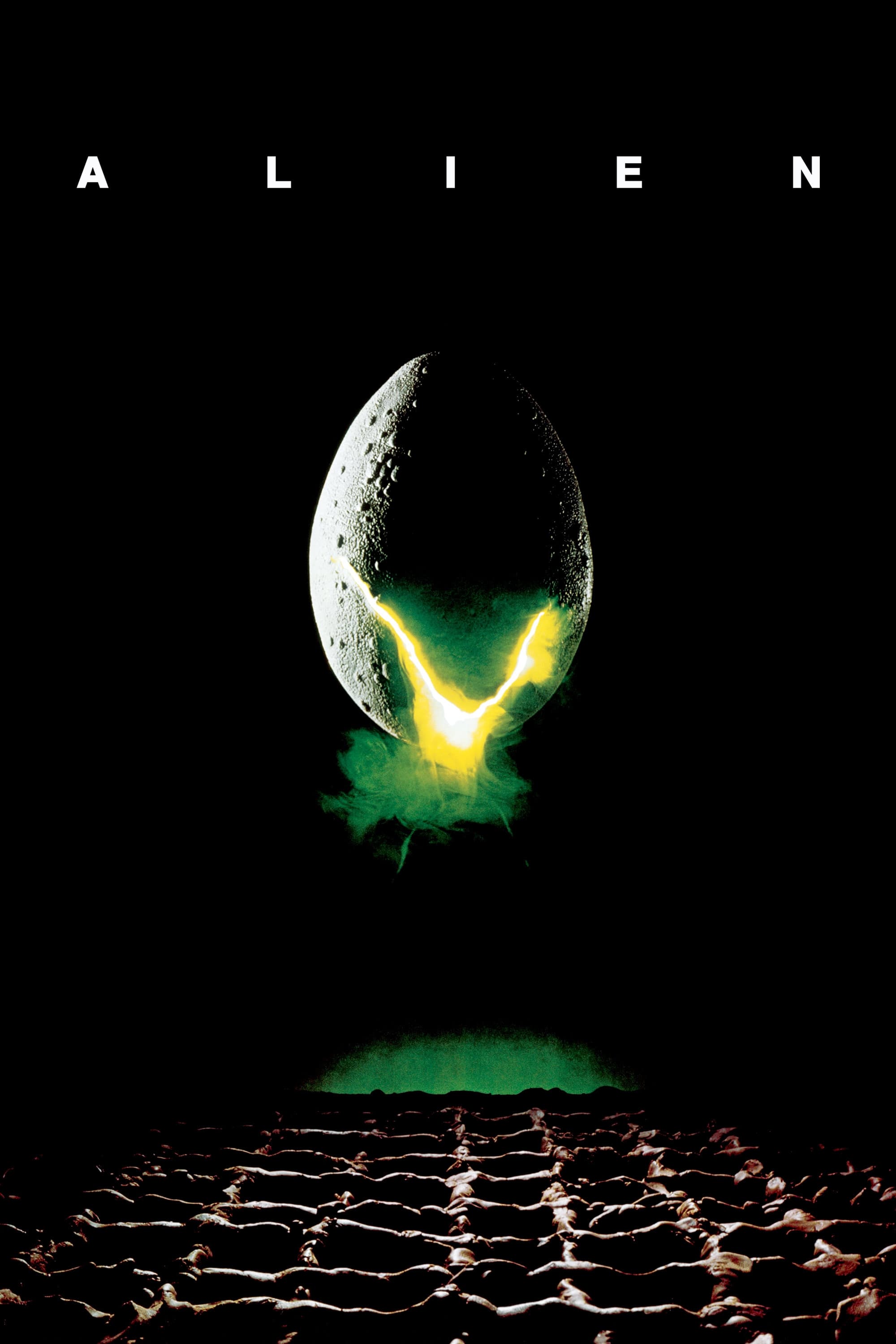
The foundational entry of the franchise, Alien, presents a bleak, industrial future. The commercial towing vessel USCSS Nostromo is interrupted on its return journey to Earth when its computer system, MU/TH/UR 6000, detects a signal from the uncharted moon LV-426. Bound by corporate contracts, the blue-collar crew investigates a derelict alien spacecraft housing thousands of calcified eggs.
When crew member Thomas Kane is infected by a Facehugger, the organism gestates inside him, resulting in the birth of the original Stalker Xenomorph. Warrant Officer Ellen Ripley (played by Sigourney Weaver) emerges as the lone survivor through pragmatic resourcefulness, establishing core franchise themes: corporate indifference to human life, body horror, and environmental claustrophobia.
4. Alien: Romulus (2024)
- In-Universe Year: 2142
- Director: Fede Álvarez
Positioned precisely twenty years after the destruction of the Nostromo and thirty-seven years prior to the events of Aliens, Alien: Romulus anchors itself as a mid-timeline entry (interquel). A group of young space colonists searching for a better life attempt to scavenge decommissioned equipment from a derelict Weyland-Yutani research station named Renaissance (split into the Remus and Romulus modules).
Unbeknownst to the scavengers, the station contains retro-engineered biological material extracted directly from the calcified remains of the Nostromo Xenomorph. The film explores the immediate aftermath of corporate experimentation with the Xenomorph pathogen and introduces intermediate lifeforms while re-establishing the tactile, practical horror aesthetic of the early films.
5. Aliens (1986)
- In-Universe Year: 2179
- Director: James Cameron
Fifty-seven years after surviving the Nostromo tragedy, Ellen Ripley is rescued from deep space cryo-sleep. Her warnings about LV-426 are initially dismissed by Weyland-Yutani executives—until contact is lost with Hadley's Hope, a terraforming colony established on the exact same moon.
Ripley accompanies a squad of elite Colonial Marines to LV-426 aboard the USS Sulaco. Cameron pivots the franchise from slow-burn dread to high-octane military science fiction. Aliens introduces the complex social structure of the Xenomorph hive, complete with warrior castes, facehugger eggs, and the towering Xenomorph Queen, while deepening Ripley's personal arc through her protection of the young orphan survivor, Newt.
The Dark Age and Future Evolution
6. Alien 3 (1992)
- In-Universe Year: 2179
- Director: David Fincher
Immediately following the escape from LV-426, a fire onboard the Sulaco forces an escape pod to crash-land on Fiorina "Fury" 161, a bleak, maximum-security penal colony inhabited by male inmates who have embraced a fundamentalist religious philosophy. Newt and Corporal Hicks die in the crash, leaving Ripley as the sole survivor once again.
Alien 3 strips away the heavy weaponry of its predecessor. The inmates and Ripley must confront a single "Runner" Xenomorph—birthed from a quadruped host—without guns or advanced technology. The narrative reaches a grim climax when Ripley discovers she is harboring a gestating Xenomorph Queen embryo inside her own chest, leading to her heroic self-sacrifice to prevent Weyland-Yutani from weaponizing the species.
7. Alien Resurrection (1997)
- In-Universe Year: 2381
- Director: Jean-Pierre Jeunet
Set 200 years after Ripley's death on Fiorina 161, Alien Resurrection shifts the setting to the military research vessel USST Auriga. Military scientists successfully create a genetic clone of Ellen Ripley (Ripley 8) using DNA harvested from frozen blood samples, successfully extracting the Queen embryo contained within her.
Because of genetic cross-contamination during the cloning process, Ripley 8 possesses enhanced strength, acidic blood, and a psychic link to the hive, while the cloned Queen develops a human-like reproductive system, birthing a horrific human-Xenomorph hybrid called the "Newborn." The film blends black comedy, grotesque body horror, and stylistic European visual design.
The Expanded Universe: Alien vs. Predator Crossovers
Although considered outside the primary timeline established by Ridley Scott's prequels, the AVP sub-series represents an alternative continuity where Xenomorphs and Predators have interacted with Earth's history for thousands of years.
- Core Mainline Canon
- Prometheus (2089-2093)
- Alien: Covenant (2104)
- Alien (2122)
- Alien: Romulus (2142)
- Aliens (2179)
- Alien 3 (2179)
- Alien Resurrection (2381)
- Alternate / Crossover Universe
- Alien vs. Predator (2004)
- Aliens vs. Predator: Requiem (2007) (Set in modern-day Earth; separate from Weyland-Yutani space expansion lore)
Alien vs. Predator (2004)
- In-Universe Year: 2004
- Director: Paul W.S. Anderson
Set in the contemporary early 21st century, a team of scientists funded by industrialist Charles Bishop Weyland travels to Bouvet Island in the Antarctic to investigate a subterranean pyramid buried beneath the ice. The pyramid serves as an ancient ritual hunting ground where Predators (Yautja) breed Xenomorphs as a rite of passage for young warriors.
Aliens vs. Predator: Requiem (2007)
- In-Universe Year: 2004
- Director: The Strause Brothers (Colin and Greg Strause)
Picking up seconds after the ending of the 2004 film, a Predator ship crashes near Gunnison, Colorado, after a hybrid creature—the "Predalien"—slaughters the crew. The film follows local townspeople attempting to survive as the Predalien breeds rapidly, prompting a veteran Predator cleaner named "Wolf" to eliminate the infestation.
Master Comparison Table of All Alien Films
The following table provides a complete breakdown of every official film in the franchise, categorized by release year, internal chronology, key leadership, and narrative classification:
| Movie Title | Release Year | In-Universe Year | Director | Primary Canon Status | Primary Genre / Style |
|---|---|---|---|---|---|
| Alien | 1979 | 2122 | Ridley Scott | Core Canon | Atmospheric Sci-Fi Horror |
| Aliens | 1986 | 2179 | James Cameron | Core Canon | Tactical Action Sci-Fi |
| Alien 3 | 1992 | 2179 | David Fincher | Core Canon | Nihilistic Gothic Survival |
| Alien Resurrection | 1997 | 2381 | Jean-Pierre Jeunet | Core Canon | Dark Satirical Sci-Fi |
| Alien vs. Predator | 2004 | 2004 | Paul W.S. Anderson | Expanded Universe | Creature Crossover Action |
| Aliens vs. Predator: Requiem | 2007 | 2004 | Colin & Greg Strause | Expanded Universe | Slasher Creature Horror |
| Prometheus | 2012 | 2089 / 2093 | Ridley Scott | Core Canon | Philosophical Sci-Fi Epic |
| Alien: Covenant | 2017 | 2104 | Ridley Scott | Core Canon | Gothic Biological Horror |
| Alien: Romulus | 2024 | 2142 | Fede Álvarez | Core Canon | Survival Horror Interquel |
Release Order vs. Chronological Order: Best Viewing Strategy
Choosing how to watch the Alien franchise depends heavily on whether you are experiencing the series for the first time or revisiting it as a seasoned fan.
Option 1: Release Order (Recommended for First-Time Viewers)
Watching the films in the order they were produced (1979 to Present) is widely considered the optimal choice for newcomers.
- Why it works: You experience the natural evolution of cinematic special effects, tone, and practical prosthetics over four decades.
- Narrative tension: Key mysteries—such as the nature of the "Space Jockey" pilot in Alien—remain mysterious, matching how audiences originally experienced them. The thematic reveals of Prometheus hit harder when you already understand what these discoveries lead to in Alien.
Option 2: Strictly Chronological Order (Ideal for Rewatchers)
If you are already familiar with Ellen Ripley's story, pursuing a chronological marathon (Prometheus through Alien Resurrection) offers a fascinating look at the thematic arc of creation and destruction.
- Why it works: You trace the evolution of the Xenomorph from its biological origins on LV-223 and Planet 4 directly into the corporate industrial exploitation era of Weyland-Yutani.
- Considerations: Switching styles from the sleek digital aesthetics of Prometheus (2012) directly into the gritty, analog cassette-futurism of Alien (1979) can create visual friction, but it enriches the overall world-building context.
Frequently Asked Questions
Is Alien: Romulus a sequel, reboot, or prequel?
Alien: Romulus is a standalone interquel set between the events of Alien (1979) and Aliens (1986). It does not reset or reboot the existing continuity; instead, it tells an independent story set in the 57-year gap while Ellen Ripley is in cryo-sleep, connecting narrative elements from both the original films and the prequel series.
Do you need to watch Prometheus and Alien: Covenant before watching Alien (1979)?
No, watching the prequels is not necessary to understand Alien. Ridley Scott designed the 1979 film as a self-contained survival story. While Prometheus and Covenant explain the biological origins of the Xenomorph species, Alien functions perfectly without any prior lore knowledge.
Are the Alien vs. Predator movies part of the official Alien canon?
No. The AVP films are classified as alternate universe entries. The lore established in 2012’s Prometheus—specifically regarding Peter Weyland, the founding of Weyland Corp, and humanity's timeline of discovering alien life—directly contradicts the events portrayed in the AVP movies.
What is the "Black Goo" or Pathogen introduced in the prequels?
The black fluid (often referred to as the Pathogen) is a mutagenic biological agent created by the Engineers. It reshapes organic life at a cellular level. Depending on how it is introduced, it causes violent mutations, destroys host organisms, or creates violent parasitical organisms, serving as the fundamental genetic base for the Xenomorph species.
Why does the technology in Prometheus look more advanced than in Alien?
The visual discrepancy is due to both real-world filmmaking technology (2012 vs. 1979) and in-universe context. Prometheus showcases a multi-billion-dollar corporate flagship mission outfitted with cutting-edge military and scientific equipment funded directly by Peter Weyland. In contrast, Alien takes place aboard the Nostromo, an old, industrial commercial towing vessel equipped with low-cost, utilitarian equipment.
Recommended Next Steps for Your Alien Franchise Marathon
To build an optimal viewing experience based on your specific goal, execute one of the following customized viewing paths:
- The Core Ripley Saga (Minimalist Classics):
- Watch: Alien (1979) $\rightarrow$ Aliens (1986) $\rightarrow$ Alien 3 (1992).
- Best for: Viewers seeking a tightly focused, character-driven trilogy tracing Ellen Ripley's complete narrative arc.
- The Expanded Canonical Marathon (Complete Core Universe):
- Watch: Prometheus (2012) $\rightarrow$ Alien: Covenant (2017) $\rightarrow$ Alien (1979) $\rightarrow$ Alien: Romulus (2024) $\rightarrow$ Aliens (1986) $\rightarrow$ Alien 3 (1992) $\rightarrow$ Alien Resurrection (1997).
- Best for: Franchise enthusiasts who want to experience the complete biological and historical timeline of the Xenomorph, Weyland-Yutani, and human deep-space colonization.
- The Monster Mash Double Feature (Fun Casual Viewing):
- Watch: Alien vs. Predator (2004) $\rightarrow$ Aliens vs. Predator: Requiem (2007).
- Best for: A lighthearted action-horror weekend focused purely on creature crossover combat outside main saga canon.